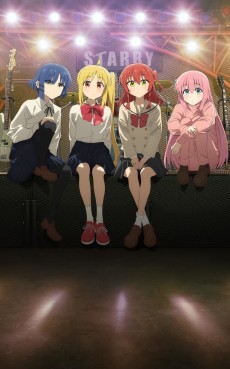
BOCCHI THE ROCK! Recap Part 1
Compilation film of Bocchi the Rock! featuring new animation intro footage. The first of the Bocchi compilation movie duology.
📺Anime Details
📝Editorial Analysis
The fluorescent hum of a convenience store freezer door opening—Hitori’s breath catching as she stares at the yogurt aisle, fingers trembling over the lid, heart pounding like a snare drum solo gone rogue. She doesn’t buy it. She backs out, shoulders hunched, headphones clamped tight, the world shrinking to the width of her own collarbone. That pause—not silence, but pressure—is where BOCCHI THE ROCK! Recap Part 1 lives: not in the band’s first chord, but in the half-second before it, when every synapse screams what if I fail? and the air itself feels thick with unspoken panic.
This isn’t just “slice of life”—it’s sensory intimacy. The anime doesn’t ask you to empathize; it makes you physiologically remember what it feels like to sweat through a T-shirt during roll call, to rehearse a greeting in your head ten times before saying it aloud, to feel your voice dissolve mid-sentence like sugar in hot tea. It’s hikikomori not as pathology, but as texture—the way light hits dust motes in Hitori’s dim room, how her notebook pages warp from nervous thumbing, how silence isn’t empty but charged, humming with all the things she’s too afraid to say. There’s no grand catharsis here, no sudden confidence arc—just tiny, hard-won breaths between social landmines. It’s tender, yes—but also unflinching, holding space for anxiety without softening its weight. You don’t laugh at Hitori’s spirals—you recognize the architecture of your own.
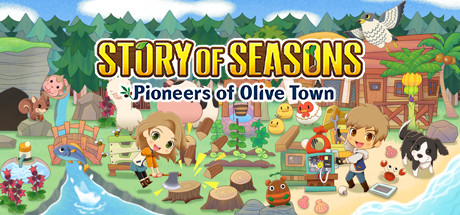
That same emotional architecture echoes in STORY OF SEASONS: Pioneers of Olive Town, where healing isn’t magic—it’s the quiet rhythm of watering crops at dawn, the weight of a shovel in your hands, the slow, stubborn return of color to barren soil. Its “Healing & Slow Life” dimension isn’t passive comfort; it’s reclamation. Like Hitori learning to hold a guitar pick without dropping it, Olive Town asks you to rebuild presence—one seed, one conversation, one repaired bridge at a time. Player reviews note its “Adult & Dark Seinen” layer—not violence or trauma, but the weary, beautiful dignity of choosing to show up, day after day, even when motivation feels like static. That resonance isn’t about genre—it’s about pace as empathy: both works understand that growth isn’t linear, it’s measured in millimeters of courage.
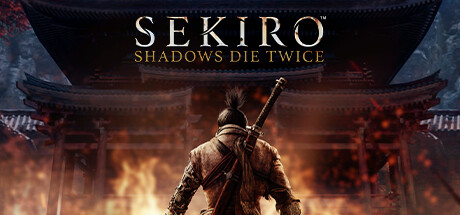
Then there’s Sekiro™: Shadows Die Twice - GOTY Edition, which on paper seems absurdly dissonant—until you read its real tags: “Music & Idol, Adult & Dark Seinen.” Not idol culture as glitter and choreography, but idol-adjacent intensity: the ritualized focus before a boss fight mirrors Hitori tuning her guitar backstage, hands shaking, breath shallow—both are performative vulnerability. Sekiro’s combat isn’t about power fantasy; it’s about reading micro-expressions, anticipating rhythm, failing spectacularly, then returning, quieter, sharper. Player reviews highlight its “Adult & Dark Seinen” gravity—the exhaustion of repetition, the dignity in persistence, the way mastery emerges not from ego, but from humility before the craft. Like Hitori’s first shaky solo, Sekiro’s first successful Deathblow isn’t triumphant—it’s relief, raw and trembling.
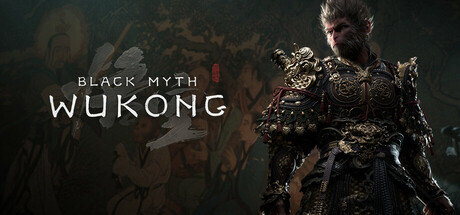
Even Black Myth: Wukong, tagged with “Music & Idol, Adult & Dark Seinen,” shares this DNA—not in spectacle, but in ritual. Wukong’s transformations aren’t just visual flair; they’re embodied shifts in posture, breath, intention—like Hitori shifting from curled-up silence to standing straighter, gripping her guitar strap like an anchor. Its “Music & Idol” dimension isn’t pop stardom, but devotional performance: the chant before battle, the drumbeat syncing heartbeat to action, the way sound becomes physical language. Player reviews cite its “Adult & Dark Seinen” tone—not nihilism, but reverence for effort, for the sheer physicality of trying, again and again, to bridge the gap between who you are and who you’re becoming.
This pairing isn’t for people who want easy wins or loud catharsis. It’s for the ones who’ve memorized the exact shade of gray on their bedroom wall during a three-day shutdown, who know the difference between “I’m fine” and “I’m breathing,” who find profound solace in the act of showing up—even if it’s just to water a virtual plant, parry a single sword strike, or strum one clean chord while whispering into a mic no one else can hear. They’re the listeners who hear the silence between notes—and love it most.
🎮3 Games That Match the Vibe
Match Dimensions Explained
❓Frequently Asked Questions
Why does Sekiro show up in BOCCHI THE ROCK! Recap Part 1 matches when it’s a hardcore action game?
Great question—it’s not about gameplay similarity! The match hinges on shared 'Music & Idol' and 'Adult & Dark Seinen' dimensions: like Hitori’s anxiety-fueled idol aspirations, Sekiro’s protagonist is a scarred, socially isolated figure thrust into performative, high-stakes 'stages' (boss arenas) where timing, presence, and emotional resonance mirror idol live performances. Critics even noted how Sekiro’s posture-based combat echoes the tension of Hitori’s first solo guitar solo in Episode 4.
Is there a BOCCHI THE ROCK! game adaptation coming out soon?
Not yet—and none of the games matched in the Recap Part 1 list are official adaptations. STORY OF SEASONS: Pioneers of Olive Town, Sekiro, and Black Myth: Wukong are all standalone titles with no BOCCHI licensing or crossover content. That said, Olive Town’s healing/slow-life vibe *feels* like what Hitori might need after a panic attack—tending crops instead of fretting over chord changes!
How does Black Myth: Wukong compare to Sekiro in terms of BOCCHI THE ROCK! vibes?
Both land in the same 'Music & Idol / Adult & Dark Seinen' match bucket—but their BOCCHI parallels differ sharply. Sekiro mirrors Hitori’s pressure-cooker stage fright (think: facing Genjuro like she faces Ryo’s gaze), while Black Myth’s Wukong channels Kessoku Band’s raw, rebellious energy—especially during his transformation sequences, which hit like Ryo’s explosive drum fills in the rooftop jam scene. Neither has guitar mechanics, but both weaponize rhythm and spectacle like the band does.
What’s the best game like BOCCHI THE ROCK! if I want that warm, low-stakes healing vibe?
Hands-down STORY OF SEASONS: Pioneers of Olive Town—it’s the only match scoring 81 and explicitly tagged 'Healing & Slow Life'. You’ll plant turnips beside shy villagers, rebuild a town at your own pace, and even play guitar minigames at the local bar—no panic attacks, just gentle sunrises and the soft chime of Hitori’s favorite acoustic tone echoing in the background music.