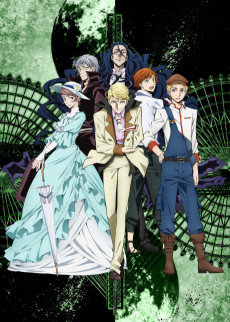
Bungo Stray Dogs 2
The second season of Bungou Stray Dogs.
Despite their differences in position, three men—the youngest senior executive of the Port Mafia, Osamu Dazai, the lowest ranking member, Sakunosuke Oda, and the intelligence agent, Angou Sakaguchi—gather at the Lupin Bar at the end of the day to relax and take delight in the company of friends.
However, one night, Angou disappears. A photograph taken at the bar is all that is left of the three together.
Fast forward to the present, and Dazai is now a member of the Armed Detective Agency. The Guild, an American gifted organization, has entered the fray and is intent on taking the Agency's work permit. They must now divide their attention between the two groups, the Guild and the Port Mafia, who oppose their very existence.
📺Anime Details
📝Editorial Analysis
The Lupin Bar at midnight—warm light pooling over worn wood, the clink of glasses, three silhouettes leaning in close, laughter low and easy, smoke curling like a held breath. Then—silence. A single photograph left behind on the bar top: three men frozen mid-smile, one already gone before the shutter clicked. That absence isn’t just plot—it’s the first exhale after holding your breath for ten episodes. It’s the quiet horror of realizing friendship has become a relic.

What makes Bungo Stray Dogs 2 ache so deeply isn’t its supernatural powers or mafia intrigue—it’s how tenderly it treats ephemerality. This is an anime that lives in the liminal space between war and whiskey, tragedy and shared jokes, where every cigarette lit feels like defiance against time itself. You don’t watch it for answers—you watch it to feel the weight of a glance exchanged across a crowded room, the way Sakunosuke’s grin tightens just slightly when Dazai mentions “the job,” the unbearable lightness of Angou’s voice fading from the soundtrack like steam vanishing off hot glass. It’s melancholy dressed in sharp suits and literary references, intimacy weaponized as survival, loyalty measured not in oaths but in who shows up, night after night, to the same stool, same drink, same unspoken pact: we are here, for now.
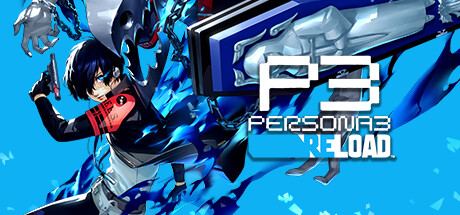
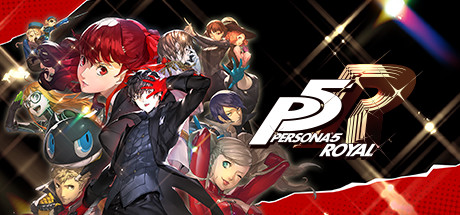
That emotional DNA pulses strongest in Persona 5 Royal. Its description names what binds them: JRPG Narrative, Emotional Narrative, Mystery & Detective. Like Dazai, Joker operates in dualities—student by day, phantom thief by night—building bonds not through exposition, but through shared meals, late-night confessions in Shibuya alleys, the slow, deliberate unfurling of trust across rainy train platforms. A player review nails it: “The seamless transition between daily life…”—yes. That’s the Lupin Bar rhythm. The way Persona 5 Royal makes you care about Ann’s part-time job or Ryuji’s frustration isn’t world-building—it’s emotional archaeology. Just as Dazai’s charm masks his exhaustion, Joker’s cool mask hides the tremor in his hands after a palace collapse. Both ask you to hold contradiction gently: heroism and weariness, rebellion and routine, love and inevitable loss.
Then there’s Dragon Age: Origins, whose description flags Emotional Narrative and Tactical Warfare—and whose player review praises “pause attack mechanic… help a lot to strategist your tactic…”. That pause isn’t just gameplay—it’s respite. In Bungo Stray Dogs 2, every bar scene is a tactical pause: three men recalibrating in real time, reading each other’s tells, choosing when to deflect, when to confess, when to let silence do the work. The Port Mafia isn’t fought with brute force alone—it’s navigated like a battlefield where one misstep in tone, one delayed response, could fracture everything. When Angou vanishes, the investigation isn’t about clues—it’s about reconstructing presence: Where did he sit? What did he order? Who last saw him not looking away? That’s the same granularity Dragon Age: Origins demands—not just who betrays you, but how their dialogue shifts across three conversations, how your party’s banter fractures under pressure, how loyalty quests force you to choose between mercy and mission. Both treat relationships as terrain to be mapped, defended, sometimes surrendered.
And yes—the tragedy tag isn’t decoration. It’s the quiet certainty that no barstool stays warm forever.
This pairing is for the person who cries during a character’s grocery list, who saves before a conversation because they need to brace themselves, who replays a five-second exchange just to hear the catch in someone’s voice. It’s for the reader who underlines sentences in classic novels not for theme, but for the exact shade of loneliness in a comma. For the player who names their save files after emotions—“Before the Rain”, “After the Photo”, “Lupin Midnight (Last Time)”. Not for those who want resolution—but for those who recognize the sacred, shattering beauty of a moment before it ends.
🎮6 Games That Match the Vibe


Match Dimensions Explained
❓Frequently Asked Questions
Why does Persona 5 Royal keep coming up when I search for games like Bungo Stray Dogs 2?
Because both lean hard into stylish, character-driven emotional narratives where found-family bonds and moral ambiguity drive the plot—like Joker’s Phantom Thieves mirroring BSDB2’s Armed Detective Agency in how they balance supernatural powers with grounded personal struggles. Plus, Persona 5 Royal’s Tokyo exploration, relationship-building (Confidants), and turn-based combat with flashy, personality-infused skills (e.g., Ann’s 'Eiha' or Ryuji’s 'Zio') echo BSDB2’s emphasis on distinct character voices and dramatic, almost theatrical battle moments.
Is there an anime or game adaptation of Dragon Age: Origins that’s similar to Bungo Stray Dogs 2?
No official anime or direct game adaptation exists—but Dragon Age: Origins itself fits the vibe *better than most adaptations ever could*. Its emotionally layered party dynamics (like Alistair’s dry wit or Morrigan’s sharp intellect) and pause-and-plan tactical combat (where you queue abilities mid-battle to counter darkspawn hordes) deliver the same intense, morally gray team synergy and weighty dialogue scenes fans love in BSDB2—especially during key story beats like the Landsmeet or the final confrontation at the Archdemon.
How does Persona 5 Royal compare to Dragon Age: Origins for someone who loves Bungo Stray Dogs 2’s tone?
Persona 5 Royal nails BSDB2’s modern, stylized energy—think bold UI, jazz-funk soundtrack, and characters like Futaba or Makoto who evolve through heartfelt Confidant scenes—while Dragon Age: Origins offers a grittier, more melancholic take with deeper tactical pauses and lore-heavy worldbuilding (e.g., commanding Leliana or Sten in tight corridor fights). If you want flair + emotional intimacy, go P5R; if you crave slow-burn loyalty arcs and war-room-level strategy, DA:O’s your pick.
What’s the best game like Bungo Stray Dogs 2 if I’m in the mood for intense, emotionally charged team banter and strategic fights?
Persona 5 Royal is your top match—it’s got that exact blend: late-night rooftop talks with Ryuji about trust, high-stakes Palace heists where every party member’s Persona reflects their inner conflict (like Haru’s 'Milady' symbolizing her defiance), and turn-based combat where timing a '1 More' after a well-placed 'Psy' skill feels just as cathartic as BSDB2’s synchronized ability combos. The way Confidants deepen relationships across real-time days mirrors how BSDB2 builds camaraderie between Dazai, Atsushi, and Kyoka scene-by-scene.