
Durarara!! X2 The Third Arc
The third part of Durarara!!x2
As Mikado Ryuugamine continues to purge the Dollars from within in accordance with his warped sense of justice, Masaomi Kida hopes to bring his friend back to his senses by bringing the Yellow Scarves together once more. Little do they know that a far more dominant force is about to enter their struggle for power, one that their friend Anri Sonohara is all too familiar with.
Meanwhile, the group that has gathered at Shinra Kishitani's apartment realizes that they are on the brink of something life-changing, an event that will throw Ikebukuro into a spiral of confusion. Their anxiety is realized when reports of Celty's head being found in public start to appear all over the news as Kasane Kujiragi begins to make her move.
Gone are the brief periods of tranquility as the current turmoil sets the stage for one final performance in this thrilling conclusion to the story of Ikebukuro's finest.
(Source: MAL Rewrite)
📺Anime Details
📝Editorial Analysis
Rain slicks the pavement of Ikebukuro like oil on black steel—Mikado’s fingers tremble as he grips the edge of Shinra’s apartment window, watching a streetlight flicker above the Yellow Scarves’ rally. Not at them. Above. Detached. Clinical. That light doesn’t illuminate faces—it casts long, shifting silhouettes that swallow identities whole. You don’t hear dialogue first. You hear the hush: the sudden vacuum of sound when Masaomi’s voice cracks mid-sentence, when Anri’s hand twitches—not toward her knife, but toward her own throat, as if remembering how easily it could be opened. This isn’t tension. It’s anticipation, thick and metallic, like blood warming just before it spills.
What makes Durarara!! X2 The Third Arc ache isn’t its gang wars or Dullahan lore—it’s how deeply it trusts urban space to hold memory, guilt, and fracture. Ikebukuro isn’t a backdrop; it’s a nervous system wired with surveillance feeds, alleyway rumors, and text messages sent into voids that reply hours later, already obsolete. Time doesn’t move forward—it splinters. A flashback isn’t nostalgia; it’s evidence dropped mid-chase. A character’s smile arrives after their betrayal registers. You don’t process cause and effect—you stumble through consequences already in motion, your pulse syncing to the city’s erratic rhythm: sirens cutting off, train doors sealing shut, a phone vibrating once, then silence. It makes you feel unmoored, yet hyper-aware—like walking past a convenience store at 3 a.m. and recognizing the cashier’s tired eyes not as a person, but as a node in a network you’re only half-part of.
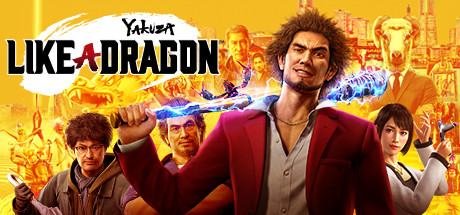
That same neon-noir disorientation pulses through The Bureau: XCOM Declassified—not as alien invasion, but as urban paranoia made procedural. Player reviews cite its “Neon Noir, JRPG Narrative” dimension: missions unfold under sodium-vapor glare where every alley hides a double agent, every radio transmission carries static that sounds like whispered names. Like Mikado parsing fragmented texts from the Dollars’ old server, you piece together truth from corrupted logs and unreliable witnesses—no cutscene tells you who’s lying; the glitch in the HUD does. And Goetita: Turn-based City, also tagged Neon Noir, JRPG Narrative, mirrors the anime’s structural unease: turn-based combat isn’t tactical—it’s temporal. You choose actions knowing time loops, delayed consequences, and NPCs whose dialogue shifts based on which street corner you stood on three turns ago. Just like Anri’s memories reassemble themselves mid-conversation, Goetita forces you to hold contradictory truths in your head simultaneously—guilt, duty, love—without resolution. Even Yakuza: Like a Dragon, with its JRPG Narrative, Neon Noir signature, shares that raw, unstable humanity: Ichiban’s idealism doesn’t soften the brutality of Kamurocho’s underbelly—it collides with it, violently. His speeches land like Masaomi’s pleas: heartfelt, desperate, and utterly powerless against the city’s gravitational pull toward chaos. Reviews note how its neon-drenched karaoke bars and pachinko parlors don’t offer escape—they amplify isolation, just like Shinra’s apartment, where laughter echoes too loudly because no one outside is listening.
This pairing isn’t for fans of “cool fights” or “mystery solved.” It’s for the ones who pause mid-episode when a character stares at their reflection in a rain-pooled puddle—not to admire themselves, but to verify they’re still there. It’s for players who replay a mission not to win, but to catch the flicker of doubt in an ally’s eye before they betray you. It’s for people who feel homesick for cities they’ve never lived in, who map emotional geography by where a fight started, where a confession failed, where silence became louder than shouting. If you’ve ever walked home past flickering signs and felt the weight of every unspoken thing hanging between you and the person beside you—that’s the frequency Durarara!! X2 The Third Arc broadcasts. And these games don’t tune in. They answer back, in the same cracked, urgent, beautifully broken dialect.
🎮3 Games That Match the Vibe


Match Dimensions Explained
❓Frequently Asked Questions
Why is The Bureau: XCOM Declassified listed as similar to Durarara!! X2 The Third Arc?
It nails that neon-drenched, morally gray urban tension—like when Mikado’s paranoia peaks in the subway tunnels, but with tactical cover shooting and squad banter that echoes Celty’s quiet intensity. The JRPG Narrative layer means choices ripple through faction alliances just like how Izaya’s manipulations split Ikebukuro’s underworld in X2.
Is there a Durarara!! game adaptation I can actually play right now?
No official Durarara!! visual novel or action game exists—but Goetita: Turn-based City captures its chaotic ensemble energy: you juggle rival street gangs (think Dollars vs. Saika cultists) across a rain-slicked, neon-lit city map, and dialogue choices directly trigger branching cutscenes mirroring the show’s overlapping timelines and unreliable narrators.
Goetita vs. Yakuza: Like a Dragon—which one better captures Durarara!!’s vibe?
Goetita wins for raw Ikebukuro chaos: its turn-based ‘City’ system forces you to manage simultaneous conflicts—like coordinating a Shinra hospital raid while deflecting a Saika whisperer—just like X2’s frantic multi-POV pacing. Yakuza: Like a Dragon leans harder into heartfelt JRPG camaraderie (think Akane’s loyalty quests), but trades Durarara!!’s razor-edged ambiguity for warmer, more earnest stakes.
What’s the best game like Durarara!! X2 if I want that anxious, claustrophobic ‘everyone’s watching me’ feeling?
Goetita: Turn-based City—it drops you into a surveillance-heavy district where NPCs track your movement on a grid, and failing stealth triggers ‘whisper events’ mimicking Saika’s psychological pressure. That moment you’re cornered in an alley by two factions at once? Pure Mikado-in-the-bridge panic, backed by the same Neon Noir aesthetic that makes every flickering sign feel like a threat.