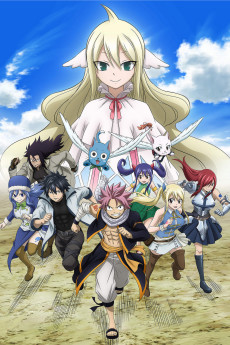
Fairy Tail Final Season
The final season of Fairy Tail.
Fairy Tail has been disbanded. A year later, Lucy comes into contact with Natsu and Happy. The three of them try to find the other former members' whereabouts to reconstruct the guild as they seek the real reason behind the guild's disbandment.
(Source: Anime News Network)
📺Anime Details
📝Editorial Analysis
Rain slicks the cobblestones of Magnolia like cold sweat. Lucy stands alone outside the ruins of the Fairy Tail guildhall, her fingers brushing the cracked sign—Fairy Tail, half-rotted, half-buried in overgrown weeds. No music swells. No flashbacks flicker. Just the hollow thunk of a loose shingle falling from the roof, and the quiet, stubborn weight of her breath as she refuses to look away. This isn’t grief dressed up as spectacle. It’s the ache of absence—of laughter that used to echo off those walls, now replaced by wind whistling through broken beams.
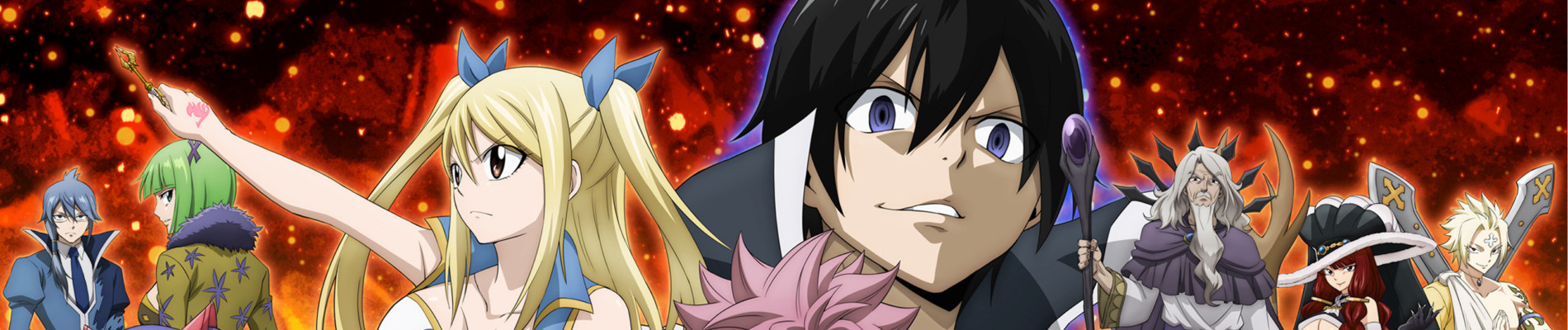
What makes Fairy Tail Final Season vibrate with such raw, unvarnished humanity isn’t its dragons or time manipulation—it’s how fiercely it holds space for reassembly. Not just rebuilding a guild, but reassembling trust after betrayal, identity after erasure, hope after institutional collapse. The magic isn’t in the spells; it’s in the way Natsu’s grin cracks open only after he sees Lucy’s eyes finally stop searching the horizon—and start locking onto him, right there, real and breathing. There’s no grand prophecy pulling them forward. Just three people choosing, again and again, to show up, even when every official record says they’re obsolete. That’s the feeling: tender stubbornness. Not invincibility—but continuance, scraped raw and held together with duct tape and shared memory.
That same emotional gravity pulses through Dragon Age: Origins. Its description frames legacy not as destiny, but as determination: “Determine your legacy and fight for Thedas as a noble dwarf, an elf far fr…”—that trailing “far fr” feels like a breath caught mid-sentence, mirroring Lucy’s silence before she knocks on Erza’s door, unsure if the woman behind it will open it or even recognize her. Player reviews confirm the resonance: “the story is great and its pause attack mechanic is amazing… help a lot to strategist your tactic.” That pause—literally stopping time to weigh choices—mirrors the anime’s quietest moments: Natsu hesitating before speaking to Gray, Lucy rewriting a letter to Mirajane three times, Happy curling tight against Lucy’s shoulder while she stares at a blank page. Both demand tactical tenderness—choosing not just what to do, but how gently to re-enter a fractured world.
And then there’s the war—not as backdrop, but as texture. The tags list “War” alongside “Tragedy” and “Demons,” not as spectacle, but as lived erosion. You see it in the way former guild members move differently now: Cana’s hands steady only when holding a deck of cards, not a bottle; Levy’s notes filled with cross-outs and marginalia, like she’s editing reality itself. That layered, ground-level devastation echoes in Dragon Age: Origins’ “Tactical Warfare” dimension—not armies clashing, but the exhaustion in Alistair’s voice when he says, “We don’t get to grieve. We get to hold the line.” The player review’s emphasis on “strategist your tactic” lands here too: survival isn’t flashy. It’s rationing potions, assigning who takes watch, deciding who gets to rest tonight—just like Lucy calculating train fares, Natsu rationing fire for warmth, Happy counting fish heads to keep his voice from shaking.
This pairing doesn’t speak to fans of “epic battles” or “cool powers.” It’s for the ones who cry when a character makes tea for someone else after months of silence. For players who replay dialogue trees not to optimize stats, but to hear one more time how their Warden’s voice softens when speaking to Leliana about loss. For viewers who remember exactly where they were when Lucy finally hugs Wendy—not because it’s triumphant, but because Wendy’s shoulders unclench, just a fraction, like rust giving way after rain. These are stories for people who understand that the bravest thing isn’t summoning a dragon—it’s walking back into a ruined building, hand outstretched, not knowing if the person on the other side will take it… but offering anyway. That is the heartbeat both Fairy Tail Final Season and Dragon Age: Origins share: fragile, fierce, unrelenting hope.
🎮3 Games That Match the Vibe


Match Dimensions Explained
❓Frequently Asked Questions
Why does Dragon Age: Origins keep coming up when I search for games like Fairy Tail Final Season?
Because both lean hard into found-family bonds and emotionally charged ensemble storytelling—like how Dragon Age’s Warden builds deep, branching relationships with Alistair, Morrigan, or Leliana, mirroring Natsu and Lucy’s loyalty-driven arcs in the Final Season. Plus, its pause-and-command tactical combat lets you orchestrate team combos on the fly, much like coordinating Fairy Tail’s synchronized magic attacks during big battles.
Is there a Fairy Tail game that adapts the Final Season?
No—there’s no official game covering the Final Season storyline. The last licensed title was *Fairy Tail* (2020) on PS4/Switch/PC, which ends before the Final Season anime arc. So fans turn to spiritually resonant experiences like *Dragon Age: Origins*, where emotional narrative weight and party-driven stakes fill that void.
Dragon Age: Origins vs. Fairy Tail (2020): which is better for chaotic group banter and heartfelt moments?
Go with *Dragon Age: Origins*—its companion quests (like Oghren’s drunken confessions or Wynne’s quiet mentorship) deliver layered, evolving dialogue that rivals Fairy Tail’s guild-hall warmth. While the 2020 *Fairy Tail* game nails flashy magic combos, it lacks the nuanced relationship depth and moral ambiguity that make *Origins*’ story feel as lived-in and bittersweet as the Final Season’s farewell themes.
What’s the best game like Fairy Tail Final Season if I want that ‘last-chance guild reunion’ emotional vibe?
Dragon Age: Origins nails that exact feeling—especially during the Landsmeet or the final assault on the Archdemon, where your choices determine who stands beside you, who sacrifices themselves, and how your legacy echoes. Reviewers call out how the pause-attack mechanic lets you savor every moment of teamwork, just like watching Natsu, Lucy, and Erza rally one last time in the Final Season’s climax.