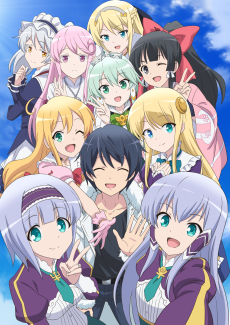
In Another World With My Smartphone 2
📺Anime Details
📝Editorial Analysis
The scent of rain on warm stone, the low hum of a spell-circle flaring gold beneath bare feet—Touya Mochizuki stands in the courtyard of his newly built castle, watching twin princesses laugh as they coax a silver-feathered griffin to land on a sun-warmed parapet. His smartphone glows softly in his palm—not as a tool of escape, but as quiet proof he’s here, anchored, choosing this life. Not fleeing. Not surviving. Belonging.
That’s the quiet pulse of In Another World With My Smartphone 2: a rare isekai that trades existential dread for tenderness. It doesn’t ask “Why me?”—it asks “What can I build with them?” The medieval world isn’t hostile terrain to conquer, but fertile ground to cultivate: magic isn’t arcane danger—it’s shared language; kingdom management isn’t spreadsheet drudgery—it’s morning meetings over spiced tea with advisors who tease you about your dating schedule; creature taming isn’t domination—it’s learning a wyvern’s favorite fruit before it’ll let you braid its crest-feathers. There’s no looming apocalypse, no tragic backstory gnawing at the edges—just the soft, persistent weight of care: care for soil, for schedules, for the way one twin bites her lip when concentrating, the other hums off-key while calibrating a steam-powered irrigation valve. It feels safe, yes—but not empty. It’s safety earned through consistency, through showing up, through remembering which herb poultice soothes which knight’s old wound. That safety isn’t passive—it’s active warmth.
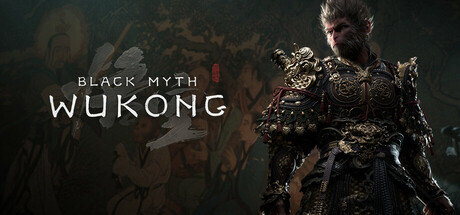
So why does Black Myth: Wukong, with its score of 83 and dimensions rooted in Mythology & Folklore, Dark Fantasy, resonate? Because beneath its thunderous combat and crumbling celestial palaces, players report feeling “a profound sense of reverence for ancient stories reborn”—not as relics, but as living systems. Like Touya learning the griffin’s nesting patterns from village elders’ oral lore, Wukong’s world treats myth as ecology: gods have routines, demons negotiate, even the Buddha’s garden has seasonal pruning schedules. Both works honor tradition not as dogma, but as infrastructure—the kind that lets you plant roses beside a golem’s charging station or hang prayer flags over a dragon’s roost. The weight is different—Wukong’s is solemn, Touya’s is sunlit—but the emotional architecture is identical: reverence as stewardship.
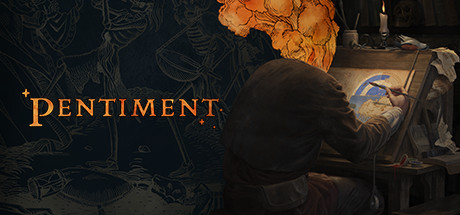
Then there’s Pentiment, scoring 80 under Mystery & Detective, Dark Fantasy. Player reviews call it “a slow, deliberate act of listening—to dialects, to harvest cycles, to who sits where at the abbey table.” That’s the exact texture of In Another World With My Smartphone 2’s court scenes: politics isn’t backstabbing, but parsing grain yields across three provinces while debating whether the royal alchemist’s new levitation charm violates the Guild’s bylaws and if it’ll scare the palace geese. Both treat society as a web of interlocking rhythms—legal, agricultural, linguistic—and dignity lives in getting the details right. When Touya adjusts tax brackets based on flood patterns, or Andreas in Pentiment cross-references a suspect’s alibi with monastic bell-ringing logs, it’s the same thrill: precision as love.
Even Throne of Lies®: Medieval Politics, at 72 (Mystery & Detective, Dark Fantasy), clicks—not because of scheming, but because players praise its “shockingly earnest diplomacy trees: alliances deepen when you gift honey mead and remember the ambassador’s daughter’s name.” That’s Touya, exactly: gifting enchanted seed packets to border lords, memorizing the lullaby a visiting diplomat hums to his infant son, negotiating trade routes while holding a sleepy toddler who just discovered fireflies. The game’s “medieval politics” aren’t Machiavellian—they’re relational. So is the anime’s.
This pairing isn’t for adrenaline chasers or lore-dump hunters. It’s for the person who re-reads the same three pages of a fantasy novel because the description of bread cooling on a windowsill feels like coming home. It’s for the player who spends twenty minutes arranging furniture in Stardew Valley not for efficiency, but because the angle of afternoon light on the rug matters. It’s for anyone who’s ever felt their chest tighten—not from fear, but from the quiet, aching fullness of being trusted to tend something beautiful, fragile, and deeply, stubbornly alive.
🎮6 Games That Match the Vibe

Match Dimensions Explained
❓Frequently Asked Questions
Why is Black Myth: Wukong listed as similar to In Another World With My Smartphone 2?
Because both lean hard into mythological worldbuilding—Wukong’s celestial bureaucracy, demon kings, and Taoist-Buddhist cosmology mirror the divine politics, god-tier magic systems, and reincarnation themes in IAWWMSP2’s fantasy setting. You’ll recognize the same tonal blend of reverence and spectacle, like when Touya negotiates with deities or Wukong confronts the Buddha in that jaw-dropping mountain temple sequence.
Is there a mobile game adaptation of In Another World With My Smartphone 2?
No—there’s no official mobile game adaptation. But if you’re craving that same mix of light-hearted isekai charm and tactical progression, Throne of Lies®: Medieval Politics delivers surprisingly strong parallels: think political maneuvering between factions (like Touya balancing nobles and gods) and persistent character relationships, all wrapped in dark fantasy aesthetics instead of anime gloss.
How does Pentiment compare to In Another World With My Smartphone 2?
Pentiment trades smartphone-powered convenience for quill-and-ink detective work—but both hinge on deep lore integration and moral weight behind choices. Where Touya uses his phone to decode ancient texts or hack magical wards, Andreas uses historical knowledge and dialogue trees to unravel murders in 16th-century Bavaria—and just like in IAWWMSP2, your decisions ripple across multiple endings and faction reputations.
What’s the best game like In Another World With My Smartphone 2 if I want something atmospheric and emotionally intense?
Hellblade II: Senua’s Saga—it nails that immersive, myth-soaked gravity you love in IAWWMSP2’s quieter moments, like Touya reflecting on loss or forging bonds across realms. The audio-driven psychosis mechanics and Norse mythography (think Yggdrasil visions and ritualistic combat) create a similarly layered, spiritually resonant experience—just swap the smartphone for a sword and grief for grace.