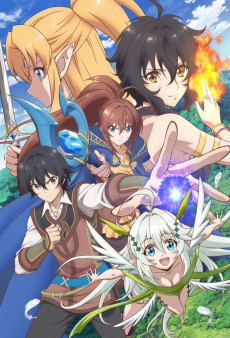
Isekai Cheat Magician
📺Anime Details
📝Editorial Analysis
The smell of burnt parchment and wet earth clings to the air as Taichi stands knee-deep in mud outside a shattered elven village—his hands trembling not from exhaustion, but from the weight of a single decision: let the goblin scouts live, or erase them before they report back. His magic flares, blue and precise—but his breath hitches. There’s no triumphant swell of music. Just wind rattling broken thatch, a distant wail swallowed by fog, and the quiet, sickening thud of a corpse hitting soft ground behind him. That silence—not the battle, not the spellwork—is where Isekai Cheat Magician lives.
It doesn’t trade in wish-fulfillment euphoria. It trades in gravity. Every spell cast carries recoil—not just mana cost, but moral residue. You feel the weight of command when Taichi orders troops into ambushes, the sour taste of compromise when he negotiates with assassins who’ve already slit three throats that morning, the hollow ache when an elf’s last words aren’t about vengeance, but about whether her garden survived the siege. This isn’t fantasy as escape—it’s fantasy as consequence. The harem isn’t comedic relief; it’s layered tension—trust forged in shared trauma, intimacy frayed by wartime secrecy, affection strained by duty. Even the zombies here aren’t mindless shamblers—they’re former villagers, reanimated mid-burial, their fingers still clutching wilted lilies. You don’t cheer when they fall. You look away.
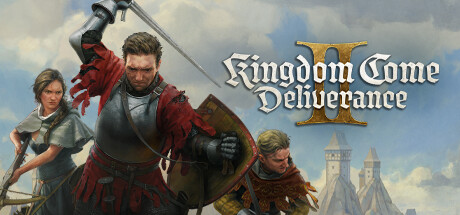
That same gravity hums through Kingdom Come: Deliverance II, where tactical warfare isn’t about flashy combos but about exhaustion, terrain, and the terrifying slowness of a parry gone half-a-second too late. Player reviews call it “a war you feel in your shoulders”—and yes, you do: the way your character’s breath rasps after sprinting uphill in full armor, how a poorly timed block sends your sword spinning into the mud while an enemy’s blade bites deep. Like Taichi choosing mercy over efficiency, KC:DII forces you to weigh every swing—not for spectacle, but for survival, for dignity, for the quiet shame of losing a fight you should have won. Both reject power fantasy in favor of embodied consequence: magic that leaves Taichi’s palms raw, steel that leaves Henry’s knuckles split and bleeding.
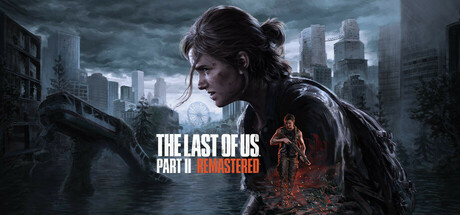
And then there’s The Last of Us™ Part II Remastered, where emotional narrative isn’t backdrop—it’s architecture. The game’s score matches Isekai Cheat Magician’s at 51 precisely because both build worlds where grief isn’t cathartic—it’s chronic, low-grade, woven into daily motion. You see it in Ellie’s silent, habitual check of her knife sheath before entering a room—just as you see it in Taichi’s habit of tracing the edge of his staff whenever negotiations stall. Player reviews describe TLOU2 as “a story that refuses to let you forget what violence costs long after the last shot is fired.” That’s the same ache echoing in Isekai Cheat Magician’s war arcs: not the roar of battle, but the silence afterward—the way a soldier stares at his boots instead of meeting Taichi’s eyes, the way an elf healer hums a lullaby while stitching a goblin’s wound, her voice cracking on the third note. Neither work offers redemption as reward. They offer it—if at all—as something fragile, earned in small, unglamorous acts: sharing water, lowering a weapon, remembering a name.
This pairing isn’t for fans of “strong heroes” or “epic wins.” It’s for the ones who pause mid-fight to watch rain collect in a fallen helmet’s rim. For players who replay dialogue options not to optimize outcomes, but to hear how a voice changes when hope flickers—then fades. For viewers who remember not the final spell, but the moment Taichi closes his eyes before casting it, not in concentration, but in apology. These are stories for people who understand that tragedy isn’t drama—it’s the weight of carrying memory forward, and tactical warfare isn’t strategy—it’s choosing which truth to tell today, knowing tomorrow might demand another lie. They’re for those who don’t seek escape—but recognition.
🎮2 Games That Match the Vibe
Match Dimensions Explained
❓Frequently Asked Questions
Why is Kingdom Come: Deliverance II listed as similar to Isekai Cheat Magician when it’s not fantasy at all?
Great question — it’s the *emotional narrative* and *tactical warfare* dimensions that line up, not the setting. Like Takuma’s grounded, consequence-driven magic training in Isekai Cheat Magician’s early academy arcs, Henry in Kingdom Come: Deliverance II must learn combat step-by-step — no cheat skills, just bruised knuckles, realistic stamina drains, and morally gray choices after scenes like the Rattay massacre. Reviewers noted both hinge on earned growth over power-fantasy wish fulfillment.
Is there an anime or manga adaptation of Kingdom Come: Deliverance II?
No — Kingdom Come: Deliverance II is a historically grounded RPG with zero anime/manga adaptations (and no plans announced). It’s easy to confuse because its emotional narrative depth and tactical combat rhythm *feel* like something you’d see in a serious isekai arc — say, when Ellie fights through the Seattle sewers in The Last of Us Part II Remastered, where every bullet matters and silence carries weight, much like Takuma calculating mana cost mid-battle in Isekai Cheat Magician’s library duel.
Kingdom Come: Deliverance II vs. The Last of Us Part II Remastered — which one better captures the 'reluctant hero forced into war' vibe from Isekai Cheat Magician?
The Last of Us Part II Remastered nails it harder — Ellie’s PTSD-fueled vengeance spiral mirrors Takuma’s shift from cheerful transfer student to battlefield strategist after the siege of the Royal Academy. Both games force you into morally messy decisions: Ellie’s ambush in the Seraphine Hotel echoes Takuma’s improvised firewall trap against the rogue mage squad. Kingdom Come leans more into systemic realism than raw emotional escalation.
What’s the best game like Isekai Cheat Magician if I want that ‘quiet tension before the big magical battle’ feeling?
Go straight to The Last of Us Part II Remastered — specifically the moments before the Seraphine Hotel raid, where ambient rain, distant radio static, and Ellie’s shaky breathing build unbearable suspense, just like the hush before Takuma unleashes his forbidden gravity spell in the Crystal Vault. Its 51-score Emotional Narrative dimension delivers that same slow-burn dread and payoff you love in Isekai Cheat Magician’s high-stakes duels.