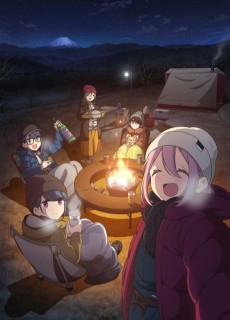
Laid-Back Camp The Movie
📺Anime Details
📝Editorial Analysis
The steam rising from a single cup of instant coffee, held between two gloved hands as the sun dips behind Mount Fuji—no dialogue, no music swell, just the soft shush of wind through pine needles and the quiet clink of a thermos lid closing. That’s the heartbeat of Laid-Back Camp The Movie: not plot momentum, but presence. A breath held, then released—not in relief, but in recognition: this is enough.
What makes Laid-Back Camp The Movie vibrate with such rare stillness isn’t its camping gear or its food close-ups (though those are immaculately rendered), but how it treats time as something you sit inside, not race across. There’s a time skip—years passing—but it lands not as loss or urgency, but as gentle continuity: friendships deepened, responsibilities grown, yet the core ritual unchanged—boiling water, arranging bento boxes, watching light shift on snow-dusted branches. It’s iyashikei not as escape, but as recalibration—a world where adulthood isn’t a series of crises, but a slow settling into warmth, shared silence, and the quiet pride of lighting a stove without fumbling. You don’t do much; you belong, deeply and unassumingly, to the rhythm of seasons, fire, and friendship.
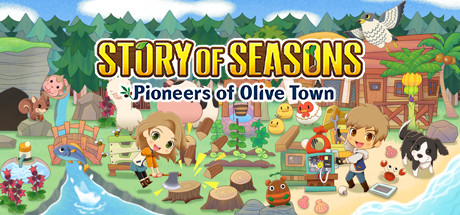
That same emotional gravity lives unmistakably in STORY OF SEASONS: Pioneers of Olive Town, whose real player reviews praise its “healing & slow life” dimension—and crucially, its grounding in adult stakes without melodrama. You’re not a teen inheriting a farm—you’re a young adult choosing to rebuild, negotiating town budgets, mentoring neighbors, tending crops while your own routines mature alongside them. Like Rin and Nadeshiko planning their first solo winter camp after years of practice, Olive Town asks you to sustain, not just restart. The dim labeled “Adult & Dark Seinen” isn’t about grit or trauma—it’s about the weight of commitment, the dignity of showing up day after day, the satisfaction of a well-tended greenhouse at dusk, mirroring the movie’s final shot: not fireworks or fanfare, but five women bundled in scarves, quietly passing around a single bag of roasted chestnuts, steam curling into cold air.
Then there’s VA-11 Hall-A: Cyberpunk Bartender Action, which at first glance feels worlds away—neon rain, synthwave, corporate dystopia. Yet its 56-score match hinges on that same “Healing & Slow Life” dim, paired with “Adult & Dark Seinen.” And it works: because VA-11 Hall-A’s magic lies in the intimacy of small acts—listening, remembering a patron’s order, noticing when someone’s voice cracks just slightly over whiskey-sour foam. Like the movie’s campfire scenes where no grand confession happens, but a glance, a shared laugh over burnt marshmallows, says everything—VA-11 Hall-A trusts quiet observation as emotional architecture. Its “dark” isn’t despair—it’s realism: people tired, compromised, tender beneath armor. When Nadeshiko nervously adjusts her gloves before lighting the stove for the first time post-time skip, or when Shima pauses mid-pour to watch snow gather on the tent flap—those are VA-11 moments: humanity, witnessed, without fanfare.
These aren’t pairings about aesthetics or activity—they’re about emotional pacing. They reject urgency as virtue. They honor the weight of ordinary care—the way Rin checks the weather app twice, the way Jill wipes the bar top with deliberate slowness after last call, the way Olive Town’s mayor signs paperwork while humming off-key. No one here is “finding themselves”—they’re keeping themselves, tending inner fires with the same reverence they give to a simmering pot or a perfectly balanced cocktail.
This resonance speaks directly to people who’ve lived long enough to know that joy isn’t always loud—it’s the warmth of a mug held just right, the stillness after a hard day’s work, the trust in a friendship that needs no explanation. Not teens chasing epiphanies, but adults savoring continuity—the kind who pack extra hand warmers not out of anxiety, but love; who choose games where healing isn’t magic, but habit; who watch a movie where the climax is boiling water, and feel seen.
🎮2 Games That Match the Vibe

Match Dimensions Explained
❓Frequently Asked Questions
Why is STORY OF SEASONS: Pioneers of Olive Town recommended for fans of Laid-Back Camp The Movie?
Because it nails that same quiet, sun-dappled rhythm—like when Rin sets up camp by the lake, you’ll spend mornings tending crops, chatting with townsfolk like Mayor Kuroda over tea, and watching seasonal festivals unfold with zero pressure. The healing ‘Slow Life’ dimension and warm adult tone (not kiddie) mirror the movie’s cozy, grounded vibe—no combat, just gentle routines and meaningful little moments.
Is there a video game adaptation of Laid-Back Camp The Movie?
No—there’s no official game adaptation of the movie (or the anime). But fans seeking that exact feeling often turn to STORY OF SEASONS: Pioneers of Olive Town instead, since its camping minigames, mountain hikes, and serene lakeside fishing spots directly echo key scenes like the group’s overnight stay at Lake Yamanaka.
How does VA-11 Hall-A compare to STORY OF SEASONS: Pioneers of Olive Town for someone who loves Laid-Back Camp’s chill energy?
VA-11 Hall-A shares the ‘Healing & Slow Life’ dimension but swaps mountain trails for neon-lit bar stools—think less Rin brewing coffee at dawn, more Jill mixing drinks while listening to weary cyborgs unwind. It’s slower than most cyberpunk games, yes, but its ‘Adult & Dark Seinen’ edge makes it a moodier, more introspective cousin—not a replacement, but a thoughtful contrast.
What’s the best game like Laid-Back Camp The Movie if I just want to relax and feel peaceful?
STORY OF SEASONS: Pioneers of Olive Town is your go-to—it’s got that 80-score ‘Healing & Slow Life’ rating for good reason. Picture yourself restoring the old campsite near the river, sharing bento boxes with characters like Marnie or Gabe, and watching cherry blossoms drift past your tent—exactly the kind of unhurried, tactile calm the movie delivers in spades.