
Magical Girl Spec-Ops Asuka
📺Anime Details
📝Editorial Analysis
The smell of burnt sugar and cordite hangs in the air—not sweet, not clean, but wrong, like caramel poured over a fresh wound. Asuka’s hand trembles as she reassembles her rifle mid-air, magic sigils flaring gold against the rain-slicked ruins of Shinjuku Station—her uniform torn, one boot missing, the other ankle wrapped in glowing, self-repairing bandages that pulse like exposed veins. She doesn’t scream. She breathes. And then she fires.
This isn’t wish-fulfillment magic. It’s exhaustion wearing a skirt and a spell-circle. Magical Girl Spec-Ops Asuka doesn’t soften war—it weaponizes trauma. Its atmosphere is claustrophobic tenderness: girls holding each other upright while their bones crack under magical strain; whispered confessions between mortar barrages; the quiet horror of recognizing your own reflection in a shattered mirror—and realizing the face looking back has already died once, twice, maybe three times. It makes you feel responsible—not for saving the world, but for remembering how fragile care is when survival demands you erase yourself to keep others breathing. This isn’t escapism. It’s reckoning—dressed in sailor collars and tactical vests, humming lullabies over live grenades.
REMNANT II® hits with the same gut-level dissonance: Tactical Warfare fused with Body Horror & Occult. Players describe crawling through fungal-choked bunkers where allies mutate mid-combat, limbs blooming into grotesque, sentient growths—and you must decide whether to shoot them before they stop screaming. That exact tension—trust fraying at the cellular level, love tangled with the need to destroy—is Asuka’s core rhythm. When Rumi’s arm dissolves into iridescent ash mid-embrace and Asuka catches her before she collapses, it’s not spectacle. It’s the same choked silence players report after putting down a corrupted comrade in REMNANT II®, then checking their inventory for spare ammo and a bandage they know won’t hold.
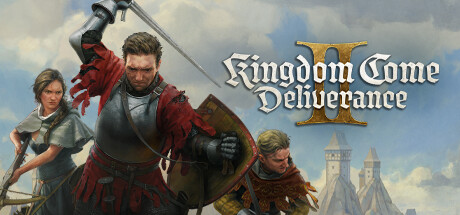
Kingdom Come: Deliverance II shares its weight—not in magic, but in consequence. Its Tactical Warfare and Emotional Narrative force players to track fatigue, wound infection, and social fallout from every choice. One reviewer wrote: “I spent 47 minutes stitching a peasant’s gash by candlelight because I’d promised him shelter—and realized I’d just traded three hours of sleep for his life, not his loyalty.” That granular, bodily accounting of care mirrors Asuka’s squad: no cutscene healing, no auto-revive—just cold fingers pressing gauze into open wounds while someone hums off-key to drown out distant artillery. The emotional gravity isn’t in grand speeches. It’s in the silence after the suture thread snaps, and who reaches for the needle next.
And Baldur’s Gate 3, with its Romance & Shoujo dimension alongside Dark Fantasy and Emotional Narrative, lands where Asuka lives most intimately: in the space between “I love you” and “I will kill you if you turn.” Not metaphorically—literally. Its player reviews repeatedly cite moments where romance deepens because of shared horror: choosing to hold a lover’s hand as their body unravels into shadow, or whispering vows over a corpse that might still twitch. That’s Asuka’s heartbeat—the way Saki’s confession unfolds not under cherry blossoms, but inside a collapsing biolab, her voice steady even as her magic destabilizes the floor beneath them. Love here isn’t refuge. It’s armor, forged in the same furnace that melts bone and burns memory.
You’ll love these pairings if you’ve ever paused a scene—not to admire the animation, but to check your own breath. If you replay dialogue not for lore dumps, but to hear how a character’s voice cracks just before they lie. If you crave stories where tenderness isn’t soft—it’s fierce, brittle, stitched together with duct tape and devotion. Where magic feels less like wonder and more like chronic pain you’ve learned to aim. Where the most devastating moment isn’t the explosion—but the girl who walks away from it, adjusts her cracked glasses, and asks, “Who’s next?”—already calculating angles, already holding space, already here.
🎮4 Games That Match the Vibe



Match Dimensions Explained
❓Frequently Asked Questions
Why does REMNANT II keep showing up in 'Games Like Magical Girl Spec-Ops Asuka' lists?
Because both lean hard into tactical, squad-based combat where positioning and weapon mods matter—like Asuka’s precision sniper takedowns against biomechanical horrors, REMNANT II’s boss fights (e.g., the Root Mother) demand similar environmental awareness and layered enemy design. The shared 'Body Horror & Occult' dimension hits hard too: think Asuka’s corrupted allies twisting mid-fight versus REMNANT II’s grotesque, flesh-and-root abominations crawling out of rifts.
Is there a Magical Girl Spec-Ops Asuka anime or manga adaptation?
No—Asuka is an original video game property with no official anime, manga, or light novel adaptations yet. That said, fans often draw parallels to Baldur's Gate 3’s emotional intimacy and romance options (like Astarion’s morally gray arc or Shadowheart’s quiet devotion) because both use deep character-driven moments—not flashy transformations—to sell the 'magical girl as soldier' duality.
How does Kingdom Come: Deliverance II compare to Baldur's Gate 3 for emotional storytelling?
Kingdom Come: Deliverance II grounds its emotion in raw, historically textured realism—like Henry’s grief over his murdered father playing out through silent, weighty dialogue choices and consequence-laden quests—while BG3 leans into heightened, shoujo-tinged romance (think the tender, slow-burn tension between Asmodeus and the protagonist during campfire scenes). Both score 56/51 on 'Emotional Narrative', but KCII’s pain feels like a bruise; BG3’s feels like a love letter written in blood and starlight.
What if I love Magical Girl Spec-Ops Asuka’s blend of tactical combat and haunting atmosphere—but hate body horror? What’s the best alternative?
Go straight to Kingdom Come: Deliverance II—it nails the 'Tactical Warfare + Emotional Narrative' combo without a single tentacle or melting face. You’ll get Asuka-level tension in duels (like the knife fight in Rattay’s tavern), moral stakes that linger (betraying your liege feels as heavy as breaking a magical pact), and zero 'Body Horror & Occult'—just sweat, steel, and sorrow.