
Non Non Biyori: Okinawa e Ikukoto ni Natta
📺Anime Details
📝Editorial Analysis
The salt hangs in the air—not as a sting, but as a soft, damp weight on skin still warm from sunbaked concrete. Renge squints up at the Okinawan sky, bare feet planted in sand that’s just cool enough beneath the surface, her small hand slipping into Natsumi’s as they watch the ferry recede. No dialogue. Just the low, rhythmic sigh of waves folding onto shore, the distant chime of wind bells, and the quiet hum of cicadas rising like breath held too long. That stillness isn’t empty—it’s full. Thick with unspoken safety, with time that doesn’t ask for productivity, with the kind of presence that only arrives when no one is waiting for you to become something else.
That’s what Non Non Biyori: Okinawa e Ikukoto ni Natta does: it cultivates stillness as emotional architecture. Not laziness, not boredom—stillness as sanctuary. The CGI isn’t polished spectacle; it’s gentle, slightly softened, like memory viewed through heat haze. The rural setting isn’t backdrop—it’s texture: frayed straw hats, sun-bleached wooden railings, the way light pools in shallow tide pools like liquid amber. This isn’t nostalgia for childhood—it’s reverence for its tempo: unhurried, unobserved, unjudged. You don’t watch it to follow plot. You settle into it—to feel the weight of a shared popsicle stick, the quiet pride in holding a tiny crab just right, the warmth of shared silence between girls who know each other’s rhythms better than words. It’s seinen, yes—but not in cynicism or exhaustion. In the quiet certainty that adulthood can hold space for this tenderness, too.
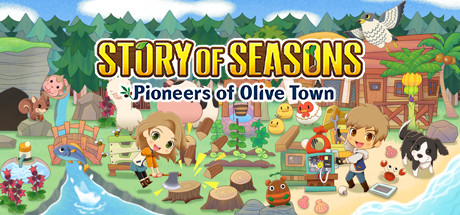
Which is why STORY OF SEASONS: Pioneers of Olive Town lands with such uncanny resonance. Its match score of 80 isn’t accidental—it shares the same healing & slow life core, the same adult & dark seinen grounding that refuses to infantilize peace. Players don’t rush toward harvest festivals or marriage proposals; they linger at the riverbank watching fish dart, replant the same flower patch three times just to see how the light catches its petals at dusk, or sit on their porch listening to rain patter on the roof while inventory scrolls slowly, deliberately. One review nails it: “It doesn’t reward speed—it rewards attention.” That’s the anime’s heartbeat translated into farming mechanics: growth measured in patience, not XP bars. Both trust you to find meaning in the act of tending, whether it’s a tomato vine or a shy classmate’s confidence.
Then there’s VA-11 Hall-A: Cyberpunk Bartender Action, scoring 56—not because it’s tonally similar, but because it shares that same healing & slow life pulse beneath an entirely different surface. Its adult & dark seinen framework is neon-drenched and morally ambiguous, yet its soul lives in the quiet ritual of mixing drinks, listening without judgment, and holding space for broken people over ice-cold whiskey sours. A player wrote: “You don’t fix anyone—you just remember their order, their story, their weight.” That’s Natsumi handing Renge a towel after she trips in the surf—not fixing the fall, just absorbing its small gravity. Both works understand that care isn’t always loud or dramatic; sometimes it’s the precise tilt of a glass, the exact temperature of a towel, the timing of a pause before a question.
These pairings aren’t about escapism—they’re about recognition. They speak to someone who’s spent years learning to move fast, who’s internalized urgency as virtue—and who suddenly feels the deep, almost physical relief of slowing down without guilt. Someone who notices how sunlight shifts across a tatami mat at 4:17 p.m., who saves a game not to progress, but to preserve a moment where nothing urgent is happening. Someone who finds profound comfort in the ordinariness of being seen—truly seen—not for what they achieve, but for how they exist quietly, fully, in a world that rarely asks them to do less. Not younger. Not older. Just here. And breathing.
🎮2 Games That Match the Vibe

Match Dimensions Explained
❓Frequently Asked Questions
Why is STORY OF SEASONS: Pioneers of Olive Town ranked higher than VA-11 Hall-A for Non Non Biyori fans?
Because Olive Town nails the quiet, sun-dappled rhythm of rural Okinawa life—think watering crops at dawn, chatting with villagers like grumpy-but-kind Kanae or cheerful Raul at the café, and watching seasonal festivals unfold slowly. VA-11 Hall-A shares the healing/slow-life dimension but swaps pastoral calm for neon-lit bar shifts and existential cyberpunk banter—great if you love character-driven intimacy, but it lacks the gentle, grounded warmth of Non Non Biyori’s island pacing.
Is there a visual novel adaptation of Non Non Biyori: Okinawa e Ikukoto ni Natta?
No—there’s no official visual novel adaptation. The game itself *is* the adaptation: it’s a narrative-driven, slice-of-life experience where you play as Renge as she explores her new Okinawan home, helps at the family shop, and bonds with characters like Aikawa-sensei and Natsumi through branching dialogue and seasonal minigames like coral reef sketching.
How does STORY OF SEASONS: Pioneers of Olive Town compare to VA-11 Hall-A for capturing that 'Non Non Biyori' feeling?
Olive Town wins on vibe: its soft watercolor visuals, slow daily routines (feeding chickens, crafting gifts for townsfolk like shy Lyla), and emphasis on seasonal change mirror Non Non Biyori’s unhurried island serenity. VA-11 Hall-A delivers deep emotional resonance too—but through late-night bar conversations with cyborgs and hackers, not lazy afternoons under banyan trees, so it captures intimacy, not tranquility.
What’s the best game like Non Non Biyori: Okinawa e Ikukoto ni Natta if I just want to feel calm and grounded?
STORY OF SEASONS: Pioneers of Olive Town—it’s literally built for that. You’ll wake up to birdsong, tend your garden while listening to cicadas, and share quiet moments with villagers who remember your favorite tea or how many times you’ve visited the shrine. It’s scored 80 for Healing & Slow Life for good reason, and that ‘grounded’ feeling comes from tactile mechanics like watering crops by hand and watching your town bloom season by season.