
Record of Ragnarok III
Based on the hit manga of the same name, the Record of Ragnarok saga continues with 13 one-on-one battles for the survival of humanity, pitting gods against humans from across the world. Witness the fateful seventh battle: the final fight to break the 3-3 tie between the gods and humans.
(Source: Netflix)
📺Anime Details
📝Editorial Analysis
The air doesn’t just crackle—it shatters. Not with lightning, but with the sound of a human ribcage giving way under divine pressure, the wet snap echoing like dry bamboo in a kiln. In Record of Ragnarok III, it’s not the gore that lingers—it’s the silence after: the way Lu Bu’s breath hitches, blood bubbling at his lips as he stares up at Zeus, not with fear, but with something colder—recognition. Recognition that this isn’t just combat. It’s reckoning. A thousand years of buried shame, of empire collapsed, of a warrior’s name twisted into myth while his bones rotted in forgotten soil—suddenly alive, vibrating in every tendon, every scar, every unblinking eye.
That’s the atmosphere—not spectacle, but weight. Not myth as distant legend, but myth as wound. You don’t watch Record of Ragnarok III to escape; you watch to bear witness. The CGI isn’t slick—it’s gritty, textured with sweat, rust, and ash. The gods aren’t omnipotent—they’re tired, arrogant, brittle. The humans aren’t plucky underdogs—they’re broken vessels holding centuries of collective grief, rage, and stubborn, unkillable pride. This is tragedy dressed in battle armor: every punch lands like history itself refusing to be erased. You feel the ache in your jaw from clenching it. You think about how reverence and violence are two sides of the same coin—how we deify what we fear, then slaughter what we’ve made divine.
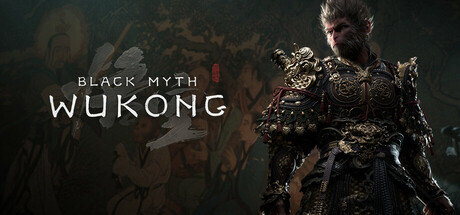
That emotional DNA—the raw, myth-scorched gravity of human defiance against immortal indifference—resonates powerfully in Black Myth: Wukong. Its official description cites Mythology & Folklore and Dark Fantasy, and player reviews consistently note its “unrelenting weight,” its “sense of ancient consequence.” You don’t just fight demons—you confront the hollow echo of a god who was once worshipped, then discarded, then reconstructed from fragments of scripture and scorn. Like Lu Bu’s final stand, Wukong’s journey isn’t about victory—it’s about reclamation, fought in ruins that breathe with the ghosts of imperial decrees and burned sutras. The gore isn’t gratuitous; it’s textural truth, the physical residue of spiritual betrayal.
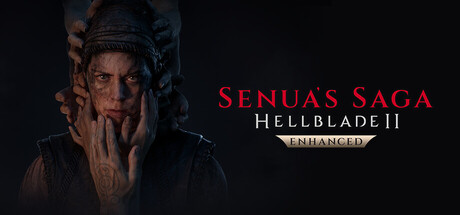
Then there’s Hellblade II: Senua’s Saga, also tagged Mythology & Folklore and Dark Fantasy, scoring 72 for its visceral grounding in belief-as-biology. Senua doesn’t battle gods in arenas—she walks through landscapes where Norse myth bleeds into psychosis, where every whisper is both hallucination and ancestral memory. Her struggle mirrors the human fighters in Record of Ragnarok III: not against external monsters, but against the internalized gods—the voices of judgment, the inherited shame, the crushing legacy of being less than. When Senua staggers across ice fields chanting names she barely remembers, or when Lu Bu raises his halberd one last time despite shattered ligaments, it’s the same refusal to vanish. Both demand that trauma be seen, not solved.
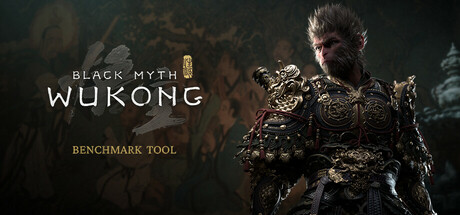
Even the Black Myth: Wukong Benchmark Tool—yes, the benchmark—carries that resonance. Its identical score and tags aren’t accidental. Players report using it not just to test hardware, but to linger: to stare at the rain-slicked stone of a ruined temple, to watch light fracture across Wukong’s cracked staff, to feel the sheer presence of myth made tactile. That stillness before combat—the held breath, the trembling hand, the weight of expectation pressing down like mountain mist—is the same stillness before Lu Bu’s first charge. It’s not about frames per second. It’s about atmospheric fidelity to a world where divinity is heavy, flawed, and deeply, devastatingly human in its hunger for meaning.
This pairing isn’t for fans of flashy fights or tidy endings. It’s for the ones who pause mid-battle to trace the calligraphy on a broken banner, who read the footnotes in a mythology text like confessions, who feel awe and grief in the same breath. It’s for players who replay Senua’s monologues not for lore dumps, but for the tremor in her voice—and viewers who rewatch Lu Bu’s final stance not for the technique, but for the quiet, unbroken dignity in his spine. They know myth isn’t decoration. It’s bone-deep memory. And sometimes, the most sacred act isn’t worship—it’s standing, bleeding, and saying I remember.
🎮3 Games That Match the Vibe
Match Dimensions Explained
❓Frequently Asked Questions
Why is Black Myth: Wukong so often compared to Record of Ragnarok III’s Zeus vs. Thor fight?
Because both pit a thunder-wielding god against an ancient, mythic powerhouse in a brutal, cinematic clash where lore and raw spectacle collide—just like Zeus summoning lightning storms while Thor swings Mjolnir in mid-air, Black Myth: Wukong’s Sun Wukong battles Erlang Shen with acrobatic staff combos, reality-bending illusions, and mythologically grounded fury. The game’s combat rhythm, divine-scale set pieces, and reverence for source material (like the Journey to the West parallels to Ragnarok’s pantheon clashes) hit that same electrifying, high-stakes mythological resonance.
Is there a Record of Ragnarok III video game adaptation?
No—there’s no official Record of Ragnarok III game yet. But fans craving that same mythological showdown energy should jump into Black Myth: Wukong or Hellblade II: Senua’s Saga, both of which nail the tone: Wukong’s boss fights channel the gravitas of Odin vs. Buddha, while Hellblade II’s hallucination-driven Norse myth sequences mirror the psychological intensity of Surt vs. Ares’ arena duel.
Black Myth: Wukong vs. Hellblade II: Senua’s Saga—which is better for fans of Record of Ragnarok III’s intense one-on-one duels?
Black Myth: Wukong wins for pure duel mechanics—its parry-and-counter system, stamina-based timing windows, and mythic boss patterns (like the Bull King’s multi-phase arena brawl) directly echo Ragnarok’s tactical, momentum-shifting fights. Hellblade II leans harder into immersive storytelling and sensory-driven tension (e.g., Senua navigating fog-choked Norse realms during her internal battles), making it more atmospheric than duel-focused—but still deeply rooted in the same mythic gravity.
What’s the best game like Record of Ragnarok III if I want that dark, myth-soaked, emotionally heavy vibe?
Hellblade II: Senua’s Saga—it’s dripping with that same oppressive, reverent darkness: think Senua whispering prayers amid crumbling Norse ruins while battling manifestations of grief, much like Loki’s quiet despair before his match or Surtr’s apocalyptic resolve. Its 72 Metacritic score reflects how powerfully it merges folklore authenticity (real Norse cosmology, voice work with neurodivergent consultants) with the soul-crushing weight and visual grandeur fans love from Ragnarok’s most haunting matches.