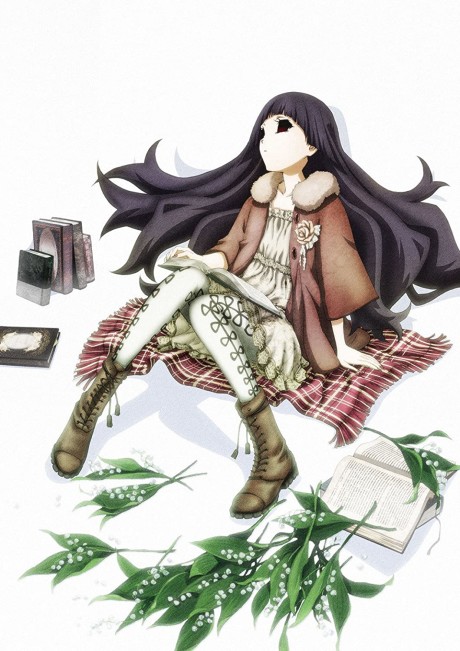
Shiki Specials
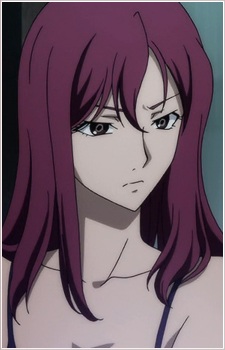
The official website of the Shiki television anime series confirmed on Saturday that the anime's eighth and ninth Blu-ray Disc/DVD volumes will each include an unaired episode. The eighth volume will ship with Episode 21 and the unaired episode "Dai Futatō to Han wa" (a wordplay for "Episode 20.5") on May 25, 2011, while the ninth volume will ship with Episode 22 and the unaired episode "Dai Futatō-ichi to Han wa" ("Episode 21.5") on June 22.
(Source: Anime News Network)
📺Anime Details
📝Editorial Analysis
The air in Sotoba hangs thick—not with humidity, but with silence that has teeth. Not the quiet of empty rooms, but the choked, watchful hush after a scream is swallowed whole: a mother’s hand frozen mid-reach toward her child’s bedroom door; a doctor’s stethoscope pressed to a chest that no longer rises; the slow, wet shlick of soil parting as something pale and rigid pushes upward—not from grave, but from home. That’s the weight of Shiki Specials: two unaired episodes buried like unmarked graves in the Blu-ray volumes, not as bonus content, but as afterimages—the kind that linger because they refuse resolution.
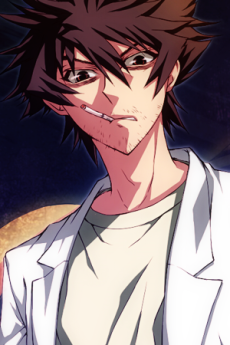
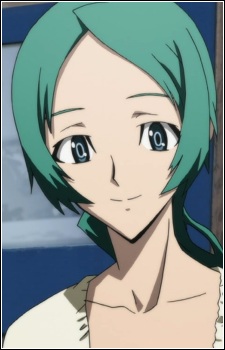
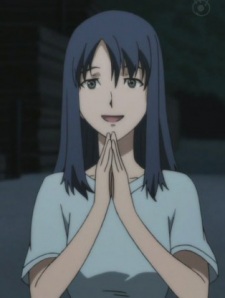

This isn’t horror built on jump scares or gothic ornamentation. It’s horror rooted in proximity. The vampires of Shiki Specials don’t descend from castles—they rise from next-door neighbors, from the school nurse, from the old man who tends the shrine gate. Their tragedy isn’t mythic; it’s domestic. You feel the grit of rural dust under your nails, smell the damp rot of tatami mats soaked in blood that won’t wash out, hear the muffled sobs through thin walls—not of victims, but of survivors trying to pray while their own hands tremble with hunger. It makes you think about complicity—not as grand betrayal, but as the quiet turning away when the village council votes not to investigate the third missing person this month. The emotional DNA isn’t “vampire vs. human.” It’s what happens to community when survival demands you stop seeing people as people.
That same suffocating moral gravity lives in The Witcher 3: Wild Hunt, where Geralt tracks Ciri across a continent bleeding from war and monstrosity—not as a hero, but as a man whose every choice carves deeper grooves into his own exhaustion. The description calls it “war-torn, monster-infested,” yes—but the player review nails the resonance: “DLC announced 11 years after release, my favourite game keeps getting better…” That longevity isn’t just polish—it’s proof the world refuses to settle. Like Sotoba’s unresolved grief, Velen’s villages don’t heal cleanly; quests fester, consequences echo, and even “good” outcomes leave scars that ache in the quiet moments—just like the lingering dread in “Dai Futatō to Han wa,” where survival isn’t victory, but the hollow space left after mercy fails.
Then there’s The Witcher: Enhanced Edition Director's Cut, where Geralt isn’t just slaying monsters—he’s trapped in a “web of intrigue woven by forces vying for control.” The player review winks at romance, but the real pulse is in the phrase: “Make difficult decisions and live with the consequences.” That’s Sotoba’s entire architecture—the council’s vote, the doctor’s secret experiments, the priest’s whispered compromises. No one here is purely evil or noble; they’re adults making terrible, plausible choices under pressure, exactly as the Shiki Specials tags specify: Primarily Adult Cast, Tragedy, Revenge. The emotional texture matches beat for beat: not spectacle, but the slow, grinding weight of consequence settling into bone.
And The Witcher 2: Assassins of Kings Enhanced Edition? Its description opens with “a time of untold chaos… armies on the march are not enough to stop a b—” (cut off, just like the anime’s own unresolved tension). The player review calls it “more thoughtfully designed than the next entry”—and that’s the key. Like the Shiki Specials, it refuses catharsis. It’s dense, morally knotted, obsessed with systems—political, biological, social—that collapse not with fanfare, but with the dull thud of inevitability. Both ask the same question, without offering answers: When the ground beneath you dissolves, what do you hold onto—and who gets crushed in the grip?
This pairing isn’t for fans of tidy endings or heroic arcs. It’s for the reader who re-reads the final pages of Kokoro twice, searching for the crack in Sensei’s confession. For the player who lingers in Skellige’s fog, listening to the wind over drowned villages, not for lore, but for the silence between the waves. For anyone who’s ever watched a loved one make a choice they knew was wrong—not out of malice, but because the alternatives had already rotted away. They’ll recognize the truth in both: that the most devastating horrors aren’t supernatural at all. They’re the ones we build, brick by quiet, compromised brick—and then try, desperately, to call home.
🎮1 Games That Match the Vibe
Match Dimensions Explained
❓Frequently Asked Questions
Why does Shiki Specials match The Witcher 2 so strongly despite being older?
Because both dive deep into morally grey political intrigue with zero hand-holding — like when Geralt gets framed for the king’s assassination in Chapter I, forcing you to navigate royal courts and rebel camps where every dialogue choice reshapes alliances. The Witcher 2’s branching narrative structure and consequence-heavy decisions (e.g., siding with Roche or Iorveth permanently locking out entire story paths) mirror Shiki Specials’ emphasis on irreversible character-driven stakes.
Is there an anime or manga adaptation of The Witcher games that captures the same vibe as Shiki Specials?
No official anime or manga adapts The Witcher *games* specifically — the Netflix series leans more on Sapkowski’s books and simplifies the games’ layered consequences. But if you love Shiki Specials’ brooding atmosphere and quiet character moments, watch *The Witcher: Nightmare of the Wolf* — it nails the Dark Fantasy tone and even name-drops Vesemir’s mentorship style, echoing how Shiki Specials builds emotional weight through restrained, grounded interactions.
How is The Witcher: Enhanced Edition Director's Cut different from The Witcher 3 for someone who loves Shiki Specials’ slow-burn tension?
The original Witcher (Director’s Cut) trades open-world scale for claustrophobic, dialogue-heavy tension — think tense tavern confrontations with Yennefer where one wrong line can derail a romance or trigger a fight, unlike The Witcher 3’s broader scope. Its tighter pacing, limited save points, and early-game emphasis on Geralt’s isolation (like that haunting prologue in the forest after the memory loss) hit the same nerve as Shiki Specials’ deliberate, atmospheric buildup.
What’s the best game like Shiki Specials if I want melancholy, emotionally heavy storytelling with monster-hunting vibes?
Go straight to The Witcher 3: Wild Hunt — especially the ‘Hearts of Stone’ DLC, where Geralt hunts Gaunter O’Dimm in a cursed, time-looping manor while confronting his own mortality and Ciri’s trauma. That blend of personal grief, moral ambiguity, and dark fantasy worldbuilding (like the decaying ruins of Crookback Bog or the quiet sorrow of Skellige’s funeral rites) matches Shiki Specials’ emotional weight beat-for-beat.