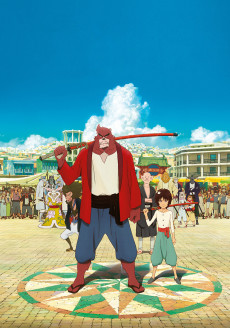
The Boy and the Beast
When Kyuuta, a young orphan living on the streets of Shibuya, stumbles into a fantastic world of beasts, he’s taken in by Kumatetsu, a gruff, rough-around-the-edges warrior beast who’s been searching for the perfect apprentice.
Despite their constant bickering, Kyuuta and Kumatetsu begin training together and slowly form a bond as surrogate father and son. But when a deep darkness threatens to throw the human and beast worlds into chaos, the strong bond between this unlikely pair will be put to the ultimate test—a final showdown that will only be won if the two can finally work together using all of their combined strength and courage.
(Source: Funimation)
📺Anime Details
📝Editorial Analysis
Rain slicks the Shibuya crossing—neon bleeds into oily puddles, and nine-year-old Kyuuta presses himself into a doorway, shivering, hollow-bellied, watching strangers move like ghosts through their own lives. Then—the alley behind him tears. Not with light or thunder, but with a low, guttural rip, like fabric pulled apart by claws. He stumbles through—and suddenly, the air smells of wet fur, iron, and roasting chestnuts. A massive bear-man snarls, tail lashing, eyes blazing amber in the lamplight of Jutengai. Not a monster. Not a god. Just angry. And he grabs Kyuuta’s wrist—not to eat him, not to curse him—but because he needs an apprentice. Right then, in that reeking, chaotic, warm alleyway between worlds, something fragile and unnameable begins: the first tremor of belonging.

That’s the atmosphere—not wonder, not dread, but grit-and-grace friction. It’s the smell of sweat on tatami mats after sparring, the sting of a slap that isn’t punishment but correction, the way Kumatetsu’s voice cracks when he tries to say “I’m proud” and ends up yelling about miso soup instead. This isn’t ethereal fantasy—it’s tactile. You feel the calluses on Kyuuta’s palms after months of sword drills, hear the groan of Kumatetsu’s joints as he forces his aging body to move faster, taste the burnt edges of rice balls cooked over a single gas ring in a cramped beast-world apartment. It makes you think about how love rarely arrives with fanfare—it arrives mid-argument, mid-fall, mid-swing—rough, imperfect, and utterly necessary.
Dark Messiah of Might & Magic shares that same raw nerve. Its description calls it a game of “ferocious combat in a dark and im…”—and yes, the sentence cuts off, but the feeling doesn’t: it’s combat where every parry rattles your bones, where magic feels less like incantation and more like wrenching reality. A player review nails it: “A fantastic melee combat game that still holds up pretty well today.” That’s Kyuuta’s training—brutal, immediate, physical. No auto-aim, no forgiving hitboxes—just timing, weight, consequence. When Kyuuta finally lands that first clean strike on Kumatetsu—not in play, but in real anger, real growth—you feel the same jolt as when Dark Messiah lets you shove an armored knight off a balcony with a well-timed kick: visceral, earned, human in its violence. Both refuse to sanitize struggle. They make you feel the cost of power—and the quiet miracle of restraint.
The found family pulse also echoes in games where bonds are forged not through exposition, but through shared exhaustion. The Boy and the Beast’s heart beats loudest in the silence after training—Kyuuta sleeping curled on the floor, Kumatetsu pretending not to cover him with his coat. There’s no dialogue there. Just presence. That’s the emotional DNA Dark Messiah taps when you’re bleeding out in a dungeon corridor and your AI companion—gruff, flawed, barely speaking—drops a health potion beside you without breaking stride. Not because it’s scripted, but because the rhythm of coexistence has been built, beat by beat.
And the time skip—that sudden, breathless cut from boy to young man, hair longer, shoulders broader, eyes quieter—lands like a physical blow. It mirrors how Dark Messiah’s narrative doesn’t pause for reflection; it accelerates, trusting you to feel the weight of years in a changed stance, a new scar, a weapon held differently. The player review’s offhand note—“if you enjoyed Arx Fatalis…”—hints at it too: games where world and character evolve in tandem, where growth isn’t signaled by levels but by how you move through space, how you hold your body when no one’s watching.
This pairing sings for the person who cries not at grand sacrifices, but at the sight of two mismatched coats hanging side-by-side on the same hook—one frayed at the cuff, one patched with clumsy thread. For the player who replays the same boss fight not to win, but to feel the shift in their own hands—from panic to patience, from flailing to flow. For anyone who’s ever loved someone so fiercely they had to learn how to be gentle through rage. It’s for those who know that the deepest magic isn’t in portals or spells—it’s in the quiet, stubborn, trembling act of showing up, again and again, for someone who doesn’t yet believe they’re worth it.
🎮2 Games That Match the Vibe
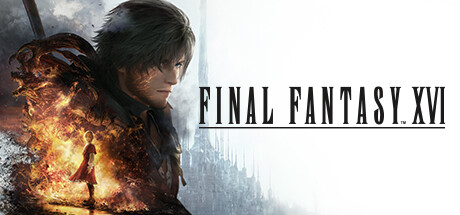
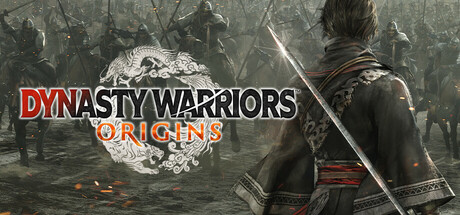
Match Dimensions Explained
❓Frequently Asked Questions
Why does Dark Messiah of Might & Magic keep coming up in 'Games Like The Boy and the Beast' lists?
Because both lean hard into that raw, emotional coming-of-age arc—like Ren learning to fight alongside his beastly mentor—while delivering visceral, physics-driven melee combat. Dark Messiah’s first-person swordplay (think clanging blades, ragdoll stumbles, and environmental takedowns) mirrors the film’s intense training scenes, and its morally gray story about a human raised by monsters hits the same thematic notes as Ren and Kumatetsu’s bond.
Is there a video game adaptation of The Boy and the Beast?
No—there’s never been an official game adaptation. But fans often reach for Dark Messiah of Might & Magic because it nails the vibe: a lone, impulsive youth thrust into a brutal, magical world where mastering your body and instincts is the only path to belonging—just like Ren’s journey through Shibuya’s hidden beast realm and the Beast Kingdom’s chaotic dojos.
Dark Messiah of Might & Magic vs. Arx Fatalis—which is better for The Boy and the Beast fans?
Dark Messiah, hands down—if you loved the film’s kinetic action and emotional weight. Its Source Engine-powered melee (parries, kick-stuns, wall slams) mirrors Kumatetsu’s rough-but-true training style, while Arx Fatalis leans more into slow, spell-casting survival. Plus, Dark Messiah’s 60 Metacritic score and player review calling it 'a fantastic melee combat game that still holds up' confirm its lasting fit for fans craving that blend of spectacle and soul.
What’s the best game like The Boy and the Beast if I want that ‘training under a gruff mentor’ vibe?
Dark Messiah of Might & Magic—it’s the closest match for that specific dynamic. You play as a young warrior molded by volatile, larger-than-life figures (like the ruthless Sareth), and the combat forces you to grow through trial, failure, and physical presence—exactly like Ren learning restraint, timing, and courage in Kumatetsu’s ramshackle dojo. Even the game’s dim lighting and gritty arenas echo the film’s contrast between neon city streets and shadowy, ancient beast realms.