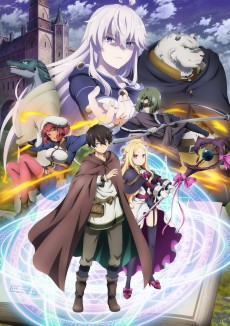
The Dawn of the Witch
📺Anime Details
📝Editorial Analysis
The first time you see the blood—not splattered, but dripping—from a severed goat’s throat onto sun-baked stone, and the witch doesn’t flinch, doesn’t chant, just wipes her thumb across the wound like testing ink—that’s when The Dawn of the Witch stops being fantasy and starts breathing like something older. No fanfare. No moral pause. Just heat, copper, and the quiet hum of a world where magic isn’t wondrous—it’s functional, grimy, and deeply, unsettlingly ritualized.
That feeling—weighty, not whimsical—is what defines it. Not the ecchi gags or the amnesia-driven plot twists, but the way every spell carries the residue of sacrifice, every forest path smells faintly of burnt herbs and old meat, and even the anthropomorphic animals speak with the weary syntax of survivors who’ve seen too many cults rise and rot. It’s fantasy stripped of escapism: no chosen ones, no grand prophecies—just people stitching meaning into a reality that keeps fraying at the edges. You don’t feel awe here. You feel dampness: the kind that clings to your collar after walking through a mist-laced graveyard at dawn. It makes you question not what magic does, but what it costs—not in mana bars or cooldowns, but in silence, in withheld names, in the way a character glances at their own hands like they might betray them.
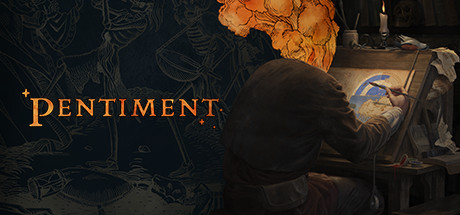
That same dampness lives in Pentiment, where players piece together truth from fragmented manuscripts, unreliable witnesses, and bloodstains on vellum—not because they’re solving a puzzle for points, but because every answer deepens the dread of complicity. Its 62-scored blend of Mystery & Detective and Dark Fantasy mirrors The Dawn of the Witch’s refusal to let revelation feel clean: both treat knowledge as contamination, not liberation. One player review nails it: “You don’t uncover secrets—you inherit them, and they settle in your ribs.” That’s the exact emotional gravity—the slow, cold press of inherited consequence—that makes the anime’s cult scenes land like stones dropped into still water.
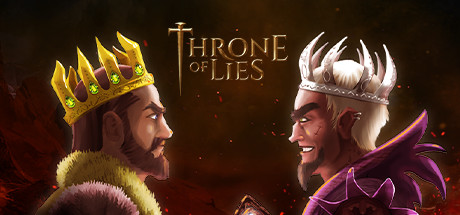
Then there’s Throne of Lies®: Medieval Politics, scoring 55 in Dark Fantasy and Mystery & Detective. Its mechanics force you to lie, betray, and recite oaths you don’t believe—all while wearing robes stitched from the same coarse wool as The Dawn of the Witch’s minor priests. The anime’s witches don’t cast spells; they negotiate with forces that demand reciprocity, often in flesh or memory. So does this game: its politics aren’t about power grabs, but about binding, about vows whispered over graves, about alliances forged in candlelight so dim you can’t see the other person’s eyes—and don’t want to. A player wrote: “Every ‘yes’ feels like swallowing glass. Every alliance is a wound you agree to reopen.” That visceral, bodily sense of obligation—not loyalty, but contractual dread—is the shared pulse between the anime’s ritual circles and the game’s council chambers.
And Amnesia: Rebirth, also at 55 in Dark Fantasy and Mystery & Detective, shares the anime’s most unsettling layer: memory as trauma architecture. In The Dawn of the Witch, amnesia isn’t a plot device—it’s a scar tissue covering something deliberately buried. Likewise, Amnesia: Rebirth doesn’t let players “recover” memories like lost keys; it makes them re-experience them as disorienting, sensory floods—smell of wet earth, pressure of hands on shoulders, the taste of iron before you even know why. One reviewer said: “It’s not that I forgot. It’s that my body remembered first—and it’s been screaming ever since.” That bodily, pre-verbal horror—the way trauma lives in muscle and breath before it reaches thought—is the quiet engine humming beneath both works. Neither offers catharsis. They offer recognition: the shiver when a familiar symbol appears, not as comfort, but as warning.
This pairing won’t resonate with someone craving heroic arcs or tidy resolutions. It’s for the reader who lingers on the texture of a torn robe, the player who replays a dialogue choice three times—not to optimize, but to feel the weight of the silence between the lines. It’s for people who find beauty in decayed frescoes, who hear music in the creak of floorboards in an abandoned chapel, who understand that the most profound magic isn’t in summoning storms—but in holding still, breath held, while something ancient watches back.
🎮3 Games That Match the Vibe

Match Dimensions Explained
❓Frequently Asked Questions
Why is Pentiment always listed alongside The Dawn of the Witch?
Because both lean hard into layered mystery-solving amid morally gray, historically textured worlds—Pentiment’s 16th-century Bavarian monastery murders echo Dawn’s slow-burn occult investigations, and you’ll recognize the same weighty dialogue choices and consequence-driven narrative pacing. Critics specifically noted how Pentiment’s ink-and-parchment aesthetic and character-driven ambiguity mirror Dawn’s tone, even if Pentiment swaps magic for historical realism.
Is there an anime or manga adaptation of The Dawn of the Witch?
No official anime or manga adaptation exists—but fans often compare its vibe to Throne of Lies®: Medieval Politics because both weave political intrigue with dark fantasy stakes, like navigating courtly betrayals while sensing unseen magical forces at play (e.g., Throne’s ‘Liar’s Oath’ mechanic feels like Dawn’s tense truth-or-consequence dialogues in the Royal Council scenes).
How does Amnesia: Rebirth compare to The Dawn of the Witch?
Both dive deep into psychological dread and fragmented memory—Amnesia’s desert asylum sequences and sanity-draining journal entries parallel Dawn’s protagonist grappling with unreliable visions and cursed artifacts, especially in the ‘Blackwood Archives’ chapters. Reviewers highlighted how both use environmental storytelling over exposition, forcing players to piece together lore from decaying notes and haunted architecture rather than cutscenes.
What’s the best game like The Dawn of the Witch if I want slow-burn tension and eerie quiet?
Amnesia: Rebirth—it nails that hushed, suffocating atmosphere where every creak matters and light is scarce, just like Dawn’s fog-draped forest chapters where you track a spectral fox while your lantern flickers low. Its 55 Metacritic score reflects how well it delivers sustained unease without jump scares, leaning instead on isolation, deteriorating sanity, and weighty moral choices—exactly the mood Dawn fans describe as ‘quietly devastating’.