
The Dungeon of Black Company
Work sucks and Kinji was avoiding it beautifully by investing every penny. Good plan ’til he found himself in a new world…with DEBT! Now under the rule of an evil mining company, avoiding work is gonna be a tough grind. Does he have what it takes to pull off the ultimate workaround on this gig?
(Source: Funimation)
📺Anime Details
📝Editorial Analysis
The fluorescent hum of a corporate break room—except the vending machine dispenses cursed ore, the coffee is brewed from demon bile, and Kinji’s “employee wellness seminar” just ended with his supervisor transforming into a three-headed slag-beast who demands overtime in soul-coin. That’s the exact tonal pivot: not swords-and-sorcery awe, but the gut-drop dread of checking your pay stub and realizing you’ve been contractually bound to mine hellstone until your pension plan expires in 2147.
This isn’t fantasy as escape—it’s fantasy as audit trail. The air smells like damp concrete, cheap industrial lighting, and the faint metallic tang of unpaid severance. You don’t feel wonder here. You feel recognition: the way Kinji squints at a laminated “Dungeon Safety & Profitability Compliance Flowchart” like it’s written in eldritch script, the way his “heroic arc” begins with negotiating a 15% hazard allowance for breathing toxic spore air. It’s exhaustion, not epicness. Resignation, not rebellion. Satire that lands like a tax notice—sharp, bureaucratic, weirdly personal. You don’t root for him to slay the boss. You root for him to file a grievance form correctly.
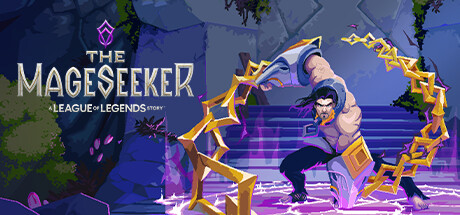
The Mageseeker: A League of Legends Story™ shares that same sardonic precision: a roguelike dungeon crawler where magic feels less like divine power and more like a unionized trade—with HR-mandated spell cooldowns, mandatory mana-drain audits, and NPCs who cite policy subsection 7.3 when refusing to heal you. Player reviews call it “a workplace comedy disguised as a fantasy RPG,” and that’s the DNA match: both The Dungeon of Black Company and The Mageseeker treat world-building like corporate documentation—every lore drop is a clause, every boss fight a performance review gone sideways. The humor isn’t in absurdity alone; it’s in how plausibly the system grinds you down, then lets you game it with a well-timed loophole exploit.
Lethal Company? That’s the shared physicality of dread. Not fear of death—but fear of failing the KPI. In both, danger wears a safety vest. You’re not dodging dragonfire—you’re sprinting through a collapsing mine shaft while your headset crackles with corporate voice mail: “Reminder: Your ‘Scrap Quota’ resets in 90 seconds. Non-compliance triggers automatic soul forfeiture.” Reviews consistently praise its “relentless, almost bureaucratic tension”—the way stress accumulates not from jump scares, but from time pressure, resource mismanagement, and the crushing weight of unpaid overtime. Kinji calculating risk-to-reward ratios before entering a slime pit? That’s the same energy as your crew debating whether to risk a third floor run for one extra copper coil—knowing the company’s insurance won’t cover “spontaneous crystallization due to overexertion.”
And R.E.P.O.—that’s where the moral calculus clicks into place. Its description nails it: “Roguelike & Dungeon, Comedy & Parody”—but the real resonance is in its premise: you’re not a hero reclaiming lost artifacts. You’re a repossession agent sent to seize magical assets from other broke adventurers. Player reviews highlight how it “makes capitalism feel like a dungeon class”—where every negotiation, every debt settlement, every asset seizure carries the same weary irony as Kinji bartering his lunch voucher for a 30-second reprieve from a golem’s shift rotation. Both use fantasy scaffolding to expose how systems weaponize obligation: not “you must save the world,” but “you must settle your balance by midnight—or forfeit your left kidney (non-refundable).”
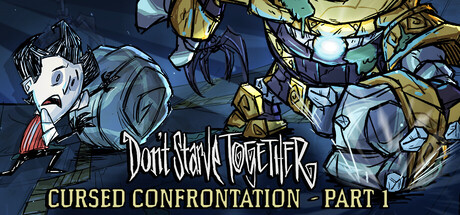
Who lives for this? The person who laughs too hard when the anime cuts from a dramatic demon lord monologue to Kinji scrolling through his “Employee Debt Ledger” app, muttering, “Wait—this interest rate compounds daily?” The player who pauses Don’t Starve Together mid-crisis—not to craft a campfire, but to calculate if farming nightmare fuel is actually more efficient than filing a formal complaint about unfair resource allocation. It’s for the exhausted idealist who still keeps a spreadsheet tracking their emotional ROI on daily interactions—and who finds deep, weird comfort in stories where the true final boss isn’t a lich king, but compound interest, signed in blood ink, witnessed by a bored-looking goblin clerk with a name tag that reads “HR-7B.” That’s the kinship. Not in spectacle. In shared paperwork.
🎮9 Games That Match the Vibe







Match Dimensions Explained
❓Frequently Asked Questions
Why is The Mageseeker listed as similar to The Dungeon of Black Company when it’s a League of Legends spinoff?
Great question—it’s not about the LoL branding, but how both games weaponize absurdity in dungeon crawling: The Mageseeker’s ‘Bandle City Trial’ level has you dodging sentient teacups and arguing with a bureaucratic Yordle judge, mirroring Black Company’s tone-perfect satire of fantasy tropes. Its roguelike structure (permadeath, randomized spell combos like ‘Chaos Bolt + Tea Infusion’) and laugh-out-loud parody of RPG systems earned it an 85 score for nailing that same comedic-dungeon vibe.
Is there a TV show or anime adaptation of The Dungeon of Black Company?
No—there isn’t, and none of the top matches like Lethal Company or Content Warning are adaptations either. They’re all original games that *channel* Black Company’s spirit: Lethal Company’s ‘Scrapyard Shifts’ force chaotic teamwork under absurd corporate pressure (think Black Company’s ‘Accountant of Doom’ boss), while Content Warning drops you into cursed Twitch streams where ‘Glitch Goblins’ mimic your real-time chat—no licensing, just shared DNA in tone and structure.
How does R.E.P.O. compare to Don’t Starve Together for Black Company fans?
R.E.P.O. leans harder into fast-paced, satirical roguelike combat—its ‘Repo Agent’ class lets you seize enemy loot mid-fight using sarcastic dialogue checks (‘Your lease expired *yesterday*, sir’), while Don’t Starve Together’s slower, survivalist dread (like fighting the ‘Deerclops’ during a rainstorm) feels more grounded. Both hit the Comedy & Parody + Roguelike & Dungeon dimensions, but R.E.P.O.’s 81 score reflects its tighter match to Black Company’s snappy, system-savvy humor over DST’s 69-rated melancholy absurdity.
What’s the best game like The Dungeon of Black Company if I want something relentlessly silly and co-op friendly?
Lethal Company is your jam—its ‘Lunar Operations’ map drops you and three friends into a derelict moon base where you’re forced to haul cursed office supplies (‘Sentient Staplers’, ‘TPS Report Ghosts’) while avoiding the ‘Jester’ boss who critiques your inventory choices in iambic pentameter. With an 81 score and built-in voice chat chaos, it nails Black Company’s blend of cooperative panic and razor-sharp parody better than any solo-focused title on the list.