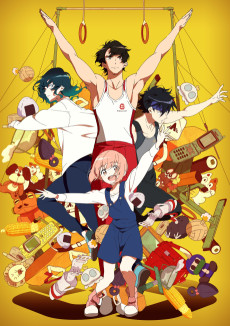
The Gymnastics Samurai
📺Anime Details
📝Editorial Analysis
The smell of sweat and old tatami mats. The crack of a knee joint resetting mid-air—too late, too loud—as the protagonist lands off-balance, one hand slamming into the mat while his breath hitches like a snapped bowstring. That moment isn’t just failure. It’s the quiet, humid weight of a body remembering what it used to do, and the unbearable tenderness of trying again in front of his father’s silent, weathered gaze. No music swells. No crowd cheers. Just the scrape of slippers on wood, the rustle of a gyaru’s skirt as she adjusts her phone—not for a selfie, but to film his form, not for clout, but because she knows the difference between a wobble and a warning.
That’s the atmosphere: not triumph, not despair—but rehabilitation as ritual. Not just physical recovery, but the slow, unglamorous reassembly of self after tragedy fractures identity. You feel the weight of legacy—not samurai honor, but the quiet expectation in a father’s calloused hands adjusting a son’s grip on the pommel horse; you think about how acrobatics and ninja discipline aren’t flashy tropes here, but parallel languages of control, precision, and restraint. Even the CGI doesn’t smooth things over—it grinds, slightly uncanny, emphasizing the effort behind every rotation, every landing, every attempt to bend the body back into alignment with memory. This isn’t sports-as-metaphor. It’s sports-as-suture.
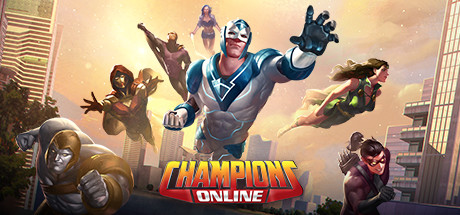
Which is why Champions Online resonates so deeply—not as a power fantasy, but as an act of reclamation. Its player review calls out “tailor might be the best case of character customization…”—and that’s key. Just as the protagonist rebuilds his gymnastics repertoire limb by limb, frame by frame, players in Champions Online don’t pick a hero—they stitch one together: cape, emblem, boot texture, wrist-guard seam—all deliberate, all necessary. The emotional narrative isn’t in cutscenes, but in the quiet pride of seeing your custom hero land a perfect aerial combo exactly as you envisioned it—after weeks of tweaking animations, balancing powers, learning the physics of flight. Like the anime’s rehab, it’s iterative, personal, stubbornly hopeful. The competitive spirit isn’t about topping leaderboards—it’s about proving, to yourself, that your design works, that your vision holds.
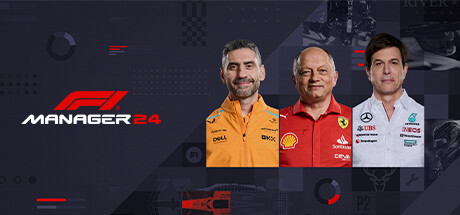
Then there’s F1® Manager 2024, scoring lower but vibrating on the same frequency: Emotional Narrative, Competitive Spirit. Its description offers no flash—just the granular reality of managing a team across seasons, tire compounds, driver morale, weather variables. A player doesn’t race; they anticipate, adjust, absorb consequence. Sound familiar? In The Gymnastics Samurai, every routine is a season-long strategy: rehab progress tracked in millimeters of range-of-motion, confidence measured in seconds of unassisted balance, family tension calibrated like suspension geometry. The anime’s tragedy isn’t a single crash—it’s the slow erosion of certainty, the way a misjudged twist echoes in a father’s tightened jaw three episodes later. F1® Manager 2024 mirrors that: no instant wins, only layered cause-and-effect, where a pit-stop decision ripples into next year’s contract talks—and your heart races not from speed, but from responsibility. The competitive spirit here is quiet, internalized: not beating others, but honoring the craft enough to get the data right.
Who loves this pairing? The viewer who watches the protagonist practice the same dismount twelve times and feels their own pulse sync with his breathing—not because it’s exciting, but because they recognize the sacred exhaustion of showing up again. The player who spends three hours adjusting a single costume texture in Champions Online, not for aesthetics, but because this shade of cobalt says “I’m still here”. The one who replays F1® Manager 2024’s Singapore Grand Prix in monsoon conditions—not to win, but to see if this time, with better tire management and calmer driver feedback, the car stays upright through Turn 14. These aren’t stories about victory. They’re about continuance. About the fierce, tender, unyielding act of rebuilding—body, identity, legacy—one precise, imperfect motion at a time.
🎮2 Games That Match the Vibe
Match Dimensions Explained
❓Frequently Asked Questions
Why does The Gymnastics Samurai feel so much like Champions Online?
Because both lean hard into Emotional Narrative and Competitive Spirit—like when you're crafting your own gymnast hero in Samurai's story mode, it mirrors how Champions Online lets you design a custom hero (down to the cape and emblem) and fight Dr. Destroyer while building emotional stakes through cutscenes and dialogue choices. Players love that 'tailor' level of personalization in both—it’s not just gameplay, it’s identity.
Is there a mobile version of The Gymnastics Samurai?
No mobile version exists—and no official adaptation is planned. Unlike F1® Manager 2024, which launched on PC *and* consoles but still skipped mobile entirely, Samurai remains PC/console-only. That said, if you want that same intense, story-driven competitive vibe on the go, Champions Online’s web-based launcher offers surprisingly smooth browser play for lighter sessions.
How does The Gymnastics Samurai compare to F1® Manager 2024?
Samurai focuses on high-stakes athletic performance with cinematic routines and character-driven arcs—think nailing a perfect beam dismount while your rival watches from the sidelines—whereas F1® Manager 2024 trades spectacle for spreadsheet-level strategy: hiring engineers, managing tire compounds, and reacting to rain delays. Both score high on Competitive Spirit, but Samurai delivers Emotional Narrative like Champions Online does, while F1® Manager leans more into dry, data-heavy tension.
What’s the best game like The Gymnastics Samurai if I want something uplifting and heroic?
Champions Online is your perfect match—it’s got that same soaring, heroic energy: designing your own superhero, teaming up with allies like Liberty Prime, and saving Millennium City with over-the-top action sequences. With a 73 Metacritic score and players raving about its ‘best-in-class’ customization and heartfelt storytelling, it hits the uplifting, aspirational vibe Samurai nails—just swapped out leotards for capes.