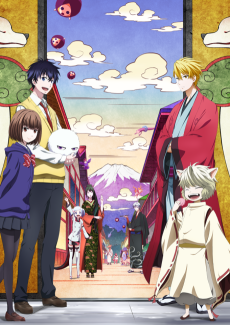
The Morose Mononokean
Ashiya has spent the first seven days of high school stuck in the infirmary because of a youkai attaching itself to him. He ends up asking the owner of a small tea room called the "Mononokean" for help. This is a tale involving the very morose owner of Mononokean guiding the youkai that happened to wander into this world go to the next world.
(Source: Crunchyroll)
📺Anime Details
📝Editorial Analysis
The steam from a chipped ceramic cup curls upward, thin and fragile, as Ashiya sits across from the Mononokean’s owner—slouched, expressionless, sleeves pushed past his wrists—and watches a small, trembling kodama dissolve into golden motes after its quiet confession. No fanfare. No battle. Just tea cooling, a sigh that isn’t quite sadness but something older and quieter, and the soft shush of a spirit slipping back into the unseen. That moment—unhurried, tender, heavy with unspoken care—is the heart of The Morose Mononokean.
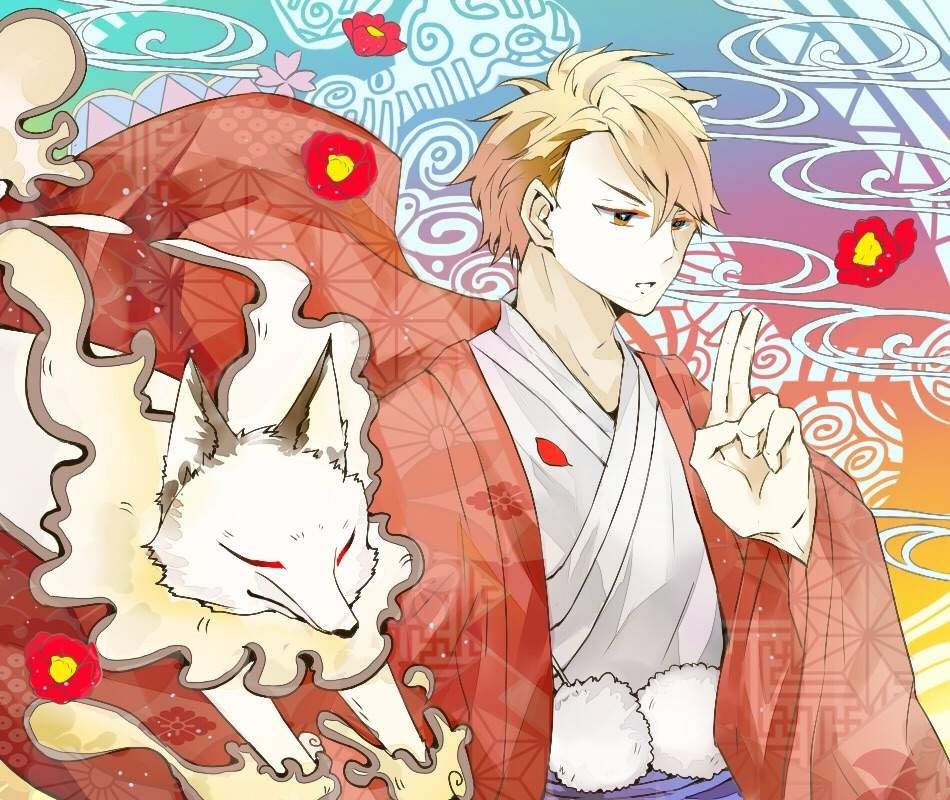
What makes it unique isn’t the youkai or exorcism on paper—it’s the weightlessness of grief, the way sorrow is treated not as a crisis to solve but as weather to sit beneath. This isn’t shounen triumph; it’s shounen tending. The infirmary days, the worn tatami of the tea room, the way Ashiya’s voice cracks just once when he asks, “Do they all go like this?”—these aren’t plot beats. They’re breaths held between heartbeats. You don’t feel excited watching it. You feel recognized: in the exhaustion of caring, in the dignity of departure, in how kindness can be so soft it almost disappears. It’s melancholic, yes—but never despairing. It’s gentle, but never naive. There’s a hush in every episode, like the world paused just long enough for something small and sacred to pass through.
That same hush lives in Arx Fatalis, where the player explores crumbling catacombs lit only by flickering glyphs, their own body slowly warping under occult corruption—not as punishment, but as consequence. The game’s description calls it a “post-apocalyptic fantasy world,” but what lingers isn’t the scale of ruin—it’s the intimacy of decay: the way moss creeps over forgotten altars, how a single journal entry reads like a whispered apology to no one. A player review notes the “premise feels genuinely fresh”—and it does, because Arx doesn’t dramatize collapse. It inhabits it, patiently, like Ashiya sitting with a youkai who’s simply tired of being stuck. Both ask the same quiet question: What do we owe the things that linger too long? Neither answers with force. Both answer with presence.
There’s also resonance in the episodic rhythm—the way The Morose Mononokean treats each spirit like a self-contained poem, not a puzzle to crack. You don’t “defeat” the kodama. You listen until its story settles. That structure echoes in games where progression isn’t linear conquest but cumulative witnessing—though only Arx Fatalis appears in the provided matches, its melancholic exploration and body horror & occult dimensions align precisely with the anime’s emotional grammar. The “body horror” isn’t grotesque spectacle; it’s the slow, inevitable unraveling of form—like the fraying edges of a youkai’s silhouette as it prepares to leave. The “occult” isn’t about power—it’s about thresholds, rituals of release, the quiet gravity of crossing over. In both, magic isn’t flashy. It’s procedural. Reverent. A cup placed just so. A rune traced in ash.
Who loves this pairing? Not the player craving adrenaline spikes or the viewer waiting for a villain reveal. It’s the person who replays the scene where Ashiya folds origami cranes not to trap spirits—but to hold space while they remember how to let go. It’s the one who saves mid-dungeon in Arx Fatalis, not to rest, but to stare at the ceiling fresco of a long-dead god whose face has eroded into gentle ambiguity. It’s someone who finds comfort not in resolution, but in ritual: the steam rising, the glyph glowing, the final exhale before the light fades. They don’t need catharsis. They need companionship—in stillness, in sorrow, in the profound, tender act of helping something disappear well.
🎮19 Games That Match the Vibe





Match Dimensions Explained
❓Frequently Asked Questions
Why is Arx Fatalis listed as similar to The Morose Mononokean?
Because both lean hard into melancholic, atmospheric worldbuilding where supernatural dread lingers in quiet moments—not jump scares, but the weight of ancient curses and crumbling faith. In Arx Fatalis, you play a nameless prisoner navigating the decaying subterranean city of Arx, casting spells via rune-drawing (like Mononokean’s ink-based spirit contracts), and encountering body-horror cultists like the Frogmen—echoing the show’s unsettling yet tender depictions of cursed entities like Ashiya’s twisted fox form.
Is there a video game adaptation of The Morose Mononokean?
No—there’s never been an official video game adaptation. The series only exists as manga and anime, so any 'similar' games (like Arx Fatalis) are fan-curated matches based on tone and themes, not licensed spin-offs. That’s why Arx stands out: its 55 Metacritic score reflects how well it captures that same lonely, occult-tinged exploration—think wandering Arx’s rain-slicked catacombs at midnight, much like wandering the Mononokean’s fog-draped shrine grounds after a failed exorcism.
Arx Fatalis vs. Dark Souls: which is better for that Morose Mononokean vibe?
Arx Fatalis—hands down. Dark Souls leans into grand, heroic tragedy and punishing combat; Arx Fatalis mirrors Mononokean’s intimacy and quiet despair: no boss arenas, just you alone in flickering torchlight, deciphering forbidden lore scrawled on damp stone walls, or watching a frogman priest slowly peel back his own skin during a ritual—very much like Ashiya’s visceral, vulnerable transformations. The melancholic exploration and body horror & occult dims match Mononokean’s soul far more precisely.
What’s the best game like The Morose Mononokean if I want that lonely, rainy-shrine-at-dusk mood?
Arx Fatalis nails it—especially its surface-world sequences where you trudge through perpetual twilight rain across cracked marble plazas, your lantern casting long, trembling shadows while distant, distorted chants echo from broken temples. It’s not about action—it’s about atmosphere, consequence, and quiet sorrow, just like sitting with Kaminari on the Mononokean’s engawa listening to wind chimes while a minor spirit dissolves into mist.