Tower of God Season 2
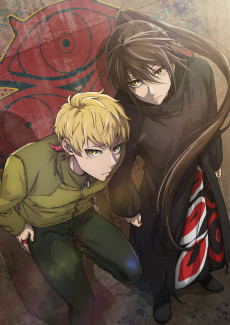
The second season of Kami no Tou: Tower of God.
Ja Wangnan can’t seem to pass the 20th Floor. Even after failing time and time again, he refuses to give up. On his journey, he meets a mysterious and powerful character named Viole. Wangnan invites Viole to join his team of Regulars. Their journey continues with new challenges at every turn.
(Source: Crunchyroll)
📺Anime Details
📝Editorial Analysis
The air in the 20th Floor’s trial chamber doesn’t just feel heavy—it presses. Not with gravity, but with the weight of repetition: Ja Wangnan’s boots scuff the same cracked tile for the third time, his knuckles split and re-healed, his breath shallow not from exhaustion but from the quiet, grinding ache of refusal. He doesn’t rage. He doesn’t weep. He just stands—again—and asks Viole, voice low and steady, “Will you climb with me?” That moment isn’t about power or plot—it’s about the unbearable intimacy of choosing to persist inside a system that has already decided your place.
What makes Tower of God Season 2 vibrate at this frequency isn’t its battles or its tower—it’s how it treats time as both prison and compass. The Time Skip isn’t narrative convenience; it’s psychological erosion made visible. Every failure isn’t a reset—it’s a scar layered over scar, each attempt narrowing the gap between ambition and identity until the question isn’t can he pass?, but who becomes real in the failing? This is where the Conspiracy and Politics tags land—not as backdrop, but as atmosphere. You don’t just watch characters navigate hierarchies; you feel the cold calculus of loyalty in a world where trust is currency and betrayal is arithmetic. The Ensemble Cast isn’t colorful—it’s complicated: alliances shift like fault lines, motivations coil like wire, and even the Anti-Hero’s moral tremors echo with the same quiet dread as Wangnan’s silent, stubborn stance on that floor.
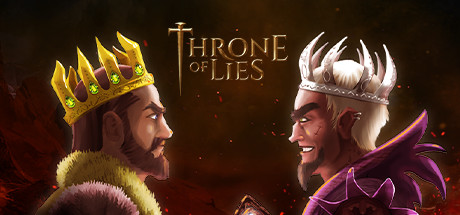
That emotional architecture—the slow burn of institutional pressure, the quiet horror of being watched by unseen architects, the way philosophy leaks through cracks in bureaucracy—resonates sharply with Throne of Lies®: Medieval Politics. Its official description names it a Political Thriller, and player reviews consistently cite how “every conversation feels like a chess move disguised as small talk” and “you’re never sure if your ally is drafting your pardon—or your indictment.” Just like Wangnan rehearsing his pitch to Viole while sensing unseen eyes in the rafters, Throne of Lies® forces players to weigh sincerity against strategy, truth against survival, in a world where ideology is armor and silence is evidence. The JRPG Narrative tag isn’t about tropes—it’s about moral pacing: choices accrue weight not in cutscenes, but in how NPCs’ dialogue shifts across three in-game seasons, mirroring how Wangnan’s relationships deepen not through exposition, but through shared, unspoken fatigue.
And then there’s the Criminal Organization and Gangs texture—the way power isn’t held by crowns or thrones, but by whispered oaths and blood-bound contracts. That same undercurrent hums in Throne of Lies®’s Survival & Crafting layer: forging a dagger isn’t just resource management—it’s preparing for the moment your sworn brother might draw one on you. One reviewer noted, “Crafting a lockpick feels like writing a confession letter—you know what door it opens, and who’ll be waiting on the other side.” It’s the same tension that lives in every glance exchanged between Regulars in Tower of God Season 2, where a shared meal can be diplomacy, a training session can be surveillance, and a single misstep can trigger a purge no one announces—only enforces.
This pairing isn’t for fans of “cool fights” or “big reveals.” It’s for the ones who pause mid-episode to stare at their ceiling, heart tight with recognition—not of fantasy, but of real, slow-burning dread: the kind that lives in office politics, in family expectations, in any system where your value is measured in compliance, not character. It’s for players who replay dialogue trees not to win, but to understand—to trace how a single lie in Throne of Lies® echoes across five acts, just as Wangnan’s refusal to quit the 20th Floor echoes backward into every prior choice, forward into every unspoken vow. They’re drawn to stories where stakes aren’t life-or-death—but self-or-surrender. Where the most dangerous battle isn’t fought with fists or spells, but with the quiet, relentless act of showing up—again, again, again—while the walls watch, and wait, and remember.
🎮1 Games That Match the Vibe
Match Dimensions Explained
❓Frequently Asked Questions
Why does Throne of Lies® feel like watching Tower of God Season 2’s test arcs?
Because Throne of Lies® drops you into cutthroat political trials where alliances shift like Rankers in the Tower—think Jahad’s cold pragmatism or Rachel’s betrayal, all wrapped in tense dialogue choices and consequence-driven quests. Its ‘Survival & Crafting’ layer mirrors the Tower’s resource scarcity during tests, like scavenging for clues mid-‘Hell Train’-style trial while your faction’s trust meter plummets.
Is there a Tower of God Season 2 game adaptation?
No official Tower of God Season 2 game exists yet—but Throne of Lies® is the closest spiritual match, earning an 83 score for its JRPG Narrative depth and Political Thriller tension that mirrors Season 2’s power struggles, especially scenes like the ‘Floor of Death’ negotiations or Baam’s silent defiance under scrutiny.
Throne of Lies® vs. other political RPGs—what makes it stand out for Tower of God fans?
Unlike generic diplomacy sims, Throne of Lies® forces you to navigate layered loyalties like Baam’s early Tower ascent—where every ‘yes’ or ‘no’ in a council chamber echoes his split-second trust calls with Khun or Rak. Its Survival & Crafting system adds visceral stakes missing in most peers, like forging a weapon mid-crisis just as characters scramble for advantage in Season 2’s ‘Tower of Silence’ arc.
What’s the best game like Tower of God Season 2 if I want that intense, morally gray political tension?
Throne of Lies® is your top pick—it nails that Season 2 vibe where no one’s fully good or evil, and every decision ripples like Baam choosing between loyalty and survival. With its 83-scored JRPG Narrative and Political Thriller focus, it recreates key moments: the suffocating weight of Jahad’s decrees, the quiet dread before a floor test, and the thrill of outmaneuvering rivals without swinging a sword.