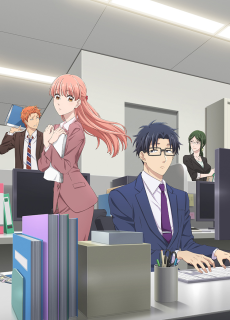
Wotakoi: Love is Hard for Otaku
Having slept through all four of her alarms, the energetic Narumi Momose finds herself running late for her first day of work at a new office. As she races to catch her train, she makes a promise to herself that none of her coworkers will find out about her dark secret: that she is an otaku and a fujoshi. Her plan goes instantly awry, though, when she runs into Hirotaka Nifuji, an old friend from middle school. Although she tries to keep her secret by inviting him out for drinks after work, her cover is blown when he casually asks her whether or not she will be attending the upcoming Summer Comiket. Luckily for her, the only witnesses—Hanako Koyanagi and Tarou Kabakura—are otaku as well.
Later that night, the pair go out for drinks so that they can catch up after all the years apart. After Narumi complains about her previous boyfriend breaking up with her because he refused to date a fujoshi, Hirotaka suggests that she try dating a fellow otaku, specifically himself. He makes a solemn promise to always be there for her, to support her, and to help her farm for rare drops in Monster Hunter. Blown away by the proposal, Narumi agrees immediately. Thus the two otaku start dating, and their adorably awkward romance begins.
(Source: MAL Rewrite)
📺Anime Details
📝Editorial Analysis
The smell of instant coffee gone lukewarm, the soft thunk of a keyboard key depressed one too many times, the way Narumi’s fingers hover over her phone screen—just long enough to open a doujin app, then snap it shut when Hirotaka walks past her desk. That hesitation isn’t shame exactly—it’s the quiet, breath-held weight of carrying two selves: the polished office lady who files expense reports, and the fujoshi who annotates shipping charts in the margins of her notebook. It’s not a dramatic reveal or a tearful confession. It’s the tiny, daily recalibration of identity in plain sight.
What makes Wotakoi: Love is Hard for Otaku vibrate with such rare warmth isn’t its jokes—or even its romance—but its tender exhaustion. This is love and work and fandom lived at mid-tempo: no grand declarations, no life-altering crises, just the low hum of people trying, earnestly, to be seen without collapsing the scaffolding of their adult lives. It’s the melancholy of growing up without shedding your joy—of realizing your otaku heart doesn’t need to be hidden, just held gently, like a fragile save file you’re afraid to overwrite. The show doesn’t romanticize youth; it honors maintenance: keeping relationships, jobs, and hobbies alive—not as triumphs, but as quiet, persistent acts of care.
That same emotional frequency pulses through FINAL FANTASY XIV Online, where player reviews consistently describe “melancholic exploration” not as sadness, but as longing with direction: the ache of traveling across Eorzea’s vast, weathered landscapes while knowing your guild chat will ping with someone asking if you’ve tried the new housing furniture yet. Like Narumi scrolling through fan art during lunch break, FFXIV players move through epic mythos while tending to small, human-scale rituals—crafting a meal for a friend’s character, re-rolling a quest log to help a newbie, whispering lore theories in voice chat after raid night ends. The JRPG narrative doesn’t overshadow daily life—it frames it, giving weight to the ordinary by making it part of something larger, softer, shared.
Monster Hunter: World lands with identical resonance: its “melancholic exploration” isn’t about loneliness—it’s the hush before the Rathalos takes flight, the shared silence between hunters crouched in the Coral Highlands, waiting. You don’t conquer ecosystems—you learn their rhythms, adjust your gear, remember where the Lynian vendor naps, trade notes on how to bait a Nergigante into tripping. Just like Narumi and Hirotaka slowly syncing their commute schedules, or Tanabe and Hanako negotiating whose turn it is to host the next doujin meetup, Monster Hunter’s emotional core lives in coordinated smallness: the trust built not through cutscenes, but through knowing exactly when your partner will flash the “trap ready” signal—and trusting they’ll catch you if you misstep.
And then there’s Atelier Totori ~The Adventurer of Arland~ DX, where “JRPG Narrative” and “melancholic exploration” converge in something profoundly domestic: Totori’s quest isn’t to save the world, but to find her missing sister—by mapping uncharted islands, brewing potions that soothe sore muscles after long days of gathering, and learning that some discoveries take seasons, not cutscenes. Player reviews highlight how the game’s pacing mirrors real-life growth: slow, iterative, full of setbacks that feel less like failure and more like data points. Like Narumi nervously showing Hirotaka her favorite BL manga—then laughing when he recognizes the artist from his own childhood gaming magazine—the Atelier games treat passion as both tender and practical, something that fuels your work and your wonder.
These pairings belong to the person who keeps a half-finished knitting project in their work bag, who bookmarks fanfics but also reads quarterly reports without skimming, who knows the exact moment their favorite game’s day-night cycle shifts—and feels that same shift in their own chest when the office lights flicker off at 7 p.m. They’re for those who love deeply but quietly, who measure joy in saved games, shared snacks, and the rare, unguarded glance across a cubicle wall—soft, real, and enough.
🎮11 Games That Match the Vibe

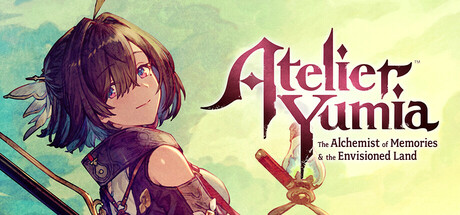
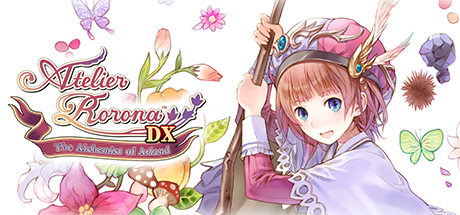

Match Dimensions Explained
❓Frequently Asked Questions
Why does FINAL FANTASY XIV Online show up in 'Games Like Wotakoi: Love is Hard for Otaku' matches?
Because its 'Melancholic Exploration' dimension captures that same bittersweet, character-driven intimacy—like when Yuki and Hirotaka share quiet moments after a tough raid, mirroring Wotakoi’s tender, low-stakes emotional beats. The JRPG Narrative dimension also reflects how FF14 weaves personal growth and relationship-building into its main story arcs, especially in the Heavensward and Shadowbringers expansions where bonds deepen through shared vulnerability.
Is there a Wotakoi visual novel adaptation with dating sim mechanics?
No—but Atelier Totori ~The Adventurer of Arland~ DX comes closest: you play as Totori, an earnest, slightly insecure otaku-adjacent alchemist who builds relationships through collaborative crafting and heartfelt dialogue choices (like choosing to help Rorona instead of grinding materials). Its JRPG Narrative + Melancholic Exploration blend gives that same warm, grounded, 'love-is-complicated-but-worth-it' vibe without anime-style romance routes.
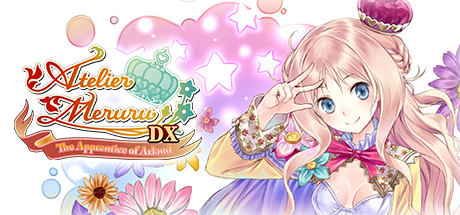
How does Atelier Meruru ~The Apprentice of Arland~ DX compare to Monster Hunter: World for Wotakoi fans?
Both score 73 and 78 respectively on Melancholic Exploration and JRPG Narrative—but Meruru leans into cozy, character-first storytelling (think Meruru’s earnest idol dreams and her evolving bond with Totori), while Monster Hunter: World delivers that vibe through quieter, atmospheric moments—like sitting by the campfire with your handler after a long hunt, sharing stories that feel just as emotionally resonant as Wotakoi’s office banter.
What’s the best game like Wotakoi if I want something comforting and slow-paced, not action-heavy?
Atelier Totori ~The Adventurer of Arland~ DX—it’s all about gentle routines: gathering herbs at dawn, chatting with townsfolk like Rorona or Astrid over tea, and watching friendships bloom through small, meaningful choices. No timers, no combat pressure—just that same soothing, slice-of-life rhythm Wotakoi fans love, wrapped in soft watercolor visuals and understated emotional payoffs.