A Letter to Momo
📺Anime Details
📝Editorial Analysis
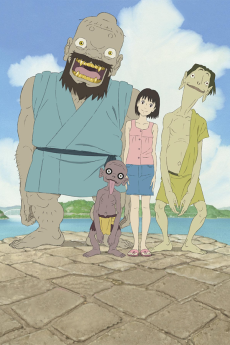
The salt wind off the Seto Inland Sea carries the scent of drying fish and damp concrete, and Momo sits on the porch steps—barefoot, knees drawn up—staring at the unopened letter in her lap. Her mother’s handwriting loops across the envelope like a held breath. She doesn’t open it. Not yet. The silence isn’t empty—it’s thick, humming with the weight of what hasn’t been said, what can’t be unsaid, what lingers just beyond the edge of the dock where the moped leans, rust blooming at its kickstand.
That stillness—that suspended, coastal quiet—is A Letter to Momo’s true language. It’s not about ghosts or youkai as spectacle; it’s about how grief settles into the grain of wooden floors, how loss reshapes the rhythm of daily life until even boiling water feels like an act of courage. The supernatural here isn’t intrusion—it’s accompaniment. The three youkai don’t haunt the house; they fumble through it, clumsy and tender, trying (and failing) to mend what humans broke. You feel the ache of unspoken words, the exhaustion of carrying on, the fragile hope that healing isn’t linear but tidal—receding, returning, leaving something new in the wet sand.
So why does Chains, of all things, resonate? Not because it’s about bubbles—but because of its healing & slow life dimension and that player review calling it “connect 4 in nutshell.” That phrase—in nutshell—captures the same emotional economy: small, deliberate actions accumulating meaning. Linking three bubbles isn’t flashy; it’s tactile, rhythmic, almost meditative—like Momo sweeping the same tatami mat every morning, or refilling the kettle, or watching the tide roll in again. There’s no grand victory screen—just the soft pop of alignment, the quiet satisfaction of order restored, however briefly. It mirrors how A Letter to Momo treats rehabilitation—not as dramatic breakthroughs, but as tiny, repeated choices to show up, to breathe, to let someone else hold space beside you.
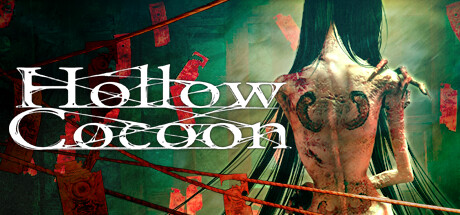
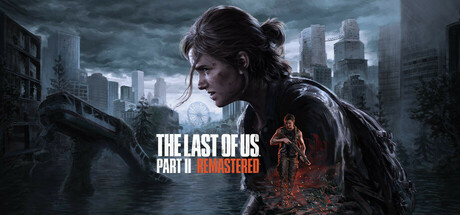
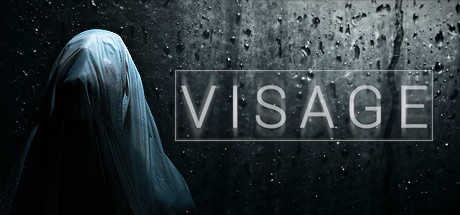
Then there’s Undertale, Layers of Fear 2, Hollow Cocoon, and The Last of Us™ Part II Remastered, all scoring 67 and sharing body horror & occult alongside emotional narrative. At first glance, this seems jarring—no blood, no monsters tearing flesh in A Letter to Momo. But look closer: the body horror isn’t visceral—it’s relational. It’s the way Momo’s throat closes when she tries to speak her father’s name. It’s the uncanny discomfort of seeing your own grief reflected back—not in a mirror, but in the youkai’s fractured, earnest attempts to mimic human warmth. Their awkwardness isn’t comic relief; it’s occult in the oldest sense—hidden, sacred, unsettlingly intimate. Like Layers of Fear 2, where identity unravels in quiet rooms, or Hollow Cocoon, where trauma lives in the architecture of memory, A Letter to Momo locates horror not in the supernatural, but in the failure of embodiment: how hard it is to inhabit your own skin after loss, how terrifying it is to feel anything at all.
And The Last of Us™ Part II Remastered—its body horror & occult dimension isn’t just violence; it’s the physical toll of carrying rage, the way grief calcifies into posture, the way love and vengeance wear the same worn-out jacket. Momo doesn’t swing a pipe, but she holds—her mother’s silence, her grandmother’s stoicism, the youkai’s desperate, misshapen care. That shared emotional narrative dimension isn’t about plot—it’s about pacing, about letting silence last five seconds too long, about trusting the viewer to feel the tremor in a hand reaching for tea instead of explaining it.
This pairing isn’t for people who want catharsis served hot and loud. It’s for the ones who recognize healing as something you fold, like laundry—repetitive, humble, necessary. For the reader who underlines sentences in notebooks not because they’re profound, but because they breathe the same air as their own unspoken thoughts. For the player who lingers in a game’s pause menu not to strategize, but to watch rain blur the window pane—because that blur feels like permission to rest. They’re drawn to stories where the most radical act isn’t saving the world, but sitting still long enough to hear the sea breathe—and then, just once, writing back.
🎮16 Games That Match the Vibe

Match Dimensions Explained
❓Frequently Asked Questions
Why does Chains keep showing up in 'Games Like A Letter to Momo' lists when it’s just a match-3 game?
Good question—it’s not about gameplay similarity, but emotional texture. Chains’ slow, meditative bubble-linking and its focus on healing and quiet progression mirror Momo’s gentle pacing and themes of grief and renewal. Players specifically mention how its minimalist design and soothing rhythm evoke the same calm, reflective mood as Momo’s seaside town scenes and quiet moments with spirits.
Is there a video game adaptation of A Letter to Momo?
No—there’s never been an official video game adaptation of *A Letter to Momo*. The matches you see (like *Chains*, *Undertale*, and *The Last of Us™ Part II Remastered*) aren’t adaptations, but thematic parallels: all share *Momo*’s emphasis on emotional narrative and dealing with loss, even if their settings and mechanics differ wildly—from bullet-hell pacifism in *Undertale* to the raw, intimate storytelling in *Part II*.
How does Hollow Cocoon compare to A Letter to Momo in terms of tone and spirit?
Both lean into quiet melancholy and spiritual ambiguity—but *Hollow Cocoon* leans harder into body horror and occult unease, like the unsettling transformations in its ‘Cocoon’ sequences, whereas *Momo* balances sorrow with warmth and whimsy (think of the three goofy, half-formed spirits who bicker over snacks). Still, fans of *Momo*’s emotional weight often cite *Hollow Cocoon* for its similarly restrained, dialogue-light storytelling and focus on unresolved grief.
What’s the best game like A Letter to Momo if I want that same gentle, healing vibe—not the scary or intense stuff?
Go straight to *Chains*: it’s the only match scoring high on ‘Healing & Slow Life’ (not Body Horror or Occult), and players consistently describe its bubble-linking as ‘meditative’ and ‘restorative’—exactly like watching Momo sketch in her notebook or walk along the cliffs at sunset. None of the other matches (*Undertale*, *Layers of Fear 2*, etc.) prioritize that soft, nurturing pace—they’re emotionally rich, but tonally heavier.