Chains
Chains is a relaxing arcade match 3 casual game. The object of the game is simple, link adjacent bubbles of the same color into chains. The challenge comes from increasingly difficult physics-driven levels. Chill, relax, and unwind with psychedelic Chains.
🎮Game Details
💬What Players Say
"Reminds me of connect 4 in nutshell. - Basically link 3 or more of the same color and clear enough till you can proceed and hit the next stage, - Despite three difficulty modes it's a simple puzzle game - Nice music - I don't find it particularly relaxing. - I can't recommend as it personally just felt too boring for a puzzle game...."
📝Editorial Analysis
The first time the bubbles float—not drop, not snap, but drift—like dandelion seeds caught in slow sunlight, you exhale without realizing you were holding your breath. That’s Chains: no timers, no explosions, no frantic swiping—just the soft pop of three lavender spheres aligning, then four, then five, as gravity tugs them downward with dreamlike reluctance. The official description calls it “physics-driven,” and yes—there’s weight, momentum, subtle bounce—but what lingers isn’t the challenge, it’s the pause: that suspended half-second before a chain collapses into shimmering particles, dissolving like sugar in warm tea. A player puts it plainly: “Reminds me of connect 4 in nutshell”—not in speed or stakes, but in that same quiet, tactile satisfaction of seeing intention take shape, one deliberate link at a time.
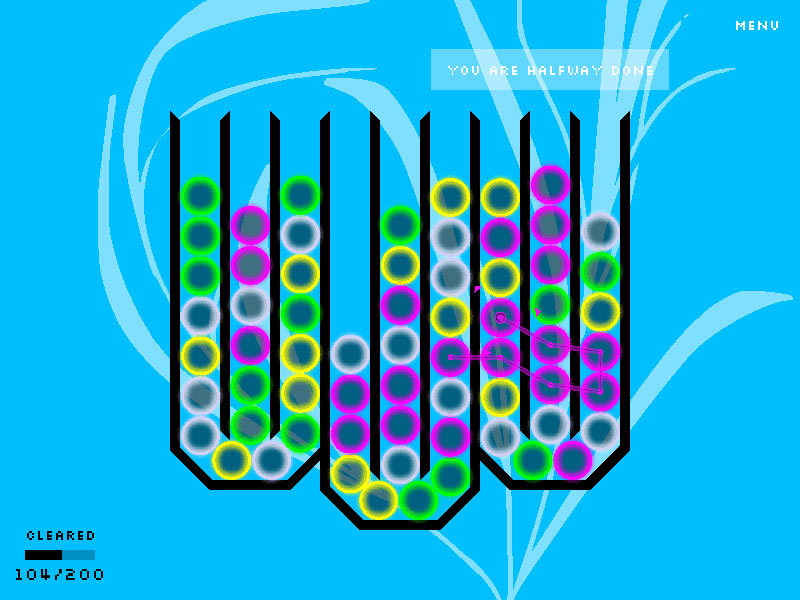
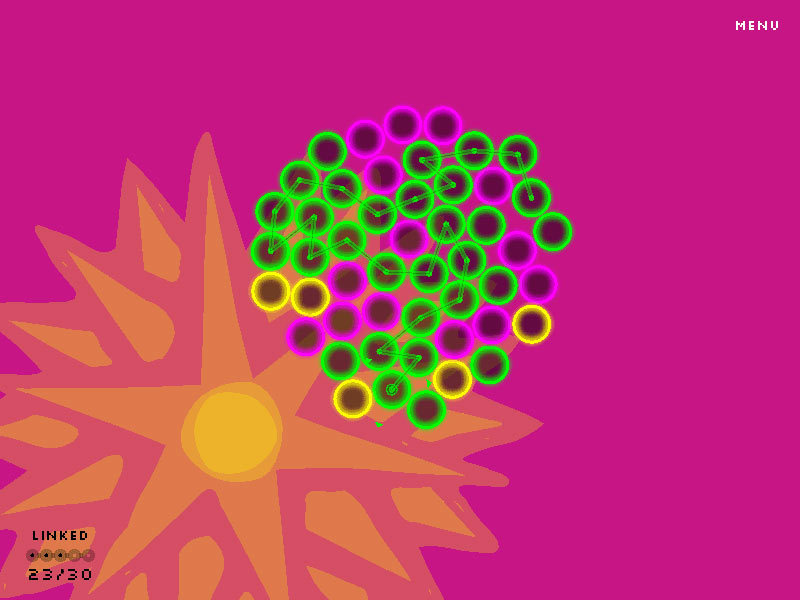
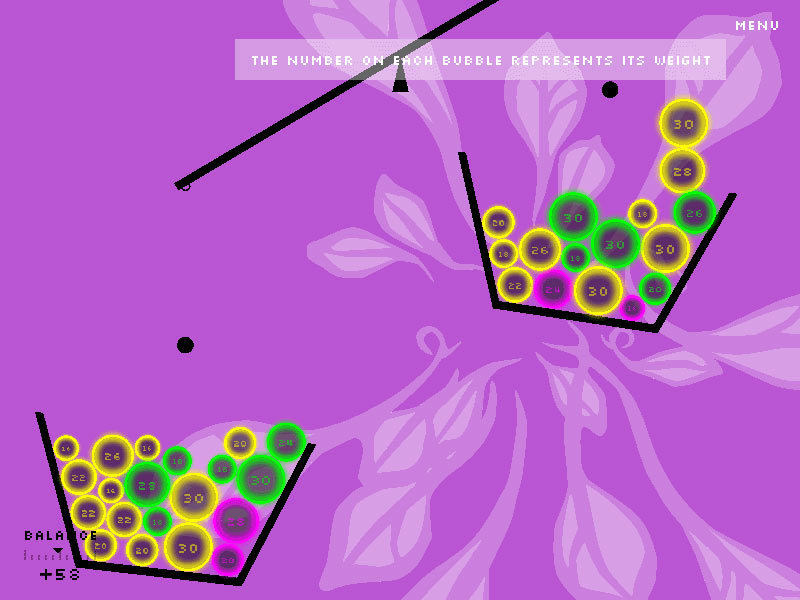
What makes Chains singular isn’t its match-3 bones—it’s how it unspools tension instead of building it. Most puzzle games sharpen your nerves; this one blurs their edges. The psychedelic palette doesn’t scream—it humms, low and steady, like light through stained glass at noon. You’re not solving to win—you’re arranging to breathe. There’s no penalty for hesitation, no fail state, no score chasing—just the gentle accumulation of clarity, level after level, as if each cleared chain is a thought gently set aside. It asks nothing of you but presence—and in return, offers stillness, warmth, continuity. You don’t conquer the game. You settle into it, like sinking into a favorite armchair after a long day, watching dust motes dance in a sunbeam.
That same emotional architecture pulses through Frieren: Beyond Journey’s End Season 2, where silence isn’t empty—it’s layered with memory, grief, and tenderness held so softly it feels sacred. Like Chains, Frieren moves with unhurried gravity: a glance held a beat too long, a teacup lifted with care, seasons turning without fanfare. Both trust slowness as narrative force—not as filler, but as vessel. When Frieren watches snow fall on a grave, or when you watch a cascade of amber bubbles settle into perfect alignment, the feeling is identical: reverent, grounded, enough.
Then there’s BOCCHI THE ROCK!, which shares Chains’s quiet genius for transforming small, precise actions into emotional catharsis. Bocchi’s trembling hand reaching for a guitar pick mirrors the deliberate tap-and-hold needed to nudge a stubborn cyan bubble just so—both acts are vulnerable, intimate, and deeply human. Neither story nor game shouts its feelings; they let them gather, like dew on a leaf, until the weight becomes luminous. The healing here isn’t dramatic—it’s cumulative, built from tiny, repeated choices to try again, to connect, to stay soft in a world that rarely rewards it.
And Barakamon—oh, Barakamon—where ink blots bloom across paper like spilled dye in water, where a child’s laughter echoes across rice fields, where time stretches and softens like warm honey. Its aesthetic is textural: the grain of wood, the grit of soil, the slight resistance of a brushstroke. So is Chains’s physics—bubbles don’t vanish; they settle, wobble, merge, obeying a logic that feels organic, not algorithmic. Both understand that healing isn’t about fixing—it’s about attending: to the curve of a line, the weight of a pause, the way light catches the edge of something small and bright.
This pairing isn’t for the adrenaline-chaser or the lore-deep diver. It’s for the person who replays the same 90-second piano loop while staring out a rain-streaked window. For the one who saves a single perfect fallen cherry blossom between the pages of a book. For the reader who underlines sentences not because they’re profound, but because they land—quietly, exactly right. It’s for anyone who’s ever needed to remember that softness isn’t weakness, that slowness isn’t stagnation, and that sometimes, the most radical act is simply letting things drift, link, pop, and rest.
→254 Anime That Match the Vibe

Hitori’s trembling hands hovering over her guitar strings—frozen mid-strum, breath caught—mirror the precise, anxious focus required to nudge a wobbling bubble into alignment in *Chains*. Unlike most match-3 games that reward speed, *Chains* embraces slowness and micro-adjustments, echoing *BOCCHI THE ROCK!*’s Season 2 emphasis on quiet emotional labor over explosive payoff. This shared commitment to 🌻 Healing & Slow Life transforms tension into tenderness: every linked bubble, every whispered “Ah…”, becomes a small, hard-won act of connection.
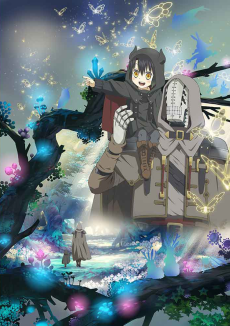
Golem’s quiet, deliberate act of weaving a basket for Somali mirrors the tactile focus required to chain bubbles in *Chains*—a shared reverence for small, intentional gestures amid fragility. Unlike most fantasy adventures, *Somali and the Forest Spirit* anchors its emotional narrative in slow-life healing, much like how *Chains* uses gentle physics and rhythmic linking to soothe rather than stress. This resonance feels quietly radical: two works where survival isn’t about conquest, but careful crafting of safety, one bubble or one basket at a time.

The kind of world you want to live in — slow mornings, simple joys, and deep connections.

The kind of world you want to live in — slow mornings, simple joys, and deep connections.
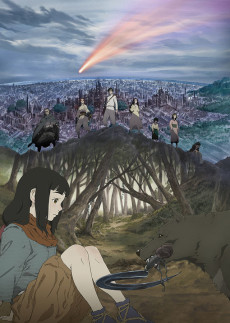
The kind of world you want to live in — slow mornings, simple joys, and deep connections.

Frieren’s quiet moments—like her solitary walk through autumnal forests, pausing to watch leaves drift—mirror Chains’ tactile calm: each deliberate bubble-link feels like a breath held, then released. Unlike most match-3 games, Chains resists urgency; similarly, Season 2 deepens the anime’s 🌻 Healing & Slow Life ethos by lingering on small rituals—brewing tea, mending a cloak—where time bends gently around grief. This shared reverence for slowness as emotional architecture makes their resonance unexpectedly profound.
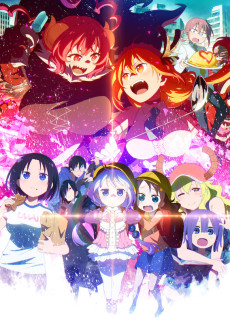
Tohru’s chaotic yet tender attempts to fold laundry—balancing dragon strength with domestic care—mirror Chains’ gentle physics: each bubble wobble feels like her tail knocking over teacups. 🌻 Healing & Slow Life emerges not in perfection, but in the quiet rhythm of trying again—linking colors, folding socks, breathing through small failures. Unlike most fantasy comedies, *S* deepens emotional resonance by grounding Tohru’s vulnerability in mundane acts, just as Chains transforms simple matching into a meditative practice of patience and presence.

Seishuu Handa’s quiet morning ritual—grinding ink by hand, breath syncing with brushstroke—mirrors the meditative focus of linking bubbles in *Chains*, where physics nudges color clusters into gentle, inevitable alignment. 🌻 Healing & Slow Life pulses through both: Handa’s island relearning of patience echoes the game’s refusal to rush, its chains forming not through speed but sustained, tactile attention. Unlike most match-3 games, *Chains* rewards stillness; unlike typical anime arcs, *Barakamon*’s emotional growth blooms in uneventful moments—like Handa silently watching children play, just as a player watches bubbles settle into harmony.

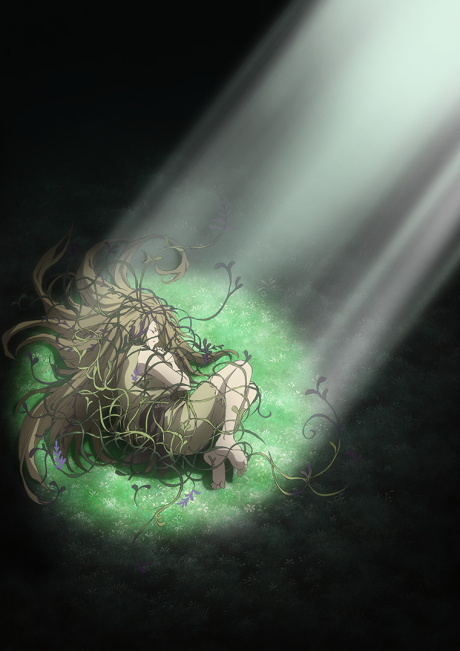
Both *Chains* and *Sankarea: Undying Love* breathe the same hushed, sun-dappled air of quiet healing—where grief isn’t dramatized but tenderly held in stillness: a shared cup of tea on a porch swing, fingers brushing while tending rooftop plants, the slow unfurling of trust across rain-streaked windows. Their visual grammar leans into soft focus, warm amber lighting, and deliberate pacing that ...

The kind of world you want to live in — slow mornings, simple joys, and deep connections.












































































![Fate/stay night [Heaven’s Feel] III. spring song](https://s4.anilist.co/file/anilistcdn/media/anime/cover/large/bx21719-MSdTlkno0Z0u.jpg)



























![Fate/stay night [Heaven's Feel] II. lost butterfly](https://s4.anilist.co/file/anilistcdn/media/anime/cover/large/bx21718-Hjj26Sapx1bd.jpg)



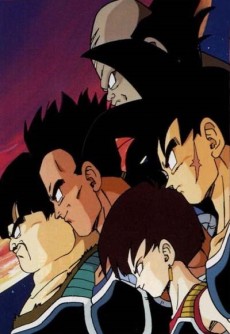

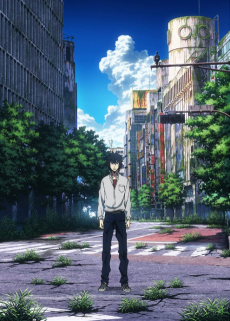
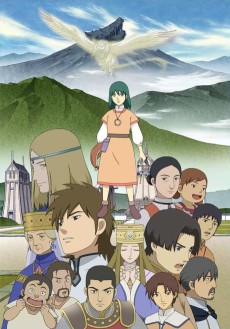
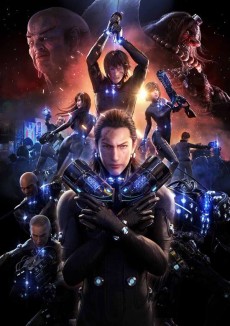











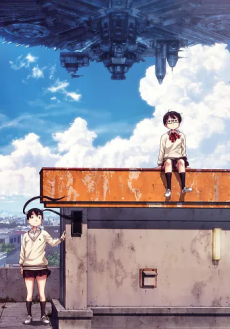



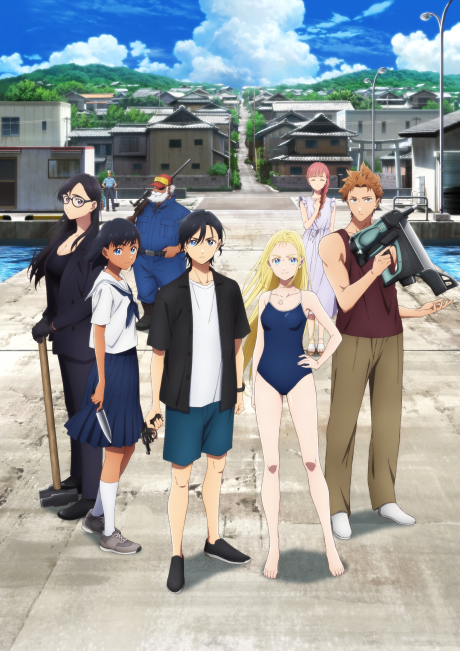
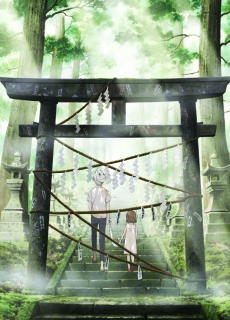
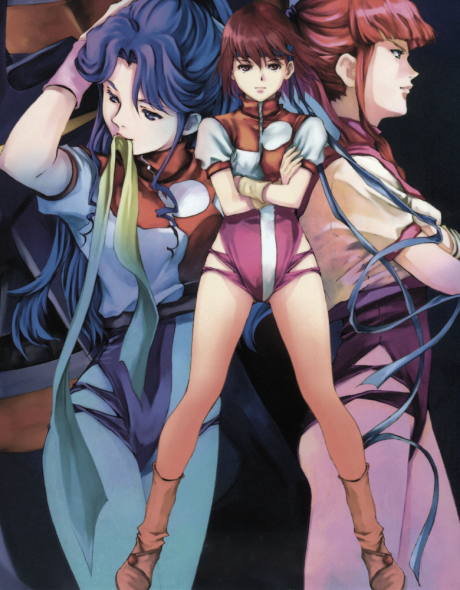



































Match Dimensions Explained
❓Frequently Asked Questions
Why does Frieren: Beyond Journey’s End Season 2 match Chains so well?
Because both unfold at a gentle, intentional pace—like Frieren quietly sipping tea while reflecting on centuries of memories, or that slow pan across the autumn forest in episode 3—mirroring how Chains asks you to pause, observe bubble physics, and build calm, deliberate chains instead of rushing. It’s the same healing + slow life energy: no urgency, just presence and emotional resonance.
Is there an anime adaptation of Chains?
Nope—Chains is purely a mobile puzzle game, not based on any anime or manga. But fans keep drawing parallels to shows like Barakamon, where Shinjo’s gradual reconnection with rural life (think him patiently fixing a broken fence or sharing miso soup with villagers) echoes Chains’ soothing rhythm and emphasis on small, meaningful progress over time.
How is BOCCHI THE ROCK! similar to Chains when both feel so chaotic at first glance?
Great question! BOCCHI’s anxiety spirals—like her frantic inner monologue during the band’s first practice or that iconic ‘wallpaper’ meltdown—are balanced by deeply grounding moments: Ryo calmly tuning her bass, Kita offering silent support with mochi, or the warm glow of their cramped practice room. That exact contrast—gentle stability beneath surface chaos—is what Chains nails too, with its colorful, floating bubbles and forgiving, physics-led chain-building.
What’s the best anime like Chains if I want something comforting after a stressful day?
Go straight to Bunny Drop—you’ll feel instantly wrapped in warmth, like Daru holding Rin as she falls asleep on the train, or their quiet evenings cooking curry together. Just like Chains’ chill soundtrack, soft visuals, and zero penalties for taking your time, Bunny Drop delivers pure healing & slow life vibes without drama or deadlines—perfect for unwinding.