
Naruto
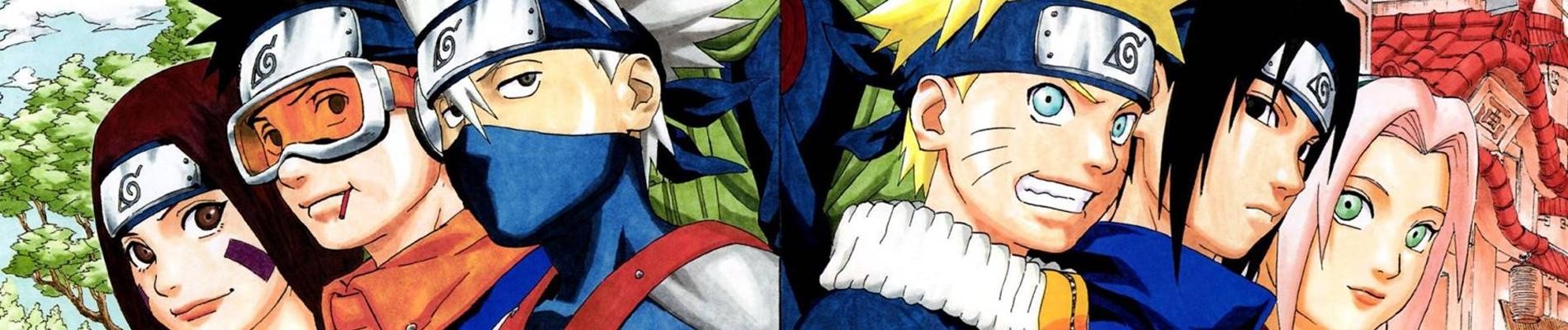
Naruto Uzumaki, a hyperactive and knuckle-headed ninja, lives in Konohagakure, the Hidden Leaf village. Moments prior to his birth, a huge demon known as the Kyuubi, the Nine-tailed Fox, attacked Konohagakure and wreaked havoc. In order to put an end to the Kyuubi's rampage, the leader of the village, the 4th Hokage, sacrificed his life and sealed the monstrous beast inside the newborn Naruto.
Shunned because of the presence of the Kyuubi inside him, Naruto struggles to find his place in the village. He strives to become the Hokage of Konohagakure, and he meets many friends and foes along the way.
(Source: MAL Rewrite)
📺Anime Details
📝Editorial Analysis
The first time Naruto punches the ground—knees buckling, knuckles splitting, tears cutting clean tracks through dust and blood—it’s not rage that cracks open the air. It’s loneliness, raw and animal, vibrating in the silence after the impact. You feel it in your molars. That moment isn’t about strength—it’s about a boy whose very existence is treated as contamination, whose scream echoes across empty training fields because no one’s left to hear it.
That’s the atmosphere: not shinobi spectacle, not chakra flares or Rasengan spirals—but the weight of being seen as a vessel before you’re ever seen as a person. Naruto doesn’t trade in mythic distance; it lives in the grit under fingernails, the ache behind forced grins, the way hope has to be rebuilt daily, brick by trembling brick. It makes you think about how identity forms not in triumph, but in the quiet, stubborn refusal to let others define your worth—even when they’ve sealed a monster inside you and called it your name.
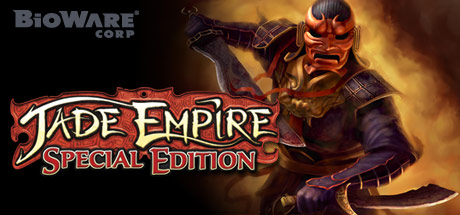
Three games from the list resonate—not because they replicate ninja lore, but because they echo that same emotional architecture. Jade Empire™: Special Edition, with its core choice between “open palm” and “closed fist,” mirrors Naruto’s central tension: how do you hold onto compassion without breaking? The description says you step into the role of an aspiring martial-arts master—not a born legend, but someone learning restraint, discipline, and moral gravity through sweat and consequence. A player notes it’s “fantastic,” even if launching demands technical gymnastics—a detail that ironically parallels Naruto’s own struggle: brilliance buried beneath layers of friction, misunderstanding, and systems not built for him.
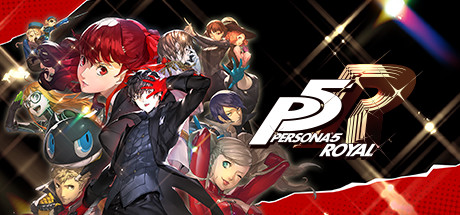
Then there’s Persona 5 Royal, where the protagonist leads the Phantom Thieves of Hearts, a group that doesn’t just fight monsters—but changes people’s hearts through confrontation, empathy, and relentless self-redefinition. Its description highlights dungeon crawling, party customization, and Persona fusion: all metaphors for integration—the messy, non-linear work of stitching together fractured selves. The player review praises its stunning soundtrack and seamless transition between daily life—exactly the rhythm Naruto uses: intense battles punctuated by ramen-shop banter, schoolyard failures, and quiet walks home under indifferent sunsets. Both understand that growth isn’t linear—it’s cyclical, musical, deeply personal.
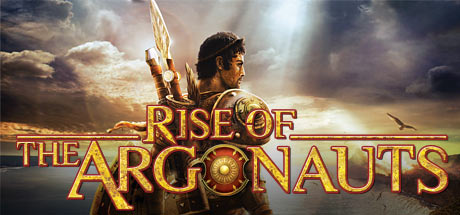
And Rise of the Argonauts, though rooted in Greek myth, shares something quieter but vital: its protagonist vows to do anything to restore her life after she’s killed on their wedding day. That vow isn’t just plot—it’s the emotional engine. Like Naruto’s promise to bring Sasuke back, it’s love weaponized into purpose, grief transformed into motion. The player review says it “does [ancient history] right”—but what it really does right is honor the devastation of loss without letting it erase agency. Jason doesn’t become a god. He becomes a man who rows harder.
None of these games are ninja stories. None feature chakra or headbands. But each carries the same unspoken truth Naruto breathes into every frame: that power means nothing unless it’s forged in vulnerability, tested in rejection, and finally offered—not as control—but as recognition. Not “I am strong.” But “I am here. And I choose to stay.”
This pairing sings loudest for the viewer who still remembers how it felt to sit alone at lunch, sketching jutsu in a notebook no one would read—and for the player who boots up a game not for loot, but for the rare, electric moment when a character’s voice cracks mid-sentence and you whisper, “Yeah. Me too.”
🎮44 Games That Match the Vibe









Match Dimensions Explained
❓Frequently Asked Questions
Why is Rise of the Argonauts listed as similar to Naruto when it’s about Greek myths?
Great question—it’s not about the setting, but how it mirrors Naruto’s core emotional beats: Jason’s vow to resurrect his murdered fiancée echoes Naruto’s relentless devotion to bringing Sasuke back, and both games frame personal growth through high-stakes action spectacles (like Jason’s mythic boss fights against Medusa or the Minotaur). Reviewers even noted it ‘does ancient history right’ the same way Naruto nails shonen emotional escalation.
Is there a Naruto game adaptation with actual ninjutsu combat and chakra mechanics?
No official Naruto game matches that exact combo *and* appears on this list—but Jade Empire™: Special Edition comes closest in spirit: you master martial arts styles like Open Palm (non-lethal, flowing) or Closed Fist (brutal, decisive), build relationships that shift story outcomes, and face morally complex choices—just like Naruto’s ‘talk-no-jutsu’ moments or Sage Mode training arcs. It’s JRPG narrative + emotional stakes, not licensed ninja gear.
How does Jade Empire compare to Persona 5 Royal for someone who loves Naruto’s character bonds and school-life balance?
Both nail emotional narrative, but Jade Empire leans into martial-arts mastery and wuxia-style destiny (think Tsunade’s legacy or Kakashi’s past arcs), while Persona 5 Royal mirrors Naruto’s dual rhythm—school days building Confidants (like Team 7’s trust) and late-night dungeon crawling (like Akatsuki missions). Player reviews praise P5R’s ‘seamless transition between daily life…’ and Jade Empire’s choice-driven path—so if you crave Naruto’s heart *and* hype, start with P5R; if you want quieter, Eastern-philosophy depth, go Jade Empire.
What’s the best ‘Naruto vibe’ game here if I’m in the mood for intense action + mythic weight—not anime cuteness?
Rise of the Argonauts is your pick: it’s got the same adrenaline-fueled spectacle as Naruto’s Nine-Tails or Pain arcs—massive set-piece battles, weapon-based combos, and mythic stakes (Jason literally sails the world to cheat death). Its 85 score and review calling it ‘right for ancient history fans’ confirms it delivers that grounded-yet-epic tone—no chibi moments, just sweat, sacrifice, and sword-swinging gravitas.