Valheim
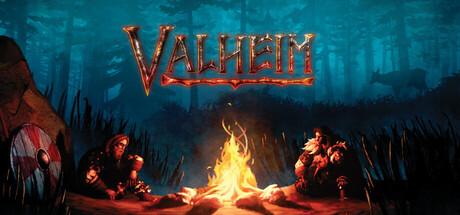
A brutal exploration and survival game for 1-10 players, set in a procedurally-generated purgatory inspired by viking culture. Battle, build, and conquer your way to a saga worthy of Odin’s patronage!
🎮Game Details
💬What Players Say
"“It’s like Minecraft but instead of punching trees you spend 40 minutes looking for the perfect tree, then a troll destroys your entire house, then you sail for 2 hours just to get killed by a sea snake the size of a school bus. 10/10. Early game: "wow this is cozy...."
"I can 100% understand why people would not like this game, but after playing it for so long, this game is honestly one of my top three. In short; I hate this game but absolutely adore this game. It is a hard game...."
"Valheim genuinely surprised me. I'm not a huge fan of open world survival crafting games. They're not really my thing and I don't find much enjoyment out of them, the only exception to me being Terraria...."
📝Editorial Analysis
The wind howls across a frozen fjord at dusk, your torch sputtering as you crouch behind the half-finished wall of your longhouse—wood still raw, joints uneven—while something massive thuds in the distance. You spent forty minutes choosing that oak. Then the troll came. Not with fanfare, not with music, just thud-thud-THUD, and then splinters. You reload your saved world, but the map is already changed: the sea you sailed for two hours to reach that black stone cliff? Gone. Replaced by fog, kelp, and the quiet dread of another drowned corpse bobbing near your wrecked boat. This isn’t failure—it’s purgatory. Brutal. Procedural. Unforgiving. And yet—you keep building. Because Odin isn’t watching your wins. He’s watching whether you sing your name into the storm.
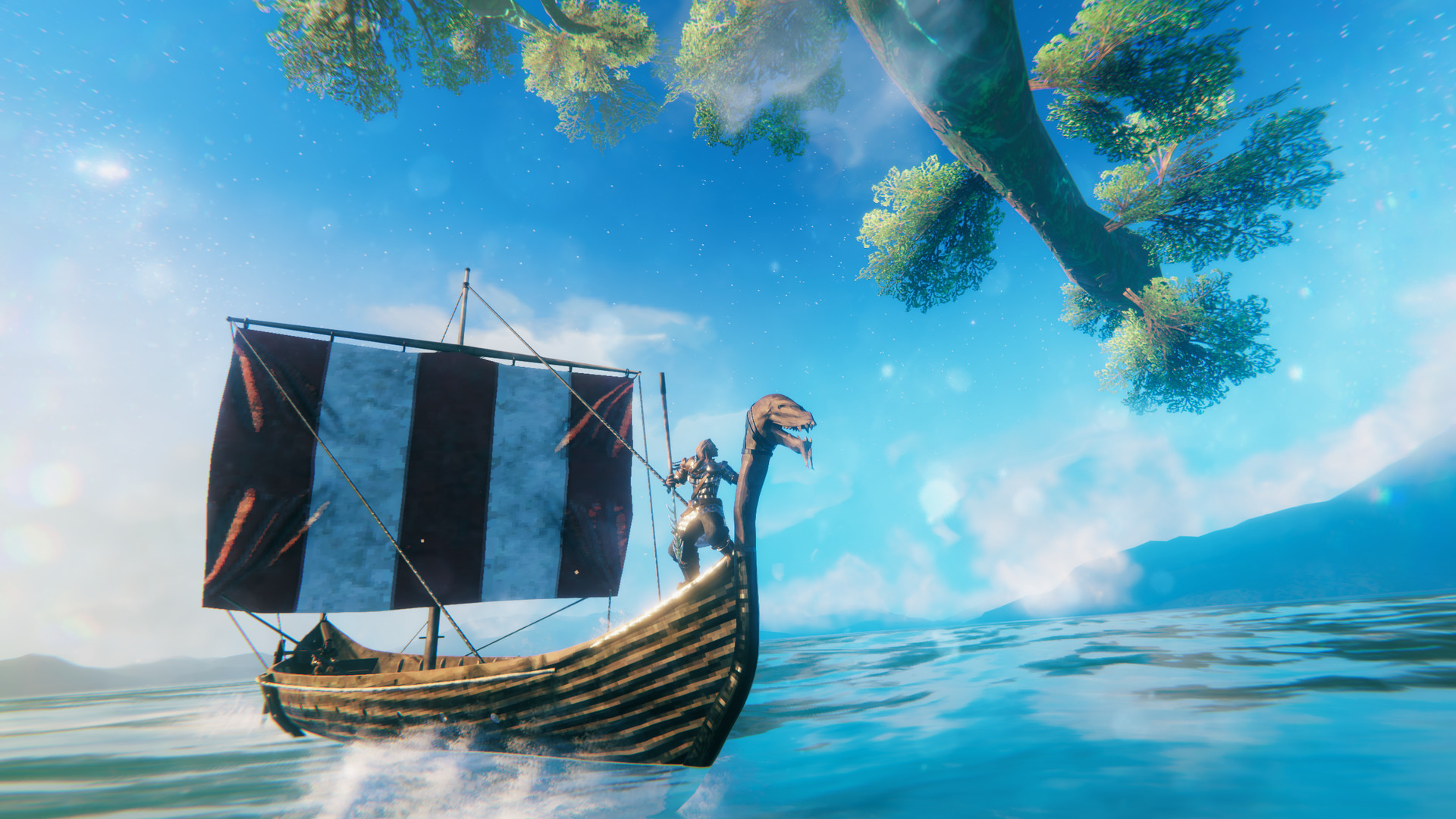
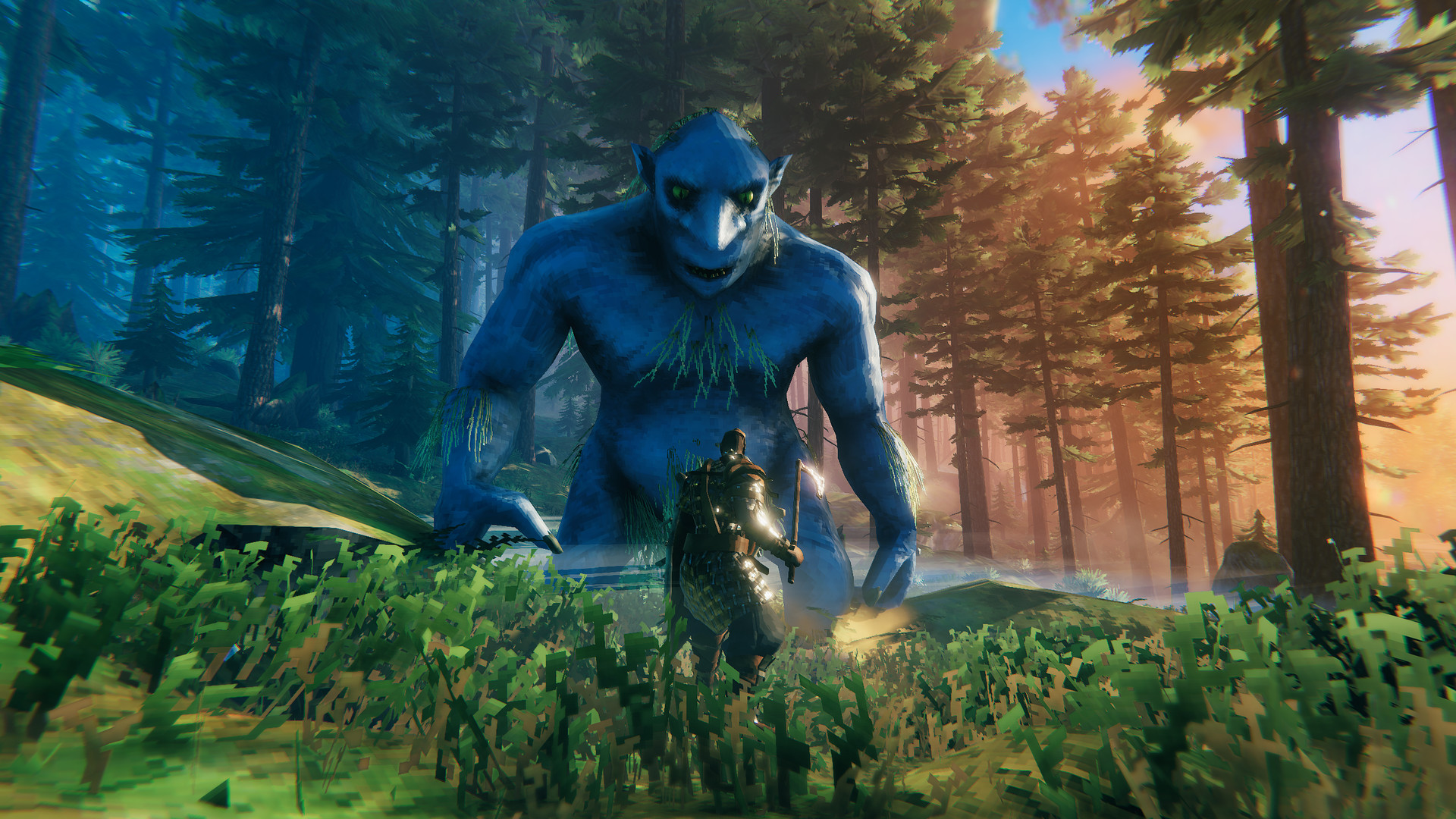
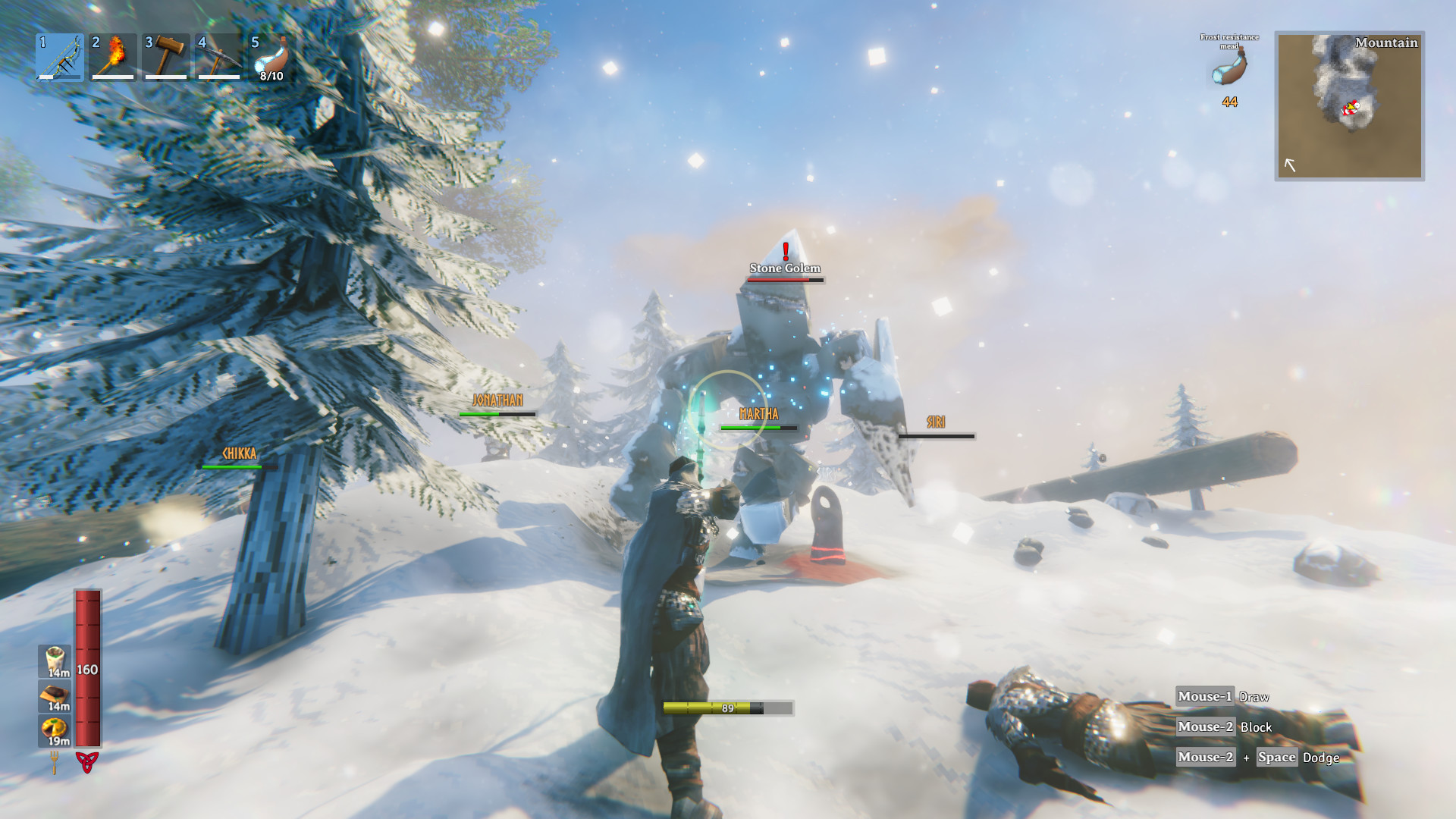
That’s the feeling Valheim gives you—not triumph, but resonance. It’s the weight of wood grain under your fingers, the exhaustion in your shoulders after dragging a mast across tundra, the hollow satisfaction of lighting your first hearth fire while wolves circle just beyond torchlight. It’s not about surviving despite the world—it’s about surviving with it, learning its grammar: how frost lingers in valleys, how mist hides draug, how every biome breathes with its own slow, mythic logic. There’s no tutorial voice. No quest marker. Just wind, water, and the quiet insistence of your own heartbeat syncing to the rhythm of hammer on iron, axe on pine. You don’t conquer terrain—you negotiate it. And in that negotiation, something ancient stirs: not nostalgia, but recognition. A sense that this struggle—raw, cyclical, unglamorous—is how sagas begin. Not with glory, but with grit.
Fate/Zero Season 2 shares that same bone-deep resonance. Not because of flashy Noble Phantasms—but because of Kiritsugu’s cold calculus in the snowy ruins of Fuyuki, his hands bleeding from digging through rubble not for treasure, but for a single usable bolt, his shelter a patched-up basement lit by candle stubs. The dimension “Survival & Crafting” here isn’t about inventory management—it’s about resource-as-morality: every nail hammered, every ward drawn, every bullet reloaded is a choice made in the shadow of inevitability. Like Valheim’s procedural purgatory, the Holy Grail War offers no safe harbor—only layered mythologies where gods, ghosts, and men bleed into one another, and every victory smells faintly of ash.
Mirai Nikki OVA lands with similar dissonant force—not through spectacle, but through isolation-as-crafting. Yukiteru’s notebook isn’t a tool; it’s a trembling scaffold he rebuilds daily, line by frantic line, as reality fractures around him. His “base” isn’t a longhouse—it’s a closet, a stairwell, a flickering phone screen—and yet he curates it, annotates it, defends it like sacred ground. The “Mythology & Folklore” dimension isn’t gods on Olympus, but urban legends given teeth: Yuno as folklore incarnate, the Diary Game as a twisted Eddic prophecy rewritten in blood and SMS. Both Valheim and Mirai Nikki refuse catharsis. They offer only continuation: you rebuild, you rewrite, you sail again—even when the sea eats your boat, even when the future erases your name.
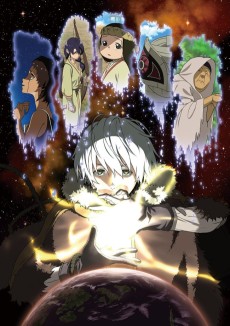
And then there’s To Your Eternity, whose melancholic exploration mirrors Valheim’s most haunting truth: time is the real biome. Fushi doesn’t level up—he accumulates. A stone, a wolf pelt, a child’s voice—all become part of his body, his memory, his unspoken grief. When he sits on a cliff overlooking an endless, unnamed ocean, sketching constellations in wet clay, it’s the same gesture as placing that final roof beam at twilight—quiet, ritualistic, tender in its futility. The “Melancholic Exploration” dimension isn’t sadness—it’s presence. The ache of knowing you’ll outlive every fire you light, every friend you carve into wood, every map you draw in charcoal on birch bark.
This pairing sings loudest for the person who keeps a chipped mug beside their keyboard—not because it holds coffee, but because it holds memory. For the player who names their boats Hrafn and Sigrun, then watches them sink without rage, only quiet recalibration. For the viewer who rewatches Fuyuki’s snowfall not for plot, but for the way Kiritsugu exhales steam into the cold—alive, exhausted, still here. These aren’t stories about winning. They’re about witnessing: yourself, the world, the slow, stubborn act of making meaning—one imperfect, necessary thing at a time.
→65 Anime That Match the Vibe
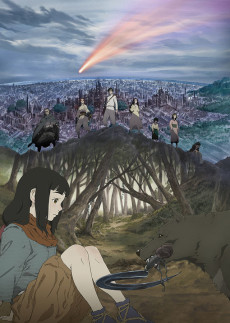
Build, survive, thrive — the satisfaction of carving out your place in a hostile world.
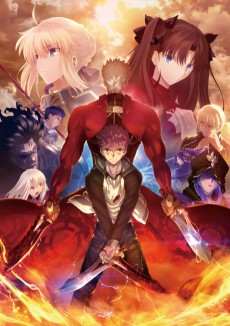
Build, survive, thrive — the satisfaction of carving out your place in a hostile world.
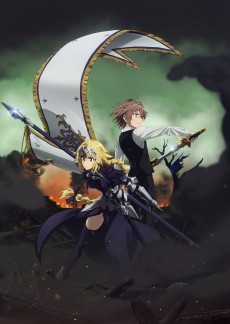
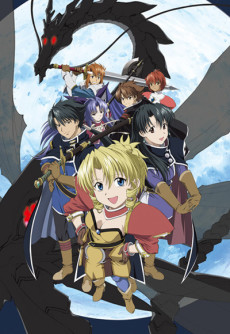
Odin’s grim purgatory and the fractured Holy Grail War in *Fate/Apocrypha* both treat myth not as static legend but as raw, contested terrain—where survival hinges on reading runes or negotiating pacts with volatile Heroic Spirits. Unlike most fantasy, neither offers safe reverence: Valheim’s frost giants shatter bases mid-craft, while Sieg’s desperate bargain with Astolfo echoes the game’s brutal risk-reward loop in 🔨 Survival & Crafting. That shared tension—mythology as unstable, demanding labor rather than passive spectacle—makes their resonance startlingly visceral.
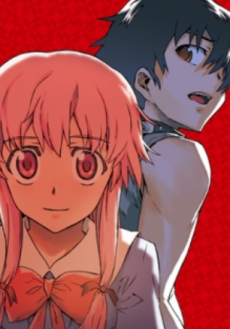
Yukiteru’s trembling hands typing frantic entries into his cell phone diary—alone in a collapsing apartment as time fractures—echo the visceral urgency of hammering a crude wooden wall against a howling Fog of War in Valheim. Unlike most survival narratives, neither offers divine reassurance: Odin’s purgatory and Yuno’s twisted game demand craft as defiance, not comfort. This OVA’s claustrophobic, handheld realism makes its mythic stakes feel terrifyingly personal—just as Valheim’s procedural bleakness grounds Norse legend in splintered wood and bleeding fingers.
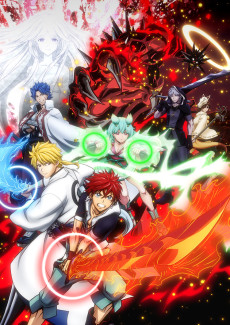
Build, survive, thrive — the satisfaction of carving out your place in a hostile world.
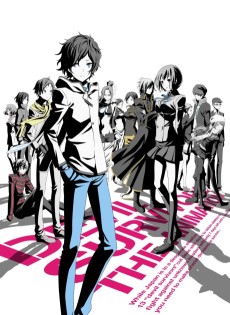
Build, survive, thrive — the satisfaction of carving out your place in a hostile world.
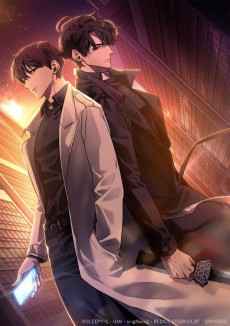
Build, survive, thrive — the satisfaction of carving out your place in a hostile world.
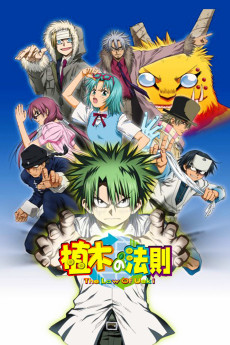
Build, survive, thrive — the satisfaction of carving out your place in a hostile world.

Build, survive, thrive — the satisfaction of carving out your place in a hostile world.
Build, survive, thrive — the satisfaction of carving out your place in a hostile world.



![Fate/stay night [Heaven's Feel] I. presage flower](https://s4.anilist.co/file/anilistcdn/media/anime/cover/medium/bx20791-yPCX5GJuMH2k.png)
![Fate/stay night [Heaven’s Feel] III. spring song](https://s4.anilist.co/file/anilistcdn/media/anime/cover/large/bx21719-MSdTlkno0Z0u.jpg)


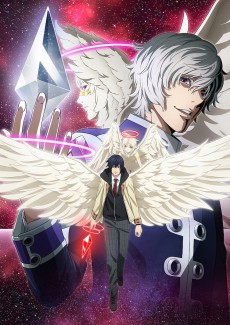

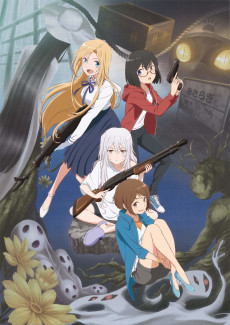
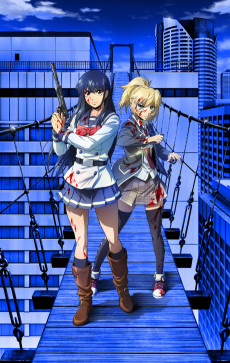
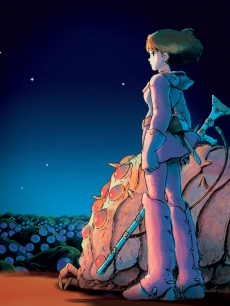
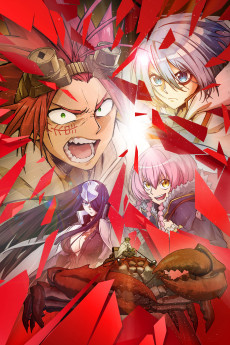

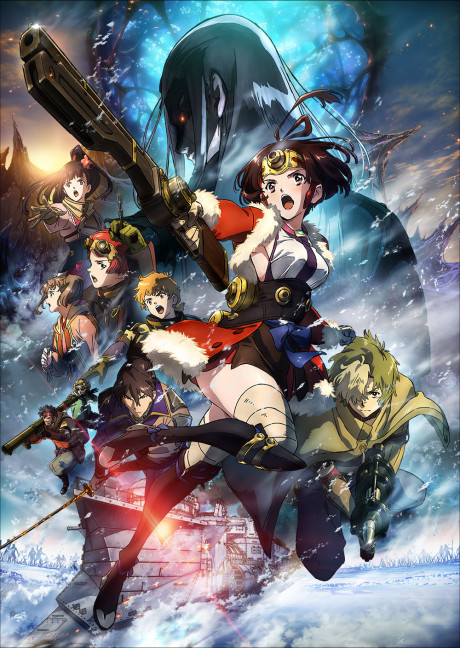
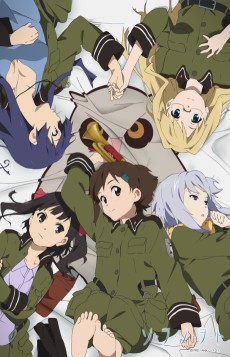
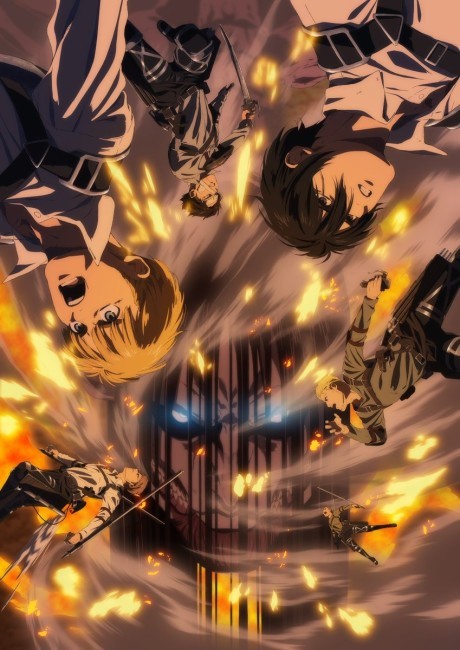













Match Dimensions Explained
❓Frequently Asked Questions
Why is Fate/Zero Season 2 recommended for Valheim fans?
Because both drop you into a harsh, myth-soaked world where survival hinges on resourcefulness—not just combat. Think Kiritsugu’s brutal pragmatism in the Fourth Holy Grail War: he scouts terrain, improvises traps, and builds safehouses mid-crisis, just like you frantically reinforcing your longhouse before a troll siege. The Norse-inspired lore and grim stakes (Odin’s judgment / the Holy Grail’s corruption) hit that same weighty, folklore-tinged tension.
Is there an anime adaptation of Valheim?
No—Valheim has no official anime adaptation (and no announcements as of 2024). But if you’re craving that same vibe, To Your Eternity nails the melancholic exploration and slow-burn survival: Fushi’s journey across frozen tundras, learning to build shelter from scratch, and confronting ancient, godlike entities mirrors Valheim’s procedural purgatory—just with zero crafting menus and way more tears.
How does Mirai Nikki OVA compare to Fate/stay night: Unlimited Blade Works for Valheim fans?
Mirai Nikki OVA leans harder into desperate, high-stakes survival—Yuno’s scavenging, makeshift weapons, and constant environmental threats feel like surviving a Frost Cave raid without proper gear. UBW, meanwhile, mirrors Valheim’s ‘build-to-battle’ rhythm: Shirou’s workshop scenes where he reforges swords and reinforces his base before facing Berserker echo those 90-minute sessions hammering stone walls while listening for Greydwarf grunts outside.
What’s the best anime like Valheim for that ‘hate-it-but-can’t-stop-playing’ mood?
To Your Eternity—it captures that exact love-hate duality: Fushi’s repeated, heartbreaking failures (drowning, freezing, getting devoured) mirror how you’ll rage-quit after losing your entire base to a single sea serpent… then immediately boot up to rebuild. Its quiet, persistent melancholy and slow mastery—like learning to read the land’s rhythms—hits the same emotional core as Valheim’s ‘I hate this game but absolutely adore this game’ loop.