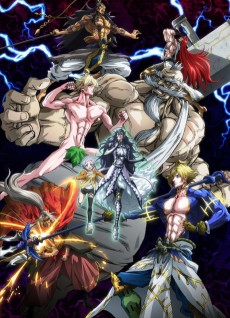
Record of Ragnarok
7 million years of human civilization is coming to an end…
Every thousand years, all the gods of the world gather in heaven to attend the Conference of Mankind Survival. The gods agree to end to mankind due to their foolish acts, but before the final verdict is made, Brunhild, the eldest of the 13 valkyrie sisters, makes an objection.
“To spice things up, why don’t you test the humans?”
She proposes that the all-powerful gods face off in one-on-one battles against the strongest champions from human history — during a final struggle known as “Ragnarok.” The first team to win 7 out of 13 battles will be declared the winner, but it seems almost impossible for humans to win against the gods.
Although the gods sneer at her declaration, Brunhild provokes them further:
“Are you chickening out?”
Her words hit the gods’ nerves, and, enraged, they accept her proposal. Now, Brunhild and her sisters must choose humanity’s 13 champions in a desperate battle for survival. Will humans surpass gods and prevent humanity’s ultimate end? The eschatological battles between heaven and earth finally begins!
(Source: Warner Bros. Japan)
📺Anime Details
📝Editorial Analysis
The air crackles—not with electricity, but with silence just before Brunhild’s voice cuts through the celestial chamber: “To spice things up, why don’t you test the humans?” Her words hang, unflinching, as thirteen valkyries brace and gods shift in their thrones—not in anger, but in recognition. This isn’t a plea. It’s a dare wrapped in millennia of contempt, delivered while humanity’s extinction is already stamped in divine ink. You feel your pulse sync to the low, resonant hum of the Bifrost bridge beneath the arena floor—this is where myth stops being story and starts being witnessed.
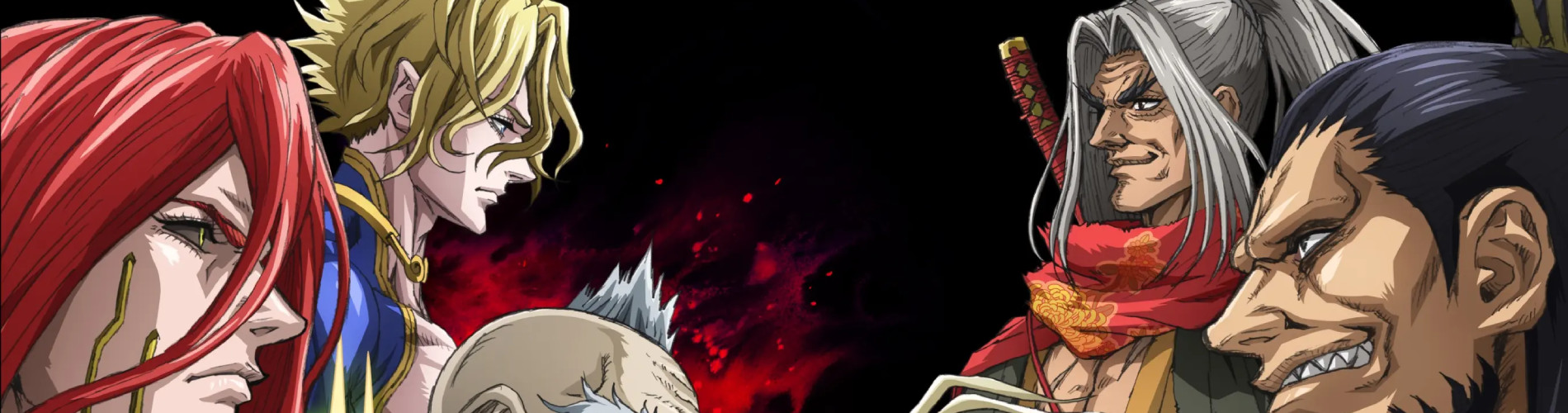
What makes Record of Ragnarok vibrate so differently from other myth-based action shows isn’t its spectacle—it’s the weight of consequence. Every blow lands like a verdict. Every god’s arrogance isn’t cartoonish; it’s geological—carved from actual belief systems, real historical reverence, real human suffering that birthed those legends. You don’t just watch fights—you feel the tremor of civilizations holding their breath. It’s adult, not because of gore or language, but because it treats survival as a philosophical emergency: What does it mean to be worth saving, when your species has burned forests, betrayed kin, and worshipped power over mercy? The ensemble cast doesn’t dilute focus—it deepens it: each human fighter carries the exhaustion of real history, each god embodies the terrifying logic of absolute authority. There’s no safe distance here. You’re not observing myth—you’re standing in the dust of its collision.
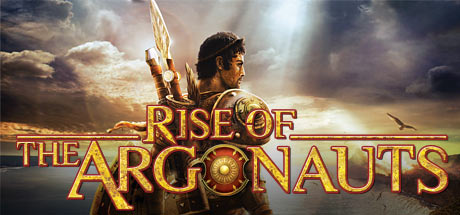
That same gravitas—the kind that makes mythology feel lived-in, dangerous, and morally unresolved—pulses through Rise of the Argonauts. Jason isn’t a chosen hero on a quest—he’s a king shattered by wedding-day slaughter, bargaining with gods who demand blood for resurrection. His journey isn’t about glory; it’s about what you become when you trade your soul for one more hour with the dead. The player review nails it: “If you love games based on ancient history this one does it right…” — because it mirrors Record of Ragnarok’s refusal to sanitize myth. Both treat legend as trauma made manifest, where divine power isn’t awe-inspiring—it’s lethal, transactional, and deeply personal.
Then there’s Jade Empire™: Special Edition, where you step into the sandals of a martial-arts master walking the razor’s edge between open-palm compassion and closed-fist vengeance. The game’s JRPG narrative structure forces choices that echo Brunhild’s gamble: Is humanity redeemable only if it proves itself in combat—or is worth measured in something quieter, deeper? The player review’s technical frustration (“I had to follow these instructions I got from Reddit…”) ironically underscores the shared DNA—both Jade Empire and Record of Ragnarok demand patience, respect for layered lore, and willingness to wrestle with systems (combat, morality, legacy) that resist easy answers. Neither offers clean victories—just hard-won clarity, earned in sweat and silence.
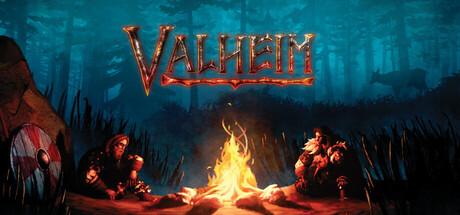
Even Valheim, at first glance a sandbox survival game, channels the same mythic tension. Its purgatory isn’t abstract—it’s procedurally generated, yes, but soaked in Viking cosmology: Odin’s gaze is literal, not metaphorical, and every troll smash, every ill-timed storm, every 40-minute tree hunt followed by total loss—that’s the survival dimension from the anime’s tags made tactile. The player review’s exhausted laugh—“a troll destroys your entire house, then you…”—is pure Record of Ragnarok energy: the universe isn’t fair, it’s alive, and it judges you not by intention but by endurance. Building a longhouse isn’t crafting—it’s testimony. A claim staked in mud and mead, echoing the human fighters’ last stands.
This pairing speaks to someone who reads Herodotus for fun, replays Shadow of the Colossus not for the boss fights but for the silence after each fall, and pauses mid-battle in Jade Empire just to watch rain slide off a bronze statue of a forgotten god. They don’t want myth as decoration—they want it breathing down their neck, heavy with consequence, sacred and profane in equal measure. They crave stories where divinity isn’t distant—it’s in the ring, in the forest, in the forge—and where survival isn’t a goal, but a question hurled across time, waiting for an answer written in blood, woodsmoke, and stubborn, unkillable hope.
🎮3 Games That Match the Vibe
Match Dimensions Explained
❓Frequently Asked Questions
Why does Rise of the Argonauts feel like the closest game to Record of Ragnarok's Zeus vs. Thor match?
Because it drops you straight into mythic, high-stakes personal vengeance—just like Thor’s raw grief and divine fury—where Jason’s entire quest to resurrect his murdered fiancé mirrors that emotional weight and god-tier stakes. The combat’s weighty, cinematic strikes and mythological setting (with actual Greek gods pulling strings behind the scenes) nail the same blend of tragedy and spectacle you get when Zeus unleashes his lightning after Thor’s final blow.
Is there a Record of Ragnarok video game adaptation?
No official adaptation exists yet—no licensed game based on the manga or anime has been released or announced. But if you're craving that same vibe, Jade Empire™: Special Edition is your best bet: its martial-arts mastery system, morally charged choices (Open Palm vs. Closed Fist), and deep mythological worldbuilding echo the philosophical duels and divine rivalries you love in Ragnarok.
Rise of the Argonauts vs. Jade Empire: which one captures Record of Ragnarok’s tone better?
Rise of the Argonauts wins for sheer mythic gravitas and adult-dark intensity—its 83 Metacritic score reflects how well it nails tragic heroism (Jason’s wedding-day loss, divine betrayals) and visceral, story-driven combat like Loki vs. Shiva. Jade Empire leans more into JRPG narrative nuance and Eastern philosophy, great for character depth but less focused on the brutal, arena-style showdown energy.
What’s the best Record of Ragnarok-like game if I just want to feel like a Viking god smashing things in purgatory?
Valheim is *exactly* that—even if it’s not a direct adaptation, its 57-scored survival loop channels pure Ragnarok chaos: you’re literally building mead halls under Odin’s gaze, getting wrecked by trolls (like Thor’s early brawls), and turning every forest into your personal proving ground. That Reddit review sums it up: ‘40 minutes hunting the perfect tree, then a troll destroys your house’? That’s the glorious, absurd, god-tier struggle Ragnarok fans live for.