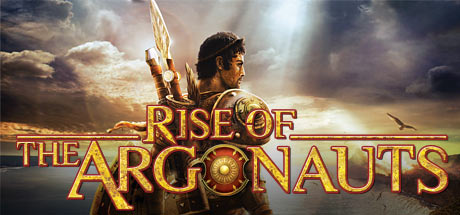
Rise of the Argonauts
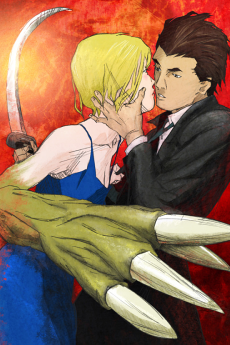
As the King of Iolcus, Jason had everythinga prosperous kingdom, the respect of his peers, and a beautiful fiancé. When she was killed on their wedding day, he vowed to do anything to restore her life. Now, in order to accomplish this heroic feat Jason must seek out the Golden Fleece -- and with the help of Greek mythology's greatest...
🎮Game Details
💬What Players Say
"If you love games based on ancient history this one does it right."
📝Editorial Analysis
The scent of burnt incense and spilled wine still clings to the memory—not from a temple, but from the shattered altar where Rise of the Argonauts begins. You’re standing barefoot on marble slick with crimson, your hand gripping the hilt of a sword you didn’t draw yet, staring at the body of your fiancé—dead on your wedding day. Not in shadow, not offscreen: there, draped across broken garlands, her veil half-torn, the gold of her hair catching the same light that glistens on the blood pooling toward the steps. That’s the first breath of the game: no tutorial, no map icon—just grief so thick it tastes like iron and salt, and a vow spoken not to the sky, but into the silence left behind. The official description doesn’t call it trauma—it calls it a vow. And the player review nails the weight: “If you love games based on ancient history this one does it right…” — not because of accuracy, but because it treats myth like muscle memory: raw, ritualized, inescapable.
This isn’t epic as spectacle—it’s epic as burden. Every shipboard decision, every oracle’s riddle, every clash with a bronze-skinned Cyclops or a serpent coiled around a sacred grove feels less like progression and more like pilgrimage. You don’t level up—you endure. The world doesn’t open; it constricts, narrowing to the single impossible task: restore what death stole. There’s no irony, no winking at the camera—just the grim, sun-bleached gravity of consequence. It makes you think about how devotion calcifies into obsession, how love becomes architecture for ruin—and how, in myth, resurrection is never free. It costs everything: your kingdom, your name, your soul’s quiet. You feel weighted, not empowered. And that weight is sacred.
Naruto shares that same bone-deep ache—the way loss isn’t backstory but infrastructure. When Naruto screams into the Valley of the End, chasing Sasuke not just as a friend but as a shard of his own obliterated future, it echoes Jason’s vow: same desperation, same mythic scale, same refusal to let death have the final word. Both trade in folklore not as decoration, but as law: chakra flows like divine bloodlines; the Sage of Six Paths is as real and binding as Zeus’ wrath. And the action? Not flashy—it’s ritual combat. Rasengan spirals like whirlpools summoned by Poseidon; Susanoo towers like a god forged from grief and oath.
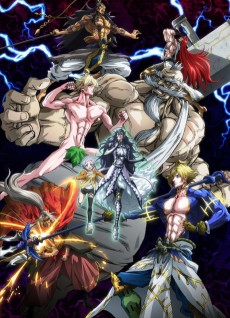
Heaven Official's Blessing Season 2 lives in that same hushed, incense-thick space where love and duty are indistinguishable. Xie Lian’s centuries of falling, rising, and falling again mirror Jason’s relentless voyage—not for glory, but for reclamation. The action here isn’t about winning battles; it’s about bearing witness, about swords drawn not to kill, but to affirm presence in a cosmos that erases you. The folklore isn’t backdrop—it’s grammar. Ghosts speak in riddles older than kingdoms; gods bleed like mortals; resurrection is possible, yes—but only after you’ve paid in memory, silence, and shattered vows. Like Jason, Xie Lian walks forward because he must, not because he believes he’ll succeed.
BLEACH: Thousand-Year Blood War - The Conflict delivers the same visceral, myth-saturated intensity—where every Hollow mask is a funerary relic, every Quincy bow a covenant with fallen stars. Ichigo doesn’t fight to win. He fights because Yhwach’s victory means erasure: of Karakura, of his friends’ names, of the very ground his mother once walked. That’s Jason’s stakes too—not conquest, but unmaking reversal. The action spectacle here isn’t choreography—it’s theology made kinetic: Bankai shatter like temple columns; Blut Vene pulses like arterial gold; the Golden Fleece and the Soul King’s throne both gleam with the same terrible, luminous finality.
This is for the person who keeps a worn copy of Theogony next to their controller, who pauses mid-battle not to check health bars but to trace the pattern of constellations on a character’s cloak, who feels shivers when a villain quotes Hesiod—not because it sounds cool, but because it lands, like a stone dropped into deep water. It’s for the one who knows grief can be a compass, who finds awe not in power-ups, but in the sheer, stubborn continuity of myth—that no matter how many times heroes fall, the story insists: keep sailing. Keep swearing. Keep believing the dead might answer—if only you speak loud enough, bleed true enough, and mean it enough.
→169 Anime That Match the Vibe

Jason’s shattered wedding day—blood on white linen, a kingdom’s stability crumbling—echoes Naruto’s childhood isolation beneath Konoha’s watchful eyes. Where mythology fuels Jason’s quest for the Golden Fleece, Naruto’s world pulses with Shinto-infused chakra lore and fox-spirit legacy, binding both to ⚡ Mythology & Folklore as living, breathing force. The resonance isn’t in shared tropes but in how grief ignites mythic action: Jason’s sword cuts through harpies; Naruto’s Rasengan shatters Pain’s god-complex—each spectacle forged in loss.
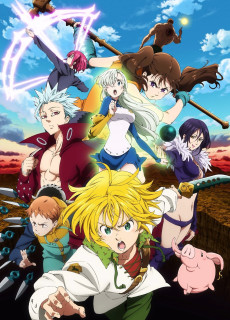
Jason’s shattered wedding vows echo Meliodas’s quiet fury when Leones’ peace shatters—both hinge on mythic oaths violently broken. Unlike most fantasy epics, *Revival of the Commandments* leans into visceral, lightning-fast combat choreography that mirrors *Rise of the Argonauts*’ brutal, momentum-driven brawls—especially during the Commandments’ siege and Jason’s temple raids. This resonance isn’t just aesthetic; it’s emotional architecture built on 💥 Action Spectacle fused with irreversible loss.

Jason’s shattered wedding vow—“I will bring her back, even if I must tear open the heavens”—echoes Kafka’s desperate sprint through collapsing Tokyo streets, heart pounding not for glory but to *live long enough to matter*. Unlike most mythic revivals, both weaponize 💥 Action Spectacle to channel grief into kinetic fury: Argonauts’ divine clashes mirror Kaiju No. 8’s brutal, grounded JDF skirmishes where every punch risks annihilation. The resonance isn’t in scale—it’s in how mythology & folklore anchor raw human fragility amid apocalyptic stakes.

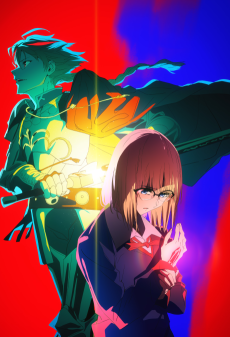
Jason’s blood-soaked vow beneath Iolcus’ shattered wedding arch mirrors Denji’s raw, trembling pact with Pochita in the rain-slicked alley—both hinge on love weaponized into mythic action. Where *Rise of the Argonauts* channels Greek tragedy through sword-and-sorcery spectacle, *Chainsaw Man: Reze Arc* fractures romance and horror into visceral, kinetic bursts, amplifying the 💥 Action Spectacle dimension with surreal physicality. It’s startling how deeply both root supernatural stakes in intimate grief—Jason’s quest for resurrection, Denji’s desperate bargaining—making their mythologies feel terrifyingly personal.
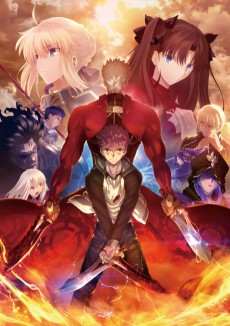
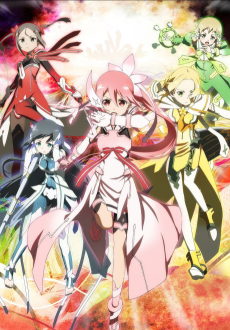
Jason’s shattered wedding vows echo in Rin’s desperate gambit to save Shirou—even as Caster’s ritual traps Saber like a cursed artifact. Unlike most mythic revivals, both works weaponize 💥 Action Spectacle to frame grief as kinetic fury: Iolcus’ crumbling columns mirror Fuyuki’s collapsing church in Episode 12. That shared obsession with *retrieving the lost through violent, sacred means* makes their mythological weight feel startlingly personal—not grandiose, but raw.
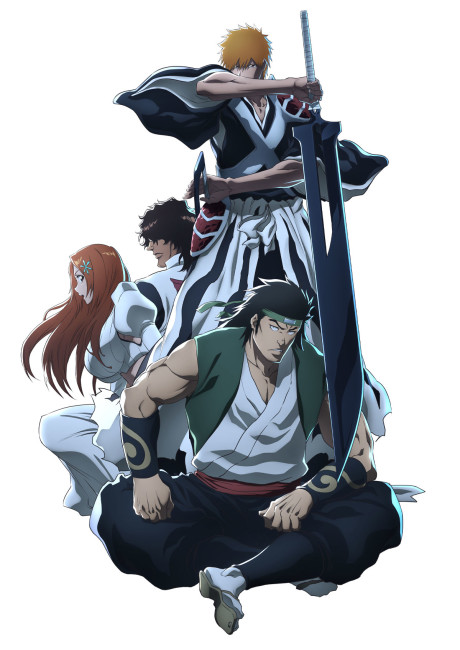
Jason’s shattered wedding vows echo Ichigo’s desperate sprint through the crumbling Soul Society in *Thousand-Year Blood War – The Conflict*, where mythic stakes fuse with visceral, kinetic action. Unlike most supernatural battles, this arc weaponizes Shinto-Buddhist cosmology not as backdrop but as narrative gravity—mirroring how *Rise of the Argonauts* treats Greek myth as lived, bleeding consequence. The resonance lies in how both commit fiercely to mythology & folklore as emotional architecture: grief isn’t metaphor—it’s the engine of sword-swinging, soul-rending, world-shaking spectacle.
Connected through 2 aesthetic dimensions.
Connected through 2 aesthetic dimensions.

Connected through 2 aesthetic dimensions.
Connected through 2 aesthetic dimensions.










![Fate/stay night [Heaven's Feel] I. presage flower](https://s4.anilist.co/file/anilistcdn/media/anime/cover/medium/bx20791-yPCX5GJuMH2k.png)










![Fate/stay night [Heaven’s Feel] III. spring song](https://s4.anilist.co/file/anilistcdn/media/anime/cover/large/bx21719-MSdTlkno0Z0u.jpg)














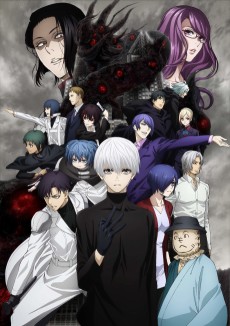

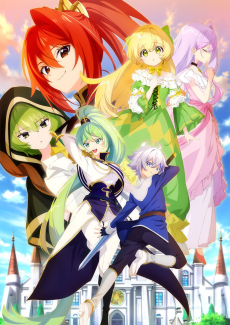
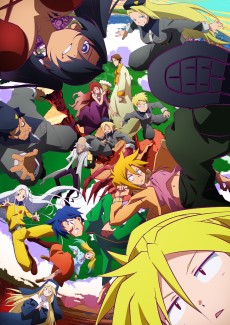

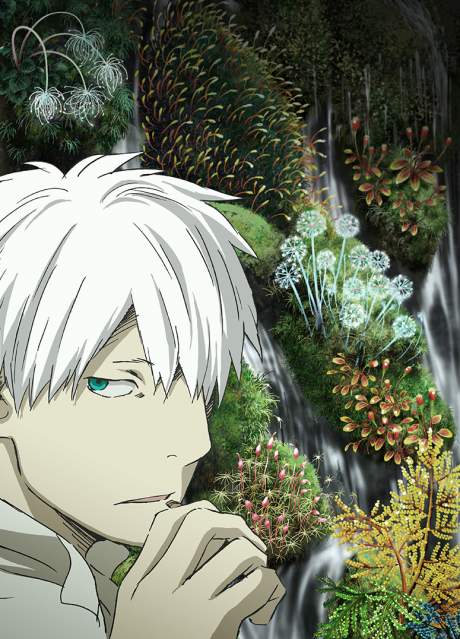











Match Dimensions Explained
❓Frequently Asked Questions
Why is Naruto recommended for fans of Rise of the Argonauts?
Because both lean hard into mythic hero journeys rooted in real-world folklore—Jason’s quest for the Golden Fleece mirrors Naruto’s struggle to master chakra and reclaim his village’s legacy, especially in arcs like the Valley of the End rematch where personal loss fuels world-shaking action. You’ll feel that same weight when Naruto confronts Pain or sacrifices himself for Konoha—just like Jason choosing between vengeance and kingship after Medea’s betrayal.
Is there an anime adaptation of Rise of the Argonauts?
Nope—there’s never been an official anime adaptation. The game stayed a cult classic with no manga, anime, or live-action spin-offs. But if you’re craving that same blend of Greek myth, brutal swordplay, and tragic heroism, BLEACH: Thousand-Year Blood War – The Conflict nails it with Ichigo’s soul-rending fights in the Soul Society and the visceral clash of spiritual powers echoing Jason’s combat against harpies and centaurs.
How does Heaven Official's Blessing Season 2 compare to Rise of the Argonauts in tone and themes?
Both trade in grand, sorrow-tinged mythologies where gods, oaths, and resurrection hang in the balance—Xie Lian’s repeated deaths and ascensions parallel Jason’s desperate bargain with the gods for Medea’s return. And just like Jason’s kingdom of Iolcus crumbling under political betrayal, Season 2’s haunting flashbacks to Xie Lian’s fall from grace hit with that same gut-punch of lost sovereignty and broken vows.
What’s the best anime like Rise of the Argonauts if I want mythic action + emotional weight without too much comedy?
Go straight to Chainsaw Man – The Movie: Reze Arc—it’s all grim stakes, explosive folklore-infused battles (Reze’s bomb-based contracts feel like Jason’s divine boons gone volatile), and zero tonal whiplash. When Denji faces off against the Bomb Devil in that rain-soaked cityscape, the raw desperation and cost of power hits as hard as Jason’s final confrontation with Aeëtes in Colchis—no jokes, just mythic gravity and consequences.