
FLIP FLAPPERS
As a middle school student, Cocona has been trying to decide what to do with her life. Magical Girl, however, wasn’t a career path that she’d ever considered. When suddenly a strange girl named Papika thrusts her into a secret organization called Flip Flap, Cocona’s outlook does a radical flip-flop. Her views start to change when she is dragged into an alternate dimension called Pure Illusion where she’s charged with gathering crystal shards and fighting strange creatures. Now, between running missions and facing off against a rival organization, Cocona doesn’t have much time to consider alternate career choices. What are these shards, and why is gathering them so important? There’s a mystery to be solved and multiple worlds to be saved in FLIP FLAPPERS!
(Source: Sentai Filmworks)
📺Anime Details
📝Editorial Analysis
The first time Cocona’s world flips—not with a flashy henshin pose, but with a lurching, disorienting tilt of the screen as she stumbles through a doorway into Pure Illusion—you don’t hear music swell. You hear her breath catch, sharp and unsteady, while the hallway behind her stretches, then snaps like rubber pulled too far. Her hand presses flat against the wall—not for balance, but to confirm it’s still there. That’s the core: not wonder, not awe, but the dizzying, tender panic of a self you thought was fixed suddenly dissolving at the edges.
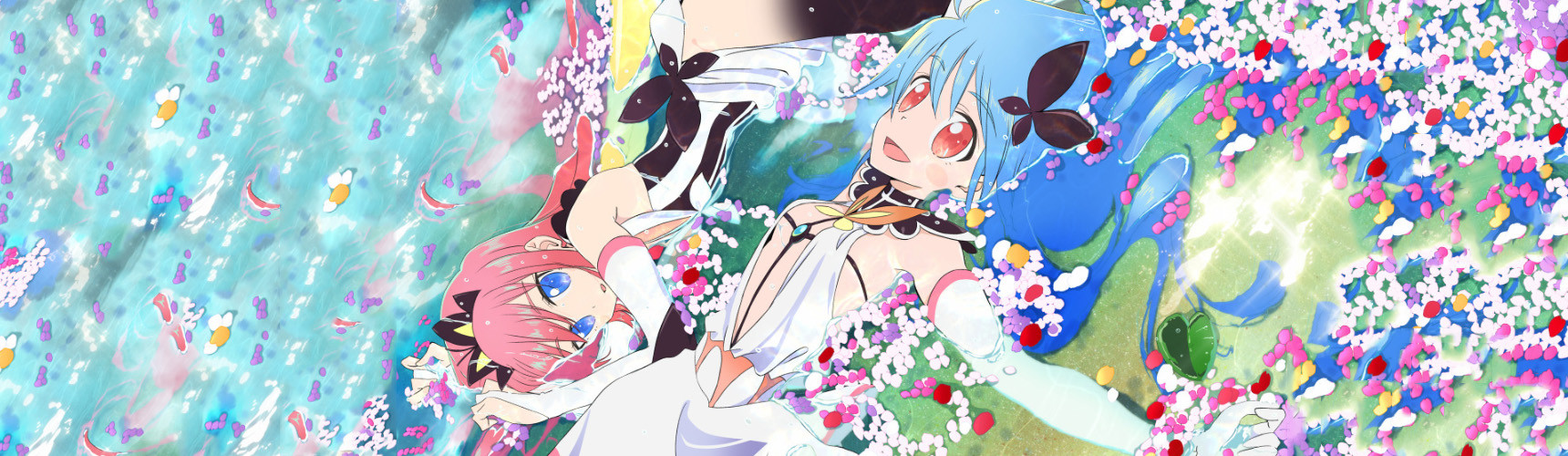
FLIP FLAPPERS doesn’t trade in stable identities or polished mythologies. Its atmosphere is unmoored curiosity—a sensation that every new dimension isn’t just a place, but a question folded into geography. You feel it in the way Papika’s laughter skips across scenes like pebbles on water, never settling long enough to be pinned down; in the way Cocona’s archery stance wobbles mid-battle, not from weakness, but from relearning how her body fits in space; in the quiet, unspoken weight of the organization Flip Flap itself—less a heroic guild, more a half-remembered dream you keep returning to because it fits your hands better than reality does. This isn’t escapism. It’s reorientation: the slow, sometimes clumsy, always sincere work of becoming someone who can hold contradiction—magic and math, fear and joy, dependence and defiance—all at once.
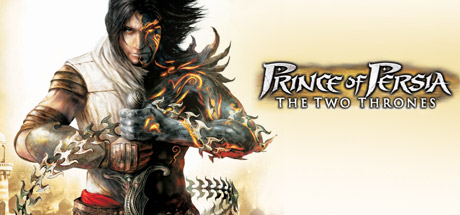
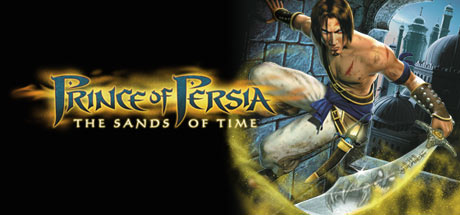
That emotional DNA pulses strongest in games where action isn’t about mastery, but navigation through absurdity. Prince of Persia, for instance—described as an “epic journey” built by Ubisoft Montreal with “new lands and a brand new story”—mirrors FLIP FLAPPERS’ refusal to inherit legacy intact. Like Cocona stepping into Pure Illusion without a manual, the Prince leaps across crumbling ledges not because he knows the rules, but because the falling itself teaches him how to land. A player review notes it’s the “3rd reboot… completely separate from the sands”—exactly how FLIP FLAPPERS treats mahou shoujo tradition: not as canon to uphold, but as clay to remold mid-air. Both make spectacle feel personal, not performative—the flip, the slide, the sudden inversion—all physical metaphors for identity in motion.
Then there’s The Sims™ 4, tagged in the data with “Romance & Shoujo” and “Comedy & Parody”, its description inviting players to “Play with life and discover the possibilities”. That phrase—play with life—is pure FLIP FLAPPERS. Cocona doesn’t “save the world”; she experiments with shards, tests boundaries, misfires spells, gets flustered by Papika’s proximity—not as plot points, but as lived texture. A player review complains the game is “no fun without DLC”, calling it “awful” and “broken”—but that friction, that sense of systems resisting perfection, echoes FLIP FLAPPERS’ embrace of messiness. The anime never smooths over Cocona’s uncertainty; it leans into the glitchy, joyful instability of building a self from scratch—just as The Sims™ 4, even when flawed, insists that meaning emerges in the trying, not the finished build.
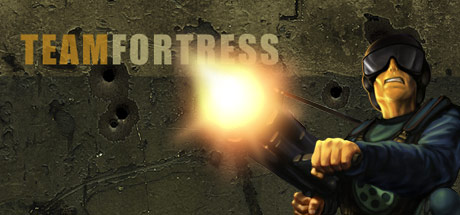
And yes—even Team Fortress Classic, with its “over nine character classes” enlisted in “a unique style of online team” combat, shares this spirit. Its player review calls it “simply the best nostalgic game… I have dreams about this game.” That visceral, almost bodily nostalgia? Not for the past, but for the feeling of first discovery: the giddy chaos of learning Spy’s disguise timing, Medic’s overheal rhythm, the way a well-placed rocket jump feels less like skill and more like sudden, shared revelation. FLIP FLAPPERS captures that same electricity—not in competition, but in collaboration: Cocona and Papika’s bond isn’t sealed in dialogue, but in the split-second sync of a dual attack, the unspoken trust in who catches whom when the floor drops out.
This pairing isn’t for fans of tidy arcs or flawless power fantasies. It’s for the person who rewatched Cocona’s first failed flip not to see failure—but to savor the exact tremor in her wrist as she reaches. For the player who booted up Prince of Persia not for the lore, but to feel gravity bend just so under their thumb. For the one who opened The Sims™ 4, clicked “Create a Sim”, and spent twenty minutes adjusting eyebrow height—not because it mattered, but because it felt like breathing. These are works for those who know that growing up isn’t about arriving somewhere whole—it’s about learning to love the beautiful, unstable, utterly necessary act of flipping mid-air, trusting the ground will appear because you’re finally ready to meet it.
🎮72 Games That Match the Vibe


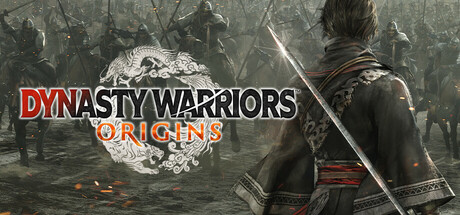
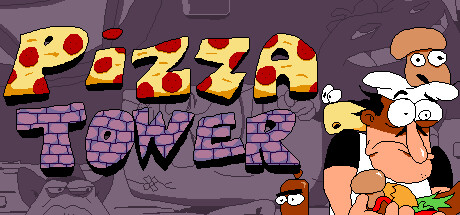


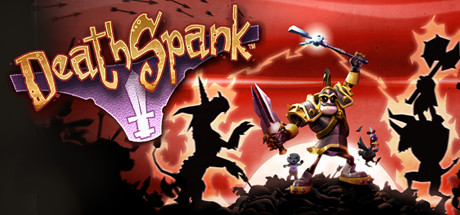

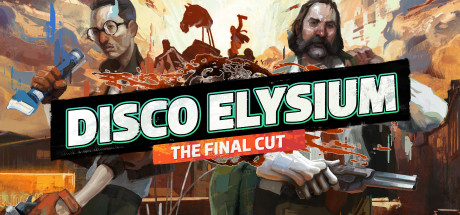






Match Dimensions Explained
❓Frequently Asked Questions
Why is Prince of Persia listed as similar to FLIP FLAPPERS when they seem so different?
Great question — it’s all about the shared 'Romance & Shoujo' + 'Action Spectacle' vibe: like Cocona and Papika leaping through surreal dreamscapes, the Prince and Elika share tender, wordless emotional beats amid gravity-defying acrobatics (think that slow-motion rooftop chase where time bends and petals swirl). Plus, both lean into vibrant, painterly visuals and a story where intimacy and action are deeply intertwined — not just combat, but *chemistry* driving the spectacle.
Is there a FLIP FLAPPERS anime or game adaptation?
No official FLIP FLAPPERS game exists — but if you're craving that same kaleidoscopic energy, DeathSpank: Thongs of Virtue nails the tone: absurd humor, rapid-fire visual gags (like DeathSpank dramatically tripping over his own cape mid-boss fight), and a world where reality glitches with every cutscene. It’s not an adaptation, but it *feels* like what would happen if Papika hijacked a retro RPG engine — all glitter, chaos, and fourth-wall winks.
How does The Sims 4 compare to FLIP FLAPPERS for slice-of-life + magical girl energy?
TS4 won’t give you transformation sequences or parallel worlds — but its 'Romance & Shoujo' dimension shines in custom storytelling: imagine building Cocona’s cozy apartment, scripting her shy coffee dates with Mimi, or designing Papika’s chaotic bedroom full of glow-in-the-dark stickers and half-eaten candy bars. Player reviews complain about DLC bloat, but base-game relationship mechanics + free CC (like 'Magical Girl Outfit Pack') let you quietly live that gentle, character-driven magic — no monsters required.
What’s the best FLIP FLAPPERS-like game if I just want pure joyful, silly, colorful chaos?
Go straight to Team Fortress Classic — yes, really! Think of the Spy’s invisible shenanigans or the Heavy’s exaggerated ‘BOOM!’ taunts as the FPS equivalent of Papika’s nonsense giggles and reality-warping pranks. Its 'Comedy & Parody' + 'Action Spectacle' DNA means every match feels like a hyper-stylized, physics-defying cartoon — especially on Dustbowl, where rockets arc like fireworks and teammates scream in perfect comedic timing. It’s not magical girl — it’s *magical mayhem*, same spirit, different universe.