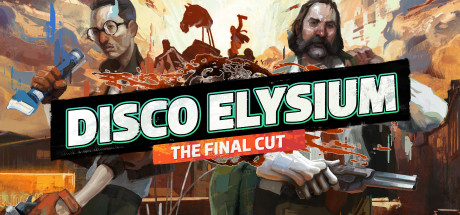
Disco Elysium - The Final Cut
Disco Elysium - The Final Cut is a groundbreaking role playing game. You’re a detective with a unique skill system at your disposal and a whole city to carve your path across. Interrogate unforgettable characters, crack murders or take bribes. Become a hero or an absolute disaster of a human being.
🎮Game Details
💬What Players Say
""Capital has the ability to subsume all critiques into itself. Even those who would critique capital end up reinforcing it instead." It's a cruel irony that this commentary is in the game itself given how horrible the company treated its original writers...."
"This game and the situation surrounding it truly is like a heartbreak. It hurts thinking about it. It hurts thinking about everything that went wrong...."
"An absolutely incredible game that was stolen from the original creators. ZA/UM is now an evil company who is profiting greatly off the game they stole while the original devs who actually made the amazing piece of art that Disco Elysium is aren't seeing a penny and have been royally screwed by ZA/UM And ZA/UM has the absolute GALL to plaster ads for their rip-off "spiritual successor" game, Zero Parades For Dead ZA/UM Exec-- I mean, Dead Spies, on the title and pause screens for this game-- forced into your game through this most recent update (an update, which by the way, fixes ABSOLUTELY NOTHING, just forces you to look a their stupid ads without fixing any of the bugs in the game). You can't even roll it back...."
📝Editorial Analysis
The rain in Martinaise doesn’t fall—it settles, thick and cold as regret, into the collar of your too-thin coat while you stand over a body hanging from a tree, your own hands trembling not from fear but from the sheer weight of what you’ve already forgotten. You’re a detective, yes—but also a vessel cracked open: every thought is a voice, every choice a wound that won’t clot. The official description nails it: “You’re a detective with a unique skill system at your disposal and a whole city to carve your path across.” But it’s the player reviews that gut you—the one calling it “a heartbreak”, the way it hurts thinking about everything that went wrong, the way it hurts thinking about what could have been. That ache isn’t just narrative—it’s structural. It lives in the silence between dialogue options, in the way Capital—yes, Capital, capitalized like a deity—“has the ability to subsume all critiques into itself”, even the ones you type out loud in your own head.


This isn’t noir as style—it’s noir as nervous system. The atmosphere doesn’t feel like rain-slicked streets or cigarette smoke; it feels like waking up mid-panic attack and realizing you’ve spent the last three hours arguing with your own conscience about whether to accept a bribe or confess to a crime you didn’t commit—but might as well have. It makes you feel unmoored, not because the world lacks rules, but because the rules are all lying to you—and you helped write them. There’s no catharsis in solving the murder. There’s only the slow, grinding recognition that justice isn’t broken here—it was never built to hold. You don’t uncover truth; you excavate layers of self-deception so deep they’ve fossilized into ideology. And when the review says “it hurts thinking about it”, that’s not hyperbole—it’s the game’s central rhythm: grief, guilt, dislocation, all humming at the same frequency as your pulse.
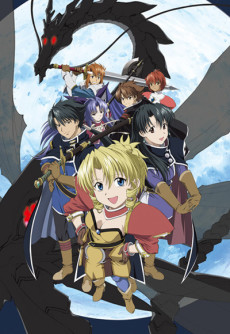
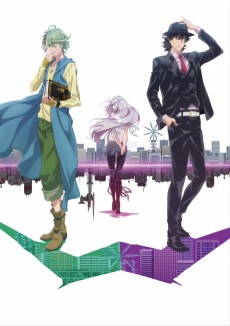
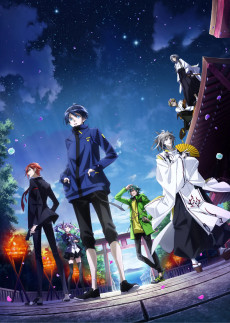
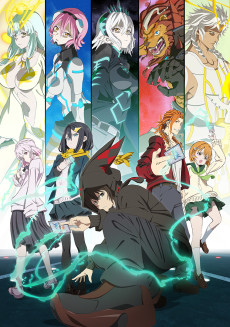
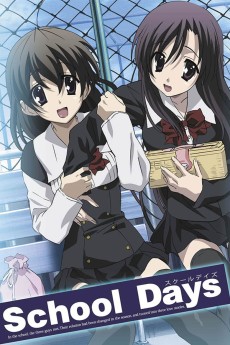
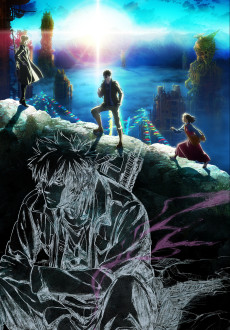
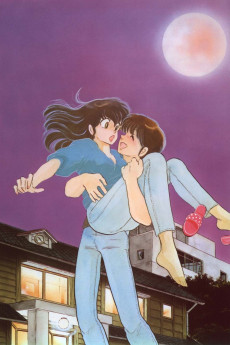
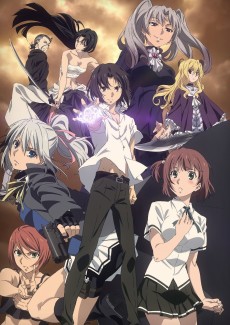
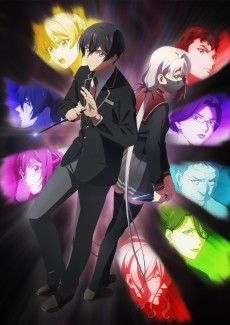
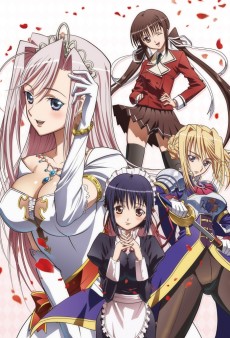
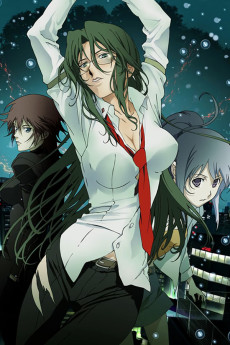
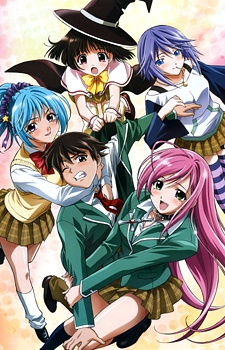
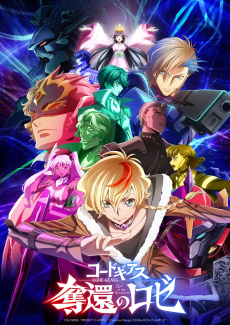
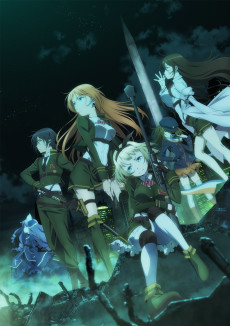
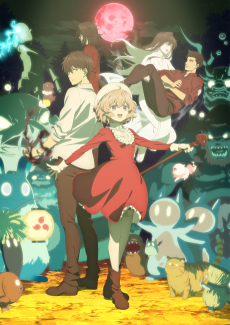
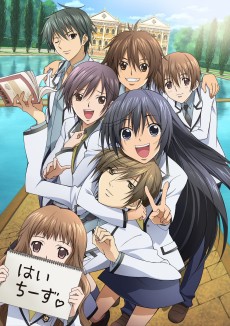
Lord of Mysteries resonates because it shares that same suffocating sense of systems collapsing inward—where magic isn’t wonder but debt, where every revelation tightens the noose of history rather than loosening it. Its mystery isn’t “who did it?” but “what did we consent to, generation after generation?”—exactly the political thriller dimension that bleeds into Disco Elysium’s interrogation rooms and union halls. Moriarty the Patriot mirrors the neon-noir texture: not just shadows and sodium lights, but the glare of moral compromise reflected in polished brass buttons and parliamentary speeches. Moriarty doesn’t want to destroy society—he wants to prove it’s already dead, and that resonance is visceral: both works make ideology feel tactile, dangerous, sticky. Same with Gosick—its mystery isn’t locked in a library, but in the architecture of class itself; the “neon noir” isn’t visual shorthand—it’s the sickly glow of privilege refracted through stained-glass windows and student dormitories alike. And Ranma1/2 (2024)? Don’t blink past the score—its melancholic exploration isn’t about curses or comedy, but about how love curdles when you can’t name your own pain. Like the detective who forgets his own name, Ranma drowns in relational static, speaking fluently in every language except the one that names his grief. That shared melancholy isn’t passive—it’s active erosion.
You’d love this pairing if you’ve ever stared at a subway map and seen only the routes your ancestors weren’t allowed to take—if you’ve cried during a courtroom scene not because the verdict was unjust, but because the law was bored by your sorrow—if you keep rewatching the same five minutes of an anime because the silence between two characters says more than any monologue ever could. If you flinch when someone says “just move on,” because you know healing isn’t linear—it’s recursive, haunted, and often unpaid. This isn’t for people who want answers. It’s for those who’ve already memorized the shape of the question—and still whisper it into the dark, hoping something whispers back.
→551 Anime That Match the Vibe
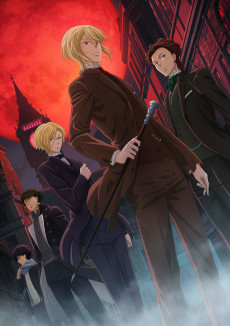
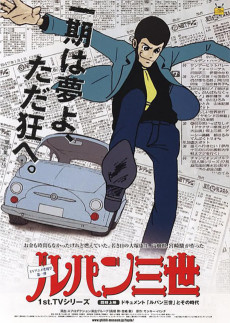
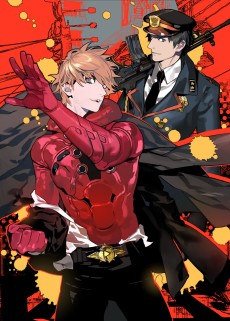
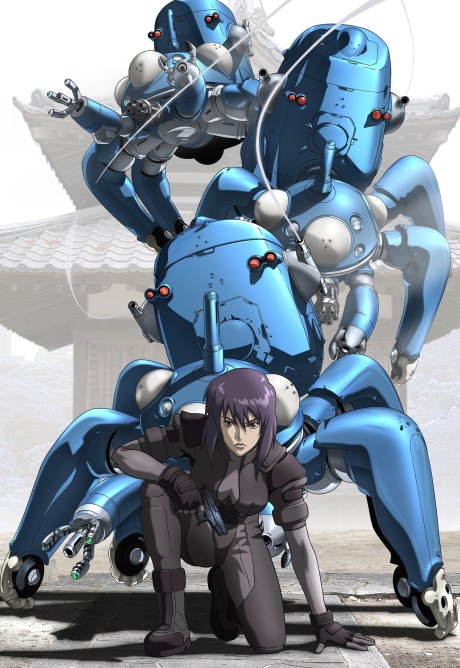
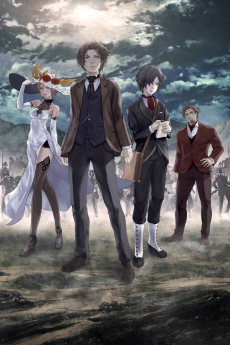
Rain slicks the cobblestones of King’s Lynn as Moriarty watches a factory burn—its flames mirroring the neon haze over Revachol’s decaying docks. Where *Disco Elysium* fractures truth through a detective’s splintered psyche, *Moriarty the Patriot* dissects revolution through calculated deception and moral vertigo—both weaponizing 🏛️ Political Thriller to expose systemic rot beneath polished surfaces. That shared dread isn’t just aesthetic; it’s structural—the conviction that justice is a narrative you rewrite, not a law you uphold.

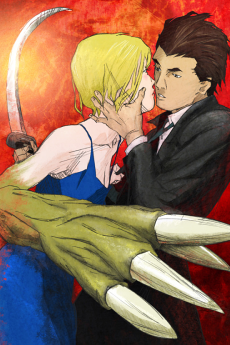
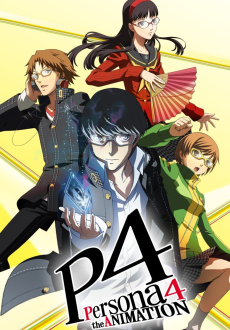
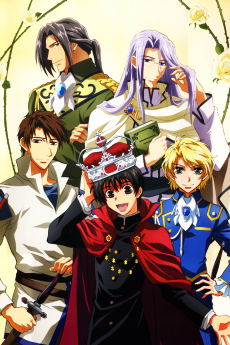
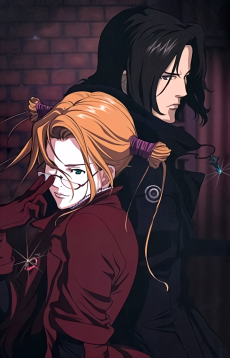
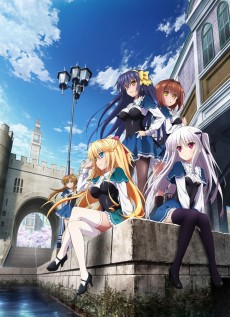
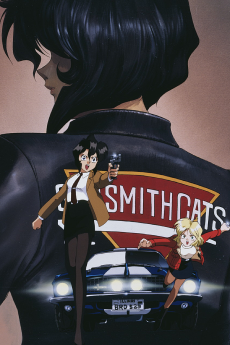
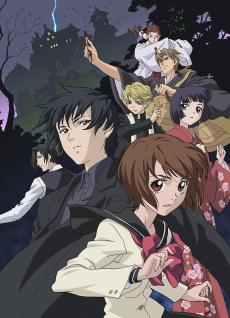
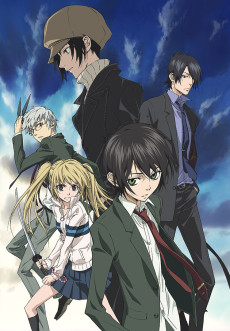
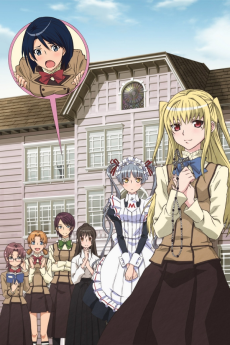
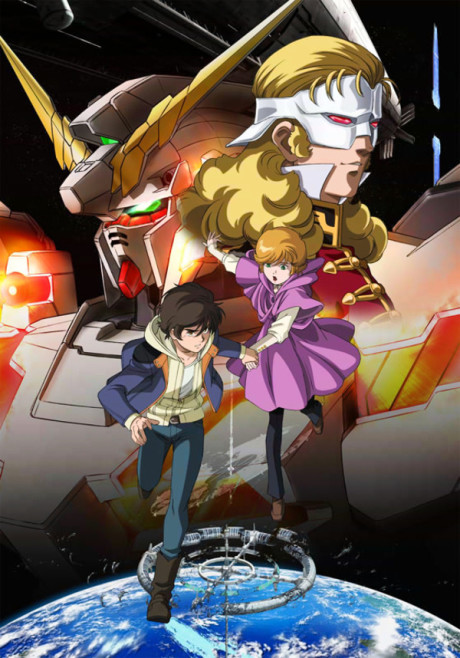
Rain slicks the cobblestones of Martinaise as Harry Du Bois stumbles past flickering neon signs—just as Kazuya Kujō walks alone beneath Saint Marguerite’s gothic arches at twilight. Both worlds breathe **Neon Noir**: not just in palette, but in how light exposes moral ambiguity—Du Bois’ fractured psyche mirrored in Kujō’s quiet vigilance amid Sauville’s gilded decay. What’s startling is how each uses **Mystery & Detective** scaffolding to dissect colonial legacies: Revachol’s haunted port, Sauville’s interwar espionage—neither case is truly “solved,” only endured.

Rain slicks the cobblestones of Revachol as Harry Du Bois stares into a cracked mirror—his reflection fractured, much like Klein Moretti’s dual identity in *Lord of Mysteries* Season 2, where every Church ritual deepens his dissociation. 🔍 Mystery & Detective isn’t just plot—it’s epistemological dread: both works weaponize unreliable perception, turning investigation into self-annihilation. That shared tension—between uncovering truth and losing oneself to it—makes their resonance startlingly intimate, not thematic but visceral.

Layered mysteries that reward attention — every detail matters, and the truth is never simple.

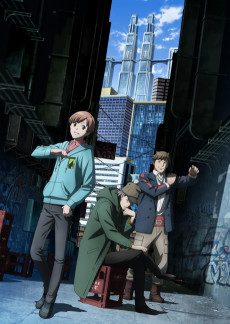
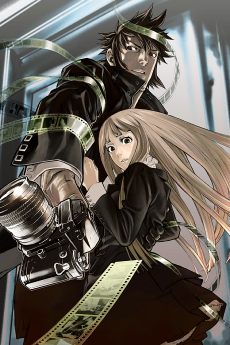
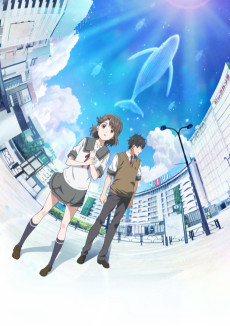
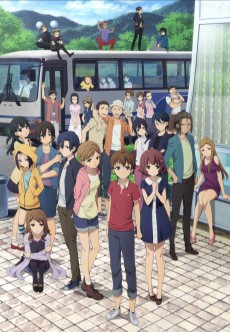
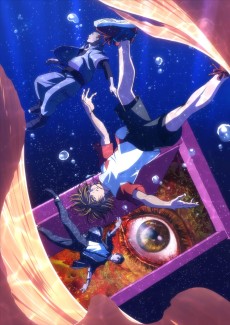
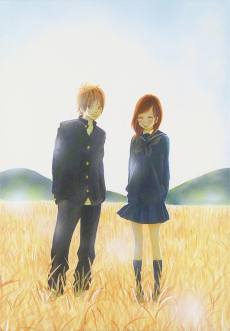
Banri’s fragmented subway fall echoes Harry Du Bois’s amnesiac stumble through Revachol’s rain-slicked alleys—both men reconstruct identity from shattered memory, not clues. Where *Disco Elysium* weaponizes internal dialogue as detective work, *Golden Time*’s Mitsuo quietly holds space for Banri’s emotional narrative, turning romance into a slow, tender act of witness. This resonance in 💔 Emotional Narrative feels surprising: one unfolds in a decaying socialist port city, the other on a sun-dappled Tokyo campus—yet both treat healing as nonlinear, messy, and deeply relational.
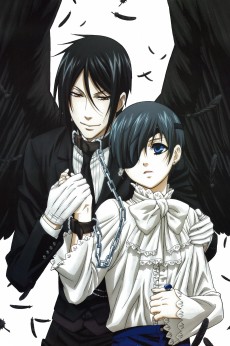
Rain slicks the cobblestones of King’s Lynn as Harry Du Bois stares into a shattered mirror—his reflection fractured, like Ciel Phantomhive’s polite smile hiding demonic pacts and buried grief. 🌃 Neon Noir bleeds through both: Revachol’s flickering streetlights echo the gaslit opulence of Phantomhive Manor, where every teacup holds a threat and every deduction is laced with trauma. 🔍 Mystery isn’t just plot—it’s identity under interrogation, whether by skill checks or Sebastian’s unblinking gaze. The resonance feels electric precisely because neither indulges in easy answers; both weaponize elegance to explore how far broken people will go to reconstruct meaning.

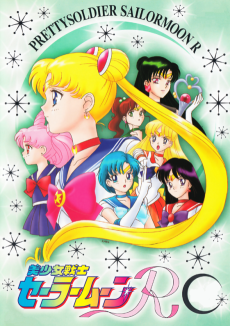
What if a broken-down detective hallucinating his own skill checks in Revachol’s rain-slicked alleys shared the same emotional grammar as Usagi Tsukino weeping over a failed math test before transforming into Sailor Moon? 💔 Emotional Narrative binds them—not through plot, but in how both treat vulnerability as revolutionary: Harry’s self-loathing monologues mirror Usagi’s tearful declarations of love and doubt, each moment raw, unvarnished, and defiantly hopeful. Unlike most shoujo or noir, neither flinches from despair—yet romance isn’t escape; it’s the compass that points toward healing.

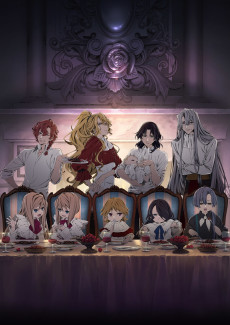
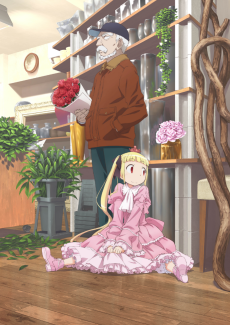
Shadows House’s silent, dust-choked corridors—where dolls scrub bloodstains while masters watch from behind porcelain masks—mirror Disco Elysium’s decaying Revachol, where every cracked wall whispers political rot and repressed trauma. Both weaponize the 🏛️ Political Thriller dimension: Kim’s slow unraveling of the House’s hierarchy echoes Harry Du Bois interrogating a city that’s already buried its conscience. That they fuse horror with bureaucratic dread—not through gore, but through stifled speech and institutional silence—makes their resonance unnervingly precise.

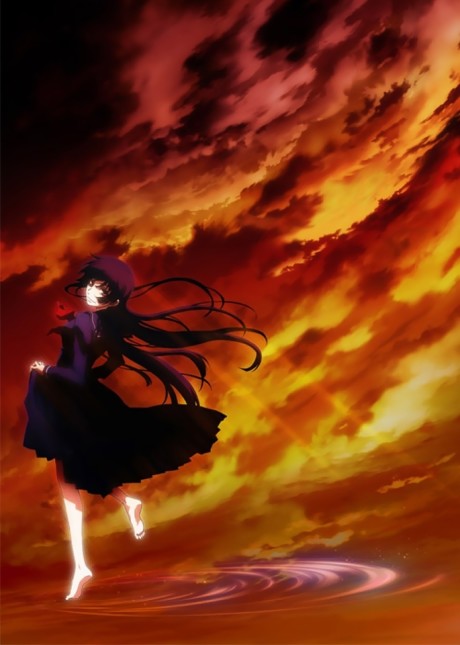
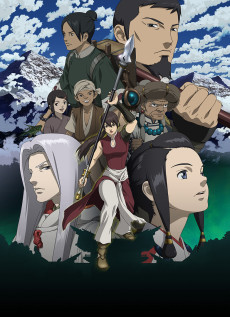
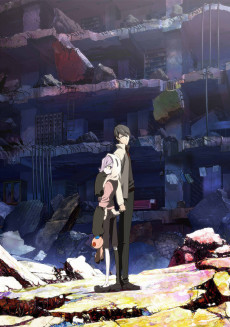
Both steep themselves in rain-slicked, post-war decay—Revachol’s crumbling Brutalist alleys and Chaika’s war-ravaged, fog-choked landscapes share the same weary, sepia-tinged palette and tactile grime. Their mysteries unfold not through tidy deductions but through melancholic accumulation: Harry’s fragmented psyche mirroring Chaika’s hollow-eyed grief as she drags her father’s coffin across rui...
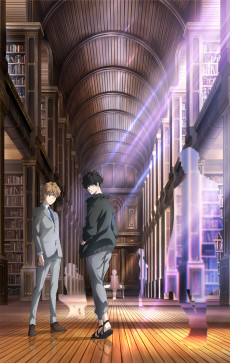
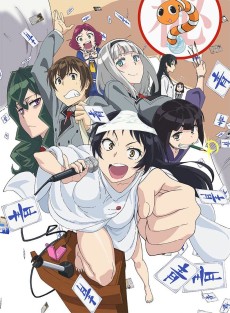
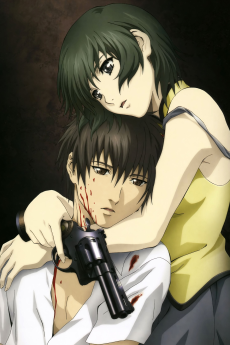
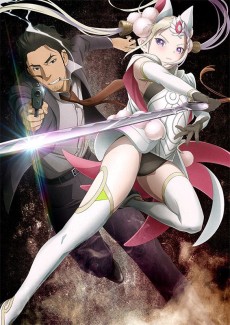
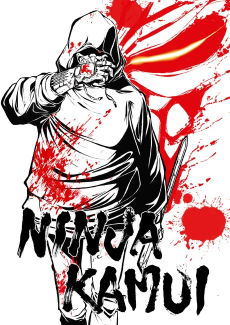
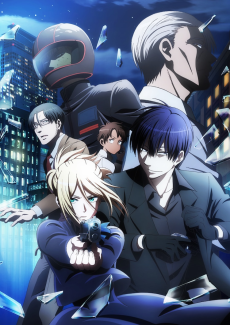
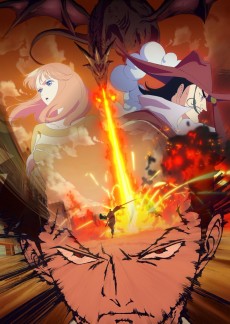
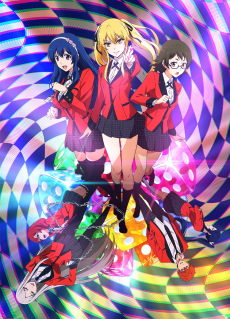
Both drown in rain-slicked neon noir: Disco Elysium’s decaying Revachol waterfront mirrors Ron Kamonohashi’s perpetually twilight Tokyo, where flickering pachinko parlors and abandoned subway tunnels glow with the same bruised electric purples and sickly yellows. Their melancholic exploration lives in the quiet weight of failure—the detective’s trembling hands over a cold case file, Ron’s hollo...









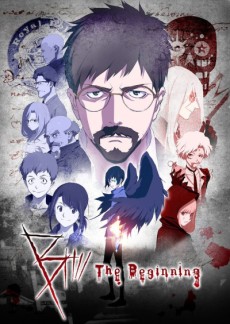
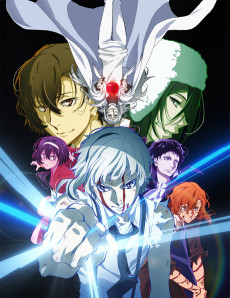

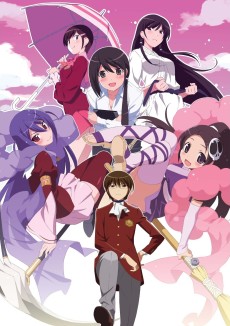

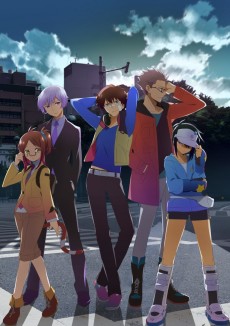

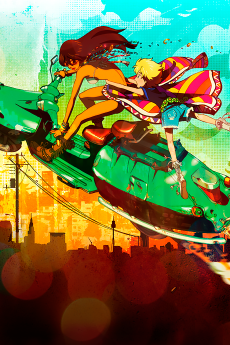

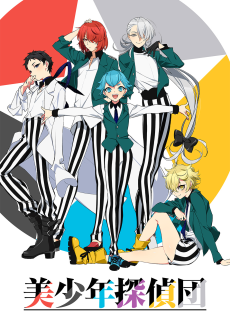
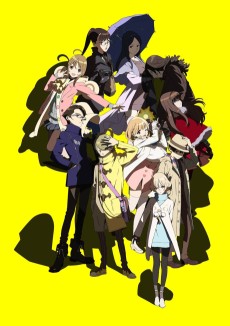


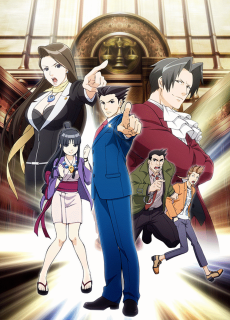




















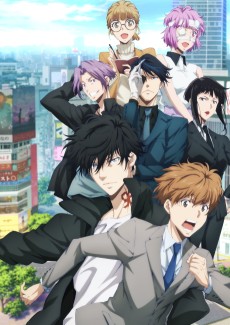
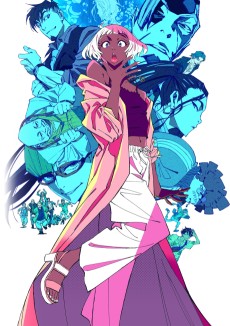
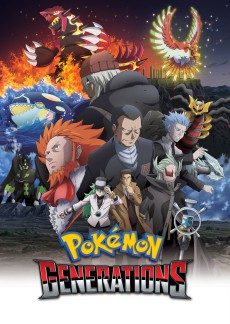


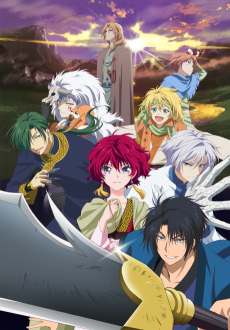



















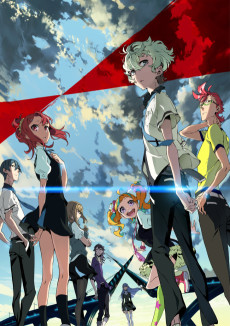
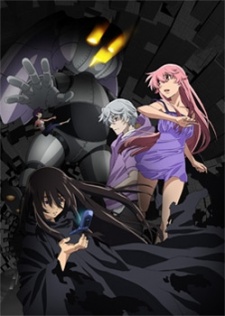

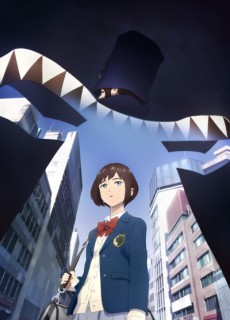
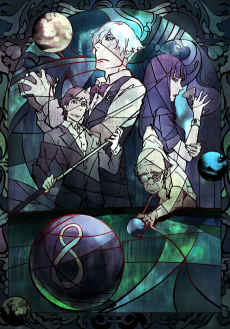















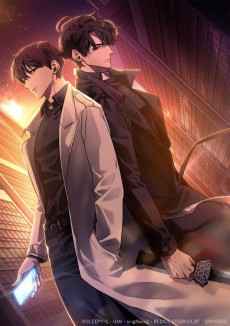
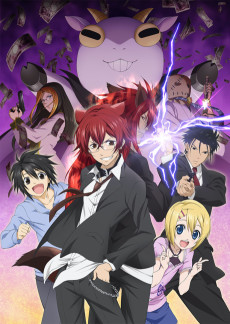
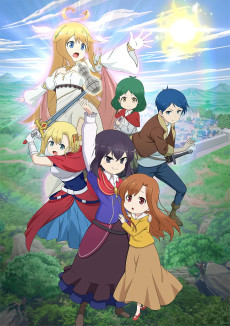

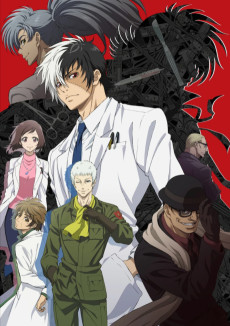


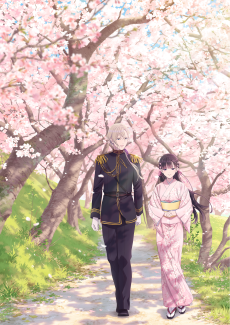
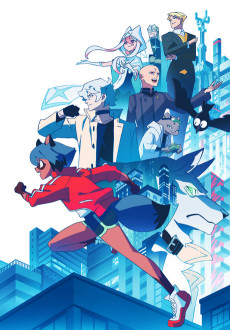
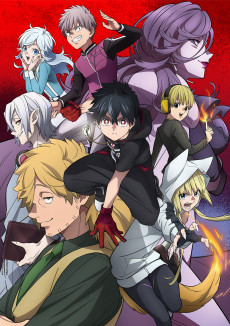
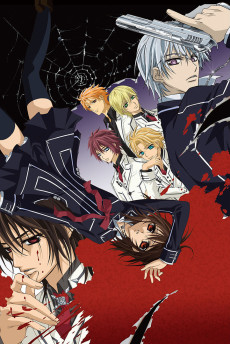


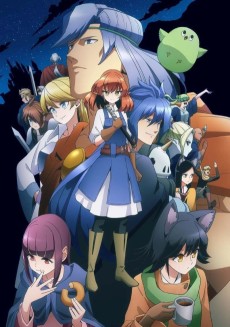
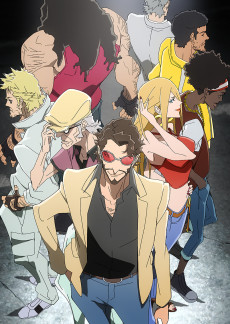
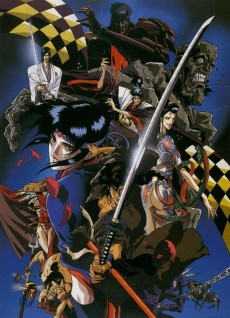
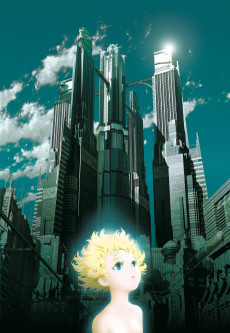




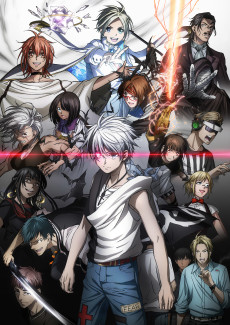

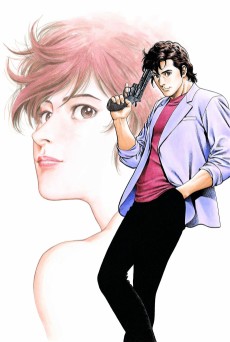



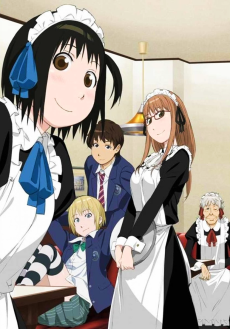


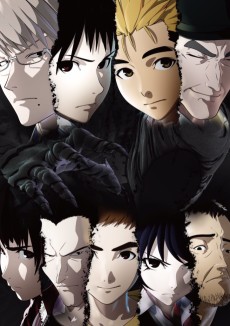




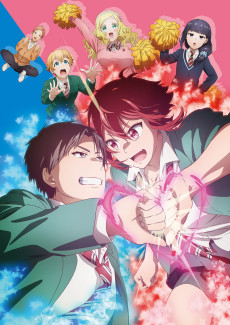
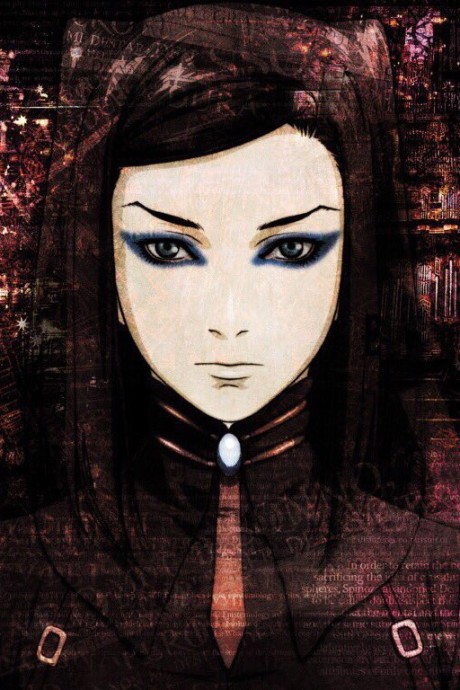

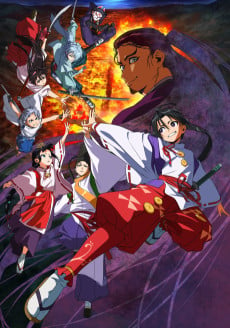

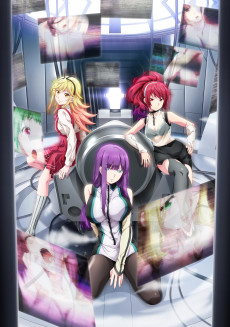



























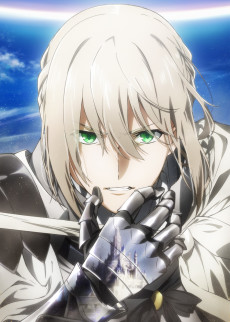



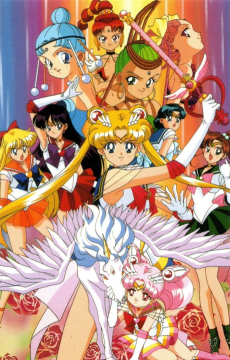
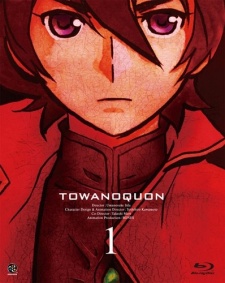
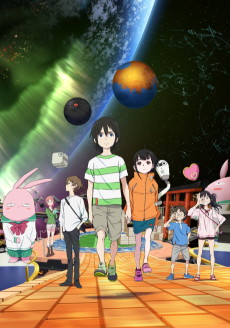


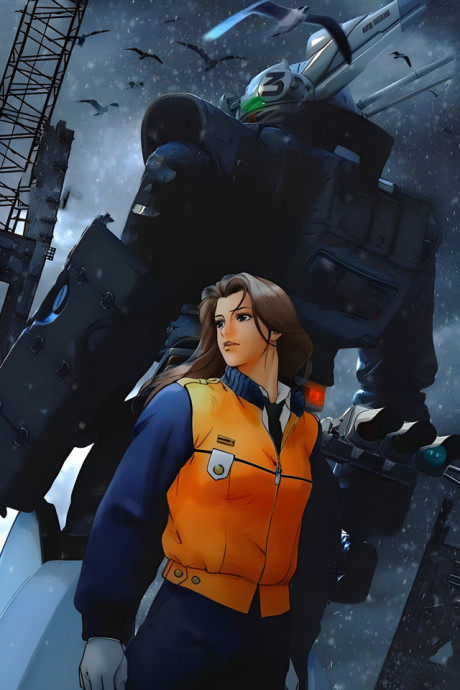
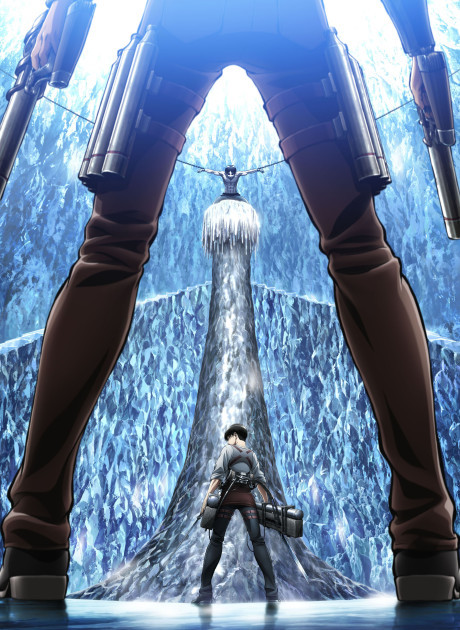























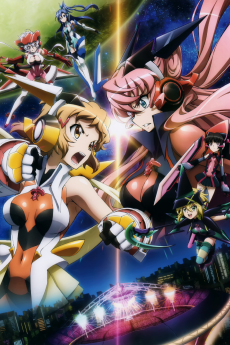
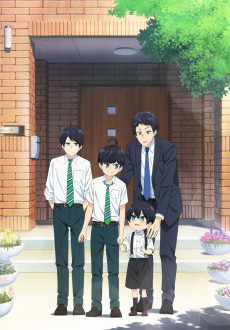
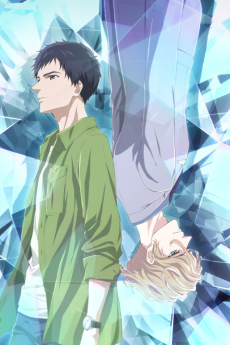

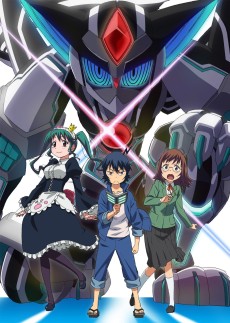



















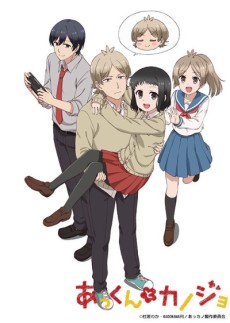

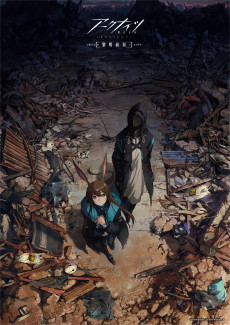
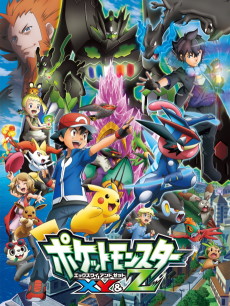

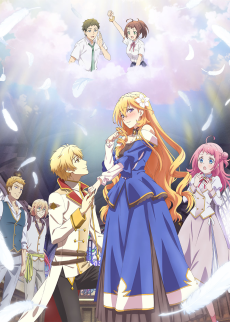










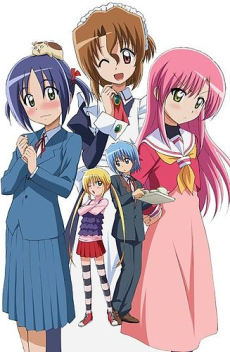





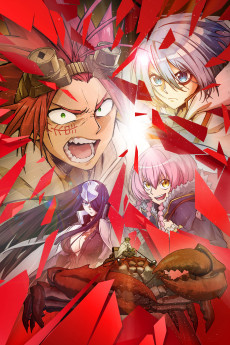
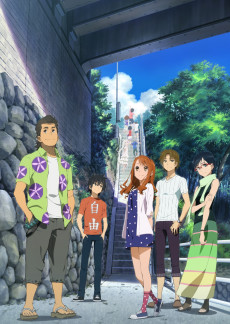


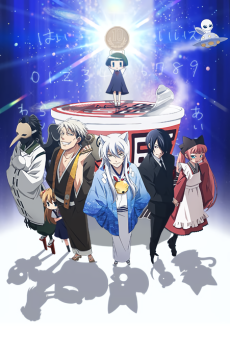


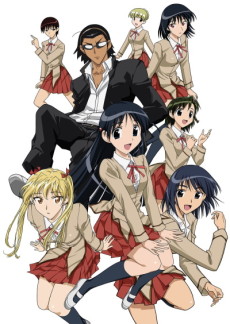



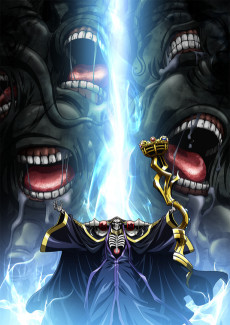






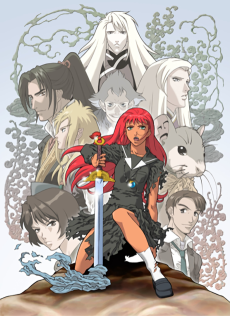
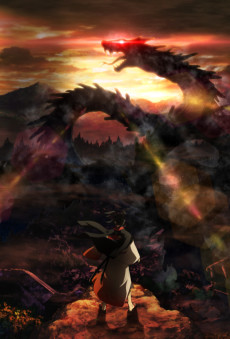
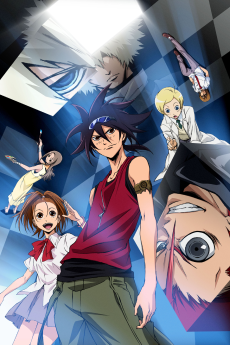
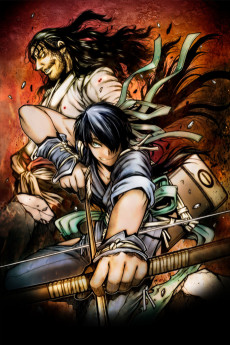


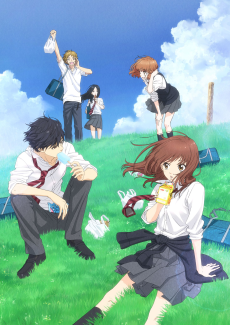

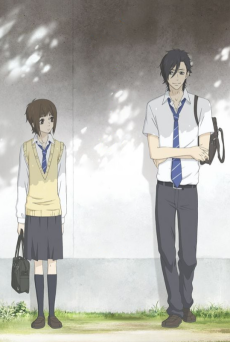

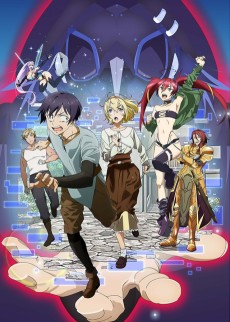
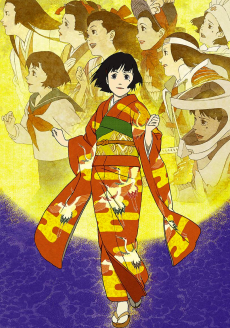

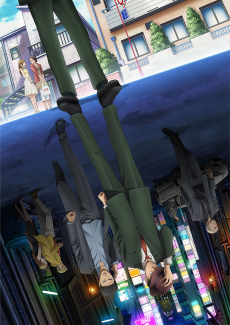
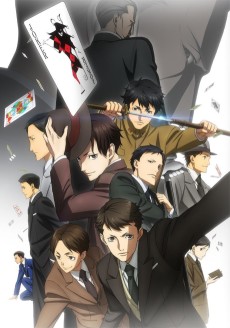
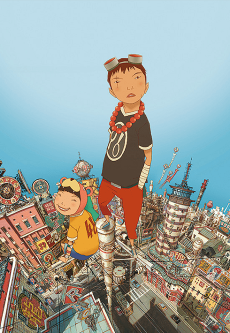



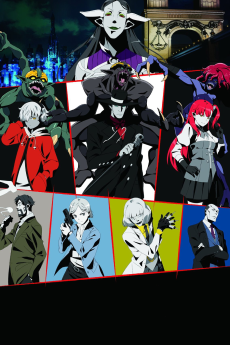


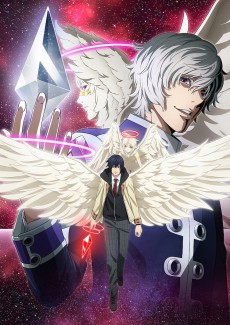

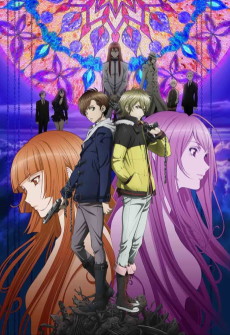

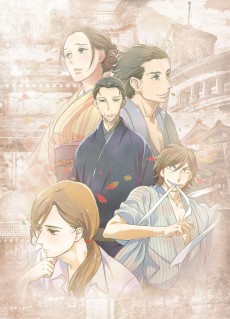


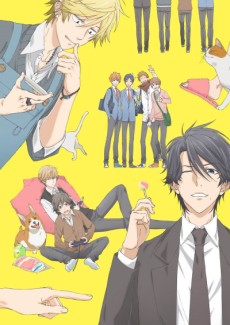

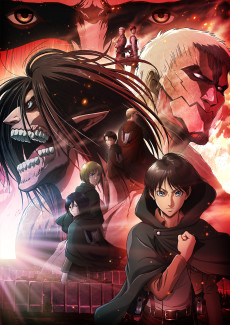

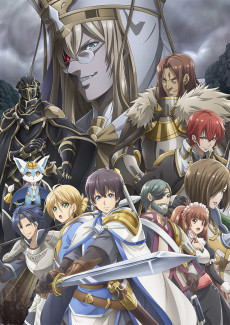
















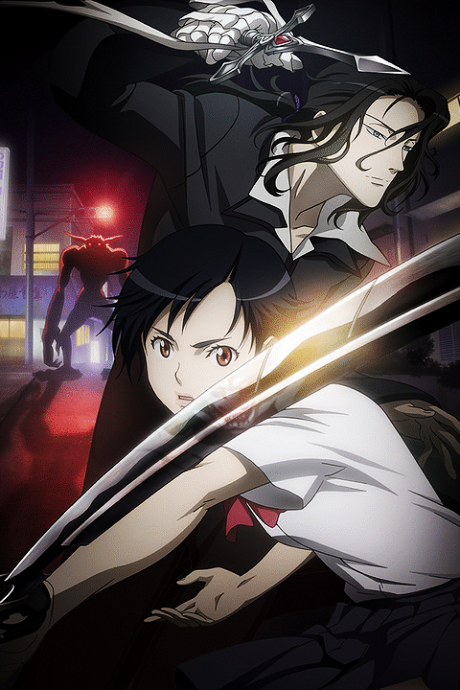

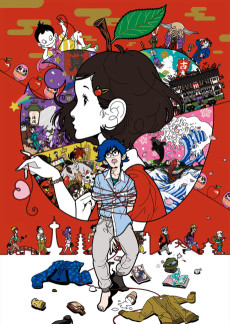
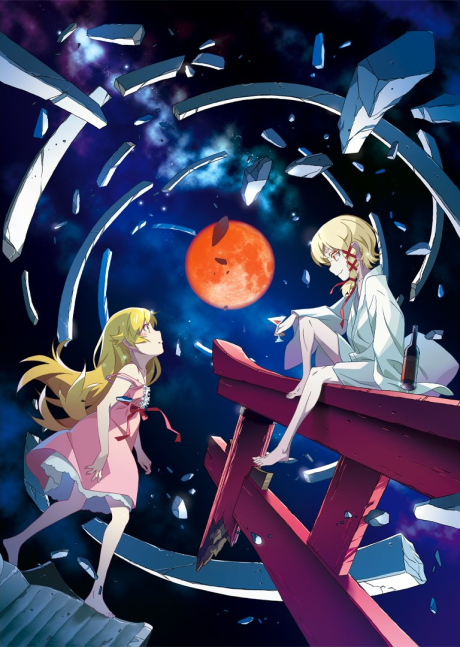
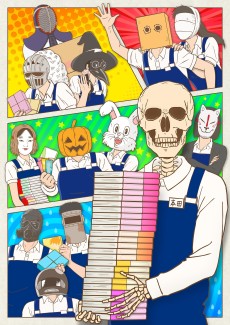

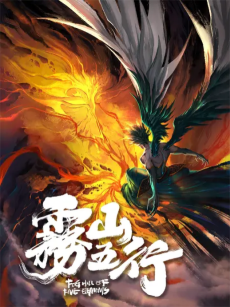


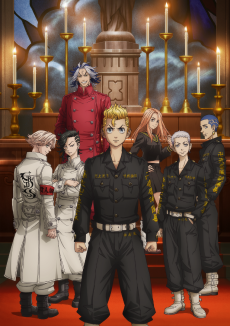
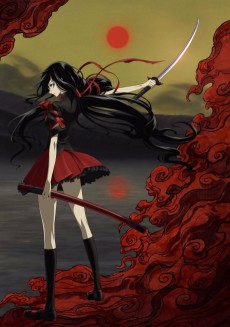
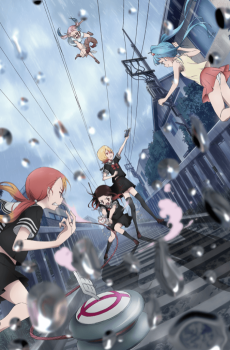








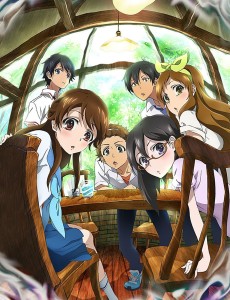





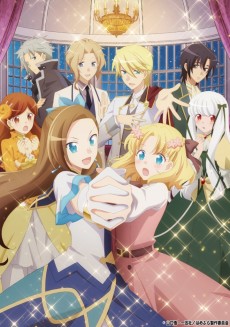

































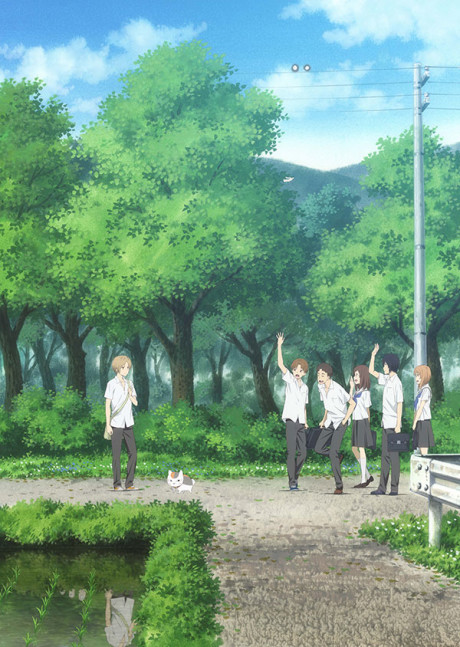


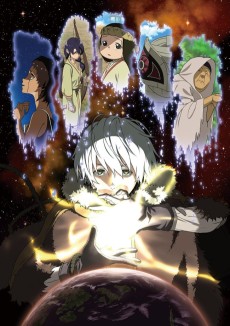


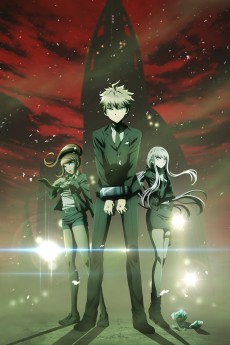

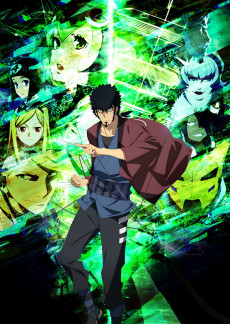













Match Dimensions Explained
❓Frequently Asked Questions
Why is Lord of Mysteries considered the closest anime to Disco Elysium?
Because like Harry Du Bois, protagonist Klein Moretti navigates a decaying world where ideology, class, and forgotten gods bleed into daily life—think his tense confrontation with the 'Silent Sister' in Chapter 142, where metaphysical dread meets bureaucratic exhaustion. Both use layered narration (Klein’s internal monologue vs. your Skill Checks) to expose how systems—capitalist, imperial, or occult—trap even the most self-aware minds.
Is there an anime adaptation of Disco Elysium?
No—there’s no official or licensed anime adaptation, and ZA/UM hasn’t announced plans for one. That said, Moriarty the Patriot captures the same noir-political texture: Sherlock’s razor-sharp deductions during the ‘Red Terror’ arc mirror your Interrogation skill checks, while his morally slippery alliance with Professor Moriarty echoes the game’s ‘Become a hero or an absolute disaster’ tension.
How does Gosick compare to Monster for Disco Elysium fans?
Gosick leans harder into melancholic academia and symbolic decay—like Victorique solving the ‘Black Wing’ case amid crumbling Saint Marguerite’s library—while Monster delivers the visceral political thriller weight: Johan’s manipulation of post-war German institutions mirrors the game’s critique of capital subsuming dissent (just like that gut-punch line from Player Review 1). Both nail the ‘unforgettable characters + systemic rot’ combo, but Monster’s tone aligns more closely with Disco Elysium’s emotional brutality.
What’s the best anime like Disco Elysium if I want that ‘hurts to think about what could have been’ vibe?
Ranma 1/2 (2024) — not the slapstick classic, but this reimagining digs into trauma, fractured identity, and quiet despair. Watch Ranma’s silent breakdown after failing to protect Akane in Episode 7, or the haunting ‘mirror corridor’ sequence where his Skills (like Empathy or Logic) literally fracture his reflection. It channels the raw, heartbreak-heavy ache of Player Review 2—where hope and ruin live in the same breath.