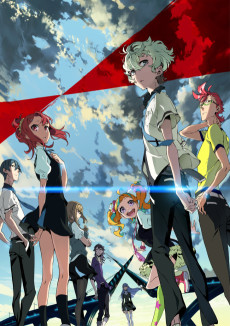
Kiznaiver
The fictional Japanese city named Sugomori City is built on reclaimed land. But as the years go by, the city's population is decreasing. One day, Sonosaki tells her classmate Katsuhira: "You have been selected to be a Kiznaiver." The Kizuna System, which allows Katsuhira to share his wounds, connects him to the classmates whose lives and personalities completely differ from his. The Kizuna System is an incomplete system for the implementation of world peace that connects people through wounds. All those who are connected to this system are called Kiznaivers. When one Kiznaiver is wounded, the system divides and transmits the wound among the other Kiznaivers.
(Source: Anime News Network)
📺Anime Details
📝Editorial Analysis
The first time Katsuhira feels someone else’s pain—not his own, not imagined, but real, sharp, and alien—it hits like a delayed concussion: a sudden, wet warmth spreading across his palm as he grips the railing of Sugomori City’s rain-slicked overpass. He looks down at his hand, confused, then up at Chidori—her face twisted in silent agony from a fall she took three blocks away. No warning. No consent. Just connection, raw and involuntary, humming beneath the city’s fluorescent hum. That moment isn’t about shock or action—it’s about recognition: the terrifying intimacy of feeling another person’s wound before you even know their name.
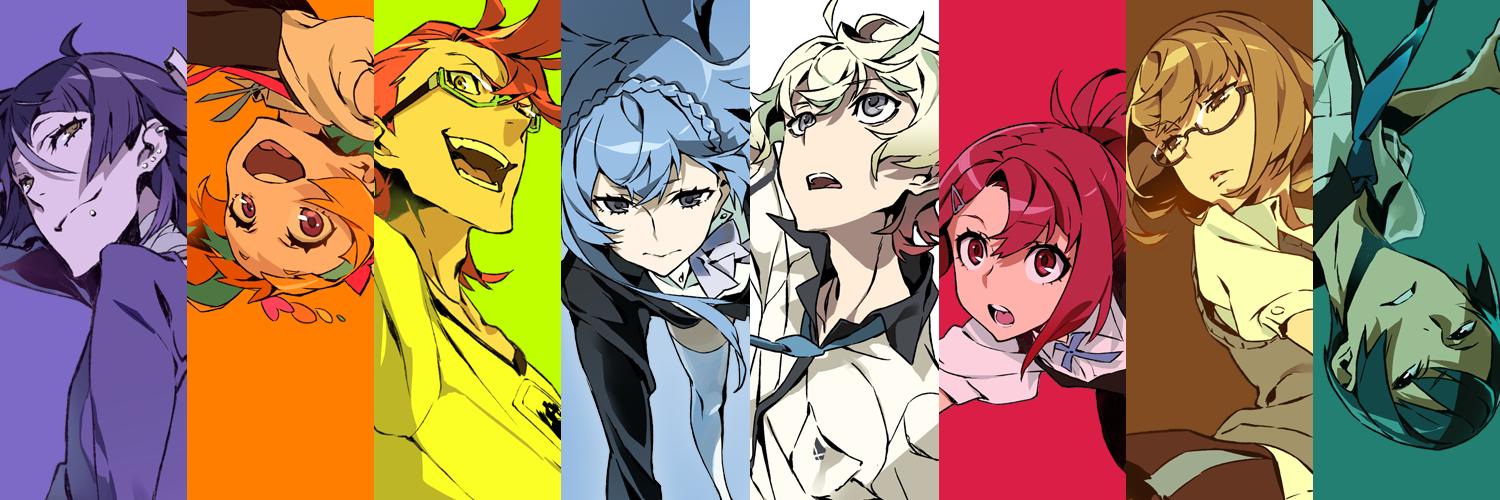
That’s the atmosphere of Kiznaiver: not dystopia, not thriller, but tender disorientation. It’s the weight of shared silence in a classroom where everyone knows they’re being watched—not by cameras, but by the Kizuna System’s quiet, clinical pulse. It’s the exhaustion in Sonosaki’s voice when she says “You have been selected,” not as an honor, but as a diagnosis. This anime doesn’t ask if people should be connected—it assumes they already are, frayed and bleeding into one another, and forces us to sit with the discomfort of that truth. It makes you feel fragile, responsible, and strangely tender toward strangers—even when they hurt you, especially when they do. There’s no grand villain, only the slow erosion of boundaries, the quiet horror of rehabilitation disguised as care, and the stubborn, flickering hope that love might survive being weaponized.
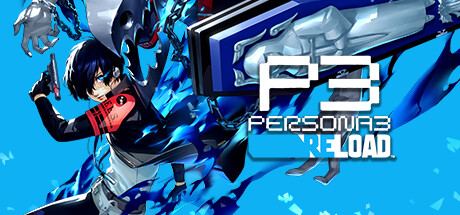
Persona 5 Royal resonates because it, too, builds its world on emotional architecture. Like Sugomori City, Tokyo in Persona 5 Royal is a character—layered, oppressive, pulsing with unspoken tension—and your relationships aren’t side quests; they’re dungeons, each one demanding vulnerability, patience, and repeated return. The player review nails it: “the seamless transition between daily life…” That’s Kiznaiver’s rhythm too—the way a lunchtime conversation with Noriko bleeds into the ache of her panic attack hours later, how Katsuhira’s amnesia isn’t just memory loss but a metaphor for emotional illiteracy we all carry. Both ask: what does it mean to build trust when your body betrays you—or when your heart has been surgically rewired?
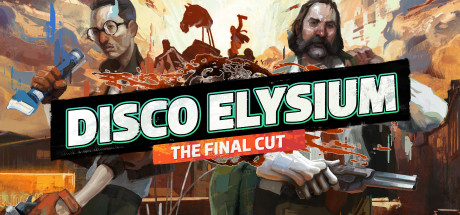
Disco Elysium - The Final Cut shares that same gut-level philosophical unease. Its detective doesn’t solve crimes—he unravels himself, sentence by sentence, thought by fractured thought. The player review quotes capital’s cruel irony: “Even those who would critique capital end up reinforcing it instead.” That’s the Kizuna System in a nutshell—a peace project built on exploitation, sold as empathy, justified as progress. In both, ideology wears a lab coat. You don’t choose sides—you stumble through systems that claim to heal while deepening the wound. The rain in Revachol falls just as relentlessly as it does in Sugomori City, and in both, it soaks through your coat before you realize you’ve stopped trying to stay dry.
Dragon Age: Origins, too, lives in that space where love isn’t escape—it’s labor. The review mentions pausing mid-battle to strategize, and that’s precisely how Kiznaiver treats romance: not as flourish, but as tactical, exhausting, necessary recalibration. When Katsuhira hesitates before holding Yukako’s hand—not out of disinterest, but because he’s terrified of transmitting pain or receiving hers—that pause mirrors the deliberate, weighted choice to pursue Alistair or Morrigan: love as commitment under duress, as risk management, as rehabilitation of the self through another.
These pairings belong to the person who watches a sunset and feels the weight of collective grief behind it—who reads a text message and wonders what part of themselves they’re editing out before hitting send—who plays a game not to win, but to linger in the silence between choices. They’re for the ones who remember what it felt like to be seventeen and utterly unmoored, whose heart still flinches at the word connection, not because they fear it—but because they know, in their bones, how much it costs.
🎮17 Games That Match the Vibe






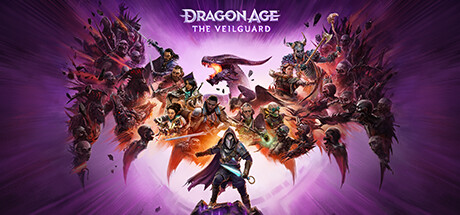

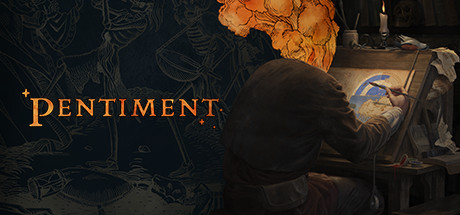
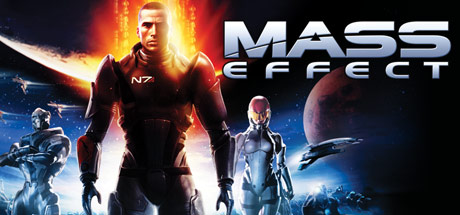

Match Dimensions Explained
❓Frequently Asked Questions
Why does Persona 5 Royal feel so much like Kiznaiver despite being a JRPG?
Because both hinge on visceral emotional bonds formed through shared pain and moral ambiguity—like when Joker’s party confronts their own traumas in Mementos, mirroring Kiznaiver’s nerve-pain link between characters. The Social Links system (especially with Ann or Makoto) mirrors Kiznaiver’s forced intimacy, and the game’s ‘heist’ framing of psychological rebellion echoes the show’s themes of collective suffering and catharsis.
Is there a Disco Elysium anime adaptation, since it feels so much like Kiznaiver?
No anime adaptation exists—but that’s probably for the best, because Disco Elysium’s power lives in its internal monologue and skill-check-driven storytelling, like when your failed 'Logic' roll makes you hallucinate a talking maggot while investigating the wharf. That deeply subjective, fragmented psyche is way closer to Kiznaiver’s raw, unreliable narration than any animated retelling could capture.
How is Dragon Age: Origins different from Mass Effect (2007) if both are 'Kiznaiver-like' emotional RPGs?
Dragon Age: Origins forces moral weight into every choice—like sacrificing Alistair or Loghain—where consequences linger across entire acts, echoing Kiznaiver’s irreversible emotional toll. Mass Effect (2007), by contrast, leans into heroic agency and galactic-scale stakes; its romance with Liara feels more aspirational and less psychologically entangled than Origins’ messy, grounded relationships with Morrigan or Leliana.
What’s the best Kiznaiver-like game if I want that heavy, melancholic, rain-soaked Tokyo vibe?
Persona 5 Royal—hands down. From the neon-lit Shibuya scramble to the quiet loneliness of Joker riding the Yamanote Line at midnight, its aesthetic and pacing mirror Kiznaiver’s urban isolation. Even the Phantom Thieves’ masks and heists echo the show’s masked vulnerability, and scenes like the rooftop confession with Ann hit with the same aching, rain-slicked sincerity.