Crash Time 2
Crash Time 2 is an open-world arcade racing game where you play as an Autobahn police officer, engaging in high-speed chases, escort missions, and criminal investigations across a large free-roaming map.
🎮Game Details
💬What Players Say
"ngl, boys, this one aint it. Awful controls, almost no structure, janky physics and factually BAD controls, no basic support for gamepad.. yeah......."
"based on the popular mid-90s german tv series 'alarm für cobra 11' the games however never really became a particularly notable game series. the most memorable part is, quite literally, the crash mechanics. vehicle damage feels surprisingly realistic and it’s oddly fun just smashing into things to see the destruction...."
"Enjoy some drinks while you are playing and your golden."
📝Editorial Analysis
The Autobahn stretches—endless, rain-slicked, neon-bleeding at the edges—and your cruiser fishtails sideways into a median barrier with a sound like a dying fax machine. No checkpoint. No retry prompt. Just the thud, the shudder, the controller vibrating uselessly in your hands as you stare at the dashboard’s flickering speedometer: 187 km/h, then 0, then nothing but static and the faint, tinny German radio voice crackling “…Verdächtiges Fahrzeug… Richtung Köln…” You haven’t even seen the suspect car yet. You just know it’s out there—somewhere beyond the fogged rearview, somewhere between the official description’s “free-roaming map” and Player Review 1’s exhausted “awful controls, almost no structure, janky physics”. That moment isn’t failure. It’s disorientation made tangible: the world is vast, the rules are loose, and authority—your police badge, your siren, your very sense of control—is perpetually one oversteer away from collapse.
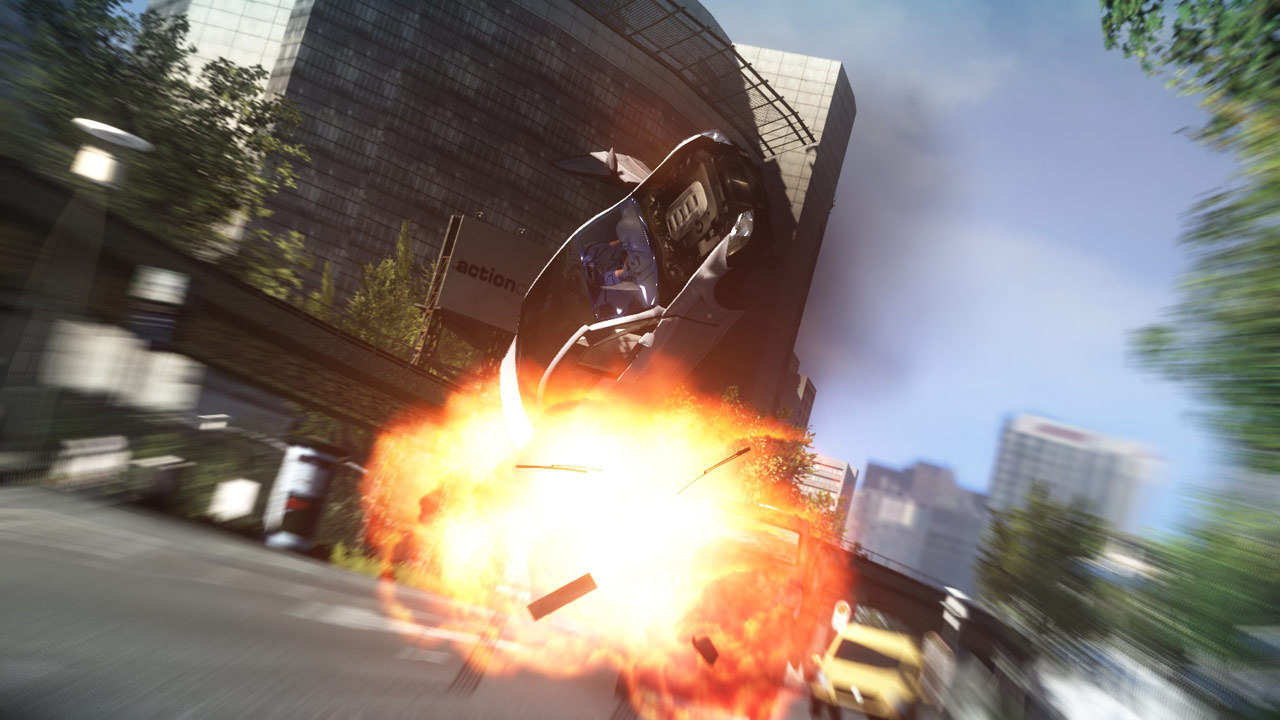
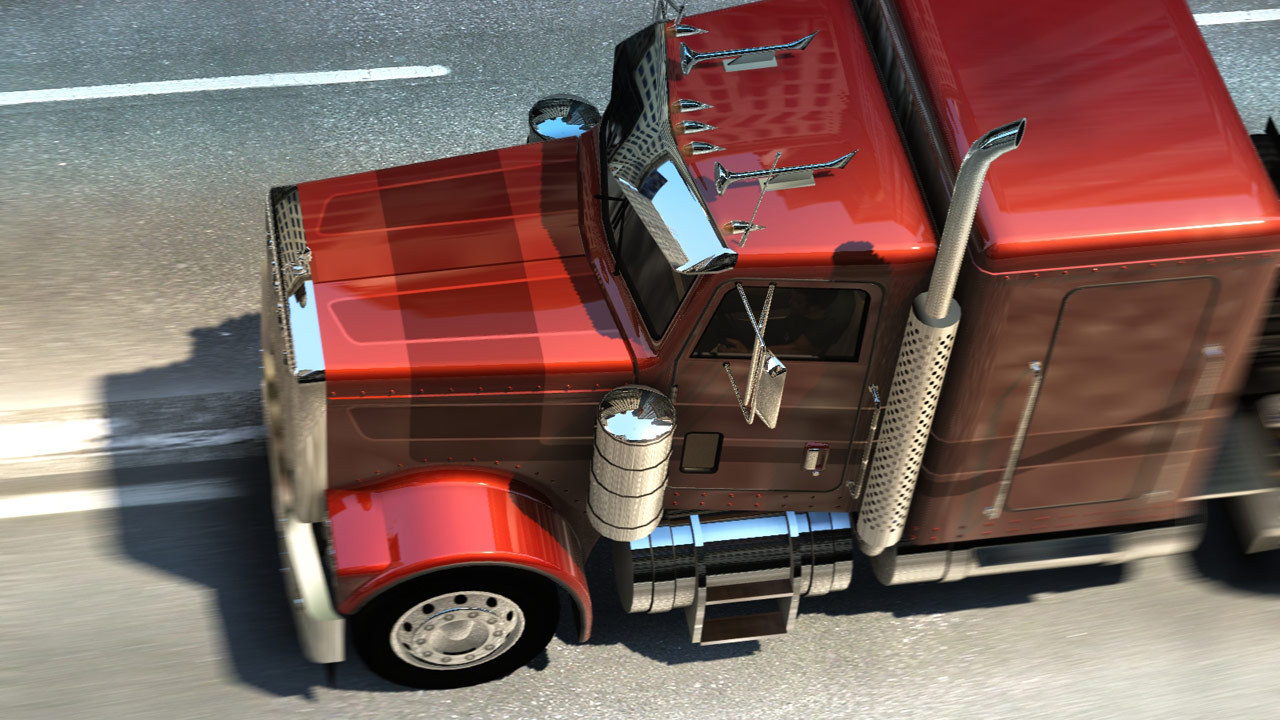
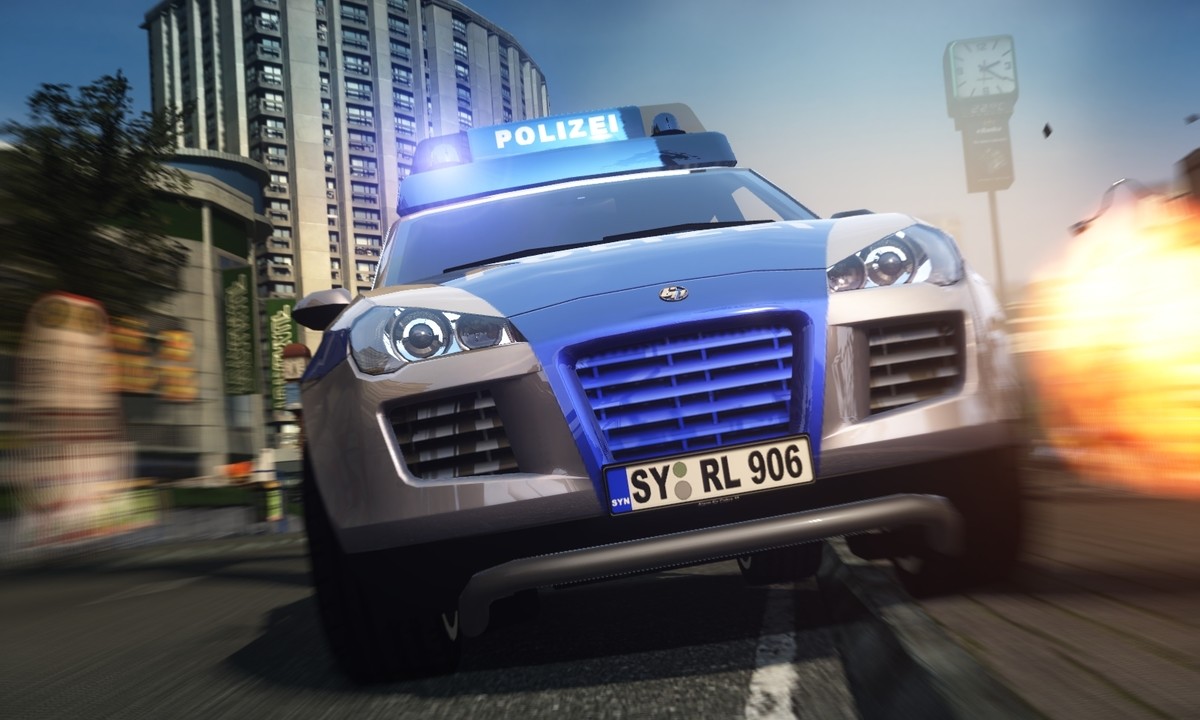
That’s the feeling Crash Time 2 exhales: not tension, but uncertainty. Not adrenaline, but unease. It’s the emotional residue of playing a cop whose job description includes “chase,” “escort,” and “investigate”—yet whose tools are so unresponsive, so stubbornly analog, that every mission bleeds into ambient drift. There’s no HUD telling you where to go next. No moral compass, no narrative cutscenes—just the low hum of tires on wet asphalt, the distant wail of sirens you might be chasing or becoming, and the quiet dread that your next turn could send you careening off the map entirely. It’s not about winning. It’s about persisting—a lone figure in a fluorescent-blue patrol car, trying to impose order on a system that refuses to cohere. That’s why Player Review 3 says “Enjoy some drinks while you are playing and your golden…”: because clarity isn’t the goal. Surrender to the glitch is.
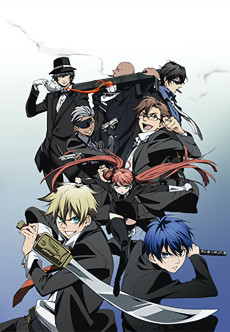
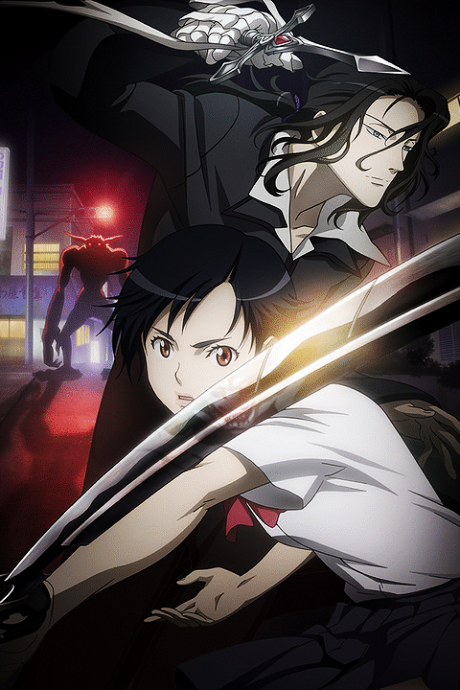
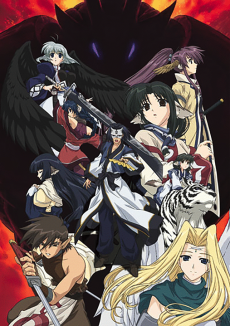
Black Butler shares that same neon-noir dissonance—the way elegance and decay occupy the same frame. Ciel Phantomhive solves mysteries in candlelit parlors while his butler slices through shadows with surgical grace—but beneath the polish is rot, trauma, and systems so brittle they shatter under scrutiny. Like Crash Time 2’s Autobahn, the Victorian London of Black Butler feels structured until you lean in: then the cobblestones blur, the contracts twist, and every resolution leaves a stain. Both trade in Mystery & Detective not as puzzles to solve, but as atmospheres to inhabit—where logic frays at the edges and emotional weight lands heavier than any plot twist.
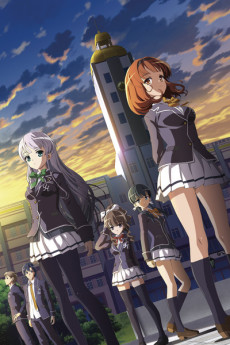
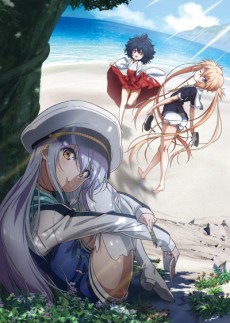
Gosick, too, lives in that liminal space: Saint Marguerite Academy gleams under perpetual winter light, its snow-dusted spires pristine—until you follow Victorique into the library’s forgotten stacks and find pages water-stained, margins scribbled with frantic, half-erased theories. The neon-noir here isn’t electric—it’s the cold blue of moonlight on frost, the amber glow of a single desk lamp illuminating a truth too painful to name. Like Crash Time 2’s escort missions—where you’re supposed to protect a VIP but spend ten minutes circling a roundabout because the AI won’t move—you’re supposed to trust the surface. But both whisper: look closer. what’s holding this together? Their shared Emotional Narrative doesn’t unfold in exposition. It pools—in silence, in hesitation, in the weight of a glance held a beat too long.
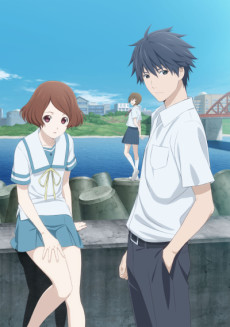
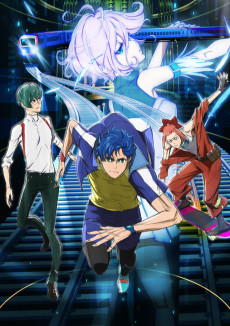
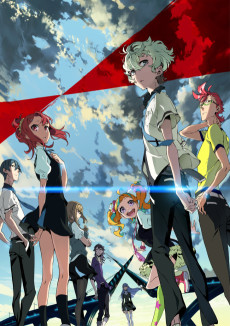
And then there’s RE-MAIN, where competitive spirit isn’t about victory—it’s about reassembly. After a catastrophic pool accident fractures his body and team, Kai must relearn how to move, how to trust, how to exist inside a sport that demands absolute precision. His struggle mirrors Crash Time 2’s jank: the controls don’t obey, the physics refuse to cooperate, yet he keeps steering—not toward a finish line, but toward coherence. That’s the core resonance: Competitive Spirit as an act of quiet, stubborn repair. Every failed chase, every botched escort, every time you restart after clipping a guardrail isn’t frustration—it’s devotion. A vow to keep the engine running, even when the gears grind.
This pairing isn’t for people who want clean arcs or polished mechanics. It’s for the ones who linger in the rain-soaked pause before the crash—the ones who find poetry in broken inputs, beauty in unresolved tension, and deep, aching comfort in stories where meaning isn’t delivered—it’s forged, slowly, imperfectly, in the space between intention and impact.
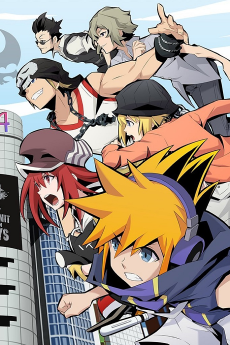
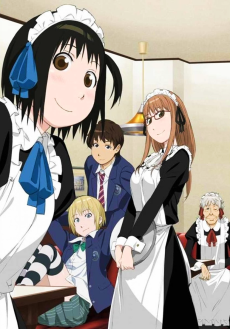
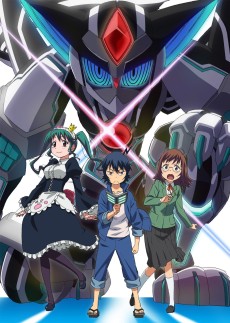
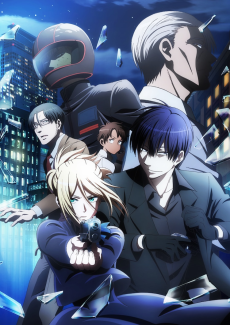
→213 Anime That Match the Vibe
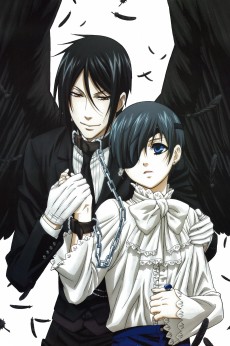
Neon-lit Autobahn overpasses mirror Black Butler’s gaslit London alleys—both drenched in 🌃 Neon Noir where justice wears a badge or a butler’s gloves. Ciel’s cold, methodical vengeance echoes the player’s procedural takedowns: each pursuit a puzzle, each clue a step toward truth in a world where power hides behind polished surfaces. Unlike most detective pairings, this resonance isn’t about logic alone—it’s the 💔 Emotional Narrative binding duty and damnation, where every siren wail feels like a requiem for lost innocence.

Neon-lit Autobahn overpasses in *Crash Time 2* mirror the rain-slicked, art-deco alleyways of Sauville where Kazuya walks with Victorique—both worlds steeped in 🌃 Neon Noir atmosphere where light reveals just enough to deepen the shadow. Unlike most police procedurals or school mysteries, neither reduces 🔍 Mystery & Detective work to plot mechanics: Victorique deciphers truth through fragile human contradictions, while the player’s pursuit hinges on reading tire smoke, radio static, and suspect hesitation. It’s startling how both locate 💔 Emotional Narrative not in grand declarations, but in the quiet weight of a rearview mirror’s reflection—Victorique’s tired eyes, the officer’s unspoken fatigue after a chase.
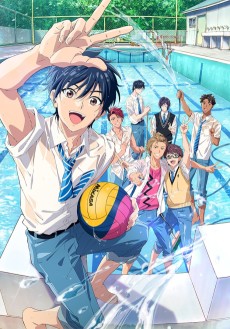
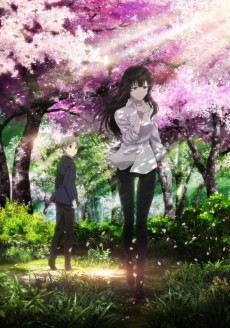
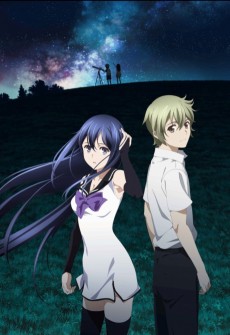
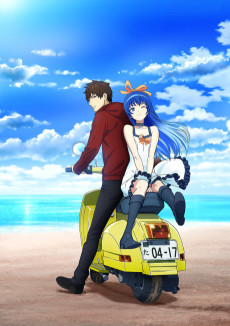
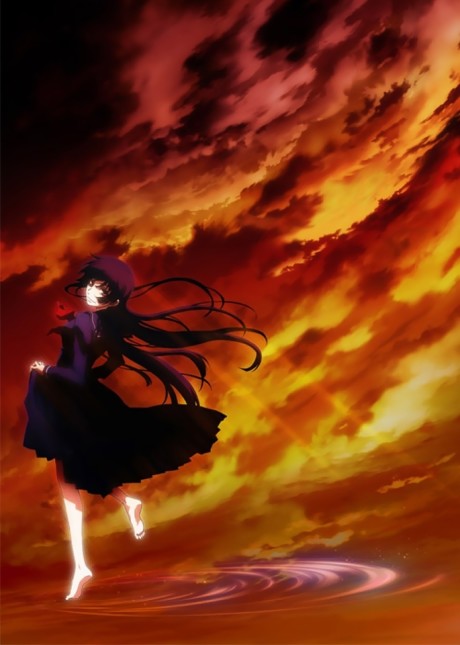
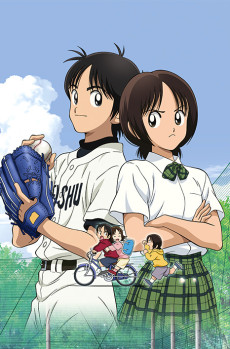
Minato’s disoriented first steps through the empty school pool—water rippling, echoes hollow—mirror the Autobahn’s lonely stretches at dawn, where sirens cut silence before a chase ignites. 🕵️♂️ Mystery & Detective isn’t just plot device here: both works treat memory as unstable terrain—Minato reconstructing identity from fractured moments, the officer piecing together criminal patterns across shifting city grids. That shared tension between speed and stillness makes their resonance unexpectedly poignant: pursuit as both duty and healing.
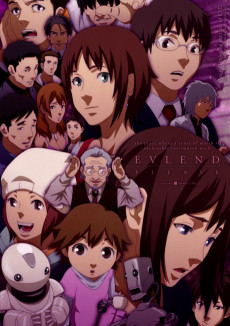
Layered mysteries that reward attention — every detail matters, and the truth is never simple.
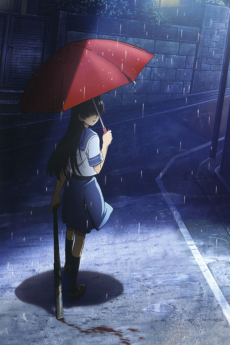
Layered mysteries that reward attention — every detail matters, and the truth is never simple.
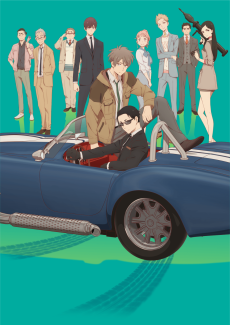
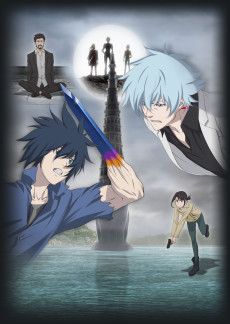
Neon-lit Autobahn overpasses in *Crash Time 2* hum with the same tense, rain-slicked ambiguity as Tokyo’s Yamanote Line surveillance shots in *The Millionaire Detective – Balance: UNLIMITED*. Daisuke Kambe’s calm, data-driven deductions mirror the player’s split-second tactical choices during high-speed pursuits—both navigate systemic corruption through layered, almost procedural mystery. Where the anime weaponizes wealth as forensic tool, the game treats police authority like a finely tuned chassis: sleek, powerful, and quietly noir.
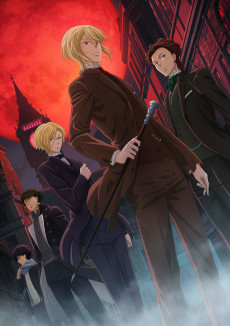
Neon-lit Autobahn chases in *Crash Time 2* pulse with the same grim, procedural tension as Moriarty’s chessboard manipulations in *Moriarty the Patriot*’s Season 1—where every arrest and alibi mirrors a calculated societal takedown. 🌃 Neon Noir binds them: rain-slicked German highways and gaslit London alleys both frame moral ambiguity not as backdrop but as active antagonist. Unlike most cop dramas, neither glorifies authority—instead, they dissect power through surveillance, misdirection, and the quiet dread of systems too vast to outrun.
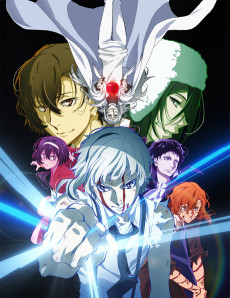
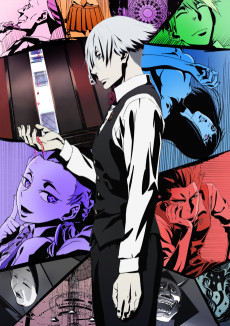
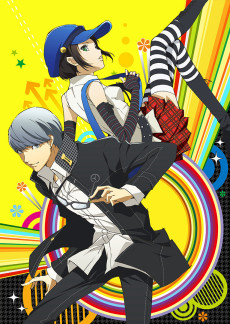
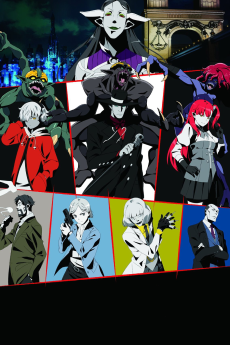
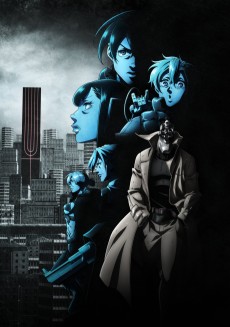
Neon-lit fog curls around Frankfurt’s Autobahn in *Crash Time 2* just as it does over Yokohama’s docks in *DEAD APPLE*—both using atmospheric mystery to obscure motive and amplify dread. Unlike most police procedurals, neither leans on forensics but on intuition: Ango Sakaguchi reads micro-expressions amid chaos, while your officer interprets tire marks and radio static mid-chase. This shared 🔍 Mystery & Detective sensibility transforms routine patrols and investigative monologues into pulse-quickening, rain-slicked noir—surprisingly harmonious for works separated by genre and medium.
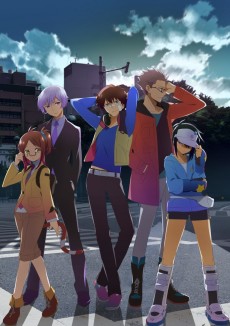
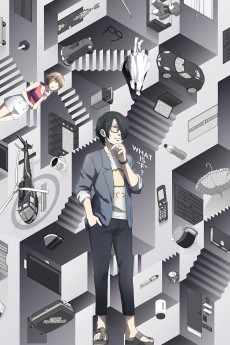
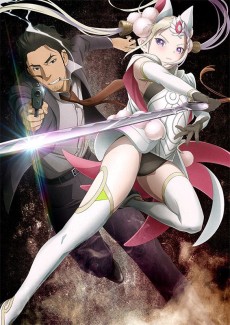
Neon-drenched Yokohama alleyways pulse with the same electric tension as the Autobahn’s rain-slicked curves at midnight. Where Nice’s “Minimum” lets him reconstruct crime scenes in vivid, fragmented detail, Crash Time 2’s police procedural framing forces players to piece together suspect routes, witness statements, and traffic cam data—turning pursuit into deduction. This shared 🔍 Mystery & Detective DNA transforms speed not just into spectacle, but into forensic rhythm: chases become interrogations, and every skid mark holds a clue.
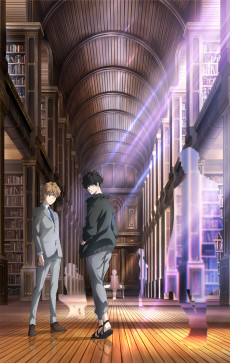
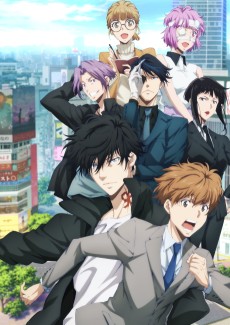
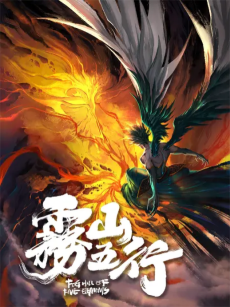
Both *Crash Time 2* and *Ron Kamonohashi’s Forbidden Deductions* steep their mysteries in a humid, rain-slicked neon noir where flickering signage bleeds indigo and crimson onto wet asphalt—think *Crash Time 2*’s nocturnal Hamburg chase through neon-drenched alleyways mirroring Ron’s rain-lit confrontations outside the Black Room, where every shadow holds a lie. Their shared aesthetic pulses wi...

















































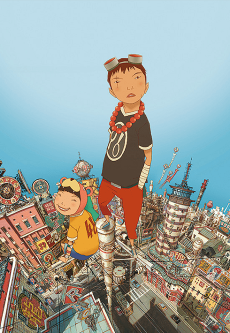

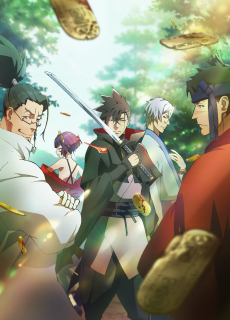

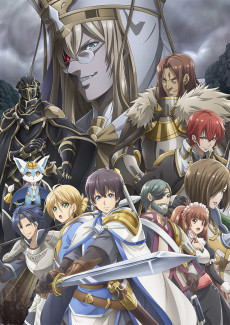
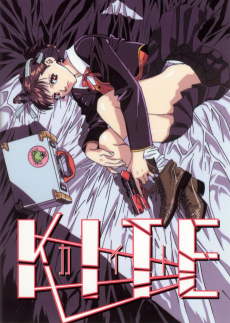

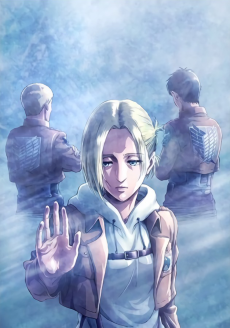



























Match Dimensions Explained
❓Frequently Asked Questions
Why is Black Butler listed as similar to Crash Time 2 when it’s not about racing or cops?
Great question — it’s not about the cars or uniforms, but the *structure*: like Crash Time 2’s Autobahn chases and criminal investigations, Black Butler drops Ciel Phantomhive and Sebastian into episodic, high-stakes mystery cases (e.g., the Jack the Ripper arc) with tight procedural pacing and noir-tinged visuals — that ‘Neon Noir’ dimension hits the same atmospheric nerve as the game’s rain-slicked German highways and tense stakeouts.
Is there an anime adaptation of Crash Time 2?
Nope — Crash Time 2 was never adapted into an anime. It’s purely a video game spin-off of the German live-action series *Alarm für Cobra 11*, and while fans have joked about Sebastian from *Black Butler* moonlighting as a Bavarian traffic cop, nothing official exists. That said, *Gosick* nails the same ‘detective-on-a-tight-clock’ energy — Victorique solving murders in the snowy Saint Marguerite Academy feels like a cerebral, stylish cousin to those timed pursuit missions.
How does RE-MAIN compare to Crash Time 2 in terms of tension and pacing?
RE-MAIN’s swimming competitions deliver that same white-knuckle, time-sensitive pressure you get during Crash Time 2’s escort missions — think Minato’s final race against the clock mirroring a high-speed convoy defense on the A8 autobahn. Both hinge on split-second decisions, emotional stakes, and physical precision, even though one’s in water and the other’s in a squad car — that shared ‘Competitive Spirit’ dimension is why it scores an 84 alongside the game’s matches.
What if I love Crash Time 2’s moody, rain-soaked detective vibe but hate racing games? What’s the best anime for that mood?
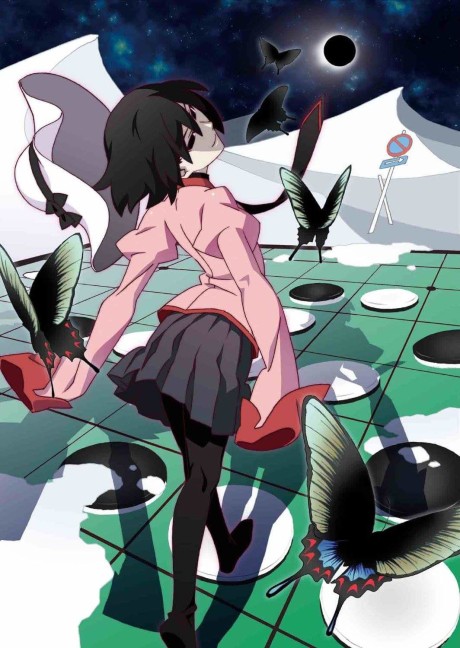
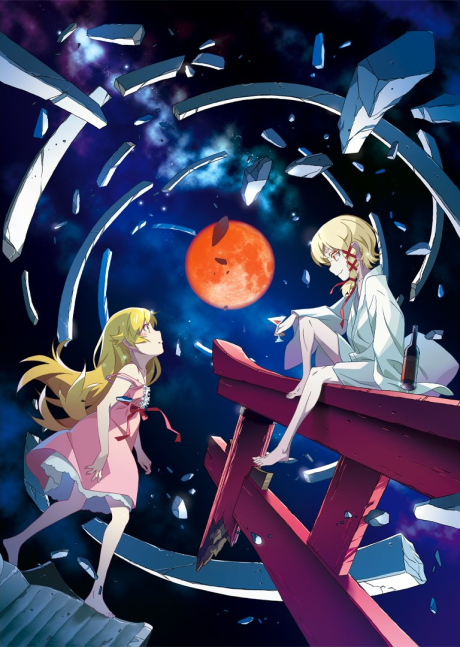
Then *Owarimonogatari* is your perfect match — it’s all slow-burn psychological tension, morally gray interrogations (like Koyomi confronting Shinobu in the library’s flickering light), and that heavy, adult *Emotional Narrative* + *Dark Seinen* tone. No chases, no sirens — just layered dialogue, haunting stillness, and the same brooding atmosphere as Crash Time 2’s quiet moments between crashes.