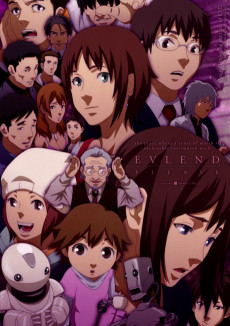
Time of Eve
📺Anime Details
📝Editorial Analysis
The clink of a ceramic mug settling on worn wood. Steam curling from black coffee as the bar’s soft light catches the faint seam where a robot’s collar meets her neck—unmarked, unexplained, just there, like the quiet hum of the air conditioner or the rustle of rain against the windowpane. No grand reveal. No alarm blaring. Just Rina placing the cup down, smiling slightly, and saying, “You’re late.” That’s the heart of Time of Eve: not a revolution, but a breath held too long—and finally, gently, released.
It doesn’t feel like sci-fi because it refuses spectacle. There are no exploding mechs, no dystopian riots, no AI overlords issuing edicts from orbital stations. It feels like leaning in. Like overhearing a conversation you weren’t meant to hear—but then realizing everyone’s been waiting for you to listen. The warmth isn’t in the plot; it’s in the weight of silence between words, in the way a human flinches—not at a robot’s presence, but at his own assumptions unraveling. You don’t think about consciousness here—you feel its fragility, its tenderness, its stubborn, quiet insistence on being shared. It’s intimate, unhurried, grounded—less about what robots are, more about what happens when we stop performing humanity and just sit together, side by side, under the same low ceiling.
That emotional DNA pulses strongest in VA-11 Hall-A: Cyberpunk Bartender Action. Its description names the genre—Cyberpunk & Dystopia—but the game’s soul lives in the same dim, rain-slicked bar where identities blur and drinks are served not as transactions but as lifelines. Player reviews praise its conversational depth, its patience with quiet moments—exactly the rhythm Time of Eve masters. When Jill mixes a cocktail while a client confesses their fear of obsolescence, or when a synth quietly adjusts their scarf before ordering tea, it’s not world-building—it’s witnessing. Same as Rina wiping the counter, same as Masaki noticing how Sigma’s fingers pause mid-stir, same as the unspoken understanding that safety isn’t granted—it’s offered, one drink, one glance, one withheld question at a time.
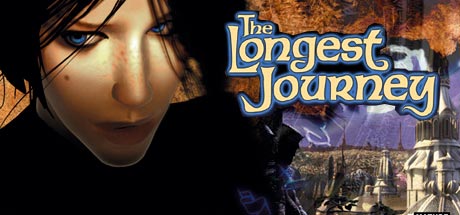
Then there’s The Longest Journey, whose player review nails it: “It’s less a long journey than a long conversation. And somehow, the conversation is good enough that you keep reading to the end…” That’s Time of Eve distilled. Not the parallel universes of April Ryan’s odyssey, but the parallel realities hidden in plain sight—the human world versus the unregulated android space, the official laws versus the unwritten rules of the café, the memory-laced amnesia of the protagonist versus the collective forgetting of society’s biases. Both trust dialogue over action, ambiguity over exposition, and treat belief—not proof—as the first act of empathy.
Even Indiana Jones® and the Fate of Atlantis™, buried under its pulpy adventure trappings, shares something vital: “An archaeological wonder trapped in amber.” Not the temples or the Nazis—but the feeling of touching something ancient and tender beneath layers of myth and dust. Time of Eve does the same with personhood. Every interaction—Shiho’s guarded laugh, Nagi’s careful mimicry of human hesitation, the way the bar’s door chime sounds identical whether opened by flesh or alloy—is an artifact unearthed slowly, reverently. It’s not about solving the mystery of android rights; it’s about learning to hold the mystery without breaking it.
This pairing won’t thrill someone chasing adrenaline or lore dumps. It’s for the person who replays the same three minutes of a scene just to hear the shift in a character’s voice when they say “I’m fine” and mean “I’m trying.” For the reader who bookmarks pages where a character pauses mid-sentence—not because they forget the words, but because they’re choosing them for the first time. For the player who saves before every dialogue branch, not to optimize outcomes, but to savor the weight of each choice—each yes, each wait, each I see you. They don’t want answers handed down. They want to sit in the quiet, steam rising, rain falling, lights low—and believe, just for now, that kindness doesn’t need permission to begin.
🎮54 Games That Match the Vibe













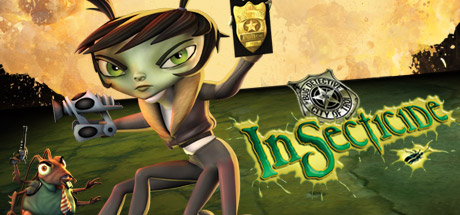
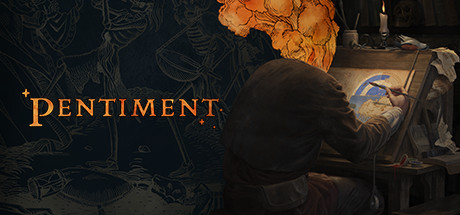

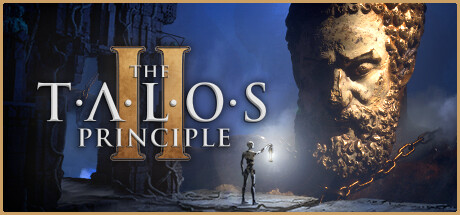
























Match Dimensions Explained
❓Frequently Asked Questions
Why is The Longest Journey listed as similar to Time of Eve when it’s about parallel universes instead of android cafes?
Great question—it’s not the setting that matches, but the *vibe*: like Time of Eve’s quiet tension in the café where humans and androids navigate unspoken rules, April Ryan’s journey hinges on subtle social observation and layered dialogue (like her conversations with the enigmatic sorceress Lene in the Otherworld). Both use restrained pacing and character-driven mystery—no action set-pieces, just people talking while the world quietly unravels around them.
Is there a Time of Eve video game adaptation?
No official adaptation exists—but if you’re craving that same gentle sci-fi intimacy, VA-11 Hall-A nails it: you play as Jill, a bartender in a neon-drenched dystopia serving androids like Dorothy (a weary nurse-bot) and Betty (a sharp-tongued info broker), listening to their stories over synth-laced drinks. It’s got the exact same ‘quiet humanity in a tech-saturated world’ warmth—and even shares Time of Eve’s focus on small, meaningful interactions over plot explosions.
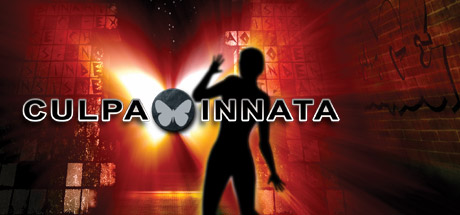
How does Culpa Innata compare to VA-11 Hall-A for android/human coexistence themes?
They both dive into dystopian society, but VA-11 Hall-A leans into warmth and dark humor—think serving a stressed-out android cop who jokes about her faulty memory while you mix her favorite cocktail. Culpa Innata? Cold, clinical, and exhausting: you’re trapped in the World Union’s ‘perfect’ surveillance state, running between sterile locations hunting clues, with zero downtime or charm. One feels like a late-night chat at the bar; the other feels like filing paperwork in a panopticon.
What’s the best game like Time of Eve if I want something cozy but still thoughtful—no combat, no rushing?
Go straight to The Longest Journey: April Ryan’s calm, observant presence and the way she parses emotional subtext in every conversation (like her tense, tender talks with the AI-like entity St. George) mirrors Time of Eve’s deliberate pacing and ethical quietude. It’s all walking, listening, and choosing what to say—not solving puzzles under time pressure, but sitting with ideas until they click, just like watching Rina and Shion share tea in the café’s soft light.