The Ship: Murder Party
The Ship is a murder mystery multiplayer.
🎮Game Details
💬What Players Say
"videos of this game are great and even playing solo the game is genuinely really funny but I wish they would either readd the ability to make private servers to play with friends or remove it from sale if they aren't fixing them. I would love to play this with friends </3 if you're getting this game, be aware that the tags are inaccurate and you can only really play solo now."
"Does not work anymore, unfortunately. Servers are down and no way to connect with friends."
"Game abandoned. no longer works in windows. no longer has servers...."
📝Editorial Analysis
You’re standing alone on the deck of a fog-draped luxury liner, pistol in hand, listening to your own footsteps echo across empty corridors—then a distant, muffled thump from behind a closed door. No music swells. No HUD tells you who’s nearby. Just silence, suspicion, and the faint, absurd realization that you’re both detective and murderer, and nobody’s coming to fix it. That’s The Ship: Murder Party: not a story you follow, but a situation you’re dropped into—a multiplayer murder mystery where the only script is paranoia, improvisation, and the sudden, hilarious wrongness of trying to stage a perfect crime while your friend hides inside a dumbwaiter.
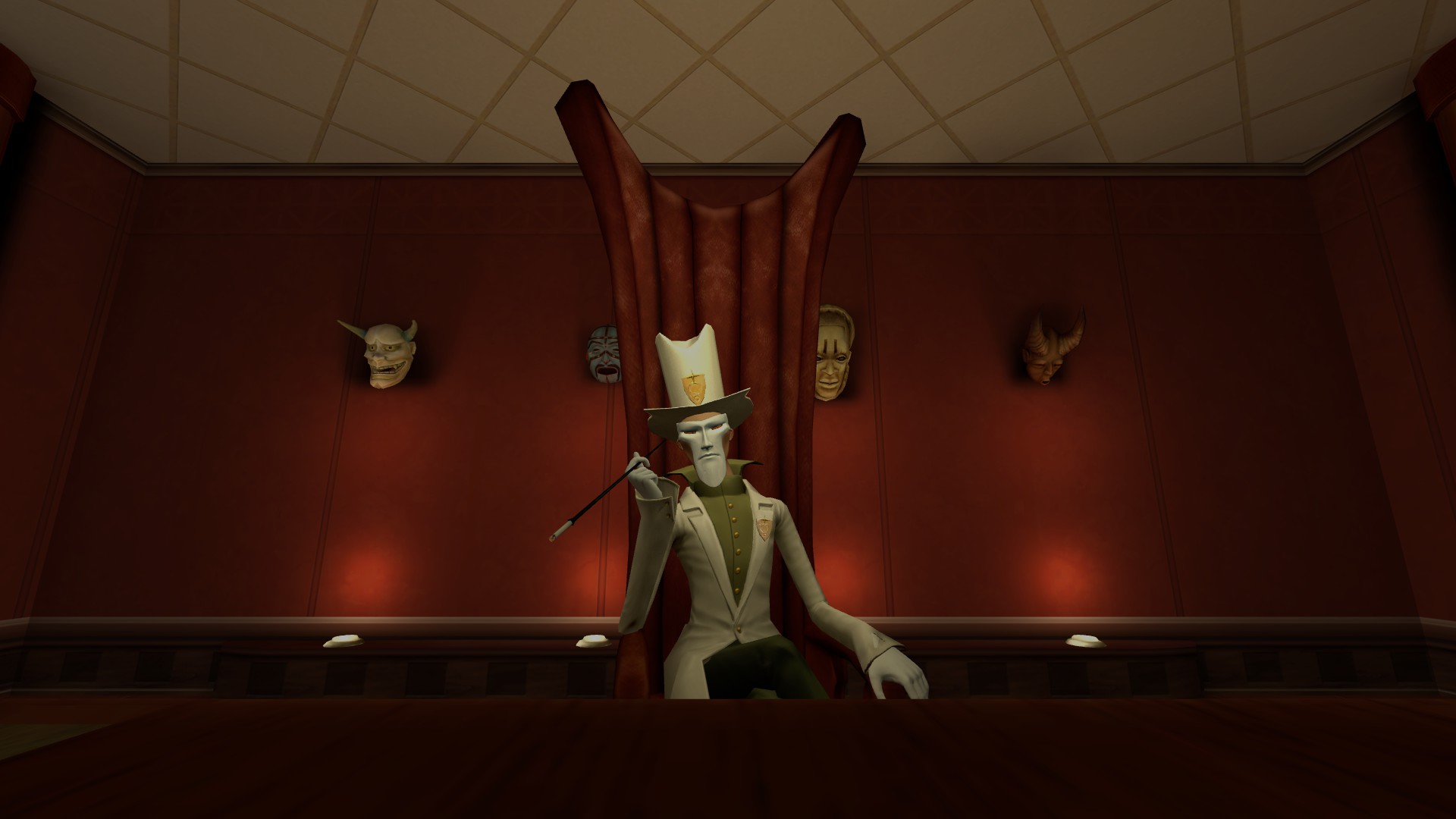
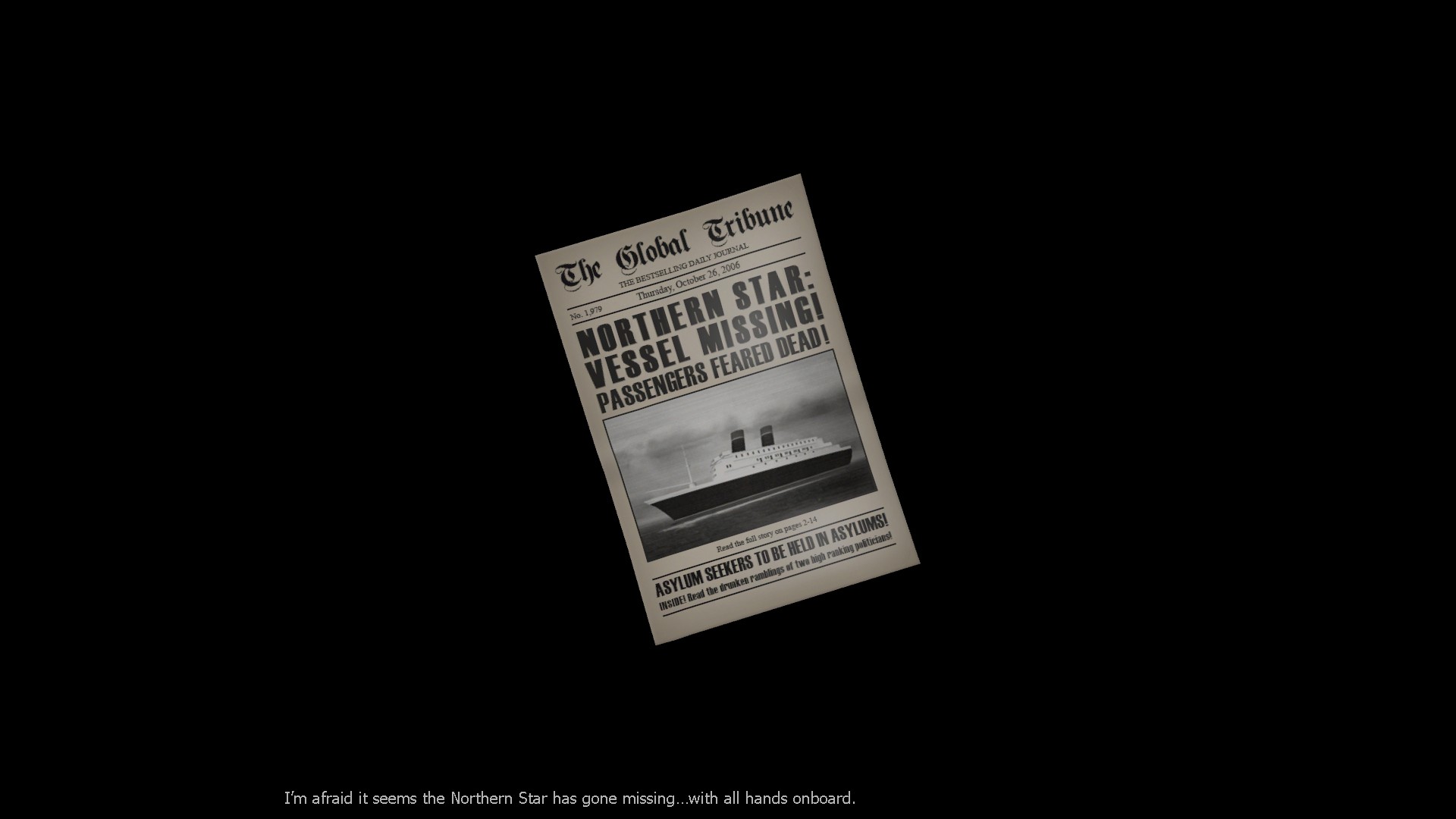
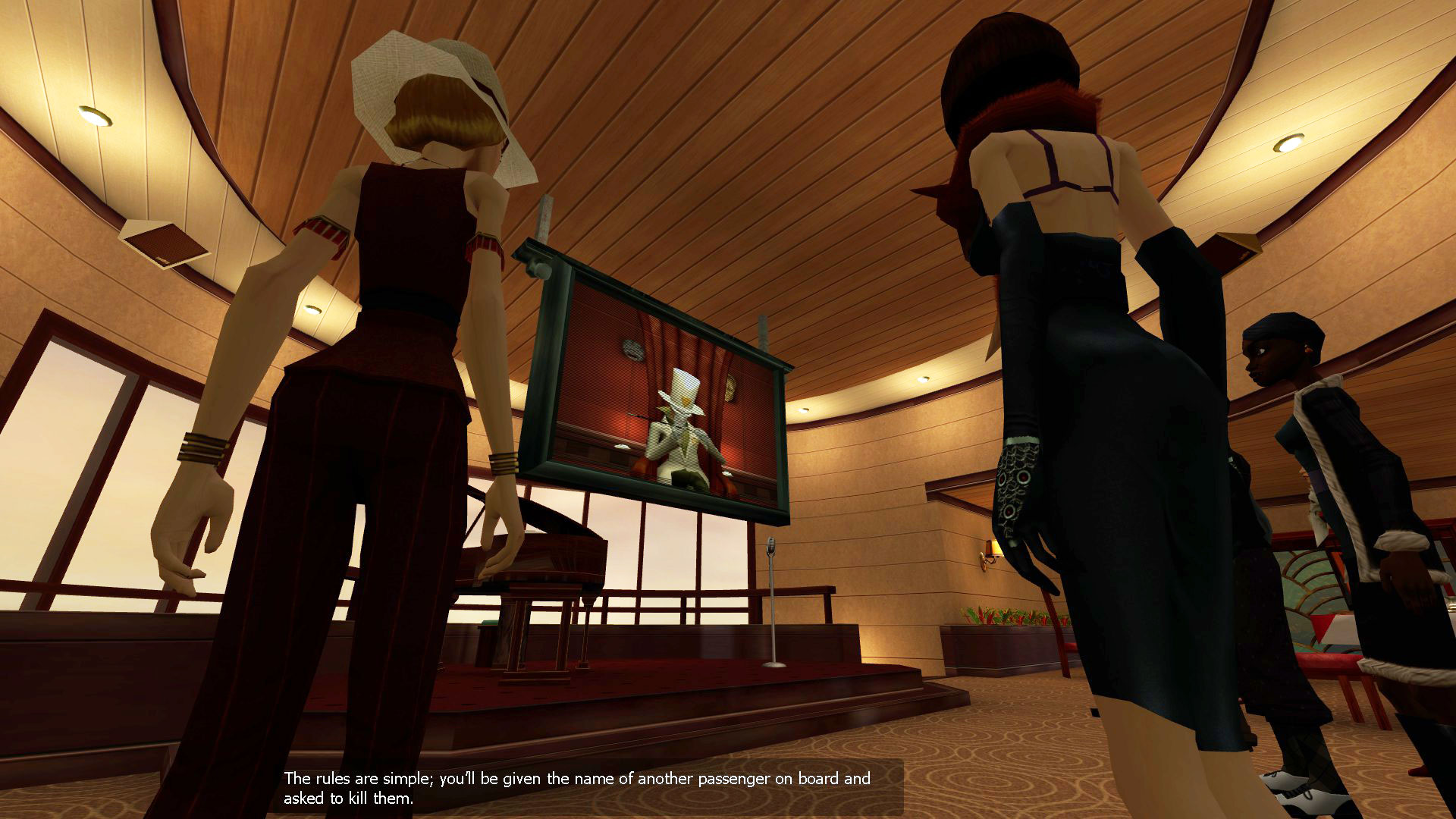
What makes it ache with such strange, persistent life—even now, when the servers are dead, the Windows compatibility broken, and the private server option just a ghost in a Steam review—is how unresolved it feels. Not broken, exactly—but abandoned mid-sentence. Player Review 2 says it plainly: “Does not work anymore… no way to connect with friends.” And yet Review 1 insists: “even playing solo the game is genuinely really funny.” That contradiction is the atmosphere: a world built for social chaos, now frozen in eerie solitude; a comedy designed for shared delusion, left echoing in vacuum. It doesn’t thrill you with stakes—it unsettles you with absence. The ship isn’t haunted by ghosts. It’s haunted by the memory of laughter that used to bounce off its ballroom walls, by the phantom weight of a revolver you can’t fire anymore, by the quiet dread of walking past a locked cabin knowing someone’s in there, and knowing you’ll never find out if they were ever real.
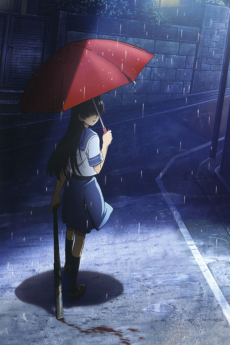
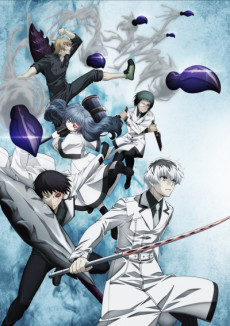
That exact tonal cocktail—equal parts Mystery & Detective, Comedy & Parody, and Neon Noir—pulses through The World God Only Knows II, where Keima’s hyper-rational detective work on girls’ emotional “locks” collapses into slapstick farce the second reality reasserts itself. Like The Ship, it treats deduction as performance: clues matter less than timing, misdirection, and the sheer awkwardness of pretending you’re in control. Then there’s Paranoia Agent, where the Murderville-esque urban unease isn’t solved—it metastasizes. Its Neon Noir isn’t about rain-slicked alleys, but flickering convenience store lights and the low hum of a city holding its breath. You don’t catch the culprit; you start wondering if you’re the symptom. Same with Ron Kamonohashi's Forbidden Deductions, where every “brilliant” solution unravels under its own theatrical weight—clues are red herrings wrapped in satire, wrapped in neon-lit despair. These aren’t whodunits. They’re why-still-bother units. They share The Ship’s refusal to grant catharsis—not because they’re unfinished, but because their logic demands the tension stay live, unresolved, humming just beneath the surface like a server that’s technically offline but still blinking faintly in the dark.
This pairing sings to the person who keeps rewatching the same three minutes of an anime because of how a character blinks before lying—or who spends twenty minutes hiding in a game’s ventilation shaft just to hear the sound of another player’s footsteps pause outside the grate, even though the match ended ten minutes ago. It’s for the ones who love awkwardness as narrative architecture, who feel more truth in a failed alibi than a solved case, who get chills not from victory—but from the suspended second before the gunshot, the laugh, the confession, or the crash screen. They don’t want answers. They want the ship’s engine to groan, the neon sign to sputter, the detective’s notebook to stay half-filled—and the silence after the last server goes dark to feel, somehow, exactly right.
→124 Anime That Match the Vibe
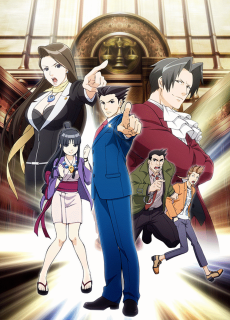
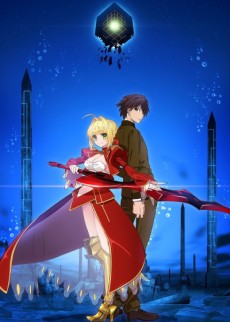
Connected through 3 aesthetic dimensions.

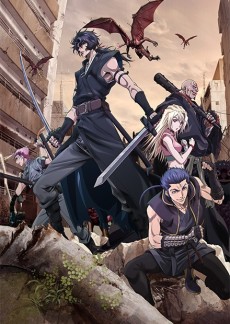
Connected through 3 aesthetic dimensions.

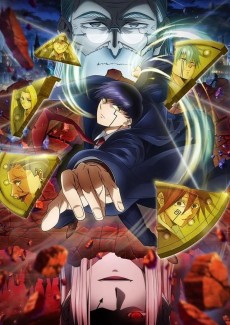
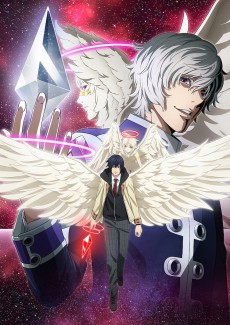
Connected through 2 aesthetic dimensions.
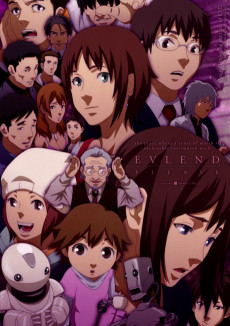
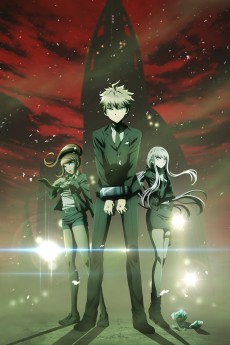
Connected through 2 aesthetic dimensions.

Connected through 2 aesthetic dimensions.
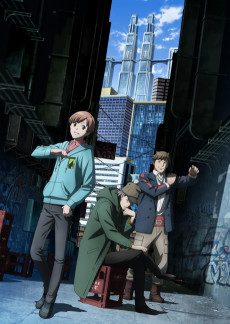
Connected through 2 aesthetic dimensions.

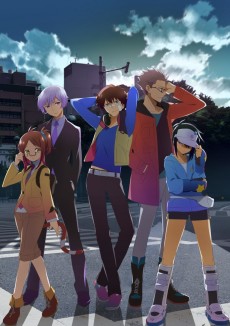
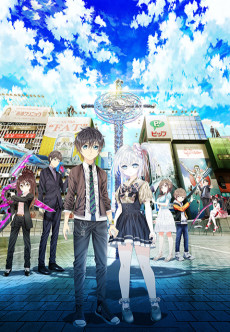
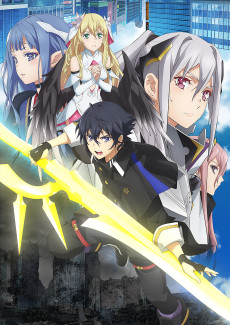
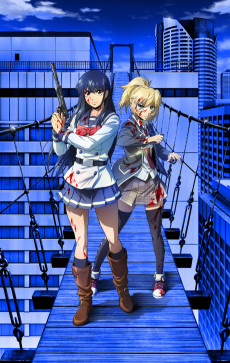
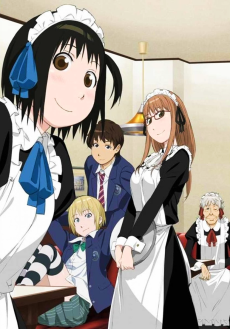
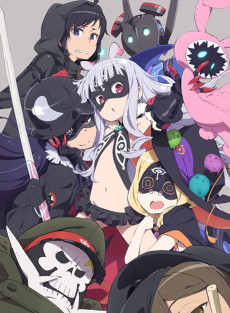
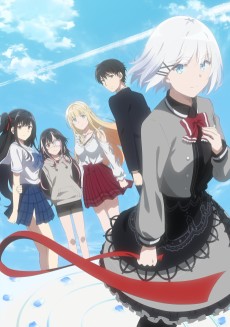
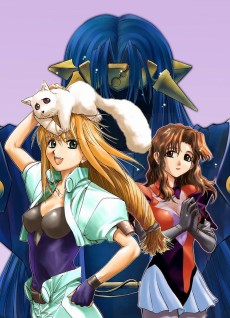
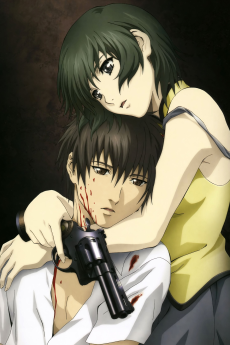
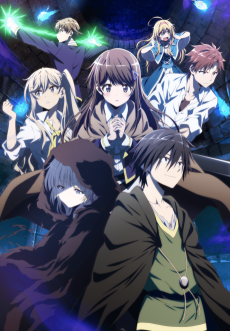
Youto’s desperate shrine visit to wish away his perverted thoughts mirrors The Ship’s tense “innocent until proven guilty” paranoia—both weaponize comedy to dissect guilt as performance. Where Yokodera fakes stoicism to hide desire, players fake alibis to hide murder, turning every interaction into a layered parody of detection. This mutual obsession with *performative innocence* makes their blend of 😂 and 🔍 uniquely unsettling—and weirdly tender.
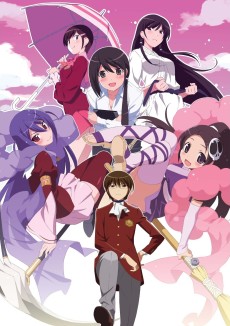
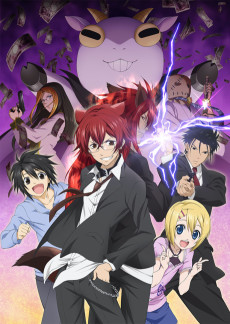
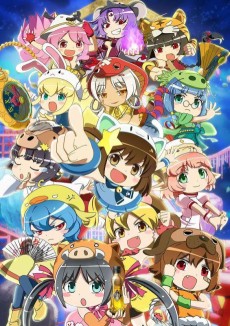
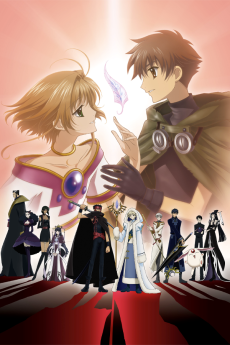
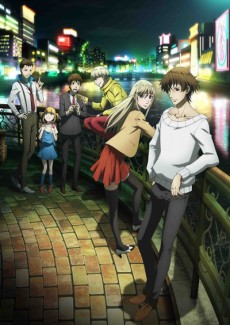
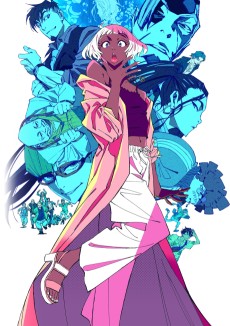
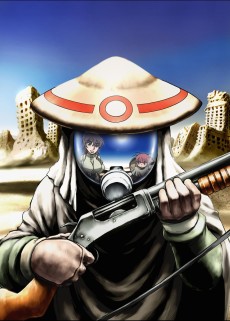
Haqua’s deadpan exasperation as she navigates Elsie’s chaotic soul-hunting—especially during the café-based “interrogations” of reluctant hosts—mirrors the brittle, performative suspicion in *The Ship*’s ballroom standoffs. Where *The World God Only Knows II* weaponizes romantic comedy to deflect supernatural stakes, the game twists detective tropes into lethal farce—both treat **Mystery & Detective** as a flimsy veneer over absurd, high-stakes roleplay. That shared tonal whiplash—between genuine tension and self-aware silliness—is unexpectedly electric.
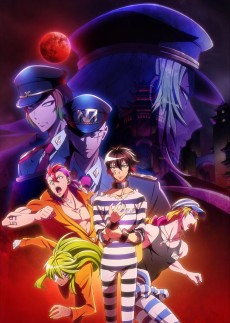
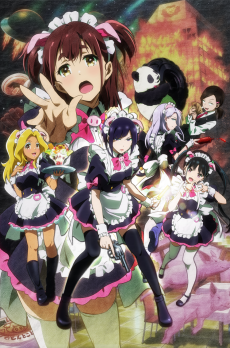
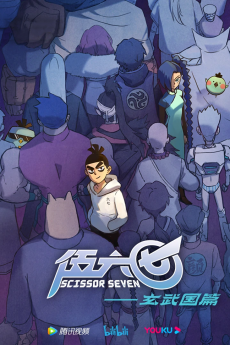
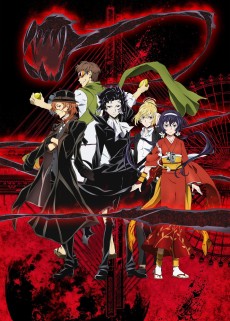
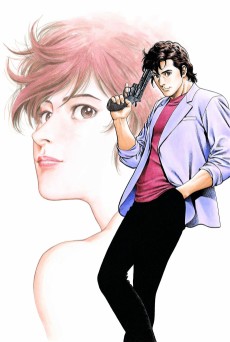
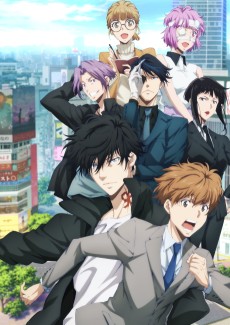
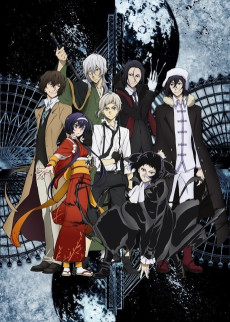
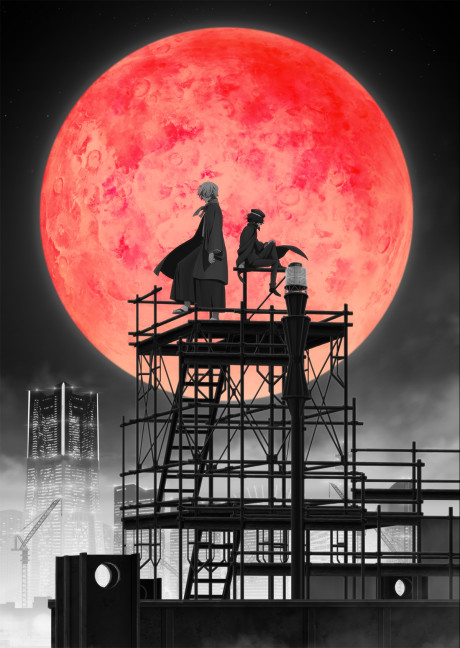
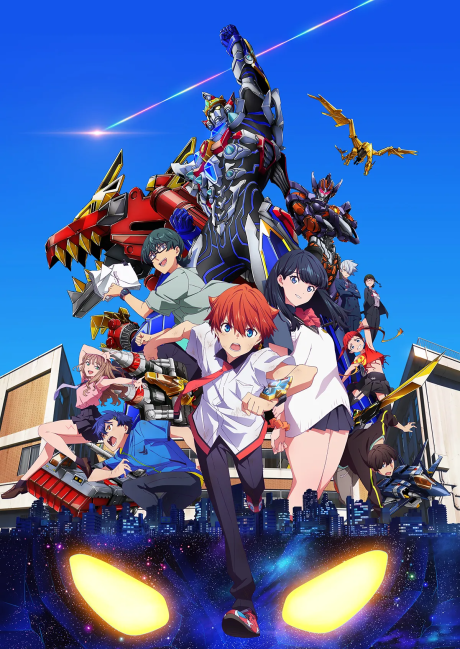
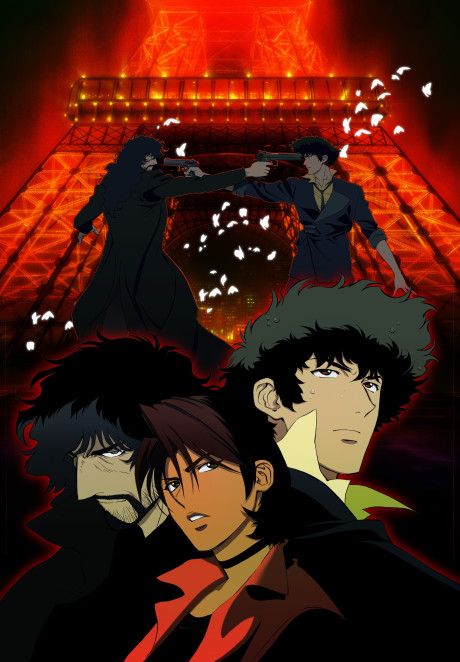
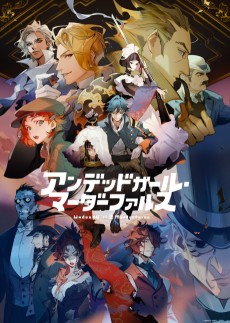
Neon-drenched Yokohama alleyways pulse with the same uneasy glamour as The Ship’s rain-slicked cruise liner decks—both trap characters in glittering, claustrophobic spaces where trust is a liability. Nice’s dry wit and Mura’s volatile intuition echo the game’s tense cat-and-mouse dynamics, where every smile could mask a knife and every clue demands cross-examination. Unlike most mystery media, neither leans on exposition; instead, they weaponize atmosphere—🔍 Mystery & Detective thrives in withheld glances, flickering signs, and the quiet dread of being watched from the shadows.
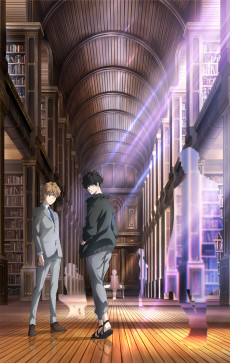
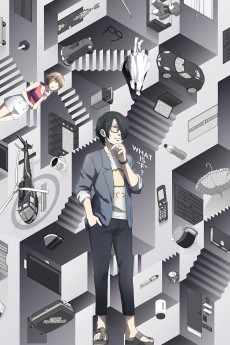
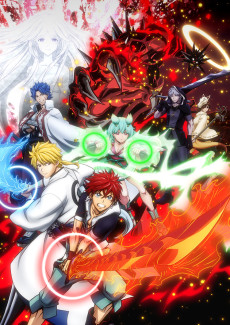
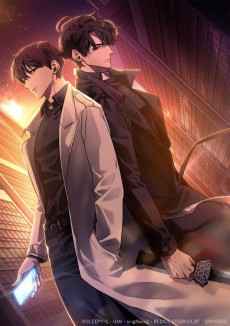
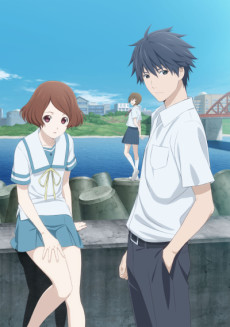
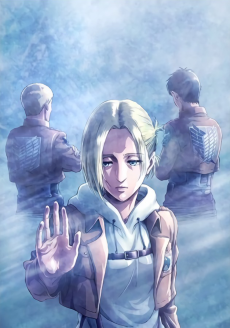
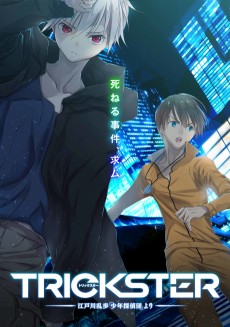
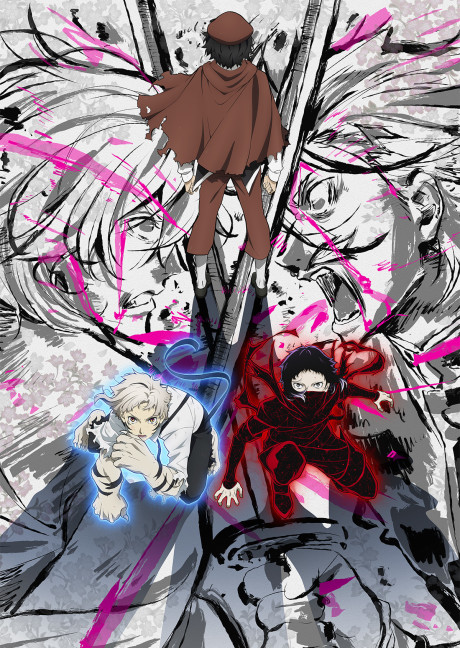
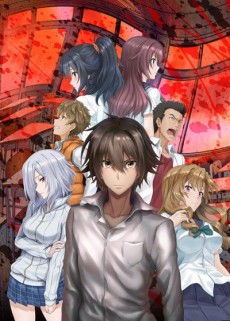
Neon-lit rain slicks the deck of *The Ship*’s luxury liner just as Toto’s flashlight cuts through the foggy alley where Ron first re-enters a crime scene—both worlds weaponize 🌃 Neon Noir to blur truth and illusion. Unlike most detective stories that privilege certainty, *Murder Party*’s chaotic multiplayer suspicion mirrors Ron’s forbidden deductions: brilliance punished, logic destabilized by human error. That shared tension—where mystery isn’t solved but *performed*, under flickering light and shifting loyalties—makes their resonance unexpectedly visceral.


























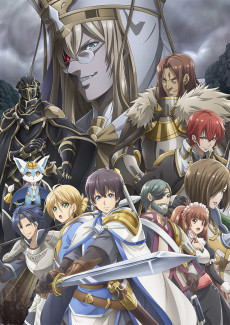

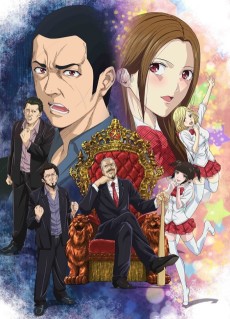
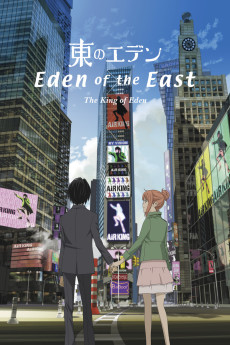

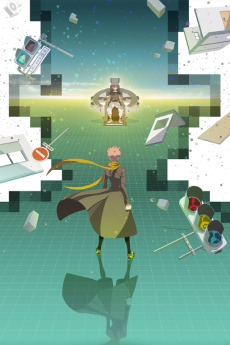





















Match Dimensions Explained
❓Frequently Asked Questions
Why is The World God Only Knows II recommended for fans of The Ship: Murder Party?
Because both lean hard into absurd, self-aware comedy layered over genuine mystery mechanics—like Keima Katsuragi solving bizarre 'cases' while constantly breaking the fourth wall, much like how The Ship turns murder into slapstick chaos with fake alibis and improvised weapons. The score (76) reflects its strong overlap in Mystery & Detective + Comedy & Parody dimensions, matching The Ship’s tonal whiplash between tension and ridiculousness.
Is there an anime adaptation of The Ship: Murder Party?
No—The Ship was never adapted into an anime, and it’s effectively unplayable now: official servers are down, Windows compatibility is broken, and players confirm it’s abandoned (per multiple reviews). So any anime matches—like Ron Kamonohashi’s Forbidden Deductions or Paranoia Agent—are inspired parallels, not adaptations.
How does Paranoia Agent compare to Hentai Prince & the Stony Cat for The Ship vibes?
Paranoia Agent leans into surreal, neon-noir dread with fragmented identities and public hysteria—think the ‘Lil’ Slugger’ panic mirroring The Ship’s paranoia-fueled accusations—while Hentai Prince swaps noir for rom-com chaos, using mystery tropes (e.g., Youta’s ‘stony cat’ wish-granting curse) as comedic misdirection. Both scored 75 and share Mystery & Detective + Comedy & Parody, but Paranoia Agent adds that eerie, unstable energy The Ship’s solo play sometimes evoked.
What’s the best anime like The Ship if I want that chaotic, friend-group murder-party energy?
Hentai Prince & the Stony Cat—it’s got the same vibe of friends stumbling into escalating, ridiculous ‘investigations’ (like Youta and Tsukiko faking a detective agency to solve trivial school mysteries), complete with over-the-top reactions and zero stakes. Since The Ship’s private servers are gone (per player reviews: ‘no way to connect with friends’), this anime delivers that playful, collaborative absurdity without needing working servers.