Hakata Tonkotsu Ramens
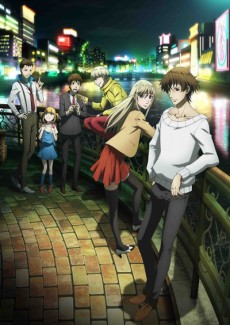
At first glance, the city of Fukuoka seems like a peaceful one, but under the surface, crime is running rampant. The city's Hakata ward is home to the professionals of the underworld: professional killers, detectives, informants, professional revenge seekers, those skilled in torture, and more. And according to urban legend, a "killer of professional killers" has shown up in the city.
(Source: Anime News Network)
📺Anime Details
📝Editorial Analysis
Rain slicks the neon-drenched asphalt of Hakata’s back alleys—not gently, but in cold, insistent sheets that catch the fractured glow of pachinko parlors and shuttered ramen stalls. A man in a rumpled suit steps out of a convenience store, steam curling from a cup of instant tonkotsu broth. He doesn’t drink it. He watches a delivery bike swerve past, its rider’s face half-hidden under a helmet visor—too still, too precise. That’s when you feel it: not danger, exactly, but the weight of being watched by someone who knows your name, your habits, your weaknesses—and hasn’t decided yet whether to kill you or hire you.
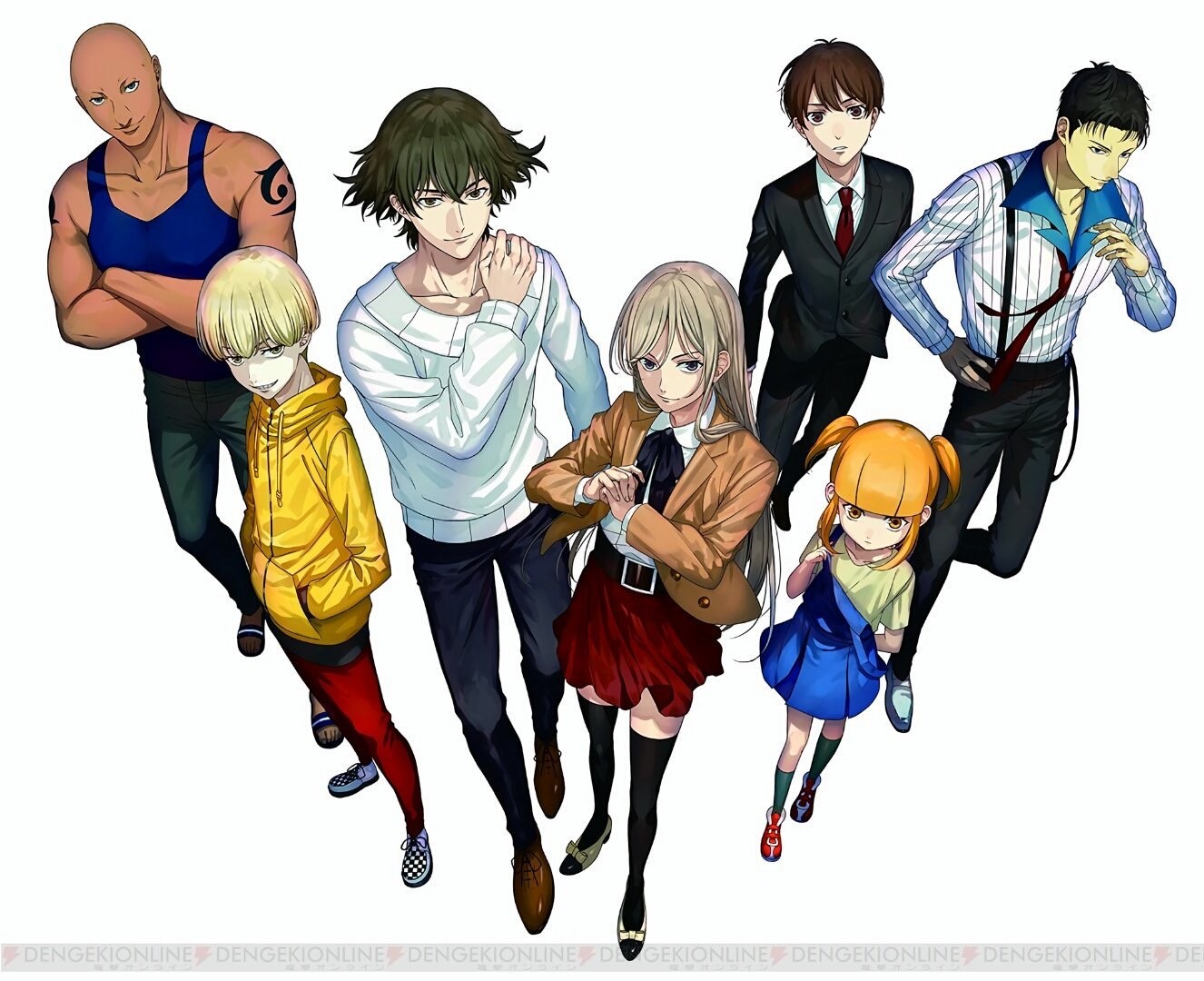
This isn’t noir as costume. It’s noir as infrastructure. Hakata Tonkotsu Ramens breathes urban exhaustion—the kind that settles in your shoulders after three missed trains and one too many unreturned texts from a contact who vanished after a job went sideways. It’s the quiet dread of recognizing another assassin at the same baseball game, both wearing team caps, both calculating angles of escape before the seventh-inning stretch. There are no heroes here, only professionals: detectives who falsify evidence to close cases, informants who sell lies like premium-grade shiitake, revenge seekers who file tax returns on their contracts. The city isn’t corrupt—it’s operational, humming with overlapping jurisdictions of violence, loyalty, and paperwork. You don’t feel adrenaline; you feel recognition—that flicker of understanding when someone says “I know what you do” and means it like a handshake, not a threat.
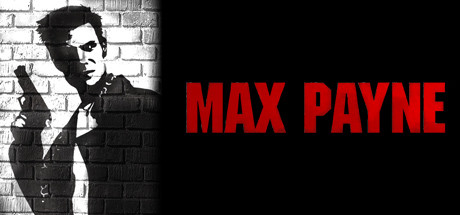
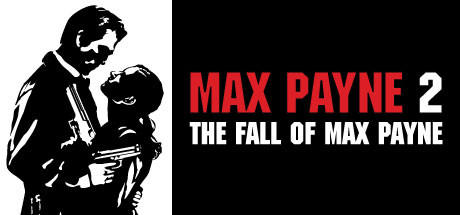
That emotional DNA pulses strongest in Max Payne, where the city isn’t a backdrop but a hostile ecosystem—rain-slicked, morally collapsed, lit by the sickly green of police scanners and the red flash of muzzle flares. Like Hakata, New York in Max Payne is governed by unspoken rules: who owes whom, who can be bought, who must be buried quietly. The player review nails it—“a man with nothing to lose… hunted by cops and the mob”—mirroring how every major character in Hakata Tonkotsu Ramens moves through Fukuoka like someone already condemned, just waiting for the paperwork to catch up. And Max Payne 2: The Fall of Max Payne deepens that ache: “a violent, film-noir love story… dark, tragic and intense.” Not romance as relief—but love as another liability, another variable in the equation of survival. When a detective in Hakata slips a photo under a bar mat instead of handing it over, or when a crossdressing informant leans in to whisper a name while adjusting their cufflinks—you’re in that same space: intimacy weaponized, tenderness folded into procedure.
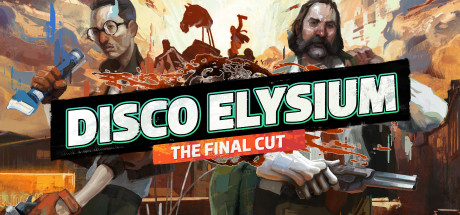
Then there’s Disco Elysium - The Final Cut, where the city isn’t just alive—it’s thinking back at you. Its description calls it “a detective with a unique skill system… a whole city to carve your path across,” and that’s Hakata in microcosm: every alley has a history, every ramen shop a ledger, every baseball stadium a nexus of intersecting loyalties. The player review’s line—“Capital has the ability to subsume all critiques into itself”—lands with eerie precision. In Hakata, even rebellion is subcontracted. Even grief gets invoiced. The show doesn’t moralize; it documents. Like Disco Elysium’s failed cop muttering philosophy into a rain-soaked collar, Hakata’s characters debate ethics mid-swordfight—not because they care, but because the rhythm of the argument helps them time their next feint.
Who lives for this? Not the escapist. Not the power-fantasy seeker. The ones who love Hakata Tonkotsu Ramens and these games are the late-night readers of police blotters, the people who pause a cutscene to examine the graffiti on a dumpster, the ones who feel a jolt—not of triumph—but of recognition when a character chooses silence over confession. They’re drawn to stories where competence is its own kind of tragedy, where every solved case leaves three new debts, and where the most dangerous thing in the room isn’t the gun—it’s the shared glance between two men who know exactly how much the other is lying. They don’t want to win. They want to understand the terms. And in Hakata, in Max’s rain, in Disco Elysium’s cracked pavement—they finally do.
🎮73 Games That Match the Vibe







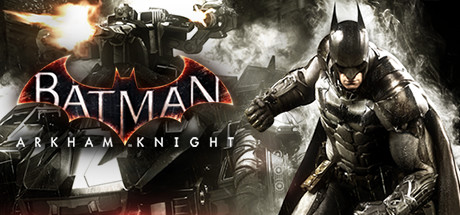

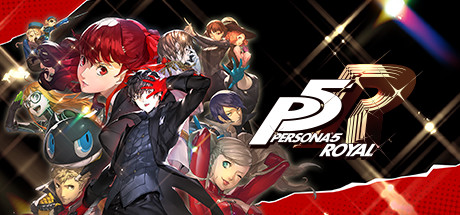
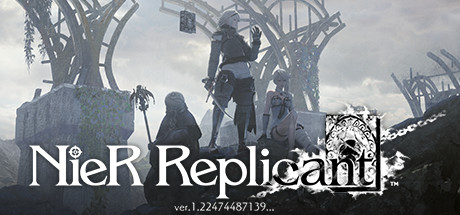
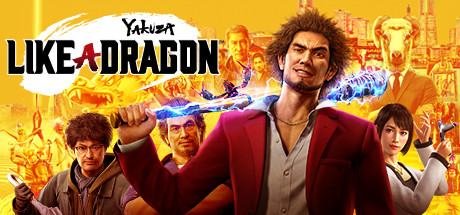


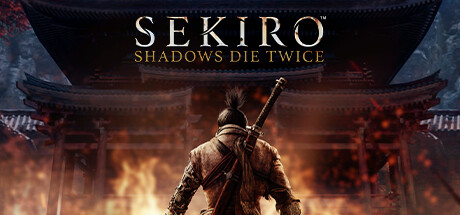
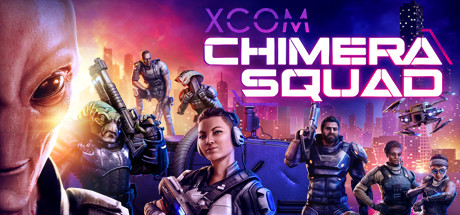
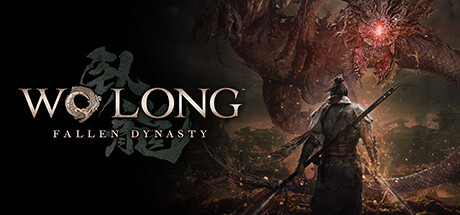
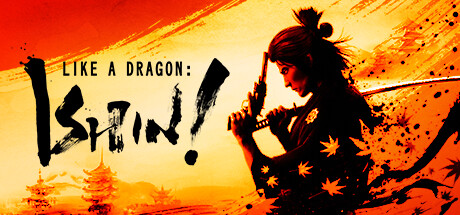



Match Dimensions Explained
❓Frequently Asked Questions
Why is Max Payne 2 always mentioned alongside Hakata Tonkotsu Ramens?
Because both are neon-drenched, tragic noir love stories where the protagonist’s emotional unraveling mirrors the city’s decay—Max’s doomed romance with Mona Sax hits the same gut-punch as Kazuma’s toxic bond with Yuki, and that slow-motion bullet-time combat? Pure Hakata-style stylized violence. Players even call out how Max Payne 2’s ‘clearing a room full of enemies’ feels like a direct cousin to Hakata’s rhythmic, cinematic takedowns.
Is there an anime or movie adaptation of Hakata Tonkotsu Ramens?
No official anime or film adaptation exists—but Disco Elysium: The Final Cut comes closest in *spirit*, with its dense, philosophical detective work and morally rotting urban setting. One player even quoted its bleak irony—‘Capital has the ability to subsume all critiques into itself’—which vibes hard with Hakata’s satire of corporate yakuza and performative masculinity. So while no screen version exists yet, Disco Elysium *feels* like the adaptation we’d get if it were made by auteur animators.
How does Mata Hari compare to Hakata Tonkotsu Ramens?
Both dive deep into espionage and betrayal—but Mata Hari’s cold-war double-agent tension (‘TRUST NO ONE BUT YOURSELF’) leans more into historical stealth and faction manipulation, whereas Hakata’s chaos is hyper-stylized, comedic, and grounded in modern Japanese gang satire. Reviewers slammed Mata Hari as ‘une vraie daube’, but its Tactical Warfare dimension still aligns with Hakata’s tense, choice-driven confrontations—just without the ramen-shop banter or absurd tonal whiplash.
What’s the best game like Hakata Tonkotsu Ramens if I want that grimy, rain-slicked, late-night neon-noir mood?
Max Payne (80) is your go-to—it’s got the exact same vibe: a lone, broken cop stalking shadowy alleys under flickering signs, drowning in regret and gunfire. That PS2-era co-op memory—‘once you died, you passed the controller’—captures the shared, exhausted intimacy Hakata nails too. And with its Neon Noir + Tactical Warfare combo, it delivers the visual grit and visceral action without losing the melancholy soul.