Max Payne 2: The Fall of Max Payne
Max Payne 2: The Fall of Max Payne is a violent, film-noir love story. Dark, tragic and intense, the in-depth story is a thrill-ride of shocking twists and revelations. Love hurts.
🎮Game Details
💬What Players Say
"The Fall of Max Payne is a stellar sequel to a masterpiece, successfully improving on many of the original's key mechanics. Clearing a room full of enemies using Bullet Time feels even more satisfying here than it did in the first game. Additionally, the sections where you play as Mona Sax provide a refreshing change of pace and a fascinating look at the narrative from her perspective...."
"Having recently completed Max Payne, I was ready to jump into the second installment. Everything that was great about the first game feels improved in Max Payne 2. The storytelling is better, the voice acting is better, the character models are vastly improved, and the gunplay feels much more accurate...."
"its great i love the ragdoll effects and the slow motion, lots of secrets and great storytelling in the world.. The graphics are really good for 2003 Oh and it has great mods.."
📝Editorial Analysis
Rain slicks the pavement like oil on a bruised cheek. Max Payne stands in the doorway of a gutted apartment—blood on the floorboards, a shattered photo frame, the slow drip of a leaky faucet echoing like a metronome counting down to something inevitable. He doesn’t flinch. He breathes. Then—Bullet Time kicks in: time fractures, his coat flares, bullets hang midair like black teardrops, and he pivots, firing—not to win, but to witness the moment before collapse. This isn’t action as catharsis. It’s action as confession. The official description nails it: Max Payne 2: The Fall of Max Payne is a violent, film-noir love story. Not “crime thriller.” Not “revenge saga.” Love story—twisted, fatal, drenched in cigarette smoke and regret. Player reviews echo the weight: “The storytelling is better,” “Love hurts,” “Clearing a room… feels even more satisfying”—not because it’s easy, but because every slow-motion kill carries the gravity of a line of poetry you didn’t ask to hear.
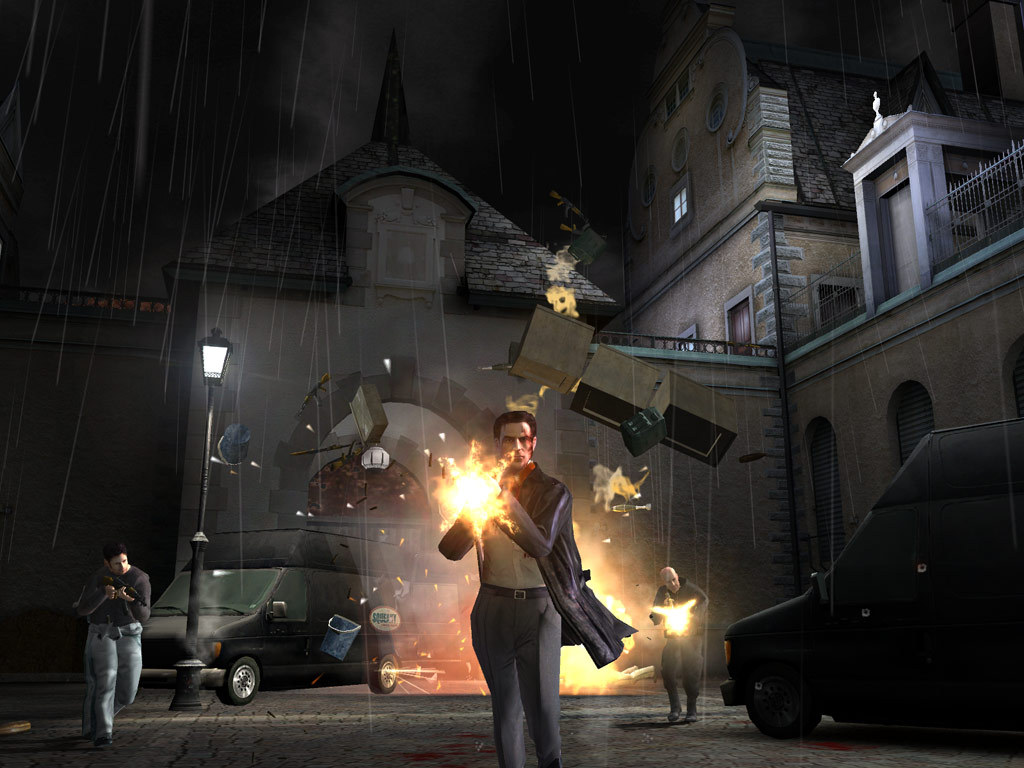
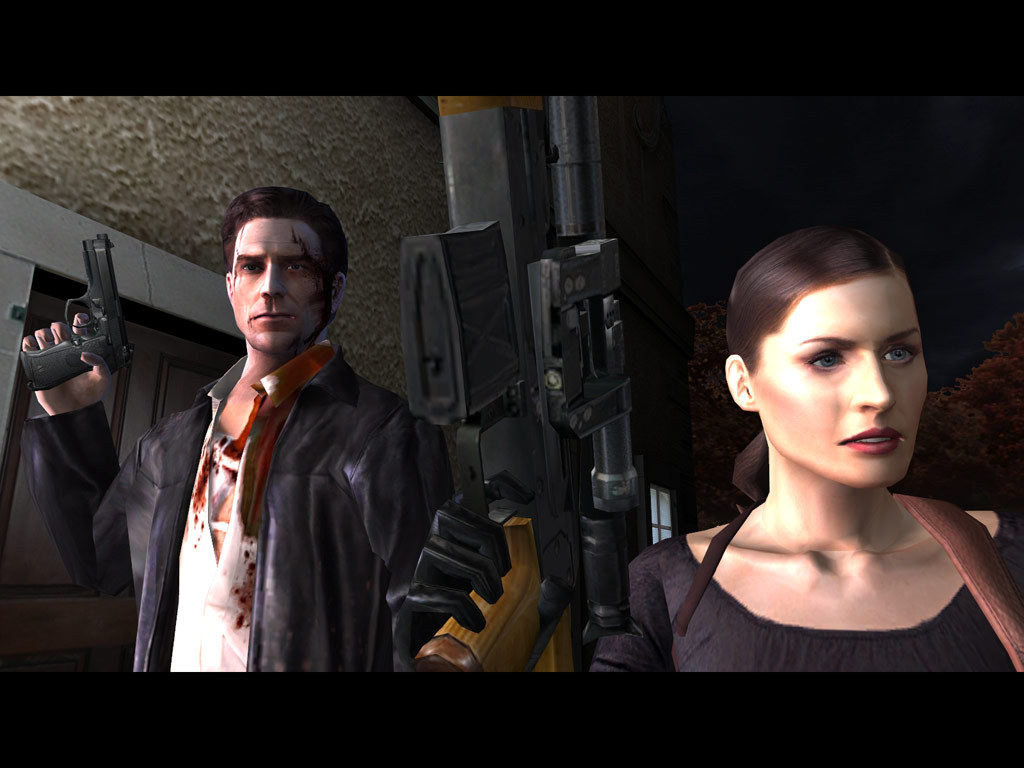
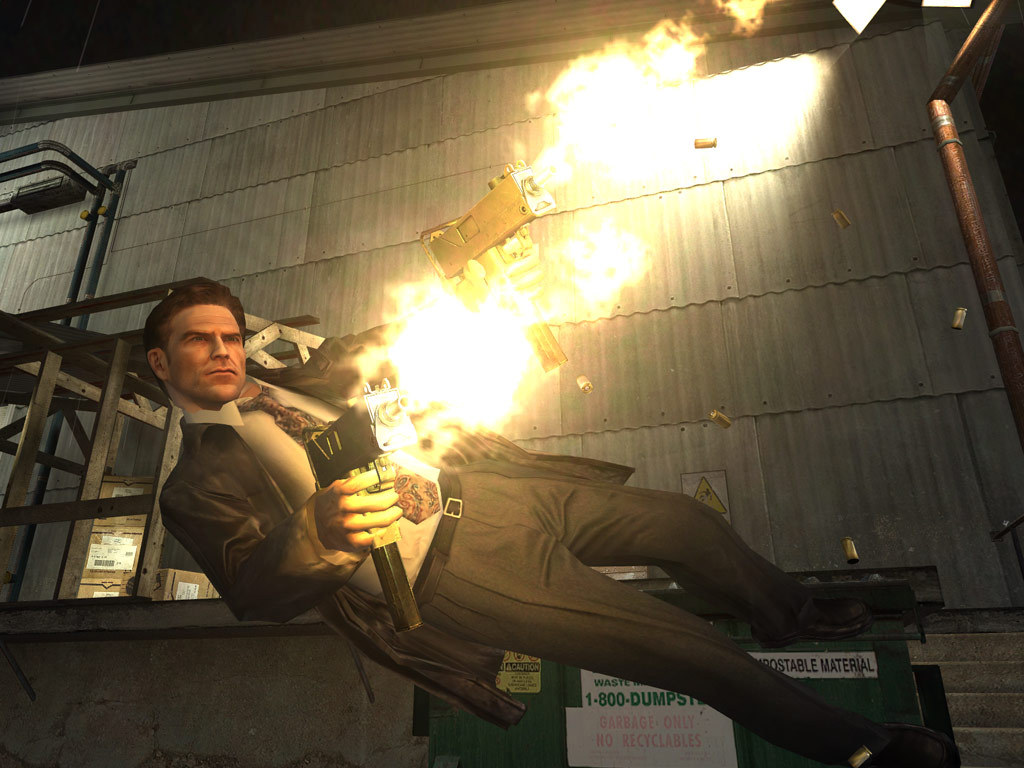
What makes this atmosphere uniquely suffocating, uniquely human, isn’t the noir trappings—it’s how deeply it leans into emotional consequence. The rain isn’t just weather; it’s the residue of tears no one lets themselves shed. The voiceover isn’t exposition—it’s a man talking to his own ghost. You don’t play Max—you inhabit his insomnia. Every ragdoll corpse, every flicker of neon through a broken window, every whispered line about “the fall” (not of a man, but of hope) makes you feel tired, seen, dangerously close to breaking. It’s not despair for despair’s sake—it’s intimacy with ruin. You think about love that leaves scars before it ends. You think about choices that look like freedom until they’re carved into your ribs.
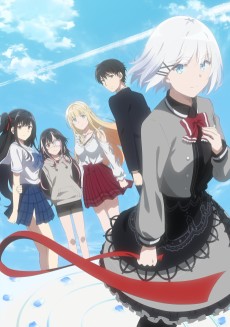
That same neon-noir ache pulses through Black Butler, where candlelight glints off silver cutlery and blood alike—every elegant deduction wrapped in gothic decay, every smile hiding a wound that won’t clot. Like Max, Ciel doesn’t seek justice—he seeks symmetry in suffering, a kind of terrible balance where love and vengeance wear the same gloves. Then there’s Moriarty the Patriot, where London’s fog isn’t atmospheric—it’s moral obfuscation, and every chess move Moriarty makes is laced with the same weary intelligence, the same belief that the world is too corrupt to save—so you burn it beautifully, with perfect timing and zero illusion of redemption. And Gosick, where the library’s dust motes hang suspended like Max’s bullets in Bullet Time—each clue a shard of memory, each mystery a locked room full of grief disguised as intellect. All three share that exact dimension: Neon Noir—not just visual style, but the glow of artificial light on wet pavement at 3 a.m., when truth feels less like revelation and more like surrender.
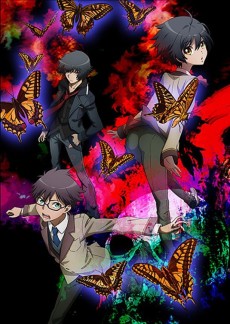
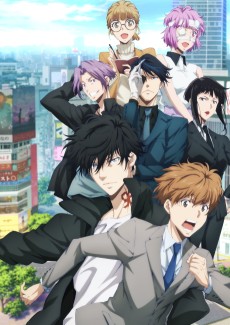
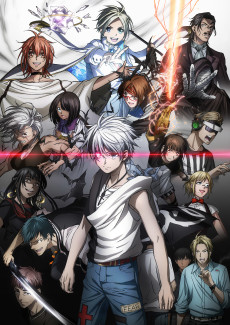
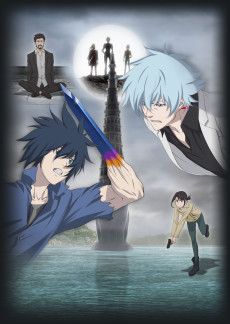
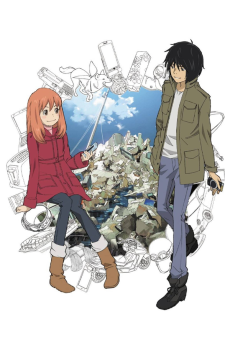
Who lives for this? The person who rewinds a scene not to master the mechanics—but to linger in the silence between gunshots. The reader who underlines a single sentence in a manga panel because it names a feeling they’ve carried for years but never named aloud. Not fans of “cool fights” or “smart mysteries” alone—but those who recognize emotional precision: how a tilt of the head in Ron Kamonohashi’s Forbidden Deductions, a pause before a verdict in Moriarty the Patriot, or the way Hamatora’s city pulses with bass-heavy loneliness—all mirror Max’s walk down an alley where every shadow holds a memory he can’t outrun. They’re drawn to stories where love hurts, yes—but more specifically, where love haunts, where logic wears a trench coat, and where the most devastating weapon isn’t a gun or a curse, but recognition: I know this ache. I’ve worn it too.
→147 Anime That Match the Vibe
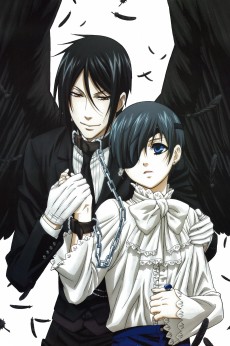
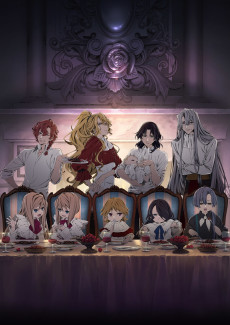
Neon Noir bleeds through rain-slicked London alleys and Max Payne’s bullet-riddled dreams alike—Ciel’s contract with Sebastian mirrors Max’s fatalistic pact with vengeance, each binding love to ruin. Where Max stares into a shattered mirror after Mona’s betrayal, Ciel kneels in candlelit silence after the Phantomhive manor’s destruction: both moments fuse Tactical Warfare with unbearable intimacy. Unlike most revenge tales, neither flinches from how deeply mystery unravels the self—Max’s noir confessionals and Ciel’s Season 2 psychological unraveling make their tragedies feel terrifyingly reciprocal.
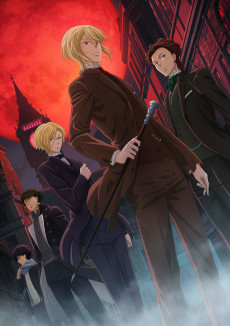
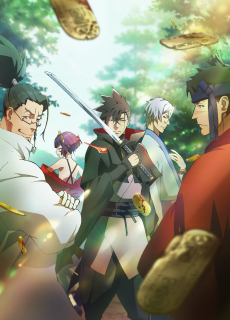
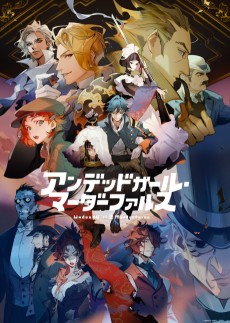
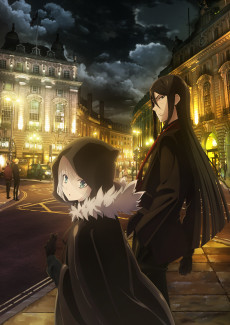
Neon-drenched rain slicks the pavement as Max Payne stumbles past a flickering “LOVE” sign—just as Moriarty’s carriage glides through gaslit London fog, both worlds steeped in 🌃 Neon Noir’s moral corrosion. Where Max’s grief warps love into self-destruction, Moriarty weaponizes empathy to dismantle empire—each story twisting 🕵️ Mystery & Detective tropes into psychological traps. Surprisingly, their shared darkness isn’t nihilistic: it’s fiercely, tragically human.
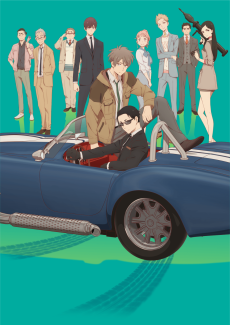
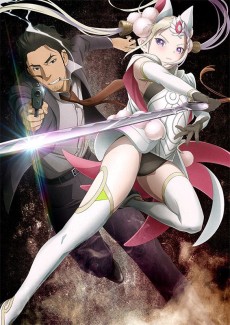
Neon-drenched rain slicks the streets as Max Payne’s trench coat flaps past flickering signs—just like Daisuke Kambe’s silent, deliberate walk through Osaka’s glowing alleys in *Balance: UNLIMITED*’s opening episode. Both weaponize **Neon Noir** not just as backdrop but as psychological pressure: Max’s grief curdles in chiaroscuro shadows; Daisuke’s wealth isolates him under the same artificial light that exposes corruption. Unlike most detective stories, neither lets logic override emotional devastation—love and legacy bleed into every clue.
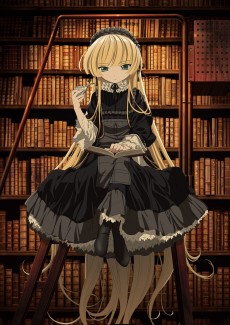
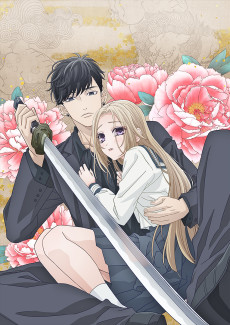
Neon-drenched rain slicks the streets of Sauville just as it does Max Payne’s New York—both worlds breathe noir not as style but as moral weather. Where Max’s grief curdles into bullet-riddled fatalism, Kazuya’s quiet observance at Saint Marguerite unravels mysteries with the same weary precision, their love stories shadowed by loss and irreversible choices. This resonance isn’t superficial homage; it’s structural—*Gosick*’s Season 1 (24-episode TV run) and *Max Payne 2* both weaponize 🌃 Neon Noir to make longing feel like a crime scene.
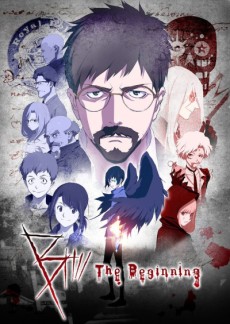
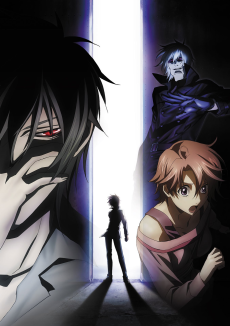
Neon-drenched rain slicks the streets of Cremona just as it does Max Payne’s New York—both worlds breathe *Neon Noir* through cracked windowpanes and cigarette smoke. Where Max’s grief fractures time in bullet-slow hallucinations, Koku’s trauma reshapes reality via psychic resonance, turning memory into weapon and wound. Unlike most detective narratives, neither work treats investigation as puzzle-solving; it’s visceral excavation—Keith’s cold case files mirror Max’s fragmented voiceover, each revelation deepening the psychological toll. That shared insistence on love as lethal vulnerability makes their darkness feel startlingly intimate.
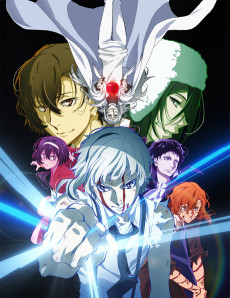
Neon-drenched rain slicks the streets of Max Payne’s New York just as DEAD APPLE’s fog curls through Yokohama’s alleyways—both using 🌃 Neon Noir not for style alone, but as psychological weather reflecting fractured minds. Where Max’s grief warps time and perception during his descent into a fatal romance, DEAD APPLE’s suicides unfold under that same suffocating mystery—Ango’s sharp deductions cutting through fog like Max’s bullet-time cuts through chaos. That shared 🔍 Mystery & Detective DNA isn’t procedural; it’s existential, turning every clue into a wound.
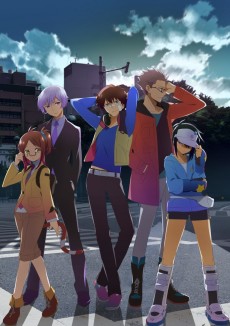
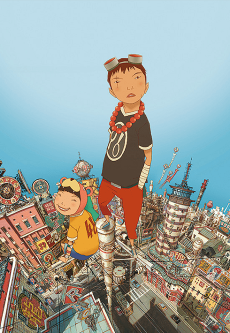
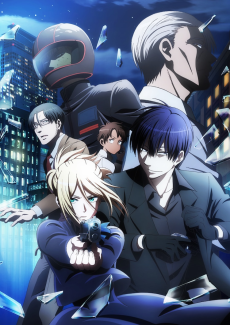
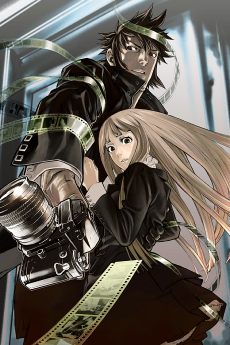
Neon-drenched Yokohama alleyways pulse with the same rain-slicked dread as Max Payne’s Gotham nights—both soaked in 🌃 Neon Noir where light doesn’t reveal, it implicates. While Max spirals through a fatal romance tangled in betrayal and bullet-riddled confessionals, Nice and Mura dissect murders in Hamatora’s grounded, morally frayed investigations—love and loyalty weaponized, then shattered. That shared 🔍 Mystery & Detective DNA isn’t procedural; it’s existential, turning every clue into a wound. Surprisingly, their tragedy feels intimate, not operatic—quietly devastating in how much they withhold.
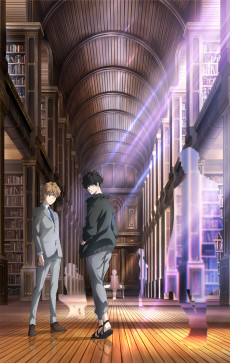
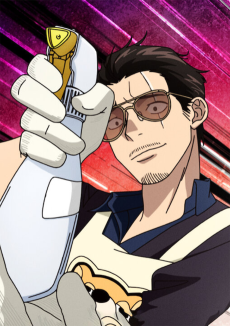
Neon-drenched rain slicks the streets as Max Payne stumbles past a flickering “LOVE” sign—just as Ron Kamonohashi stares blankly at his revoked detective badge, its gold tarnished by guilt. 🌃 Neon Noir binds them: not just in palette, but in how both use chiaroscuro lighting to externalize inner fracture—Max’s grief, Ron’s shame—while 🔍 Mystery & Detective structures force each man to confront failures he can’t outrun. Surprisingly, their tragedies aren’t about solving crimes, but surviving the truth they’ve buried.
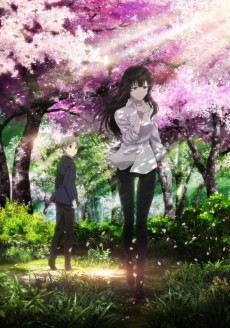
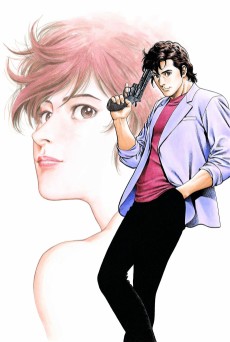
Shadows, cigarettes, and moral ambiguity — noir at its most stylish.

Shadows, cigarettes, and moral ambiguity — noir at its most stylish.
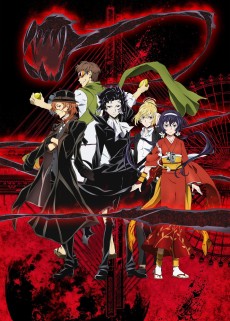
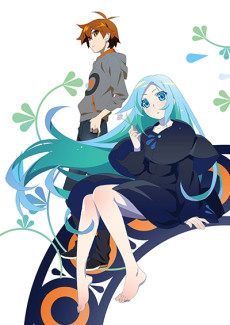
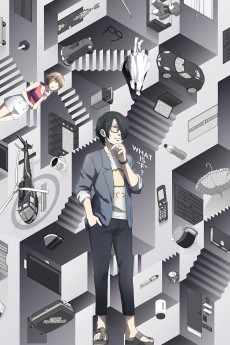


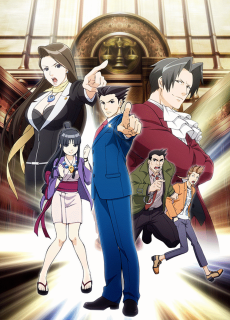


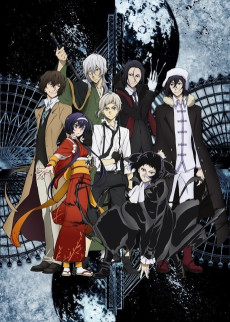
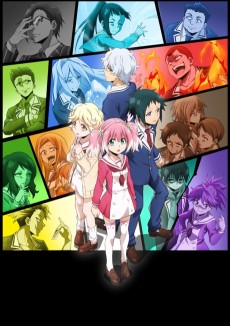
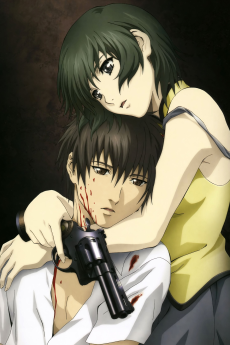
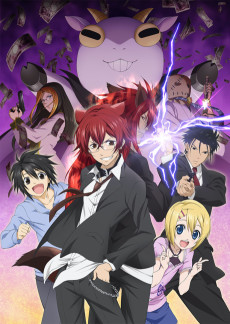
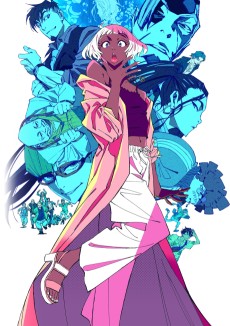
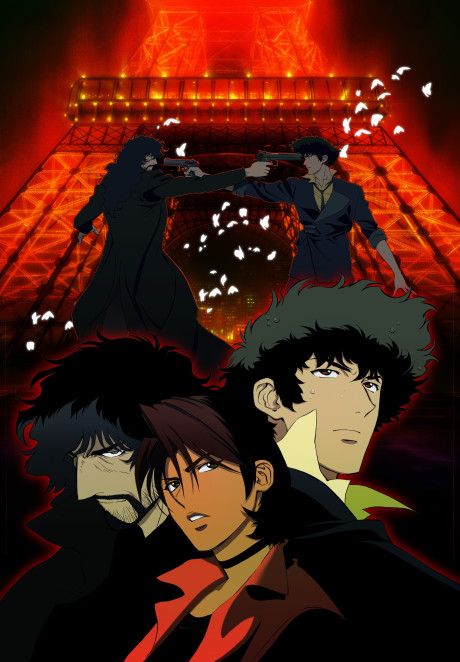
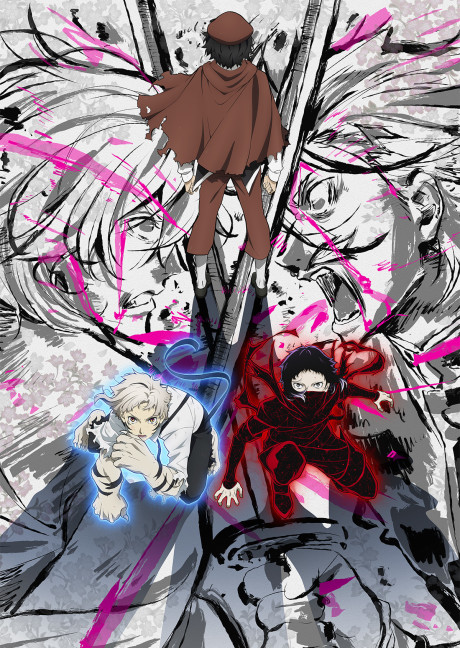




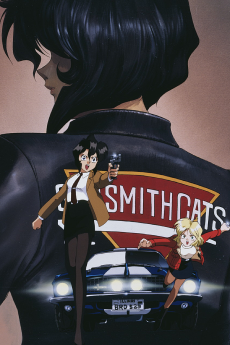
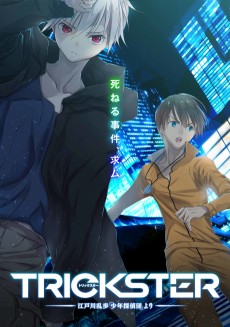
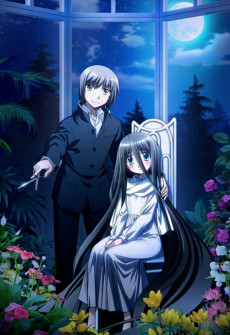
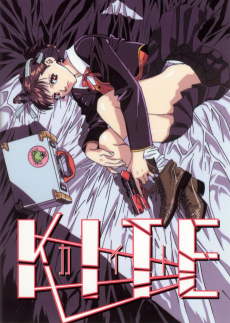
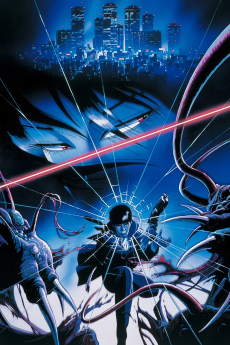

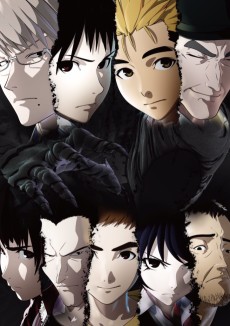
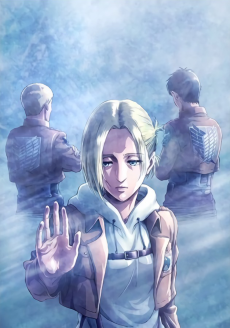
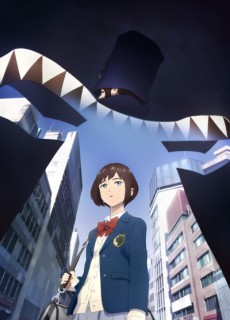




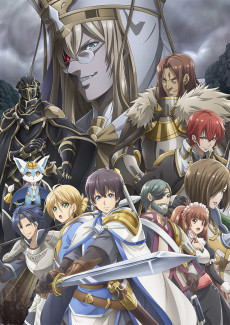


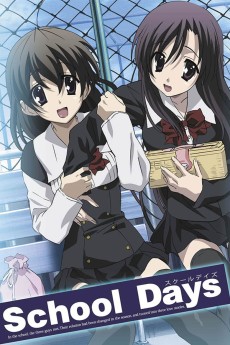
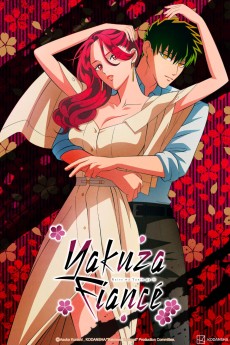
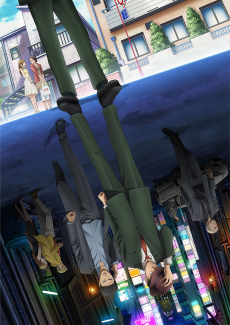


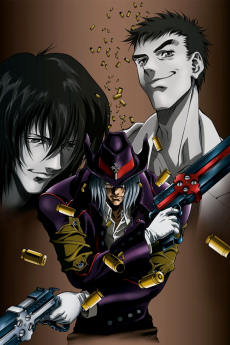
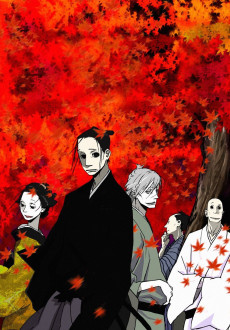

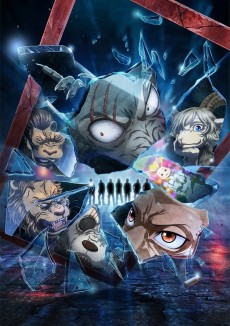
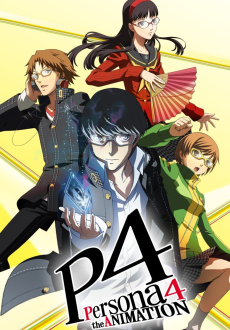


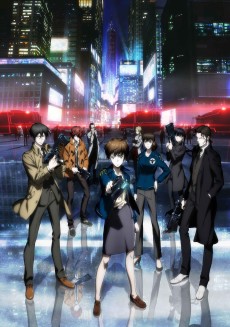
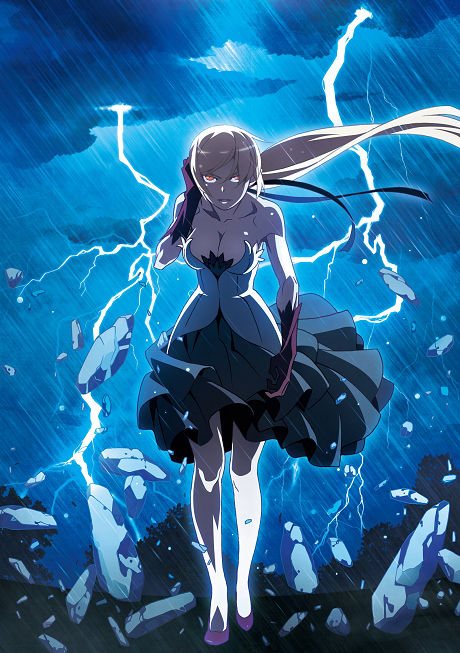

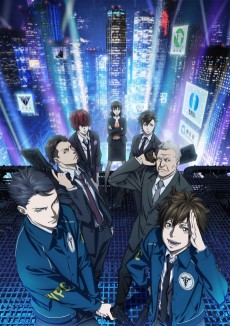
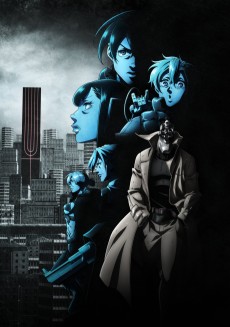




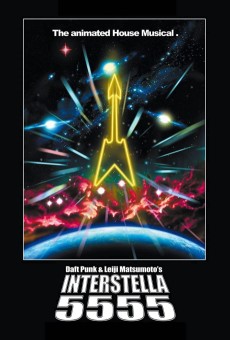
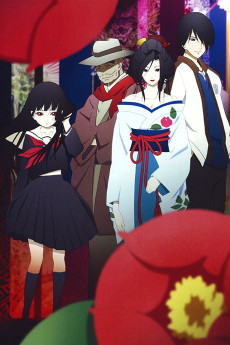
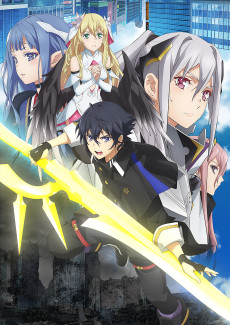
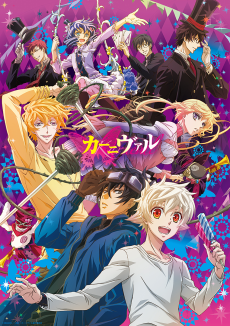

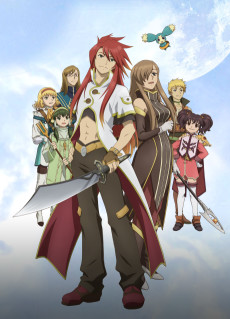

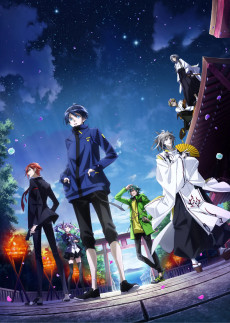
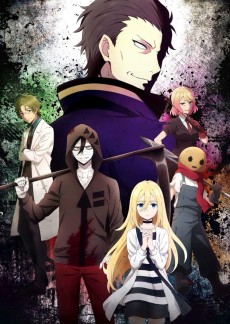
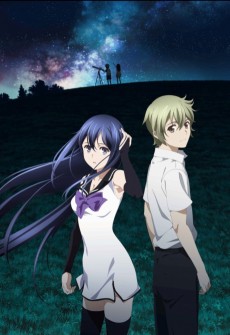



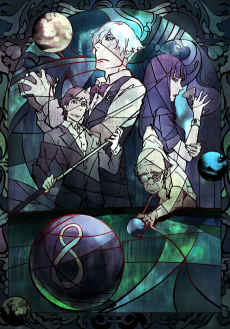
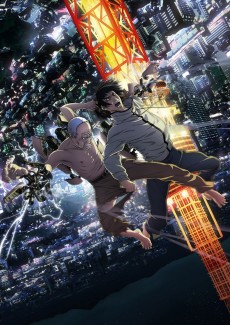

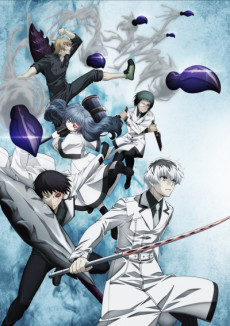

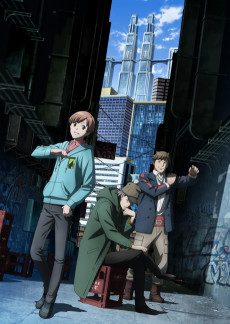
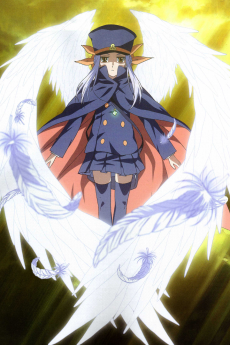
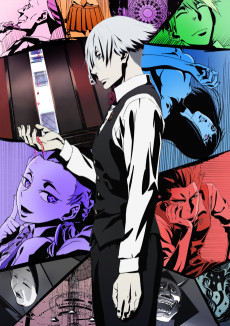
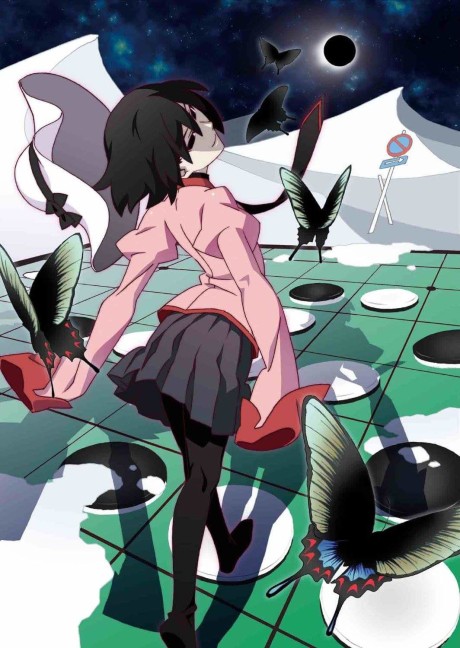
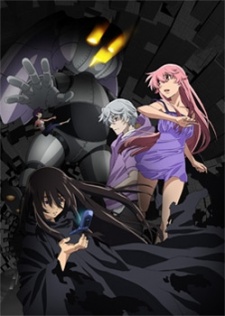


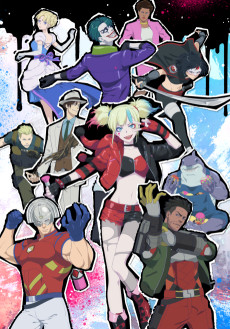


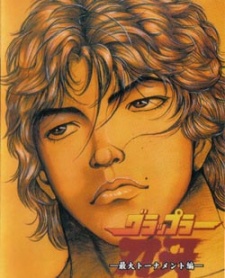
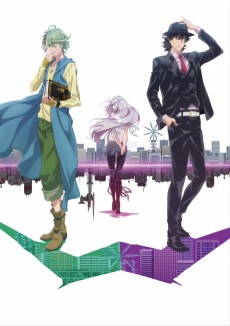
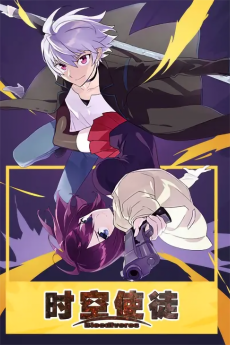


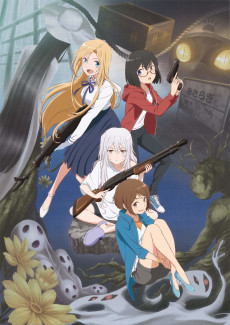


Match Dimensions Explained
❓Frequently Asked Questions
Why does Black Butler match Max Payne 2 so closely despite being set in Victorian England?
It’s all about that neon-noir *vibe*—Black Butler’s shadow-drenched mansion scenes, like Ciel’s blood pact confrontations with Sebastian in flickering candlelight, mirror Max’s rain-slicked alley shootouts in slow-motion despair. The tragic romance between Ciel and Sebastian, layered with betrayal and fatalism, hits the same 'love hurts' gut-punch as Max and Mona’s doomed noir entanglement.
Is there an anime adaptation of Max Payne 2?
Nope—Rockstar never adapted Max Payne 2 into anime, and no studio has licensed it for one either. But if you crave that exact blend—gritty voiceover, bullet-time choreography, and morally shattered leads—Moriarty the Patriot delivers: Sherlock’s cold precision vs. Moriarty’s calculated descent feels like watching Max’s own internal monologue translated into Edo-era London’s gaslit underworld.
How does Gosick compare to Hamatora for Max Payne 2 fans?
Gosick leans hard into Max’s *noir storytelling*: Victorique solving crimes in a fog-choked, isolated academy while dropping sardonic, world-weary narration—just like Max’s gravel-voiced journal entries. Hamatora, meanwhile, mirrors the *tactical action*: its 'Minimum' power battles (like Nice’s time-manipulation dodges during rooftop chases) directly echo Bullet Time room-clearing—fluid, physics-driven, and brutally stylish.
What’s the best anime like Max Payne 2 for that ‘rainy, broken, romantic tragedy’ mood?
Moriarty the Patriot—hands down. Watch Episode 12’s train confrontation: Moriarty standing alone in the rain, coat flapping, voice calm but eyes hollow, as his entire life’s work collapses—*that’s* Max staring at Mona’s photo in a dim apartment, the jazz record skipping. It nails the film-noir pacing, tragic love, and quiet devastation without needing a single gunshot.