
LAZARUS
The year is 2052 — an era of unprecedented peace and prosperity prevails across the globe. The reason for this: mankind has been freed from sickness and pain. Nobel Prize winning neuroscientist Dr. Skinner has developed a miracle cure-all drug with no apparent drawbacks called Hapuna. Hapuna soon becomes ubiquitous… and essential. However, soon after Hapuna is officially introduced, Dr. Skinner vanishes.
Three years later, the world has moved on. But Dr. Skinner has returned — this time, as a harbinger of doom. Skinner announces that Hapuna has a short half-life. Everyone who has taken it will die approximately three years later. Death is coming for this sinful world — and coming soon.
As a response to this threat, a special task force of 5 agents is gathered from across the world to save humanity from Skinner’s plan. This group is called “Lazarus.” Can they find Skinner and develop a vaccine before time runs out?
(Source: Adult Swim)
📺Anime Details
📝Editorial Analysis
Rain slicks the neon-drenched alley in Neo-Porto, 2052 — not falling, but hanging, suspended in the humid air like static before a storm. Dr. Skinner moves through it sideways, boots scraping brick, breath shallow, eyes scanning the flicker of a broken Hapuna ad overhead: “You are healed. You are whole.” His fingers brush a rusted fire escape — not to climb, but to feel the corrosion beneath his palm. That’s the first moment you realize this isn’t about escape. It’s about recognition: the body remembering pain it’s been chemically forbidden to name.

What makes LAZARUS ache so deeply isn’t its sci-fi scaffolding or parkour choreography — it’s the weight of wellness. A world where medicine has erased suffering, yet everyone walks like they’re holding their breath. The urban sprawl hums with quiet dread, not danger — because danger implies stakes, and stakes imply choice. Here, choice was dissolved into a pill. The ensemble cast doesn’t bond over shared ideals; they collide over symptoms: tremors masked by stimulants, insomnia treated with neural dampeners, grief metabolized as “low-grade neurochemical variance.” You don’t feel adrenaline watching them run — you feel dissonance. Like your own pulse is out of sync with the city’s sterile rhythm. It’s melancholic exploration — not of ruins, but of recovery that never came.
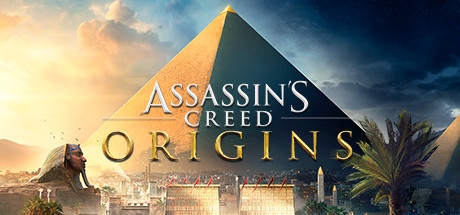
That exact frequency vibrates in Assassin's Creed™: Director's Cut Edition, where player reviews note its “Melancholic Exploration, Political Thriller, Neon Noir” dimensions — and yes, even amid dated textures, there’s that same hush: Altaïr walking Jerusalem’s sun-baked alleys, not as a warrior, but as a man relearning how to see after ideological anesthesia. His mission isn’t conquest — it’s reclamation of perception, just as Skinner relearns pain in a world that pathologizes it. The game’s political thriller spine mirrors LAZARUS’s buried tension: peace enforced, not earned; order maintained by erasing dissent before it forms — much like Hapuna’s invisible pharmacological governance.
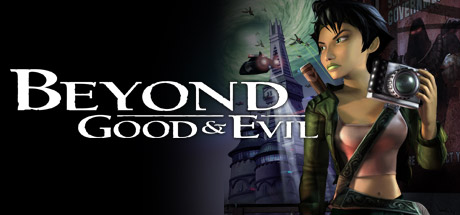
Then there’s Beyond Good and Evil™, tagged identically: Melancholic Exploration, Political Thriller, Neon Noir. Jade doesn’t wield a sword — she wields a camera, documenting disappearances while her planet glows under corporate-sponsored auroras. Her loyalty to Pey’j isn’t sentimental; it’s biological resistance — a pig who remembers mud, hunger, real weather. Like LAZARUS’s found family, theirs is forged in shared sensory deprivation: what happens when your world stops feeling real? Player reviews call it “Crazyyy” — not for spectacle, but for how quietly devastating it is to watch someone fight for truth in a society that’s already declared truth obsolete. Both works treat conspiracy not as a plot twist, but as ambient pressure — like atmospheric oxygen laced with something unnameable.
And Disco Elysium - The Final Cut, with its identical triad of dimensions, lands like a gut punch: “Capital has the ability to subsume all critiques into itself.” That line isn’t philosophy — it’s Skinner’s journal entry, rewritten in noir slang. The detective’s crumbling mind mirrors the anime’s fractured urban psyche: every street sign, every vending machine, every flickering ad is both evidence and accomplice. His skill checks aren’t combat rolls — they’re withdrawal symptoms. When he fails a “Logic” check and spirals into paranoid self-accusation, it’s the same vertigo as Skinner watching a child laugh without ever having known fever — what does joy mean when pain is theoretical?
Tank Universal, though tonally distant, shares something quieter but no less vital: Emotional Narrative. Its player review doesn’t praise mechanics — it mourns time, loss, legacy: “Play cool tank game with dad when you were 6… dad passes away…” That raw, unguarded tether between memory and machinery echoes LAZARUS’s medical realism — not as cold science, but as intimate archaeology. Every IV drip, every biometric readout, every stolen vial of pre-Hapuna antivirals carries the weight of someone who was here first, whose hands once held things that broke.
This pairing isn’t for fans of “cool action” or “deep lore.” It’s for the person who pauses mid-parkour jump in LAZARUS not to admire the stunt — but to notice how Skinner’s knuckles whiten on the railing. For the one who replays Jade’s quiet moments in the lighthouse, not for answers, but for the sound of wind through broken glass. For the player who saves Disco Elysium’s most painful dialogue not to skip it — but to sit with it, breathing slowly, until the screen blurs. They’re drawn to stories where healing is the scariest plotline of all — because true recovery means letting the wound speak back.
🎮66 Games That Match the Vibe





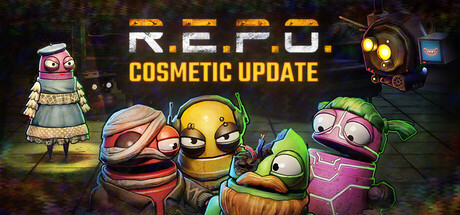

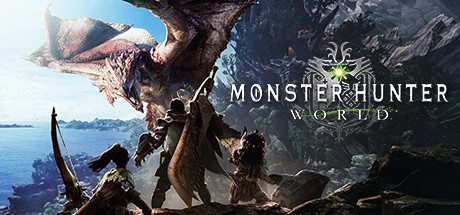
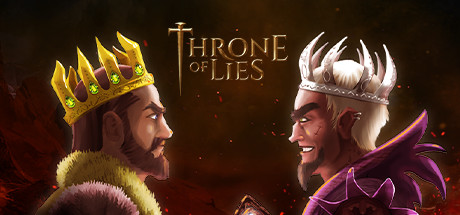

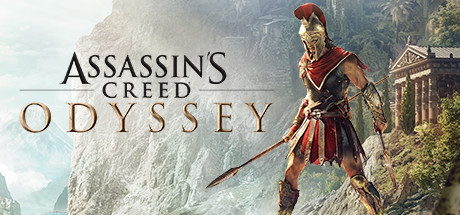


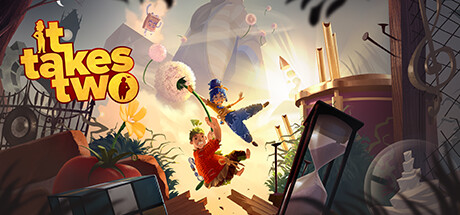
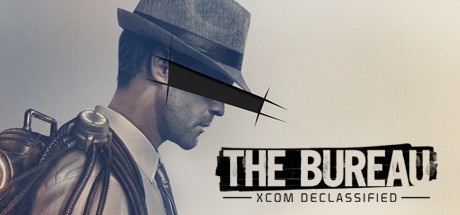







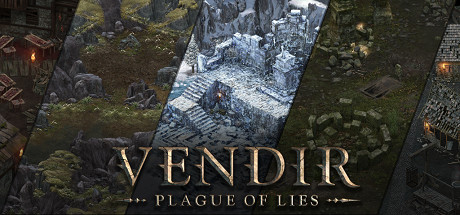



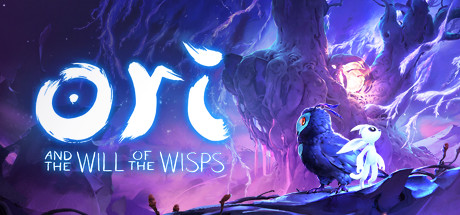







Match Dimensions Explained
❓Frequently Asked Questions
Why does LAZARUS feel so much like Disco Elysium but with tank combat?
It’s that shared 'Melancholic Exploration' + 'Political Thriller' core—both dig deep into broken systems and haunted protagonists trying to piece together truth while drowning in their own heads. LAZARUS mirrors Disco Elysium’s dialogue-driven unraveling of conspiracy (think Kim Kitsuragi-level moral ambiguity), but swaps detective work for Tank Universal-style neon-drenched, AI-allied tank traversal through decaying megacities—complete with that same weighty silence between shots.
Is there a LAZARUS movie or TV adaptation in the works?
Not yet—and honestly, it’d be tough to capture LAZARUS’s vibe without leaning hard into the Neon Noir + Political Thriller DNA already perfected by games like BioShock (Rapture’s propaganda reels) and Beyond Good and Evil (the DomZ broadcast interruptions). Those fragmented transmissions, Jade’s camcorder glitches, and Jack’s audio logs? That’s the visual language LAZARUS *is*—no studio’s cracked that aesthetic for live-action yet.
How is LAZARUS different from Assassin’s Creed: Director’s Cut Edition?
Assassin’s Creed leans into parkour-as-political-weapon in a grounded, sandstone-and-sword world—think Altaïr’s silent assassinations atop Acre’s minarets—while LAZARUS drowns you in synth-lit corridors and glitching HUDs like Tank Universal’s virtual warzone. Both are Political Thrillers, sure, but LAZARUS trades creed-based dogma for systemic collapse, swapping the Levant’s sun-baked tension for the flickering dread of a dying server farm.
What’s the best game like LAZARUS if I want that lonely, rain-slicked neon-noir mood at 2am?
Beyond Good and Evil is your answer—especially the 20th Anniversary Edition. Jade’s nighttime patrols through Hillys’ underbelly, those grainy security feeds, Pey’j’s low hum over static… it nails the same 'Melancholic Exploration + Neon Noir' combo as LAZARUS. And just like LAZARUS’s quiet moments between firefights, BG&E lets you sit on a rooftop, watch the city breathe, and feel utterly, beautifully alone.