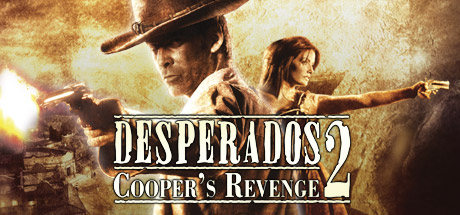
Desperados 2: Cooper's Revenge
Desperados 2 is the sequel to the successful wild west title Desperados - Wanted Dead or Alive. The gameplay is based on its predecessor but with brand new tactical possibilities in a beautiful 3D environment. Switch from an isometric view to a third person view whenever you want; for example, for duels, brawls and shoot-outs.
🎮Game Details
💬What Players Say
"I really enjoyed the first game in the Desperados series (Wanted Dead of Alive), but this game not so much. It was made during a time when everything was moving to 3D, and the game suffered from the transition. The charm of the isometric levels was lost and everything was harder to control...."
"because is not working and no one support as"
"gg"
📝Editorial Analysis
The screen flickers—isometric, then third person, then back again—as if the game itself is holding its breath. You’re crouched behind a sun-bleached adobe wall in a dusty frontier town, watching a guard’s patrol path loop like clockwork. The camera shift isn’t smooth; it hitches, just slightly—the kind of technical friction that makes your fingers tense, not relax. That’s the feeling: anticipation laced with uncertainty. Not because the stakes are cosmic, but because the tools are fragile—your vision, your control, your trust in the system. The official description promises “brand new tactical possibilities in a beautiful 3D environment,” but the player reviews whisper something else: “It was made during a time when everything was moving to 3D, and the game suffered from the…” — that trailing ellipsis hangs heavier than any bullet wound. It’s not broken mechanics you feel; it’s the weight of transition, of ambition straining against its own scaffolding.

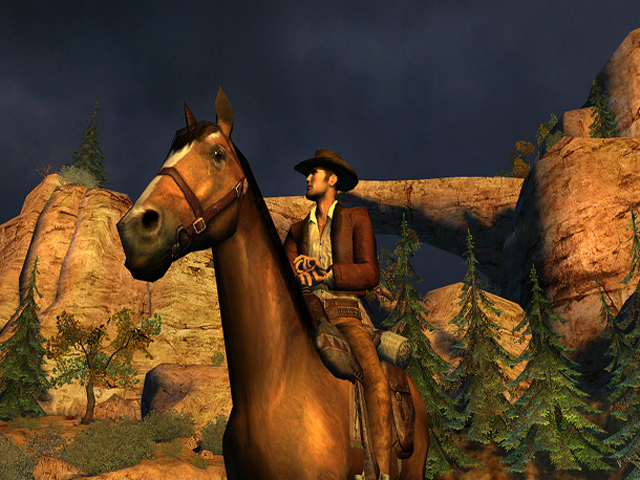

That’s what makes Desperados 2: Cooper's Revenge ache with such quiet intensity—not its Wild West setting, but the tremor beneath it. It doesn’t sell escapism; it sells precision under pressure, where every switch of perspective feels like recalibrating your nervous system. You don’t feel like a gunslinger. You feel like a strategist standing barefoot on cracked earth, listening to the wind carry hoofbeats you haven’t seen yet. There’s no heroic score swelling—just silence punctuated by the scrape of boot leather, the clink of spurs, the low hum of a rendering engine trying—and sometimes failing—to hold the world together. That tension between control and collapse, between plan and patch, is the game’s emotional core. It’s not about winning. It’s about holding the line, breath held, until the next frame loads cleanly—or doesn’t.
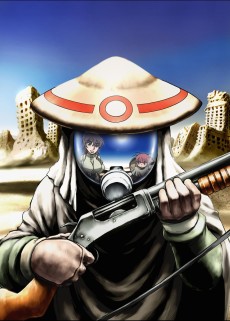
Which is why Magi: The Labyrinth of Magic lands with such uncanny resonance. Not for its magic or kingdoms—but for its Western & Frontier, Tactical Warfare dimension: the way Alibaba’s crew moves through the desert ruins of Balbadd, mapping sightlines like terrain, turning alleyways into choke points, treating architecture like chessboard geometry. Their battles aren’t won by power-ups—they’re won by reading the ground, by knowing where light falls at noon, by trusting a partner’s timing down to the half-second. Same as Cooper’s crew ducking behind saloon barrels, same as the isometric-to-third-person pivot that forces you to relearn spatial truth mid-mission.
Then there’s Sword of the Stranger, where Nanashi fights not for glory but for position: a narrow bridge, a rain-slicked dock, the cramped interior of a temple gate. Every duel is a compressed tactical sequence—feint, misdirection, environmental exploit—mirroring how Desperados 2 forces you to use whiskey bottles as distractions, lasso ropes to swing across chasms, or bait guards into fatal lines of fire. No grand monologues—just silence, stance, and split-second judgment. The Frontier here isn’t lawless land—it’s the razor-thin margin between survival and exposure.
And TRIGUN STARGAZE, which shares that same Western & Frontier, Tactical Warfare axis—not through grit or gunslinging alone, but through Vash’s relentless avoidance of escalation. His tactics are non-lethal, adaptive, deeply contextual: using sandstorms as cover, rerouting trains to disrupt enemy momentum, turning a town’s layout against its own occupiers. Like Cooper’s Revenge, it treats the frontier not as backdrop but as active participant—a space where geography dictates morality, where every decision is weighed in real-time consequence, and where the most powerful move is often the one that doesn’t fire.
This pairing isn’t for fans of seamless polish or effortless power fantasies. It’s for the ones who lean in when the frame stutters—who feel a strange kinship with systems that demand patience, who find poetry in the gap between intention and execution. It’s for players who replay a mission six times not to master it, but to understand its breathing rhythm. For viewers who watch Lord El-Melloi II's Case Files {Rail Zeppelin} Grace note and fixate not on the magus politics, but on how the train’s carriage layout becomes a battlefield of shifting vantage points and timed door mechanisms. These are stories built for people who love tension as texture, who find beauty in the unstable hinge between plan and reality—and who know that the most unforgettable moments aren’t when everything works… but when it almost does.
→105 Anime That Match the Vibe

Aladdin’s calm command of the Djinn’s magic during the Reim Civil War mirrors Cooper’s silent, precise orchestration of his outlaw team across sun-baked canyons—both hinge on split-second tactical awareness in high-stakes frontier spaces. 🎯 Tactical Warfare isn’t just gameplay or plot device; it’s worldview: every ally’s positioning, every environmental hazard, every delayed action carries irreversible consequence. Unlike most fantasy or westerns, neither flinches from the weight of choice—whether diverting a sandstorm or ambushing a cavalry patrol at dawn.
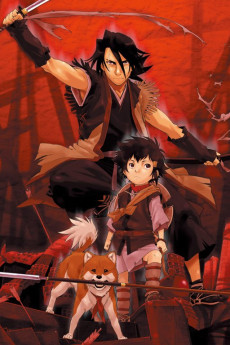
A lone swordsman’s silent standoff atop a snow-dusted Kyoto bridge mirrors Cooper’s tense, breath-held ambush in a sun-baked Mexican canyon—both hinge on split-second timing and environmental awareness. Unlike most action narratives that glorify brute force, *Sword of the Stranger*’s climactic duel and *Desperados 2*’s railroad-yard takedown reward patience, misdirection, and precise spatial calculus—the very soul of **Tactical Warfare**. That such restraint and geometry thrives equally in Edo-period Japan and the Wild West frontier feels quietly revolutionary.
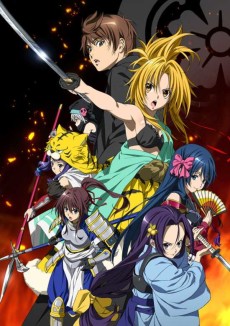
A dusty standoff in Desperados 2—where Cooper’s crew freezes mid-draw, calculating sightlines and cover—echoes Yoshiharu’s tense Sengoku battlefield improvisations, where he redirects Oda Nobuna’s troops using terrain and timing like a live-fire chess master. 🎯 Tactical Warfare binds them: not just strategy-as-puzzle, but strategy as intimate, character-driven negotiation with consequence. Unlike most period pieces, both treat frontier logic—the West’s lawless pragmatism and Japan’s warring-states chaos—as fertile ground for clever, character-led subversion.
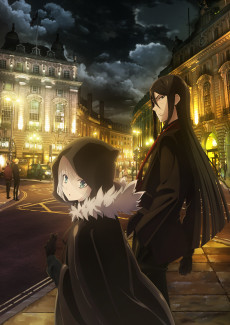
A sun-baked train yard in *Desperados 2*—where Cooper’s crew flanks a moving railcar using cover, timing, and split-second silencing—echoes the *Rail Zeppelin*’s claustrophobic, multi-level battlefield where Lord El-Melloi II orchestrates mages like chess pieces across shifting decks and steam-choked corridors. 🎯 Tactical Warfare binds them: not just planning, but *embodied spatial reasoning* under pressure—Waver calculating ley-line interference mid-combat, Cooper reading dust trails to predict guard rotations. Unlike most fantasy or westerns, neither work romanticizes lone heroism; they thrill in synchronized, almost choreographic precision across hostile, layered terrain.
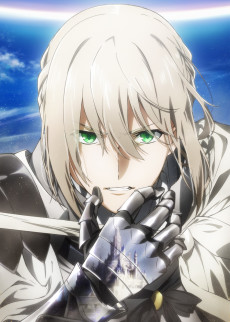
Wide-open spaces and the freedom to forge your own path.

Meryl’s tense negotiation with a wounded Vash in *TRIGUN STARGAZE*’s rain-slicked frontier outpost echoes Desperados 2’s “Gunslinger’s Last Stand” mission—where Cooper must silently disable snipers while civilians mill unaware. Unlike most sci-fi or westerns, both commit to the 🤠 Western & Frontier as a tactical ecosystem: lawlessness isn’t backdrop but terrain to be read, flanked, and outmaneuvered. That shared precision—where a misstep shatters fragile peace—makes their resonance unexpectedly visceral.

Gasback’s neon-lit heist in the quicksand-ringed town of Macca City mirrors Desperados 2’s tense, geometry-driven ambushes—where every cactus, saloon balcony, and dust cloud becomes tactical terrain. Unlike most Westerns, both weaponize 🌃 Neon Noir: flickering signs bleed color onto gunmetal shadows as Cooper’s crew and Vash’s past collide in morally ambiguous standoffs. That shared obsession with precision timing and environmental storytelling makes their frontier grit feel startlingly, exhilaratingly modern.

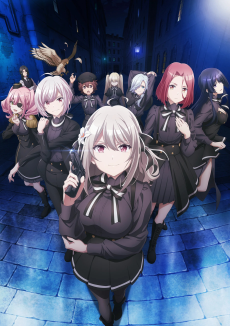
Sun-drenched canyon ambushes in *Desperados 2*—where Cooper’s crew exploits elevation, line of sight, and timed distractions—echo the Countermeasures Committee’s campus-wide tactical drills in *Blue Archive The Animation*, where Hoshino, Miu, and the others convert school corridors into dynamic kill zones. Unlike most tactical media, both anchor high-stakes coordination in grounded environmental logic: 🎯 Tactical Warfare isn’t abstract—it’s chalk dust on a blackboard used to sketch flanking routes, or a saloon’s swinging doors masking a sniper’s reload. That shared reverence for spatial intelligence amid playful chaos makes their resonance genuinely unexpected—and refreshingly precise.
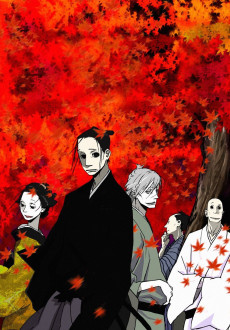
A dusty, rain-slicked saloon in *Desperados 2*—where Cooper’s crew moves like shadows between neon-tinged lantern light—echoes the hushed, lamplit interiors of *House of Five Leaves*, where Masanosuke’s quiet loyalty strains against the Five Leaves’ morally blurred code. Unlike most frontier tales, neither work romanticizes lawlessness; instead, both dwell in the neon noir tension between duty and disillusionment, using constrained spaces and precise, deliberate movement to articulate powerlessness masked as control. That shared aesthetic—🤠 Western & Frontier refracted through 🌃 Neon Noir—makes their resonance startlingly intimate, not epic.

Both *Desperados 2* and *Samurai Champloo* fuse period authenticity with anachronistic swagger—dusty New Mexico mesas and Edo-era Kyoto streets alike vibrate with the same sun-bleached grit, sudden violence, and razor-edged stillness before tactical execution. Cooper’s silent, hat-shadowed precision mirrors Mugen’s chaotic-yet-calculated swordplay; both deploy stylized, rhythm-driven combat whe...
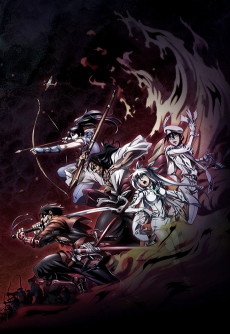













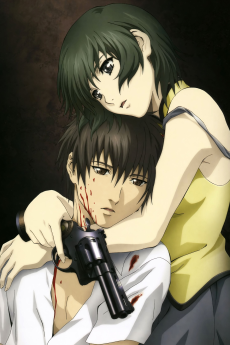
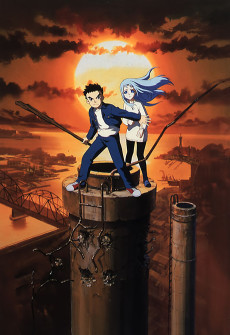
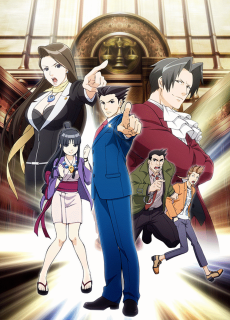
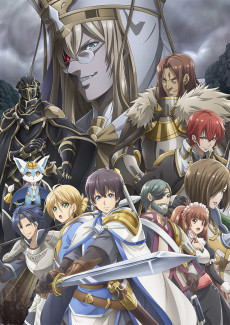



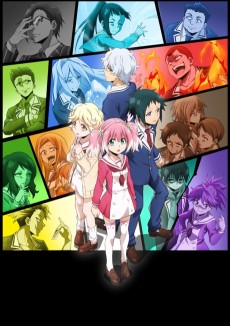
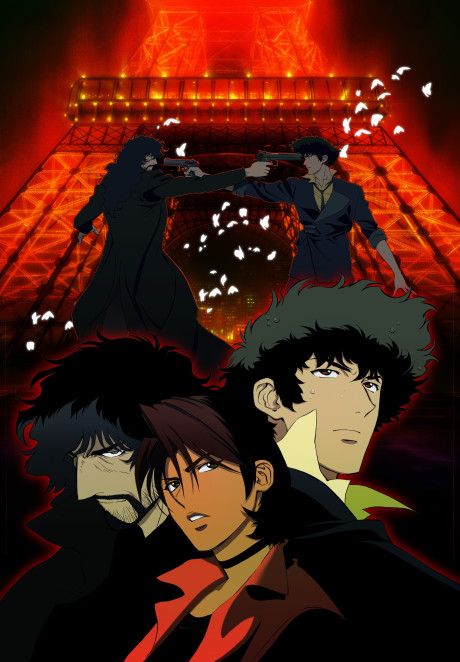
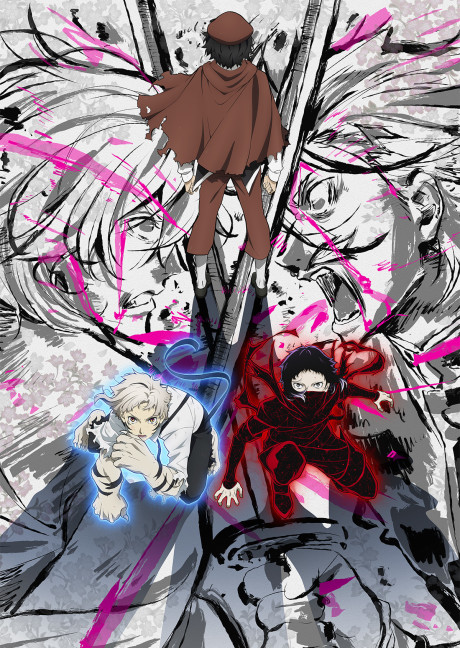
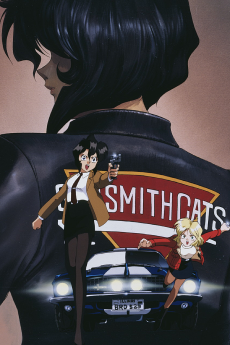















Match Dimensions Explained
❓Frequently Asked Questions
Why is Magi: The Labyrinth of Magic listed as similar to Desperados 2?
Because both hinge on tactical, terrain-aware group coordination—like when Alibaba and his crew execute precise ambushes in the Reim desert using environmental traps and timed distractions, mirroring Desperados 2’s switchable isometric/third-person views and character-specific abilities. The Western & Frontier dimension isn’t about cowboys—it’s about lawless frontier zones with shifting power balances, just like Magi’s war-torn, empire-building sandbox.
Is there an anime adaptation of Desperados 2: Cooper's Revenge?
No—Desperados 2 has never been adapted into an anime. It’s a PC/PS2 tactical stealth game, not a manga or light novel property. But if you love its vibe—tight squad-based planning in rugged frontier settings—check out TRIGUN STARGAZE, where Vash and crew use misdirection, cover fire, and split-team maneuvers across dusty wastelands just like Cooper’s gang.
How does Sword of the Stranger compare to The Ambition of Oda Nobuna for Desperados 2 fans?
Sword of the Stranger nails Desperados 2’s tense, moment-to-moment stealth-action—think Kotaro’s silent rooftop takedowns and Nanashi’s calculated feints during the Kyoto bridge siege—while Oda Nobuna leans into large-scale tactical warfare, like Nobuna’s ‘cannon-in-the-canyon’ ambush at Kiyosu Castle, where positioning and timing matter more than raw speed. Both score 85 in Western & Frontier + Tactical Warfare, but Sword is intimate and kinetic; Nobuna is strategic and sprawling.
What’s the best anime like Desperados 2 for that ‘quiet tension before the ambush’ vibe?
Lord El-Melloi II's Case Files {Rail Zeppelin} Grace note—it’s got that exact slow-burn buildup: the train heist sequence in Episode 4 where Gray, Gray, and the team silently reposition across carriages, using steam vents and blind spots to isolate targets before striking, all while the camera cuts between tight third-person and wide isometric-style shots. That deliberate, almost puzzle-like pacing? Pure Desperados 2 energy.