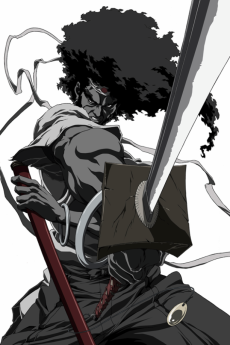
Afro Samurai
After watching his father die in a duel against an unbeatable villian known only as 'Justice,' young Afro fixes his life on the study of swords and revenge. The tale of Afro Samurai is one of bloody hardship and pain. Along his solitary path of revenge for his murdered father, he sheds no tears & knows no love. Forever chased by powerful enemies in a lawless technology-speckled dystopia, he evades bullets and blade to reach his final prey: a man who will not die. But Afro will reach his quarry - even if it means painting a road of blood and brains from here to the bitter inevitable end.
📺Anime Details
📝Editorial Analysis
The rain doesn’t fall in Afro Samurai—it stings. Not the soft patter of a Kyoto garden, but cold, metallic drizzle slicing across rusted neon signs and cracked asphalt, catching the glint of Afro’s blade mid-swing as he pivots, blood arcing before it hits the ground. His father’s last breath echoes—not in sound, but in silence: the hollow clack of the Number Two headband hitting wet concrete, then nothing. No music swells. No flashback softens it. Just Afro, eight years old, kneeling in the mud, eyes dry, already unlearning how to weep.
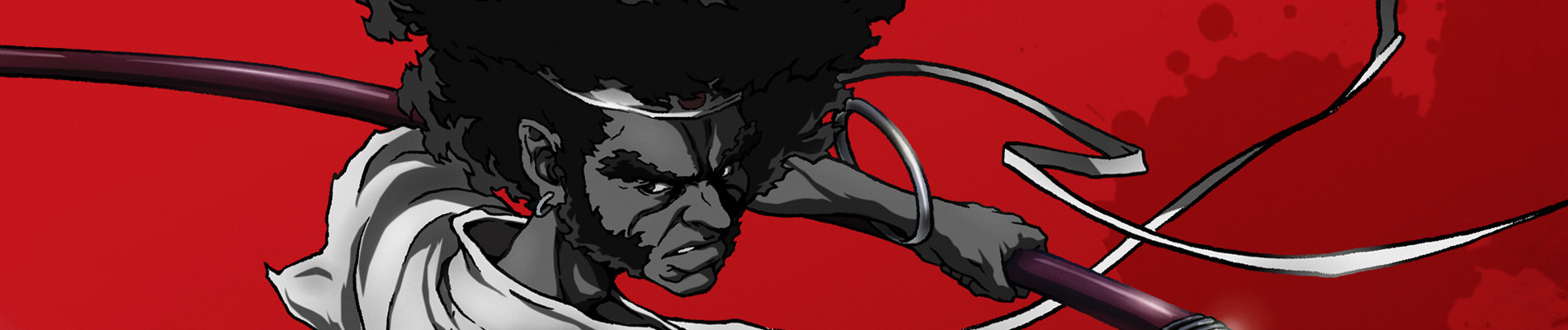
That’s the core vibration: emptiness with velocity. Not nihilism, not rage-as-fuel—but grief so absolute it calcifies into motion. The world isn’t just lawless; it’s anachronistic dissonance: samurai armor beside chrome-plated rifles, feudal codes whispered over crackling radio static, honor codes warped by bullet trajectories. You don’t feel immersed—you feel exiled, watching Afro move through a landscape that refuses coherence, where tragedy isn’t cathartic—it’s atmospheric pressure. It makes you think about legacy as weight, not glory; about revenge as a compass with only one bearing, and what happens when the needle stops trembling.
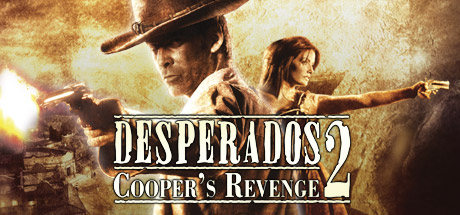
Desperados 2: Cooper's Revenge shares this DNA—not in swords or samurai, but in its tactical stillness before violence. Its description calls it “tactical warfare” set in the “Western & Frontier” — a genre built on ambush, patience, and consequence. Like Afro waiting motionless behind a saloon door, calculating angles and timing, Cooper moves through environments where one misstep unravels everything. Player reviews note its era—“made during a time when everything…” — hinting at that same raw, unpolished tension Afro inhabits: no hand-holding, no moral cushioning, just cause-and-effect brutality. The weight of choice, the silence before the shot, the way consequences land like physical blows—that’s Afro’s rhythm translated into grid-based shadows and revolver reloads.
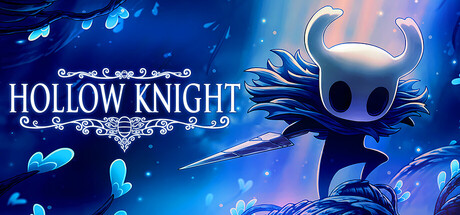
Hollow Knight, scoring 83 with dims of “Dark Fantasy, Melancholic Exploration, Emotional Narrative,” resonates deeper. Its description invites you to “forge your own path… through a vast ruined kingdom of insects and heroes,” echoing Afro’s solitary trek across a broken, myth-haunted land. There’s no exposition dump—just decay, whispers, and bodies stacked in forgotten halls. The player review praises its “Lovely story” and “Hard gameplay,” mirroring Afro’s journey: meaning isn’t handed to you—it’s excavated from ruins, earned through persistence, and often feels lonely, not triumphant. That melancholic exploration—the slow uncovering of a fallen order, the quiet dignity in continuing despite erasure—is the same emotional architecture. Afro doesn’t shout his pain; the Hollow Knight doesn’t speak at all. Both communicate loss through posture, pacing, and the sheer space between actions.
Sacred Gold, though tagged “Dark Fantasy, Action Spectacle, Melancholic Exploration,” lands differently—but its description’s invocation of “a shadow of evil [that] has fallen on the kingdom of Ancaria” and the call to “journey into the perilous world” taps into Afro’s mythic gravity. It’s not about clean heroism—it’s about stepping into a world already bent, where evil isn’t a villain to defeat but an atmosphere to survive. The player review calls it “full of jank, bugs and is not very stable”—and somehow, that instability mirrors Afro’s world: glitchy, unreliable, refusing to render cleanly. You adapt. You persist. You fight in spite of the system’s flaws—because the stakes aren’t perfect execution, but continuance.
This pairing isn’t for fans of power fantasies or tidy resolutions. It’s for the ones who linger on the frame after the kill—watching Afro lower his sword, not in relief, but exhaustion; who replay a Hollow Knight boss not to win faster, but to understand the sorrow in their design; who pause mid-mission in Desperados 2, not to optimize, but to feel the weight of the decision hanging in the dusty air. They’re drawn to stories where trauma isn’t backstory—it’s texture. Where silence speaks louder than screams. Where the most devastating moment isn’t the duel, but the walk away—alone, unhealed, still moving. That’s the shared pulse: resilience without redemption, and the strange, aching beauty of continuing anyway.
🎮92 Games That Match the Vibe

















Match Dimensions Explained
❓Frequently Asked Questions
Why does Afro Samurai feel so different from Hollow Knight even though both have melancholic exploration?
Afro Samurai’s vibe is all about hyper-stylized, kinetic swordplay and revenge-driven minimalism—think the hallway bloodbath in Episode 1 or the razor-sharp timing of parries and counters. Hollow Knight, while sharing that haunting, atmospheric melancholy (like exploring the ruins of Hallownest or mourning the Pale King), trades Afro’s tight, cinematic combat for deliberate, weighty platforming and emotional world-building through environmental storytelling and quiet NPC interactions.
Is there an Afro Samurai game adaptation besides the anime?
No official Afro Samurai video game exists—but if you’re chasing that same gritty, stylized samurai revenge energy, Sacred Gold nails the dark fantasy + action spectacle combo with its grim tone, orc-slaying intensity, and brooding atmosphere (though be warned: it’s janky and unstable on modern PCs). Two Worlds II HD also delivers that melancholic exploration + visceral combat blend, especially in its Velvet Edition’s expanded lore.
How do Desperados 2 and Helldorado compare for tactical Western action like Afro Samurai’s duel pacing?
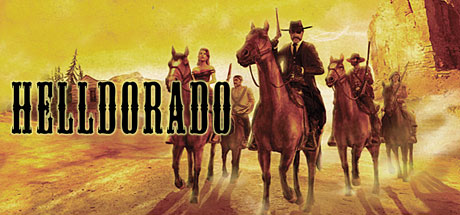
Neither’s a samurai sim—but both deliver that tense, methodical showdown energy Afro fans love. Desperados 2 lets you orchestrate ambushes as Cooper, using cover, distractions, and precise timing (like lining up a sniper shot while your teammate lures an outlaw into view). Helldorado—being its standalone expansion—doubles down on that: same 1883 Santa Fe setting, same squad-based tactics, but with tighter mission scripting and more cinematic outlaw confrontations.
What’s the best game like Afro Samurai if I want that ‘cool, quiet, emotionally heavy’ vibe without overwhelming complexity?
Hollow Knight is your answer—it’s got that same somber beauty and emotional weight (think the silence before Hornet’s first boss fight or the sorrow in the City of Tears), but with intuitive controls, gorgeous hand-drawn art, and a story that unfolds gently rather than through exposition. It’s less about flashy one-on-one duels and more about carrying grief forward—but the resonance is real, and the OST alone will wreck you in the best way.