
The Witcher: Enhanced Edition Director's Cut
Become The Witcher, Geralt of Rivia, a legendary monster slayer caught in a web of intrigue woven by forces vying for control of the world. Make difficult decisions and live with the consequences in a game that will immerse you in an extraordinary tale like no other.
🎮Game Details
💬What Players Say
"Haven't played this since its OG release. An amazing gem though. Play this to realize why team Yenn and not team Tress is a thing...."
"♥♥♥♥ i love this game, it's an underrated masterpiece, i get it the combat sucks, sometimes it's too ♥♥♥♥♥♥♥ hard, yes i know but come on it's an 2007 game, first big project from a ''newer'' company don't expect a gameplay pattern of an the witcher 3 , after a few minutes you get used to it, the story it's amazing a lot of secret quests, phenomenal characters and of course the save transfer!"
"Even with clunky movements, the story, atmosphere, and narration carried the entire game. I can already tell the remake will be banger if it's done right, for me its an 8."
📝Editorial Analysis
The first time Geralt kneels in the mud beside a corpse—blood still warm, eyes wide with final shock—you don’t flinch because of gore. You flinch because the world holds its breath. Not for drama. Not for spectacle. But because the silence after that click of the journal opening, the way the wind scrapes dead leaves across cobblestone in the distance, and the low, gravel-thick voiceover murmuring “This one wasn’t killed by a beast…”—it all lands like a weight on your ribs. That’s the game: not the clunky sword swing you’ll curse three minutes later (player review 2: “combat sucks… too damn hard”), not the jarring camera that makes Yenn’s smile feel just out of reach (review 1: “team Yenn and not team Tress is a thing”), but that stillness where consequence isn’t abstract—it’s wet, cold, and already settling into your bones.
What makes The Witcher: Enhanced Edition Director's Cut ache like this isn’t its medieval grit or monster bestiary—it’s how deeply it trusts moral fatigue as atmosphere. You’re not heroic. You’re weary. Every choice bleeds into the next like ink in rain—no fanfare, no save-scumming absolution. The world doesn’t reset; it remembers, and so do you. That’s why the clunkiness doesn’t break immersion—it deepens it. When Geralt stumbles mid-lunge, when dialogue lags a half-second too long before a confession, when the lighting pools thick and amber over a tavern floor soaked in regret—you don’t feel cheated. You feel present, grounded in a reality that refuses to polish its edges. It’s not grimdark for shock. It’s heavy, like breathing air thick with unresolved grief and unspoken oaths. You think about loyalty not as a virtue, but as a debt you keep paying in silence.
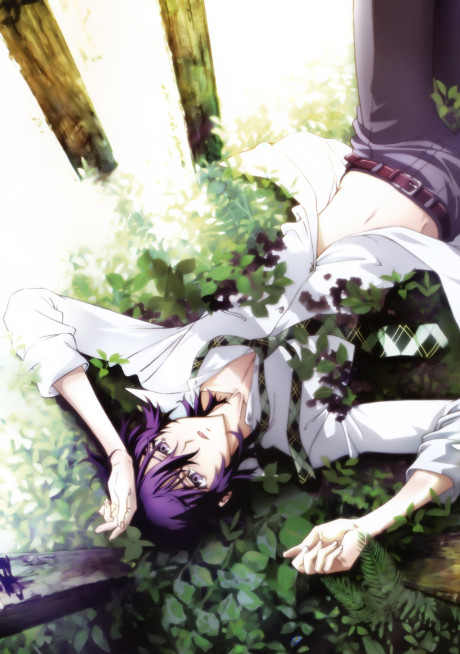
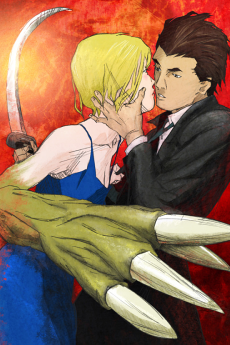
That same gravity lives in Owarimonogatari, where Araragi’s exhaustion isn’t physical—it’s the psychic drag of carrying other people’s pain like stones in his pockets. The dialogue loops, the pauses linger, the past doesn’t recede—it haunts conversation like smoke. Both works treat time not as progression but as sediment: layers of choice, loss, and quiet compromise pressing down. Then there’s Maquia: When the Promised Flower Blooms, where every frame feels like holding your breath underwater—soft light, slow motion, a mother’s hands trembling not from fear, but from the unbearable weight of love in a world that ends. Like Geralt choosing between two women he loves while knowing neither will be safe, Maquia chooses presence over power—and pays for it daily. No grand battles. Just the crushing intimacy of watching someone grow older while you stay still. And GOBLIN SLAYER, raw and unflinching, shares that same refusal to look away—not from violence, but from its aftermath. A goblin’s severed hand lies in the dirt. A survivor stares blankly at her own bloodied dress. There’s no score swelling. Just silence, and the slow, deliberate act of wiping your blade clean. All three—like the game—build their emotional DNA not on catharsis, but on endurance: the kind that settles in your jaw, tightens your throat, makes you blink slower.
This pairing isn’t for fans of slick combat systems or flawless animation. It’s for the person who re-watches a single scene five times—not to catch plot details, but to sit with how a character exhales after lying. It’s for the player who saves before a dialogue choice not to avoid consequences, but to feel them twice. It’s for the viewer who finds comfort not in hope, but in honesty—the kind that lets Geralt’s knuckles whiten around a sword hilt and lets Maquia trace her son’s sleeping face with fingers that won’t stop shaking. These are stories for those who understand that love, duty, and survival aren’t verbs—they’re weights you carry until your spine remembers their shape. They’re for people who don’t need the world to make sense—just to resonate, deep and low, like a bell struck once and left to hum in the dark.
→235 Anime That Match the Vibe

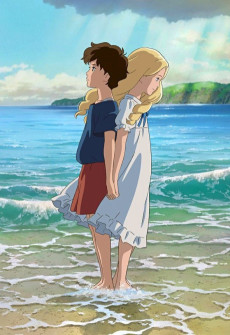
Geralt’s weathered hand gripping a bloodstained contract mirrors Maquia’s trembling fingers clutching a scrap of Hibiol—both artifacts encoding irrevocable loss in a world where time fractures identity. Unlike most dark fantasy, neither flinches from the quiet devastation of *emotional narrative*: Geralt’s paternal grief for Ciri echoes Maquia’s centuries-long vigil over adopted son Ariel, each choice calcifying into solitude. This resonance feels startlingly intimate—*adult & dark seinen* rendered not through spectacle, but the weight of years held in a glance, a letter, a loom’s silent pause.
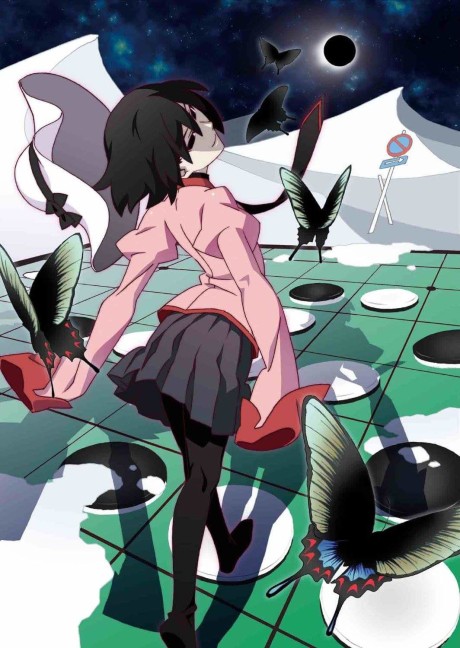
Geralt’s morally frayed choices in the Temerian swamp—where no victory feels clean—echo Ougi Formula’s recursive self-interrogation, where identity unravels like a Möbius strip. Unlike most dark fantasy, both weaponize *Emotional Narrative*: Sodachi’s hollow laughter in Sodachi Lost mirrors Geralt’s silence after the Bloody Baron’s tragedy—not as catharsis, but as shared exhaustion with consequence. This resonance is startling: two formally disparate works, separated by medium and continent, converge on *Adult & Dark Seinen* despair disguised as resolution.
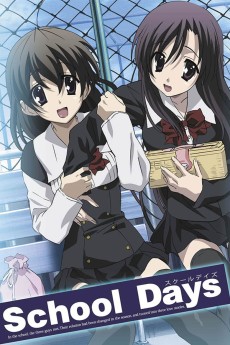
Dark worlds where beauty and brutality coexist — every victory comes at a cost.

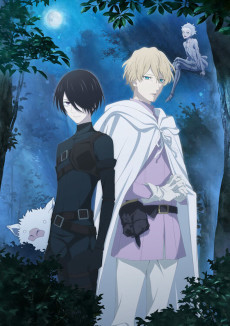
Geralt’s midnight negotiations with a vampire noble in Vizima echo Ko’s trembling first kiss under neon-lit Tokyo streets—both hinge on consent as fragile, negotiated terrain. Unlike most supernatural romances, *Call of the Night* Season 2 leans into psychological intimacy rather than spectacle, mirroring the game’s **Emotional Narrative** dimension where love and duty curdle in moral grey zones. That shared **Dark Seinen** weight—vampirism as longing, not power—makes their resonance startlingly tender, not just grim.
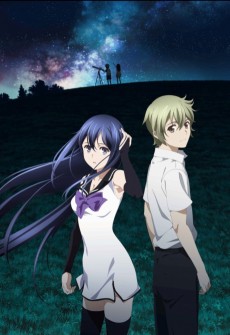
Dark worlds where beauty and brutality coexist — every victory comes at a cost.
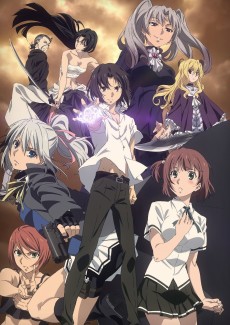
Dark worlds where beauty and brutality coexist — every victory comes at a cost.

Dark worlds where beauty and brutality coexist — every victory comes at a cost.
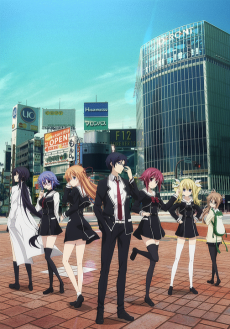
Dark worlds where beauty and brutality coexist — every victory comes at a cost.
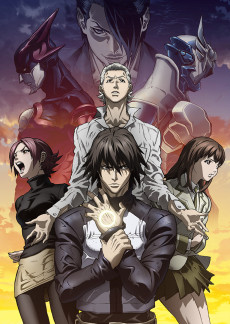
Dark worlds where beauty and brutality coexist — every victory comes at a cost.

Both drown in the same oppressive, rain-slicked gloom of a world where gods are indifferent and monsters wear human faces—Geralt’s weathered stoicism mirrors Guts’ hollow-eyed endurance after the Eclipse. Their visual grammar bleeds shared textures: ash-gray skies over crumbling Gothic ruins, candlelit taverns thick with smoke and dread, and battle sequences where violence is brutal, intimate, ...
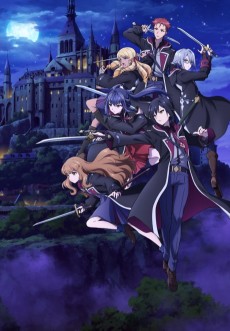

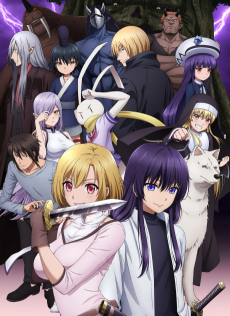










![Fate/stay night [Heaven’s Feel] III. spring song](https://s4.anilist.co/file/anilistcdn/media/anime/cover/large/bx21719-MSdTlkno0Z0u.jpg)

















![Fate/stay night [Heaven's Feel] II. lost butterfly](https://s4.anilist.co/file/anilistcdn/media/anime/cover/large/bx21718-Hjj26Sapx1bd.jpg)




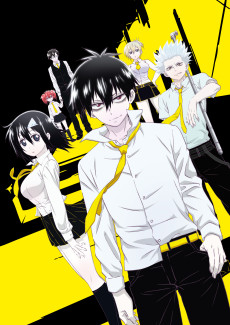
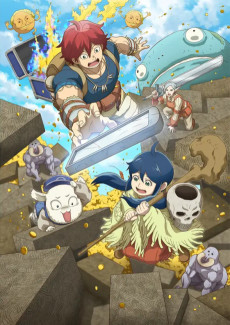

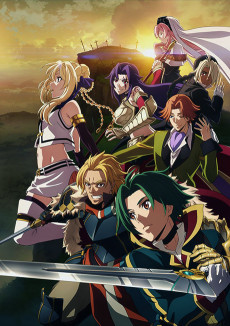



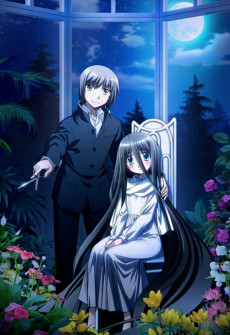




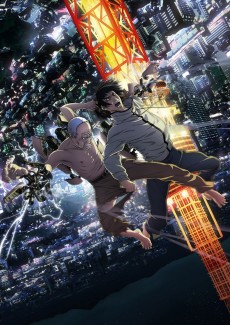

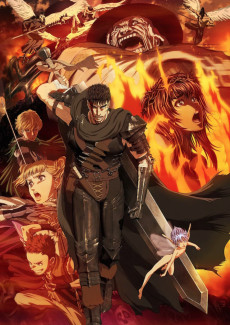


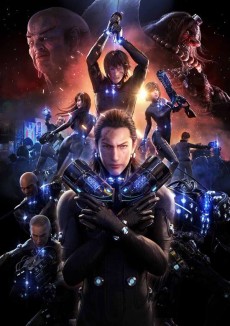
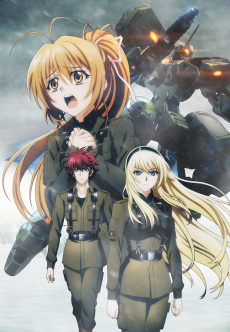
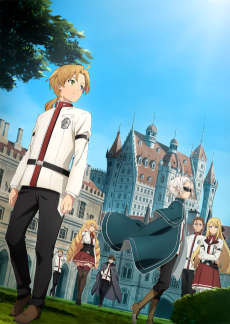
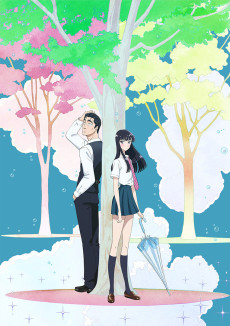
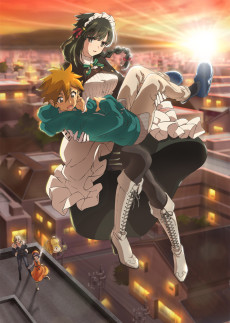


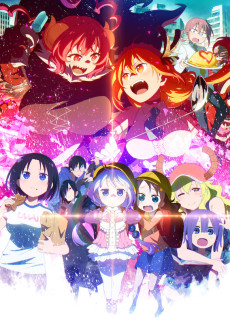
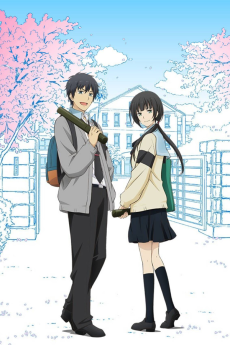


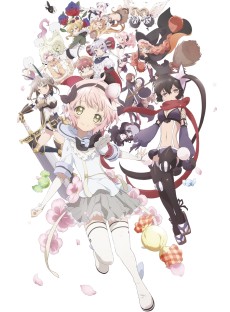
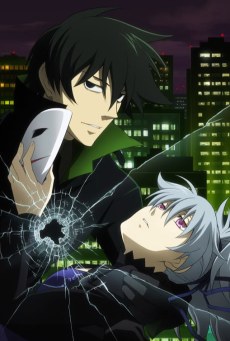
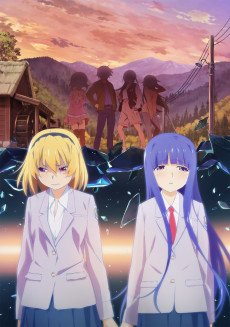




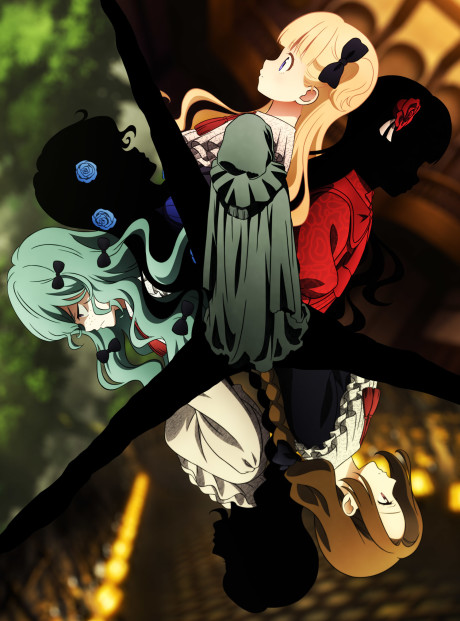

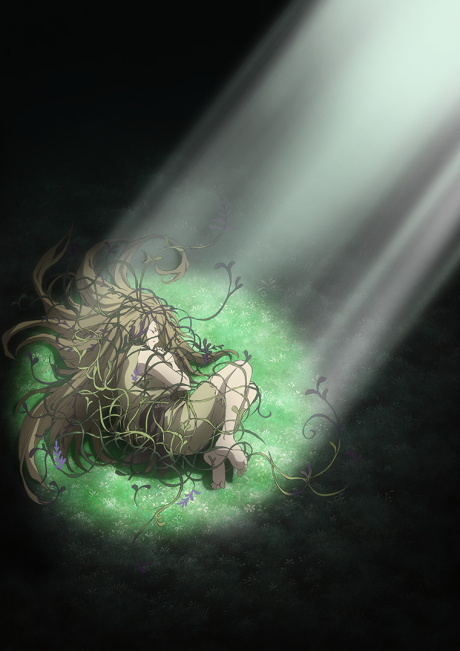






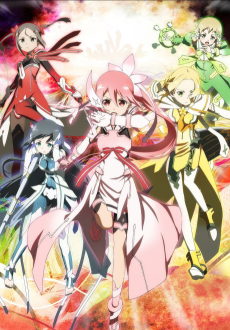
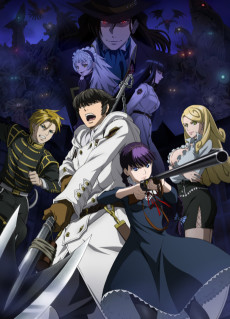


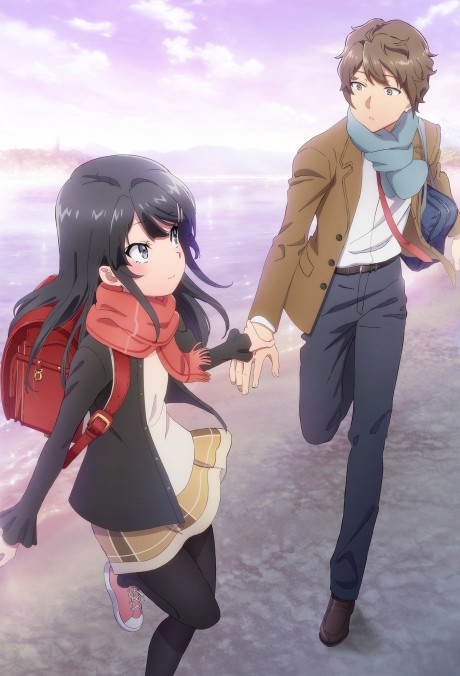


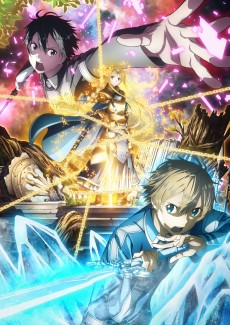










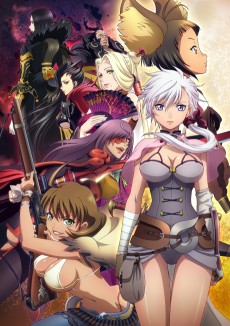
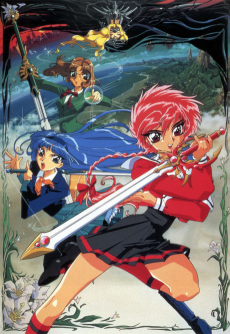
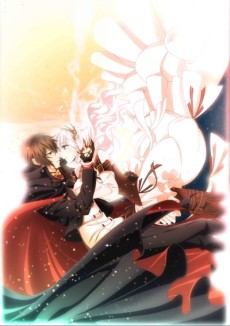
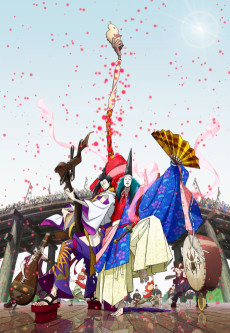






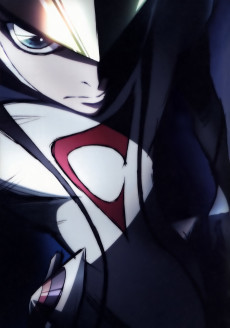
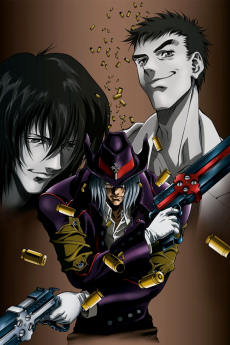
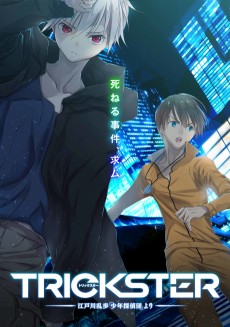
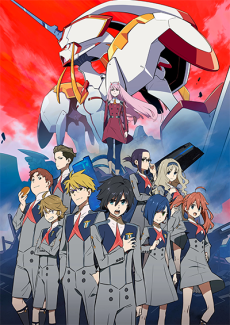







Match Dimensions Explained
❓Frequently Asked Questions
Why is Owarimonogatari listed as similar to The Witcher: Enhanced Edition Director's Cut?
Because both lean hard into morally grey emotional storytelling and psychological weight—like Geralt’s quiet exhaustion after the Bloody Baron quest, Owarimonogatari’s Koyomi Araragi wrestles with guilt, memory, and consequence in near-real-time dialogue scenes. The shared 'Dark Fantasy, Emotional Narrative, Adult & Dark Seinen' dimension means neither shies from trauma, ambiguity, or adult stakes—even if one swaps swords for wordplay.
Is there an anime adaptation of The Witcher: Enhanced Edition Director's Cut?
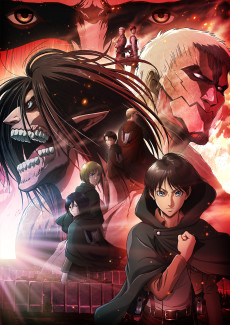
No—there’s no anime adaptation of *this specific version*. The Witcher has Netflix shows and manga, but the 'Enhanced Edition Director’s Cut' is a fan-remastered PC re-release of the original 2007 CD Projekt Red game (not the newer Witcher 3). It’s purely interactive—no anime exists for this cut, though GOBLIN SLAYER and Attack on Titan: No Regrets nail its gritty, consequence-heavy tone.
How does Call of the Night Season 2 compare to GOBLIN SLAYER for Witcher vibes?
Call of the Night S2 leans into melancholic intimacy and slow-burn emotional fallout—think Geralt’s tender, weary moments with Yennefer—while GOBLIN SLAYER mirrors the game’s unflinching combat pragmatism and grim worldbuilding, like when Geralt methodically prepares oils and bombs before a grueling fight. Both hit that 'Dark Fantasy, Emotional Narrative' sweet spot, but GOBLIN SLAYER’s visceral monster-hunting mechanics feel closer to the game’s clunky-yet-intentional combat rhythm.
What’s the best anime like The Witcher: Enhanced Edition Director's Cut if I want that same heavy, atmospheric dread and moral exhaustion?
Maquia: When the Promised Flower Blooms—it’s got that same suffocating sense of time passing, irreversible choices, and quiet devastation. Like Geralt watching Ciri vanish into the fog at the end of Chapter III, Maquia’s decades-spanning grief and muted color palette mirror the game’s 'story, atmosphere, and narration [that] carried the entire game' despite clunky execution. It’s not about flashy fights—it’s about living with consequence.