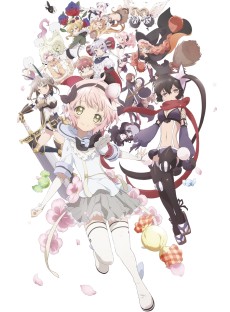
Magical Girl Raising Project
A social game called The Magical Girl Raising Project allows one in tens of thousands of people to be a "magical girl" — possessing extraordinary physical capabilities and looks, as well as special magical powers that set them apart from the rest of the human race. But one day, in a district containing 16 magical girls, the administration announces that it must halve the number of magical girls to solve the problem of magical energy.
(Source: Anime News Network)
📺Anime Details
📝Editorial Analysis
The air tastes like burnt sugar and iron. A girl in a frilly pink dress—Mipple, her name tag still pinned crookedly to her sleeve—stares at her own severed hand lying in the rain-slicked alley, fingers still twitching. Not screaming. Not crying. Just calculating. How much magic remains? Who’s next? Is survival even the point anymore—or just the slow, grinding erosion of what it means to be human when the rules dissolve into arithmetic? That’s the first breath of Magical Girl Raising Project: not wonder, but dread dressed as glitter.

What makes it ache isn’t the gore—it’s the silence after the scream. It’s watching someone recite multiplication tables while stepping over a friend’s cooling body, because the system demands efficiency, not empathy. This isn’t horror that jumps; it’s horror that settles, like dust in your lungs. You don’t fear the monsters—you fear the admin message blinking on your phone, the cheerful chime that precedes erasure, the way kindness becomes a liability and trust a tactical error. It forces you to sit with the quiet horror of choice without agency: every decision is real, every death is witnessed, and every survivor carries the weight of who they let fall—not because they’re evil, but because the math left no room for mercy.
That emotional DNA pulses strongest in games where spectacle and suffering are inseparable—and where systems betray you. Sacred Gold doesn’t just feature orcs and ogres; its world crumbles under its own weight. Player reviews call it “full of jank, bugs and is not very stable”—and that instability mirrors the anime’s core trauma: a world built on promises (of power, of purpose) that glitches, crashes, and fails mid-battle. When your character stutters mid-swing because the engine can’t keep up, it echoes Mipple’s frozen second before she realizes the game isn’t fair—it’s broken, and you’re inside it.
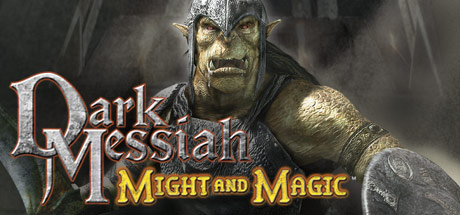
Then there’s Dark Messiah of Might & Magic, praised for “ferocious combat” and an “emotional narrative,” yet demanding patches just to run properly. That dissonance—between raw, visceral melee (a sword biting through armor, blood spraying in arcs) and the constant, low-grade anxiety of will this work? will I lose progress? will the world hold together long enough for me to matter?—is pure Magical Girl Raising Project. The anime’s swordplay isn’t ballet; it’s desperate, clanging, exhausting—just like Dark Messiah’s combat, where every parry feels earned and fragile. Both make you feel the weight of your weapon, the sweat, the slip of your grip—not as flourish, but as consequence.
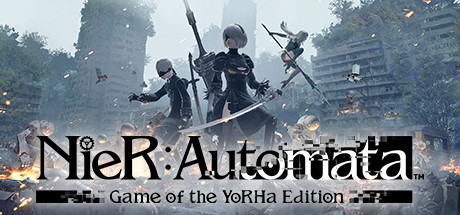
And NieR:Automata™, with its haunting refrain—“We’re trapped in a never-ending spiral of life and death”—lands like a gut punch because it shares the anime’s existential vertigo. Here, androids question whether pain proves personhood; there, magical girls dissect whether love is a weakness or the last thing worth preserving. Neither story offers salvation—only cycles: respawn screens, reboots, repeat missions, administrative resets. The player review doesn’t praise graphics or loot—it isolates loneliness, fear, pain as the anchors. That’s the same hollow resonance when a magical girl whispers a lullaby to herself before activating her final ability—not to win, but to feel something real one last time.
This pairing isn’t for fans of tidy catharsis or power fantasies. It’s for the ones who linger on loading screens, staring at the art until it blurs. For players who replay boss fights not to master them—but to study how the camera shakes when the character stumbles. For viewers who flinch not at blood, but at the pause before a confession, knowing what comes next won’t fix anything. They’re drawn to stories where hope isn’t a destination—it’s a flicker you shield with your hands, knowing the wind is already rising. Where every victory smells faintly of ash. Where magic isn’t wonder—it’s accounting, and the ledger is always red.
🎮53 Games That Match the Vibe













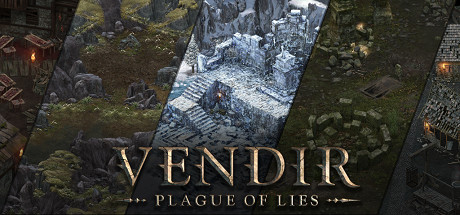
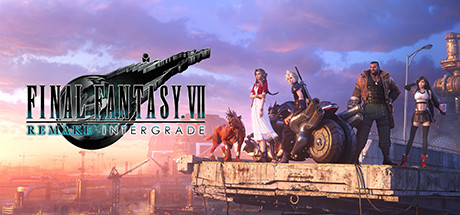
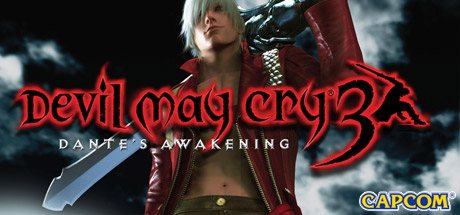


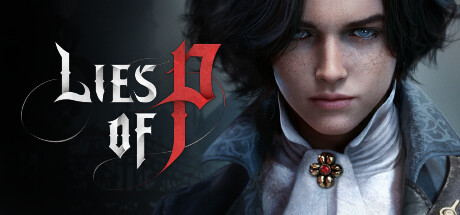





Match Dimensions Explained
❓Frequently Asked Questions
Why is Sacred Gold listed as similar to Magical Girl Raising Project when it’s all about orcs and ogres?
Great question — it’s not about the surface theme, but the shared 'Dark Fantasy' + 'Adult & Dark Seinen' vibe: both lean hard into morally grey stakes, sudden tonal whiplash, and protagonists facing brutal consequences (like Miu’s betrayal arc or Ruler’s descent). Sacred Gold’s grim kingdom of Ancaria — where champions die fast and choices have weight — mirrors the psychological pressure-cooker of Magical Girl Raising Project’s survival game.
Is there a Magical Girl Raising Project anime or game adaptation?
No official game adaptation exists — the franchise remains anime/manga-only. But if you’re craving that same mix of glittery aesthetics clashing with existential dread and high-stakes elimination, NieR:Automata™ nails it: 2B’s stoic facade, 9S’s unraveling psyche, and the haunting line *'We’re trapped in a never-ending spiral of life and death'* hit the same emotional notes as Miu’s quiet desperation or Rimu’s tragic arc.
How does Dark Messiah of Might & Magic compare to NieR:Automata™ for dark magical girl vibes?
Both deliver 'Action Spectacle' + 'Adult & Dark Seinen', but Dark Messiah leans into visceral, physics-driven melee chaos (think kicking enemies down castle stairs à la its Source Engine) and raw emotional narrative beats — like your character’s descent into vengeance mirroring Miu’s loss of innocence. NieR:Automata™ swaps swords for balletic android combat and philosophical dread, but shares that same gut-punch contrast between beauty and brutality.
What’s the best game like Magical Girl Raising Project if I want that tense, isolating survival vibe with hidden betrayals?
Go straight to Two Worlds II HD — especially on SteamDeck, where it actually runs smoothly (unlike on many PCs). Its 'Survival & Crafting' layer forces tough resource choices while exploring cursed ruins, and the 'Dark Fantasy' tone means allies vanish without warning, quests twist into traps, and that eerie Velvet Edition DLC adds ghostly, morally ambiguous encounters — very much like how Magical Girl Raising Project turns friendship into a liability.