The Witcher 3: Wild Hunt
You are Geralt of Rivia, mercenary monster slayer. Before you stands a war-torn, monster-infested continent you can explore at will. Your current contract? Tracking down Ciri — the Child of Prophecy, a living weapon that can alter the shape of the world.
🎮Game Details
💬What Players Say
"DLC announced 11 years after release, my favourite game keeps getting better"
"I started The Witcher 3 without playing the earlier games and didn’t really know the world or the author. I just jumped in like any other game. But soon I realized how amazing it was...."
"After 10 years, this game still looks better than some brand-new releases today. On the highest settings, it sometimes feels like a fantasy vacation with ray tracing instead of sunscreen. 🌲⚔️ You ride peacefully through the world, admire the scenery… and suddenly get jumped by some monster hiding in the bushes...."
📝Editorial Analysis
The first time you ride through the rain-slicked cobblestones of Novigrad at dusk, Geralt’s horse hooves echoing like a slow, tired heartbeat, and the scent of wet stone and distant smoke hangs in the air—you don’t feel like a hero. You feel tired. Not exhausted from combat, but worn down by the weight of choices already made, promises half-kept, and a child—Ciri—slipping further into myth while war burns across the continent like dry grass. That’s the game’s pulse: not spectacle, but resonance. It’s right there in the player review calling it a “fantasy vacation with ray tracing instead of sunscreen”—a line that lands because it’s true: this isn’t escapism as distraction, but as immersion in texture, consequence, and quiet, accumulated sorrow.
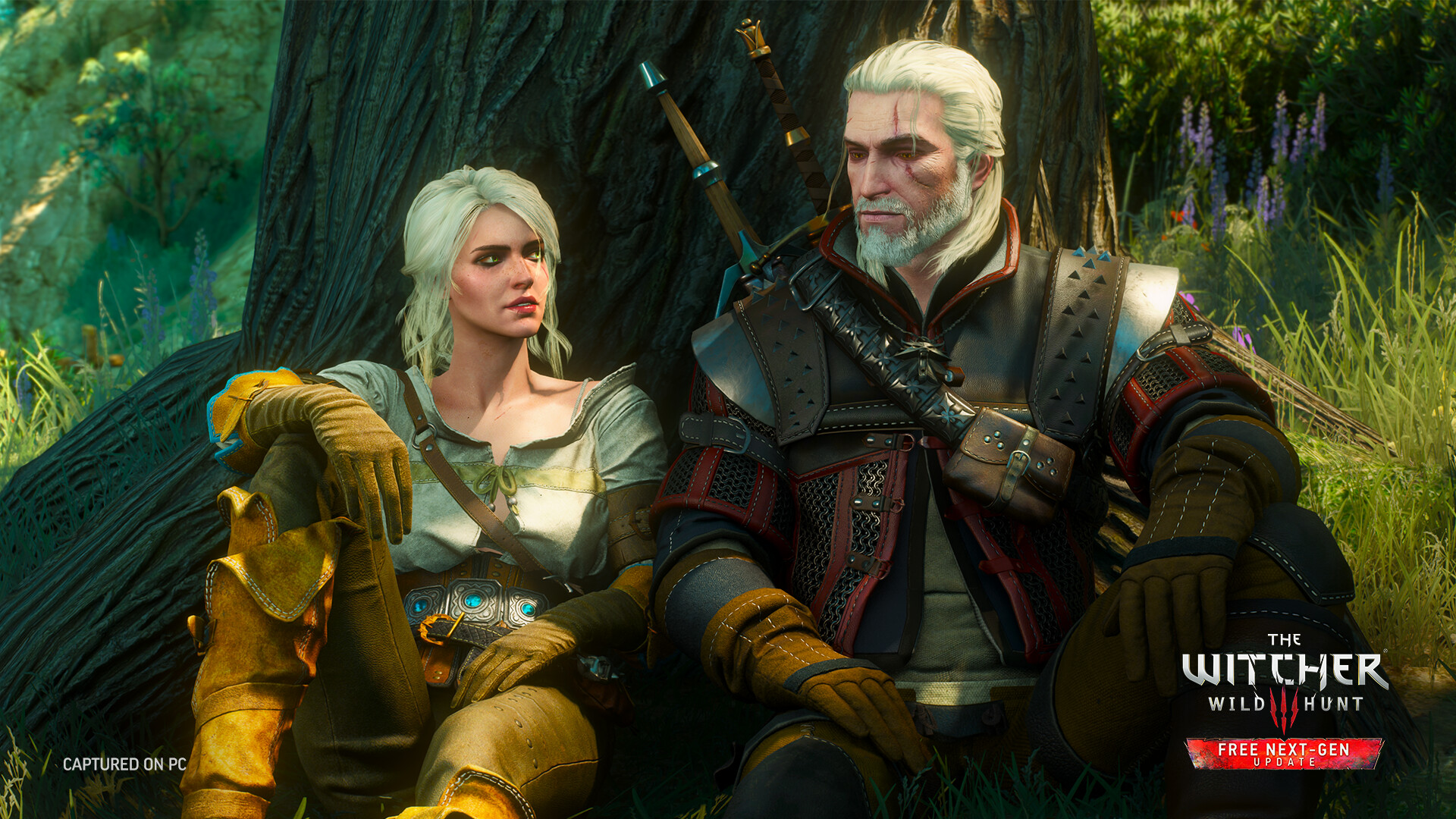
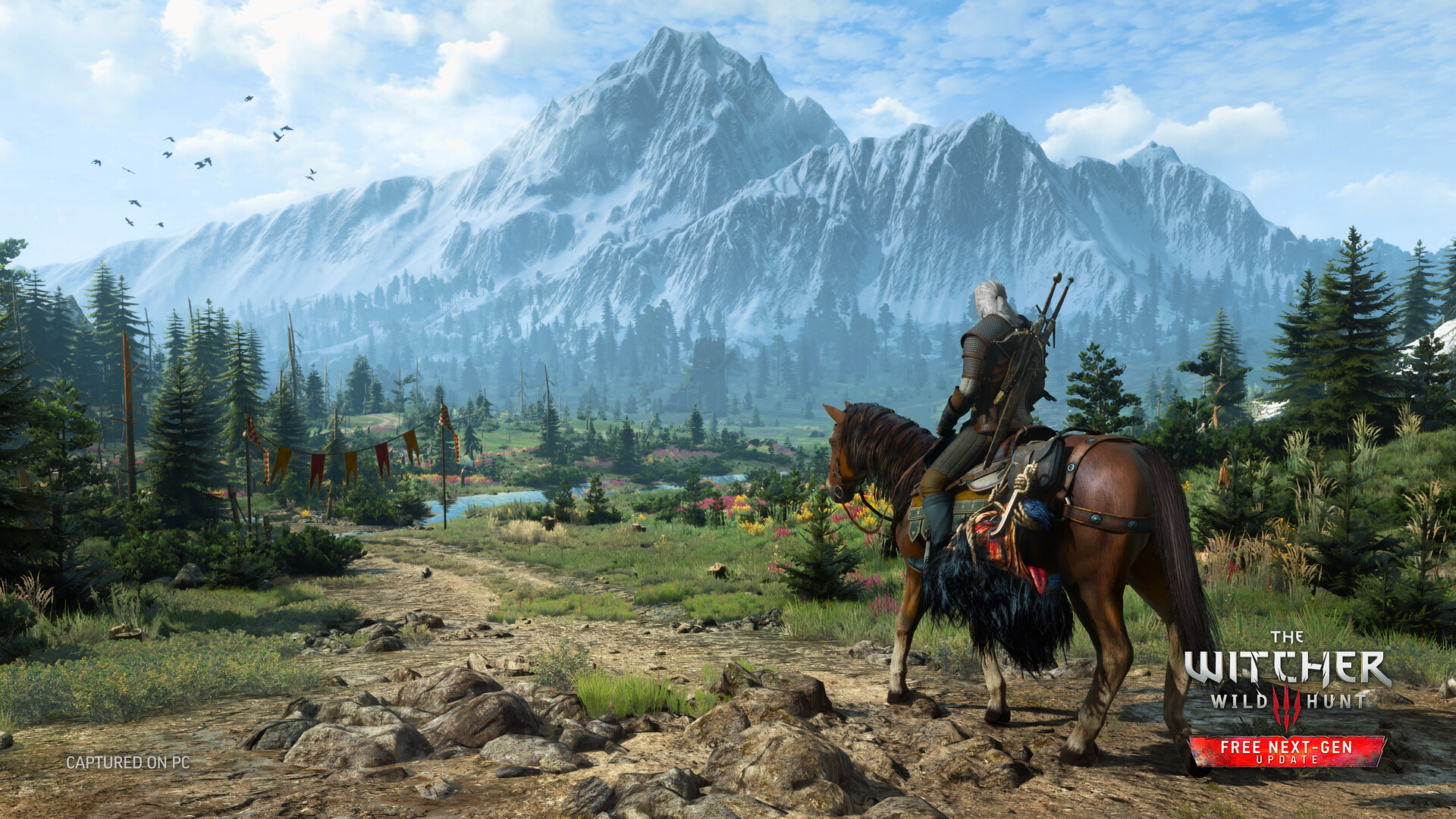
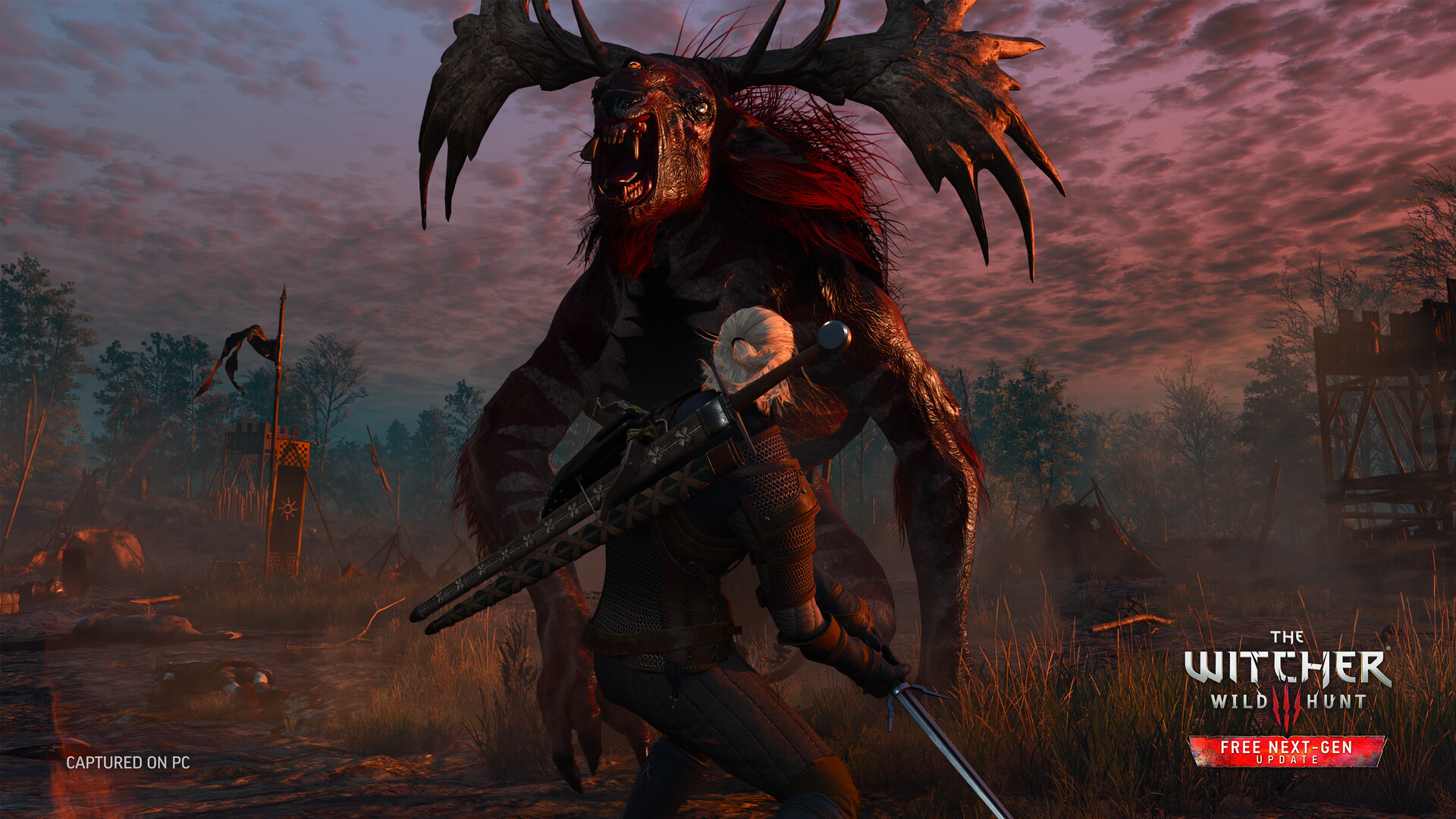
What makes The Witcher 3: Wild Hunt’s atmosphere singular isn’t its monsters or politics—it’s how deeply it trusts ambiguity to carry emotional gravity. You’re never told what to feel when a mother begs you to kill her infected daughter; you’re just given the sword, the silence, and the rain. The world feels lived-in, not curated—cracks in castle walls, rust on armor, the way Geralt’s voice catches just once before saying “I’ll find her.” Even ten years later, players say it “still looks better than some brand-new releases,” not because of polygons, but because every visual choice—from the fog clinging to Skellige cliffs to the flicker of candlelight in a peasant’s hut—serves mood, not metrics. It makes you think about loyalty without slogans, love without guarantees, and duty as something you carry, not wear.
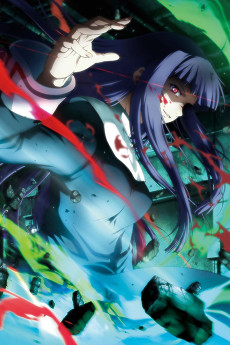
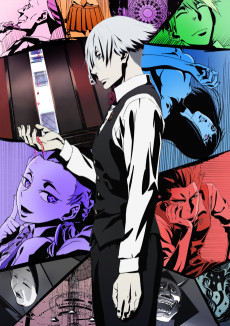
That same emotional DNA thrums in Owarimonogatari, where dialogue coils like smoke around unspoken grief, and every pause between words feels like a breath held too long. Its Dark Fantasy isn’t about bloodshed—it’s about the rot beneath language, the way trauma reshapes memory until truth blurs into folklore. Like Geralt navigating court intrigue in Vizima, the characters speak in riddles not to obscure, but because clarity would shatter them. And like the game’s insistence on letting Ciri’s fate remain unfixed until the final hours, Owarimonogatari refuses catharsis—opting instead for lingering, aching, unfinished.
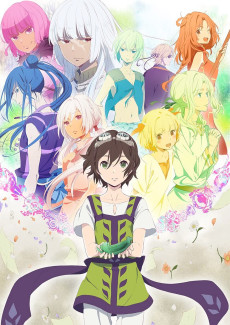
Then there’s Maquia: When the Promised Flower Blooms, which shares that same devastating patience—the kind that lets twenty years pass in a single glance across a dinner table. Its Emotional Narrative doesn’t hinge on prophecy or power, but on the slow erosion of time and the quiet courage of choosing love when immortality makes it unbearably fragile. Just as Geralt rides across a continent searching for Ciri—not to control her, but to witness her becoming—Maquia watches her adopted son age while she stays still, her hands trembling not from magic, but from helplessness. Both understand that the most profound bonds aren’t forged in battle, but in the space between “I’m here” and “I’m still here.”
And Call of the Night Season 2—not the first season’s whimsy, but the second’s hushed, nocturnal intimacy—mirrors the game’s tactile melancholy. Here, vampirism isn’t gothic horror, but a metaphor for longing so deep it rewires your biology. The way Kou stares at the moonlit city, not with hunger, but with recognition—as if he’s seen this loneliness before, in another life, another contract—echoes Geralt’s quiet moments atop Gildorf Hill, watching the sunset over a world he’s saved, again and again, yet never quite belongs to.
This is for the person who replays the same tavern scene three times—not to optimize loot, but to hear the bard’s voice crack on the last verse. For the one who pauses mid-quest to watch fireflies rise from a swamp at midnight, because the stillness matters more than the objective. For readers who underline sentences in novels not for plot, but for how a comma changes the weight of a sigh. These pairings don’t ask you to consume—they ask you to sit, to remember, to let beauty and brutality settle in the same hollow behind your ribs. They’re for those who know that the most human thing in a dark fantasy isn’t the sword, the spell, or even the monster—but the hand that hesitates before lifting it.
→235 Anime That Match the Vibe

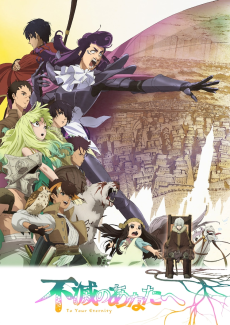
Geralt’s desperate search for Ciri across battle-scarred fields mirrors Maquia’s quiet, decades-long vigil as a mother aging alone while her adopted son grows—both anchor dark fantasy in intimate, bodily time. Unlike most seinen works fixated on power or revenge, their emotional narrative hinges on love that persists *despite* irreversible loss: Geralt’s scars and Maquia’s fraying Hibiol cloth bear witness. This resonance feels startling—not because they’re similar, but because each uses its medium’s strengths to make grief tactile, tender, and unflinchingly adult.
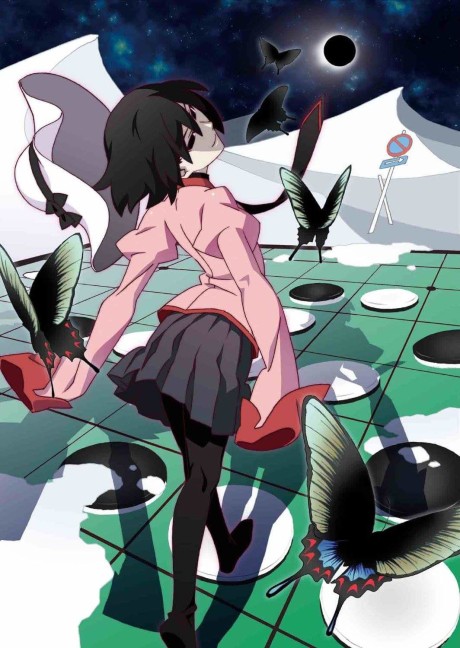
Geralt’s silent, rain-slicked vigil outside Novigrad’s crumbling walls mirrors Araragi’s hollow-eyed insomnia in the Ougi Formula arc—both trapped in liminal spaces where duty and love blur into exhaustion. Unlike most dark fantasy, *The Witcher 3* and *Owarimonogatari*’s final season weaponize psychological weight not through spectacle, but through withheld confessions: Ciri’s fractured memories echo Sodachi’s self-erasure, each revelation landing like a bruise. Their shared **Emotional Narrative** thrives in quiet devastation—Geralt’s “I’m not her father” beside Araragi’s “I don’t know what I am to her”—proving darkness resonates deepest when spoken softly.
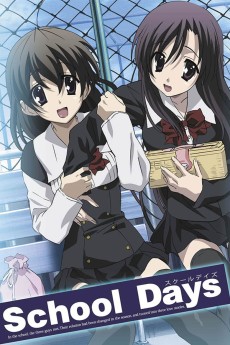
Dark worlds where beauty and brutality coexist — every victory comes at a cost.

Geralt’s weary gaze across Skellige’s storm-lashed cliffs mirrors Ko’s quiet, rain-slicked hesitation outside Nazuna’s apartment in *Call of the Night* Season 2—both moments steeped in 💔 Emotional Narrative where love blooms not despite darkness, but *within* its weight. Unlike most supernatural romance, neither work romanticizes transformation: Geralt’s mutations and Ko’s vampirism are lived burdens, grounding their choices in adult consequence. That shared 🖤 Adult & Dark Seinen sensibility makes their resonance startlingly tender—not escapism, but intimacy forged in shadows.
Dark worlds where beauty and brutality coexist — every victory comes at a cost.
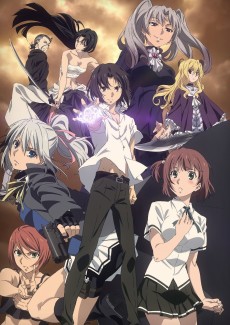
Dark worlds where beauty and brutality coexist — every victory comes at a cost.
Dark worlds where beauty and brutality coexist — every victory comes at a cost.
Dark worlds where beauty and brutality coexist — every victory comes at a cost.
Dark worlds where beauty and brutality coexist — every victory comes at a cost.

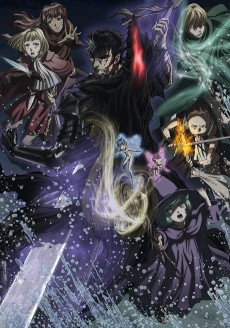
Both drown the world in rain-slicked, mud-choked realism—Geralt’s war-torn Velen mirrors Guts’ Band of the Hawk battlefield: corpse-strewn fields, flickering torchlight on grimy faces, the weight of armor and trauma alike. Their darkness isn’t spectacle—it’s intimate, suffocating: Ciri’s fractured psyche echoes Griffith’s descent, while Yennefer’s sacrifice and Casca’s unraveling share the same...










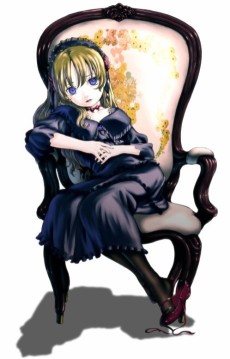
![Fate/stay night [Heaven’s Feel] III. spring song](https://s4.anilist.co/file/anilistcdn/media/anime/cover/large/bx21719-MSdTlkno0Z0u.jpg)
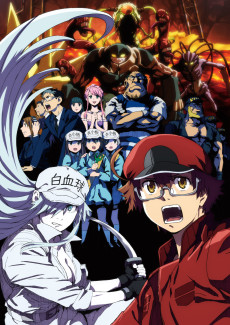

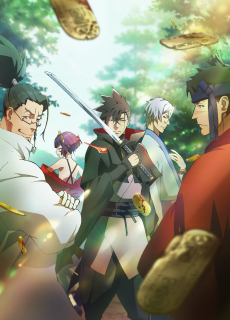
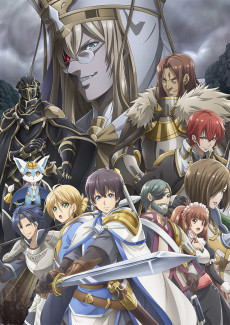
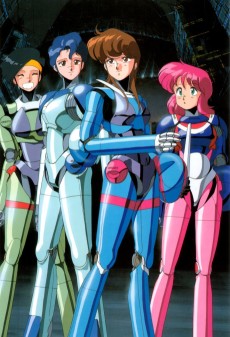














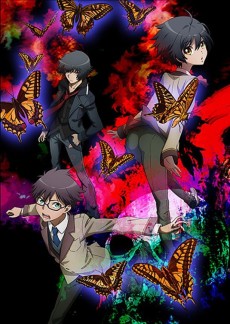
![Fate/stay night [Heaven's Feel] II. lost butterfly](https://s4.anilist.co/file/anilistcdn/media/anime/cover/large/bx21718-Hjj26Sapx1bd.jpg)
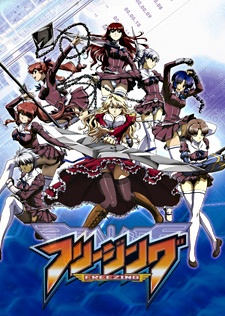
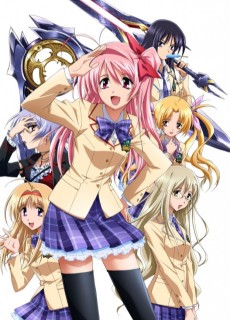
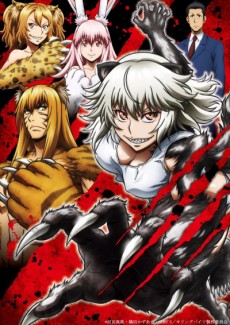

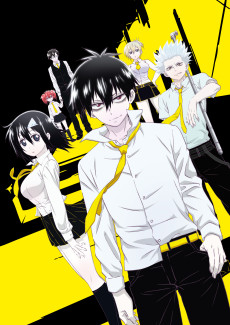
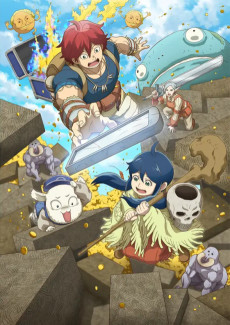

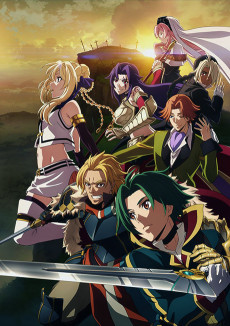

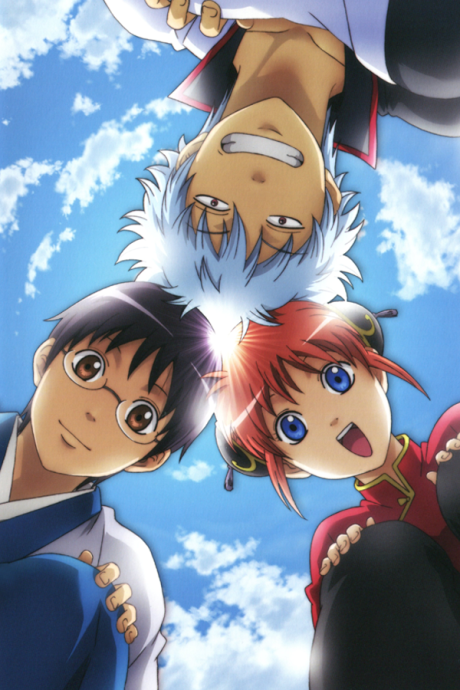

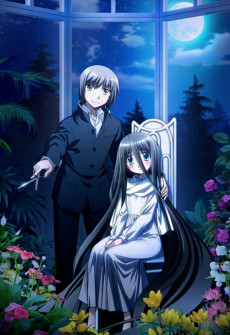



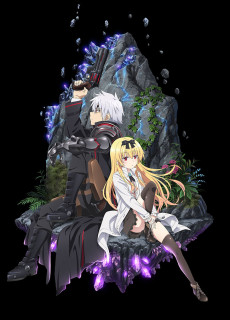
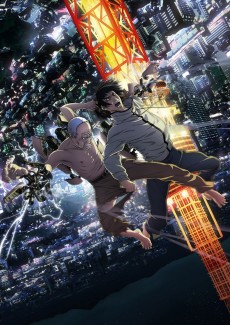

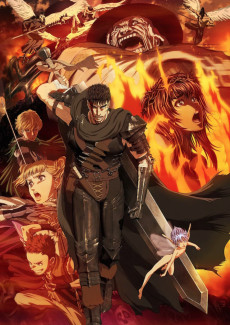


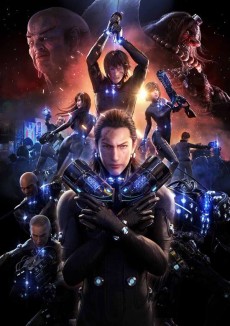
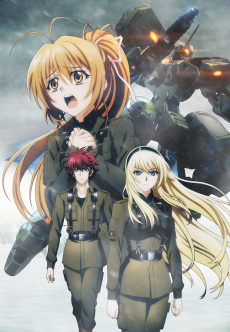
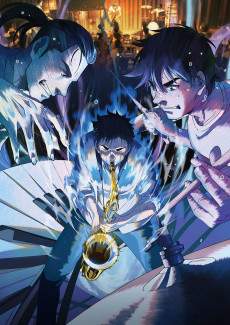
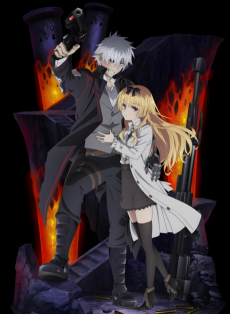
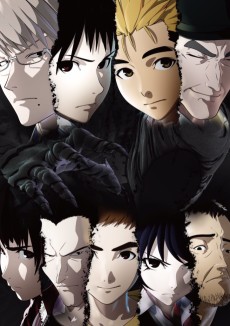
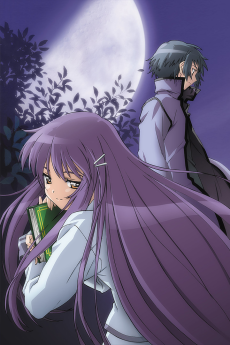
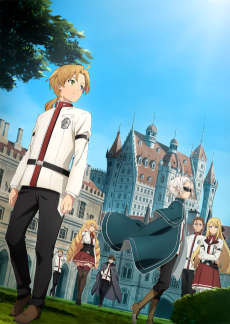
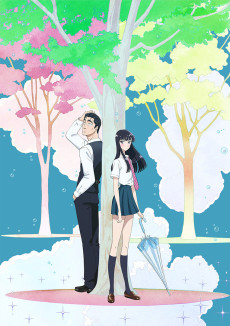
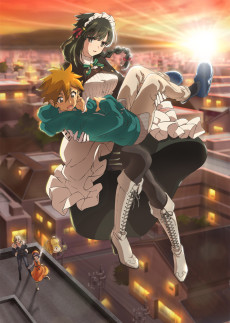




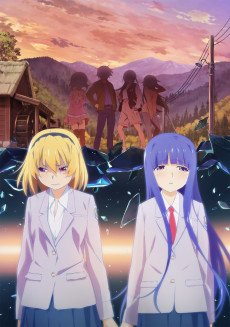
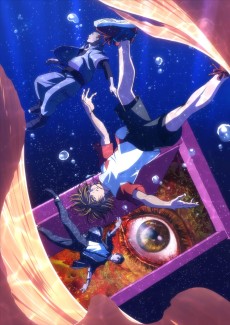
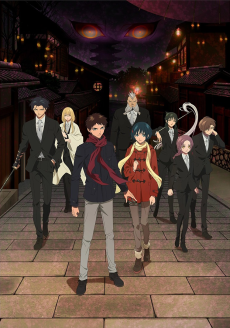


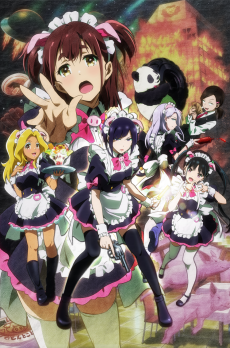


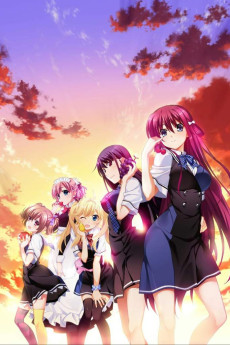
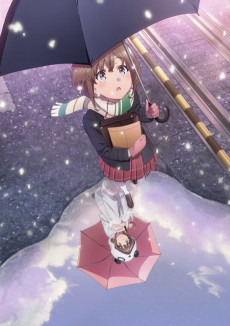
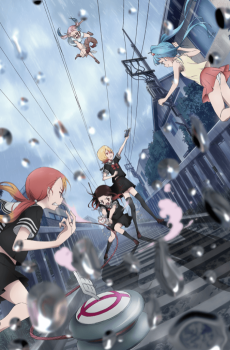
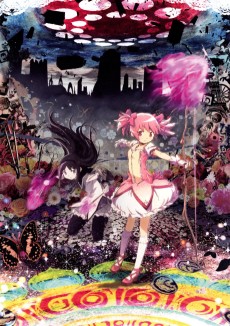
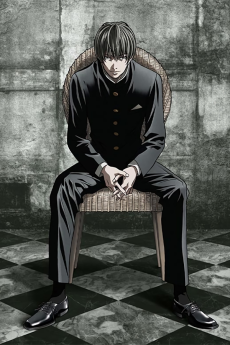
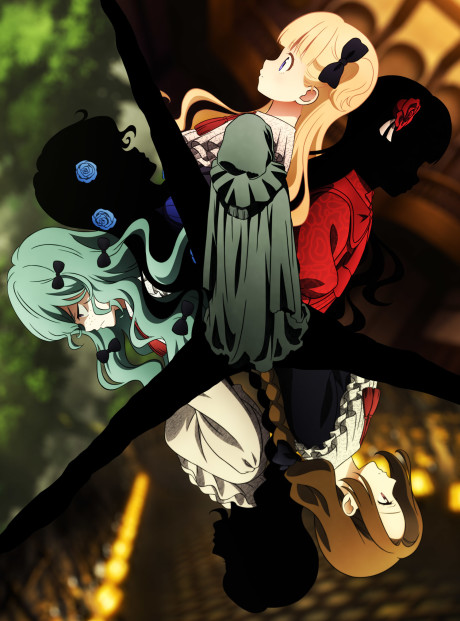

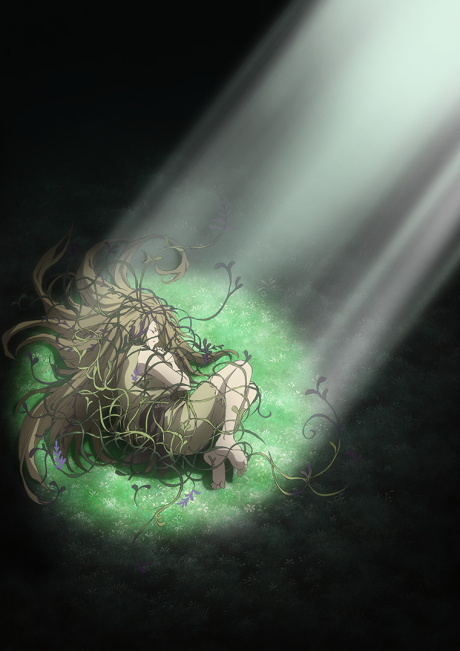
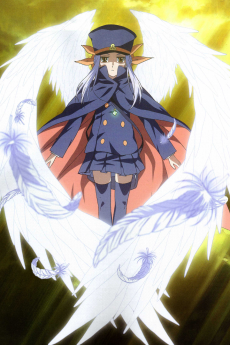





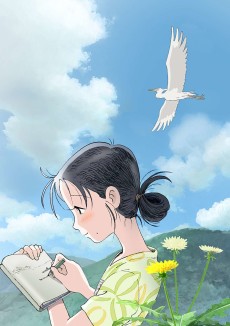

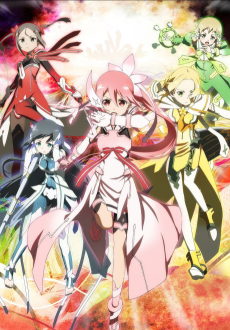
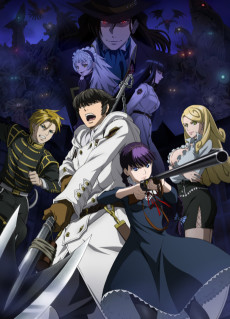


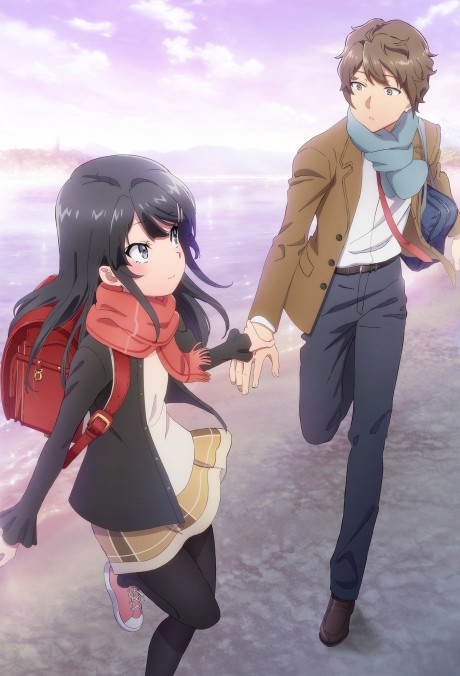







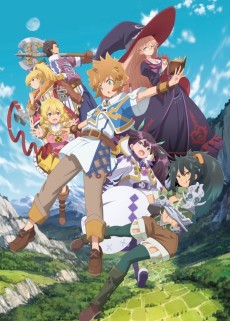
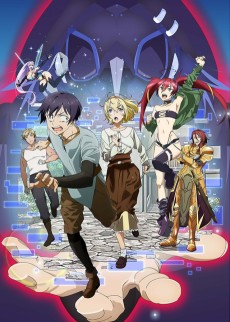
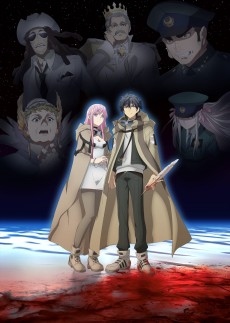
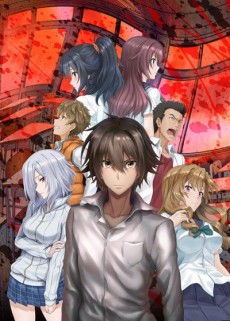


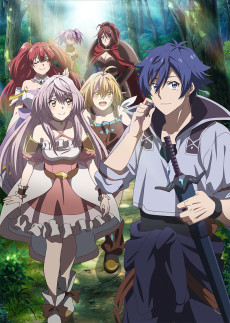
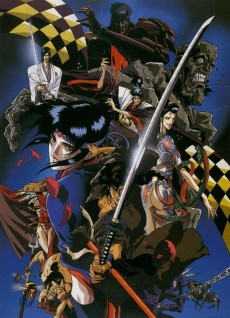


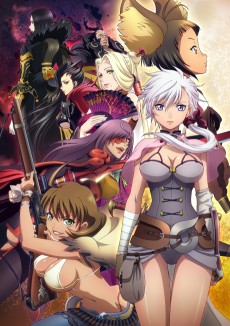
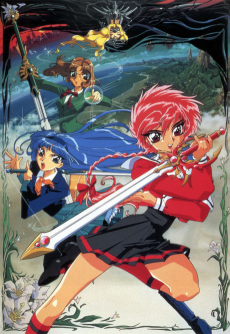
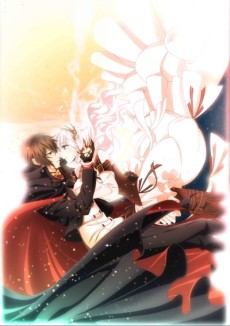
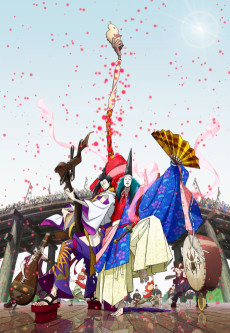
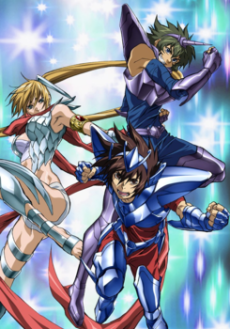


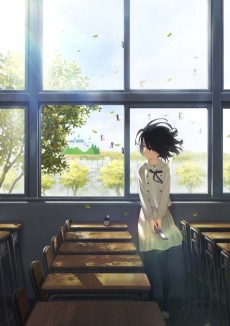
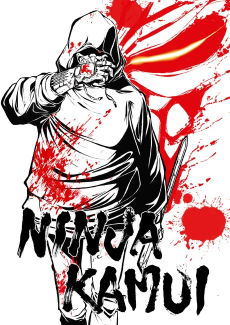

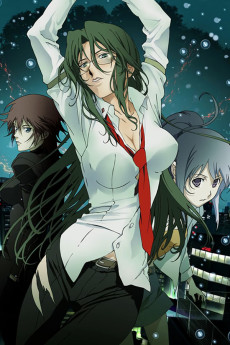
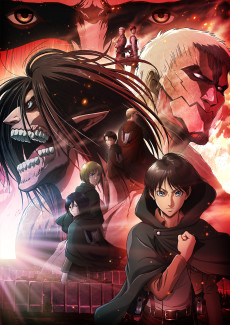
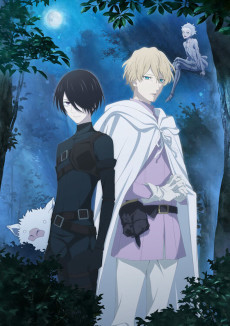
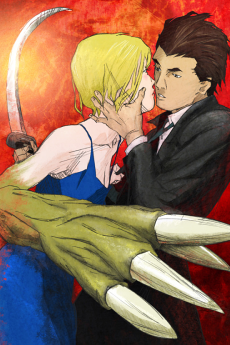


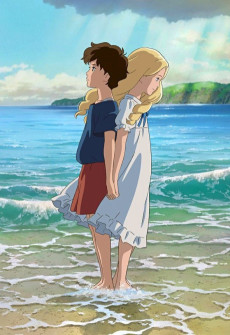

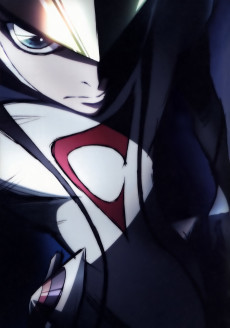
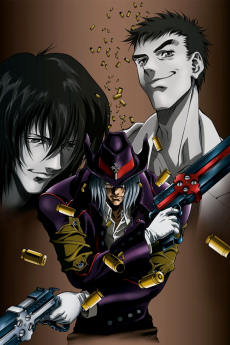
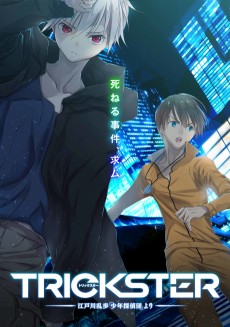
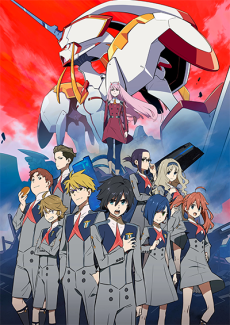


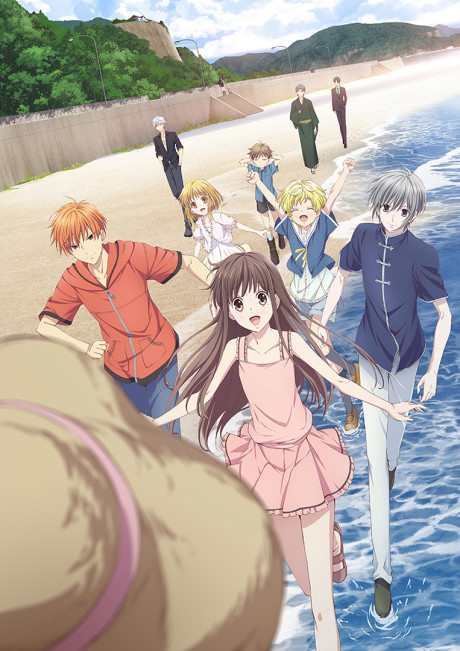
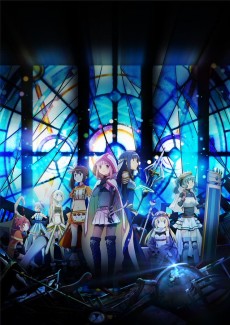
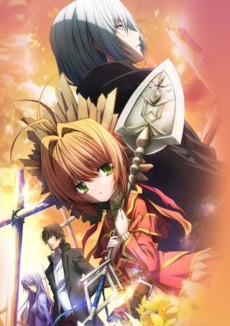
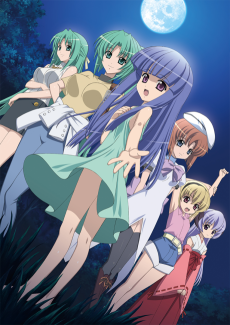
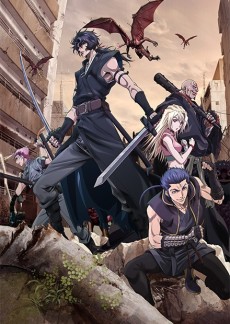


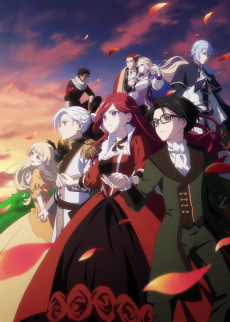


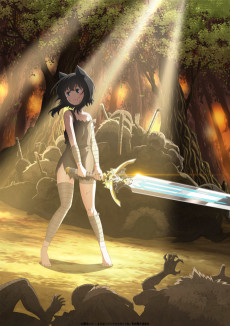

Match Dimensions Explained
❓Frequently Asked Questions
Why is GOBLIN SLAYER considered similar to The Witcher 3 despite having no magic system like Signs or Gwent?
Because both lean hard into gritty, grounded monster-hunting as emotional labor—not just combat. In GOBLIN SLAYER, you see the toll of trauma on the Sword Maiden after each raid, much like Geralt’s quiet exhaustion after a botched contract or Ciri’s nightmares echoing his own. It’s not about flashy spells; it’s the weight of the work, the moral ambiguity of who deserves mercy, and how violence reshapes everyone—even the 'hero' who keeps sharpening his blade at dawn.
Is there an anime adaptation of The Witcher 3: Wild Hunt?
No—there’s no official anime adaptation of The Witcher 3 (or any Witcher game). Netflix’s live-action series adapts Sapkowski’s books, not the games’ original storylines like Bloody Baron’s tragedy or the Isle of Mists’ cursed fog. That said, Owarimonogatari nails that same layered, dialogue-heavy, morally grey storytelling vibe—like when Koyomi confronts his past sins with the same weary introspection Geralt shows while reading Yennefer’s letters in Novigrad’s rain.
How does Maquia: When the Promised Flower Blooms compare to Attack on Titan: No Regrets for Witcher 3 fans?
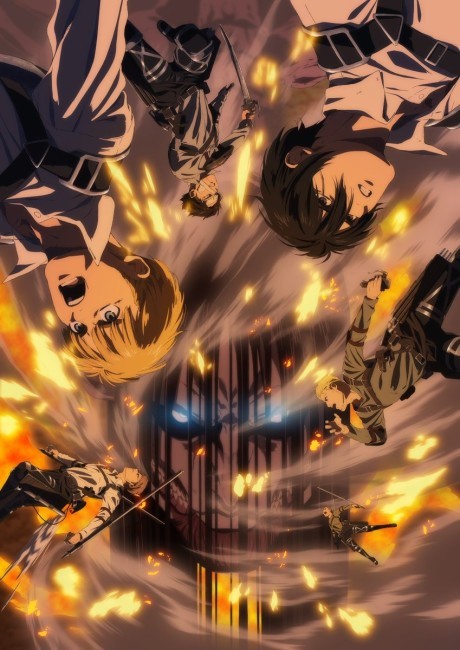
Both hit Witcher 3’s emotional gut-punch rhythm, but differently: No Regrets mirrors Geralt’s mercenary pragmatism—Levi’s cold efficiency, the visceral horror of the Titan transformation, and that heartbreaking final mission where duty overrides everything, just like Geralt choosing Ciri over Yennefer in the epilogue. Maquia, meanwhile, echoes the game’s quiet, aching humanity—her decades-long search for Ariel feels like Geralt’s cross-continental hunt for Ciri, especially in scenes where time passes silently over snow-covered ruins, mirroring Skellige’s frozen cliffs at dusk.
What’s the best anime like The Witcher 3 for someone who loves the ‘fantasy vacation’ vibe with ray-traced scenery and melancholic beauty?
Maquia: When the Promised Flower Blooms—hands down. Its hand-painted skies over floating islands and slow, sun-dappled village life (especially during the early Iorph years) give you that same immersive, almost tactile sense of place Geralt rides through—like cresting a hill in Velen and seeing the mist roll off the marshes. And just like riding Roach through autumnal Skellige with the wind in your hair, Maquia’s score swells under quiet moments of loss and tenderness, making every frame feel like a living painting you want to linger in.