
Rainbow
Seven teenagers in 1955 have to learn to live together in the same hold in the reformatory of Shounan. Confined in a hall where suffering and humiliation are daily, they are waiting for a ray of hope in a dark, incarcerating world. The story follows their life together and how they move on afterwards.
📺Anime Details
📝Editorial Analysis
The air in the Shounan reformatory’s hold doesn’t just smell of damp concrete and unwashed bodies—it presses. Not metaphorically. You feel it in your molars, a low thrum of dread beneath every shouted order, every slap echoing off cinderblock walls that haven’t seen sunlight in decades. One boy—Rokurou, maybe, or maybe just any of them—stares at his own reflection in a chipped spoon held too close to his face: blurred, distorted, barely recognizable. That’s the first truth Rainbow forces you to hold: identity isn’t discovered here. It’s scraped away, then painstakingly rebuilt from splinters.
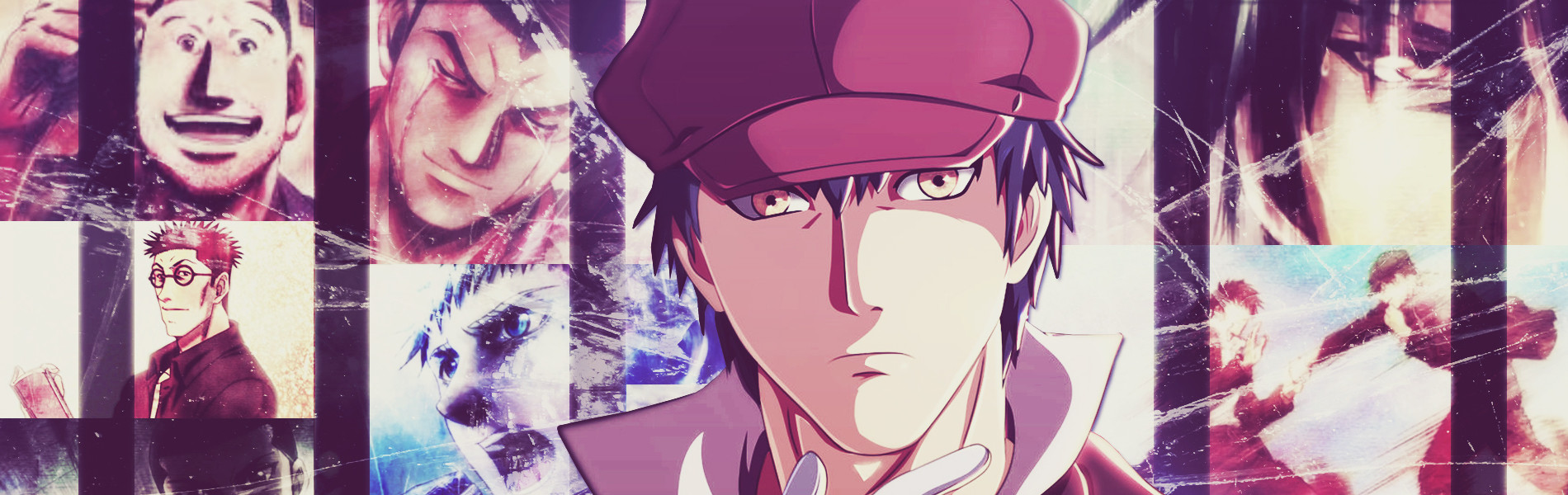
This isn’t despair as spectacle. It’s despair as texture: the grit under fingernails after scrubbing floors for hours, the hollow ache behind laughter that’s really just shock trying to pass as joy, the way silence between the seven boys isn’t peaceful—it’s charged, thick with unspoken alliances and older wounds they don’t yet have words for. Rainbow makes you feel claustrophobic empathy. Not pity. Not distance. You’re in the hold with them—not as observer, but as someone whose breath syncs to theirs when the guard’s footsteps pause outside the door. It asks you to sit with the unbearable weight of becoming human while being treated as less than. No fantasy escape. No heroic arc promised. Just the slow, brutal arithmetic of survival—and how dignity survives despite the math.
That same emotional DNA pulses in The Witcher 3: Wild Hunt, where Geralt walks through villages hollowed by war, not monsters. The description says he tracks Ciri across a war-torn, monster-infested continent—but what lingers is how often the real horror isn’t the beast in the cave, but the father who sold his daughter to soldiers, the mother who starves so her child eats. Player reviews call it an “Emotional Narrative” and “Adult & Dark Seinen”—not because of gore, but because it refuses catharsis on demand. Like Rainbow, it trusts you to sit with consequences long after the quest log closes. When Geralt chooses between two broken people, neither option cleans his hands—and you remember how Rokurou chose loyalty over safety, not because it was right, but because it was the only thing left to hold onto.
Then there’s Dragon Age: Origins, where the description frames your role as “a noble dwarf, an elf far from home”—but the player review zeroes in on something quieter: “the story is great and its pause attack mechanic is amazing… help a lot to strategist your tactic.” That pause isn’t just gameplay. It’s breathing room in moral collapse. In Rainbow, decisions aren’t grand—they’re whispered in bunk beds at 2 a.m.: Do we protect him? Do we lie? Do we break first? Dragon Age mirrors that intimacy. Its “JRPG Narrative” dimension isn’t about exposition—it’s about how companions’ trust fractures over time, how betrayal feels less like drama and more like a slow leak in the hull. You don’t level up morality. You live it, day after day, in cramped quarters where every choice echoes.
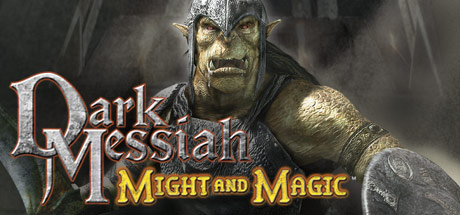
Even Dark Messiah of Might & Magic, with its “Neon Noir” and ferocious combat, shares this nerve. The description calls it “a dark and immersive world”, and the review praises its “fantastic melee combat”—but what binds it to Rainbow is physical consequence. Every swing matters. Every stumble costs stamina. There’s no auto-dodge, no health regen after cutscenes. Pain is tactile, immediate, inescapable. Like the boys in Shounan, you learn your limits not through dialogue, but through the sting of a missed parry, the exhaustion in your arms after three fights back-to-back. Survival isn’t abstract. It’s muscle memory.
These pairings won’t resonate with someone craving power fantasies or tidy resolutions. They’ll grip the viewer who watches Rainbow and feels the weight of Rokurou’s silence—not as emptiness, but as language forged in pressure. The player who replays The Witcher 3’s Bloody Baron quest not for loot, but to witness how grief calcifies into cruelty. The one who pauses Dragon Age mid-battle not to optimize damage, but to watch Alistair’s jaw tighten when he lies—to himself, to you. This is for people who understand that hope isn’t a sunrise. It’s the first time one boy hands another his half of the rice ball without being asked—and how that tiny, trembling act holds more gravity than any dragon slain.
🎮68 Games That Match the Vibe
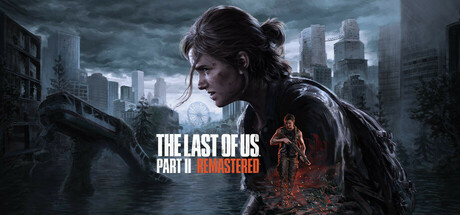

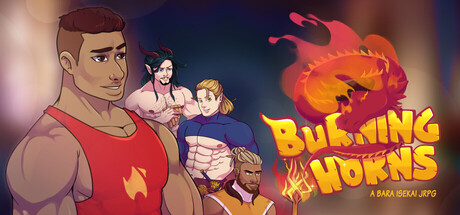

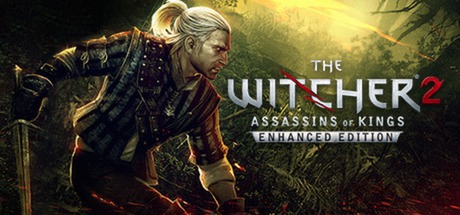



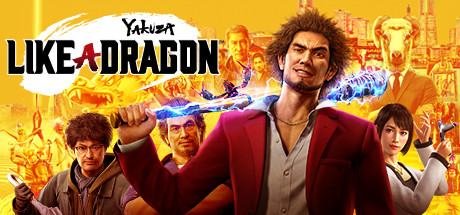
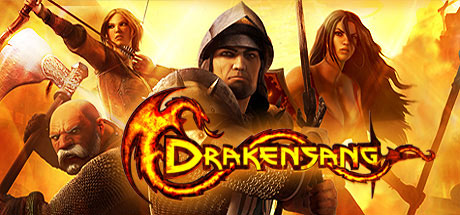
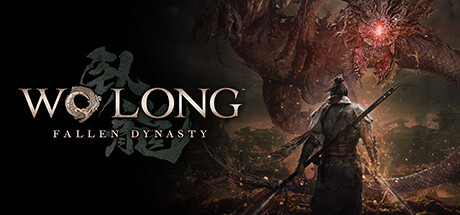
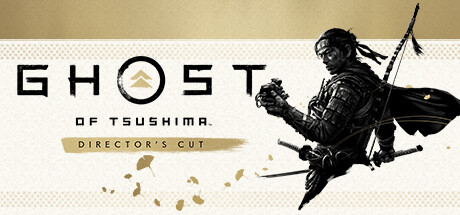
Match Dimensions Explained
❓Frequently Asked Questions
Why does Rainbow match with The Witcher games so well?
Because both dive deep into morally grey choices with real emotional weight—like Geralt choosing between Yennefer and Triss in The Witcher 2, or deciding Ciri’s fate in Wild Hunt’s ‘Blood and Wine’ DLC. The shared ‘Emotional Narrative’ and ‘Dark Fantasy’ dimensions mean you’ll get war-torn kingdoms, monster-haunted roads, and consequences that linger long after the credits roll.
Is there a Rainbow anime or movie adaptation?
No—Rainbow hasn’t been adapted into an anime or film (unlike The Witcher, which got Netflix seasons and animated specials). But if you love Rainbow’s tone, you’ll vibe hard with The Witcher: Enhanced Edition Director’s Cut—it’s the closest thing to a ‘live-action’-style narrative experience in game form, complete with branching dialogue and consequences that shape Geralt’s relationships with Yenn and Tress.
How is Dragon Age: Origins different from The Witcher 3 for someone who loves Rainbow’s tone?
Dragon Age: Origins leans harder into tactical pause-and-plan combat (great for strategists who loved Rainbow’s tense, high-stakes decision-making), while The Witcher 3 goes all-in on cinematic, reactive storytelling—like choosing whether to save a village from werewolves or let it burn for political gain. Both nail ‘Emotional Narrative’ and ‘Dark Fantasy’, but DAO’s party banter and origin stories (e.g., your dwarf noble’s exile) add a JRPG-style intimacy Rainbow fans appreciate.
What’s the best Rainbow-like game if I want gritty melee combat and zero hand-holding?
Dark Messiah of Might & Magic—it’s raw, physics-driven, and punishing, with bone-crunching kicks, environmental takedowns, and no auto-aim to soften the blow. Reviewers call it ‘a fantastic melee combat game that still holds up’, and its ‘Neon Noir’ + ‘Dark Fantasy’ blend gives you that same oppressive, rain-slicked tension as Rainbow’s prison-yard standoffs—just swap guard towers for crumbling gothic cathedrals.