Max Payne
Max Payne is a man with nothing to lose in the violent, cold urban night. A fugitive undercover cop framed for murder, hunted by cops and the mob, Max is a man with his back against the wall, fighting a battle he cannot hope to win. Prepare for pain…
🎮Game Details
💬What Players Say
"Back in the PS2 era, my friends and I used to play Max Payne 1 and 2 together. We had a rule: once you died, you passed the controller to the next player. I have no idea how many times we finished both games...."
"I had never played any of the Max Payne games before. I knew of them, but that was about it, so jumping into a 25-year-old game with absolutely no nostalgia attached was an interesting experience. The first thing that struck me was just how far games have come since 2001...."
"Literally unplayable without installing a patch, so be wary of that. Otherwise, it's basically Sam Lake's take on Die Hard. Very brooding atmosphere with seeds of all the classic Remedy weirdness that flourishes in their later games."
📝Editorial Analysis
Rain slicks the pavement like oil under sodium-vapor streetlights. Max Payne staggers into a hallway—blood on his coat, gun smoking, breath ragged—not because he’s won, but because he’s still standing. The official description nails it: “a man with nothing to lose in the violent, cold urban night.” Not hope. Not redemption. Just pain, raw and unvarnished. That’s the first thing you feel—not tension, not adrenaline, but weight. The weight of a body that’s been broken too many times, of a mind that’s stopped asking why and started counting bullets instead. Player Review 1 captures the ritual: passing the controller after each death, laughing through the exhaustion, turning despair into shared endurance. It wasn’t about winning—it was about lasting, together, in that grim, rain-lashed world. And Review 3 nails the tone: “very brooding atmosphere with seeds of all the classic Remedy weirdness”—not just noir, but neon noir: where shadows don’t hide truth, they distort it, and every flicker of light feels like a nervous tic.
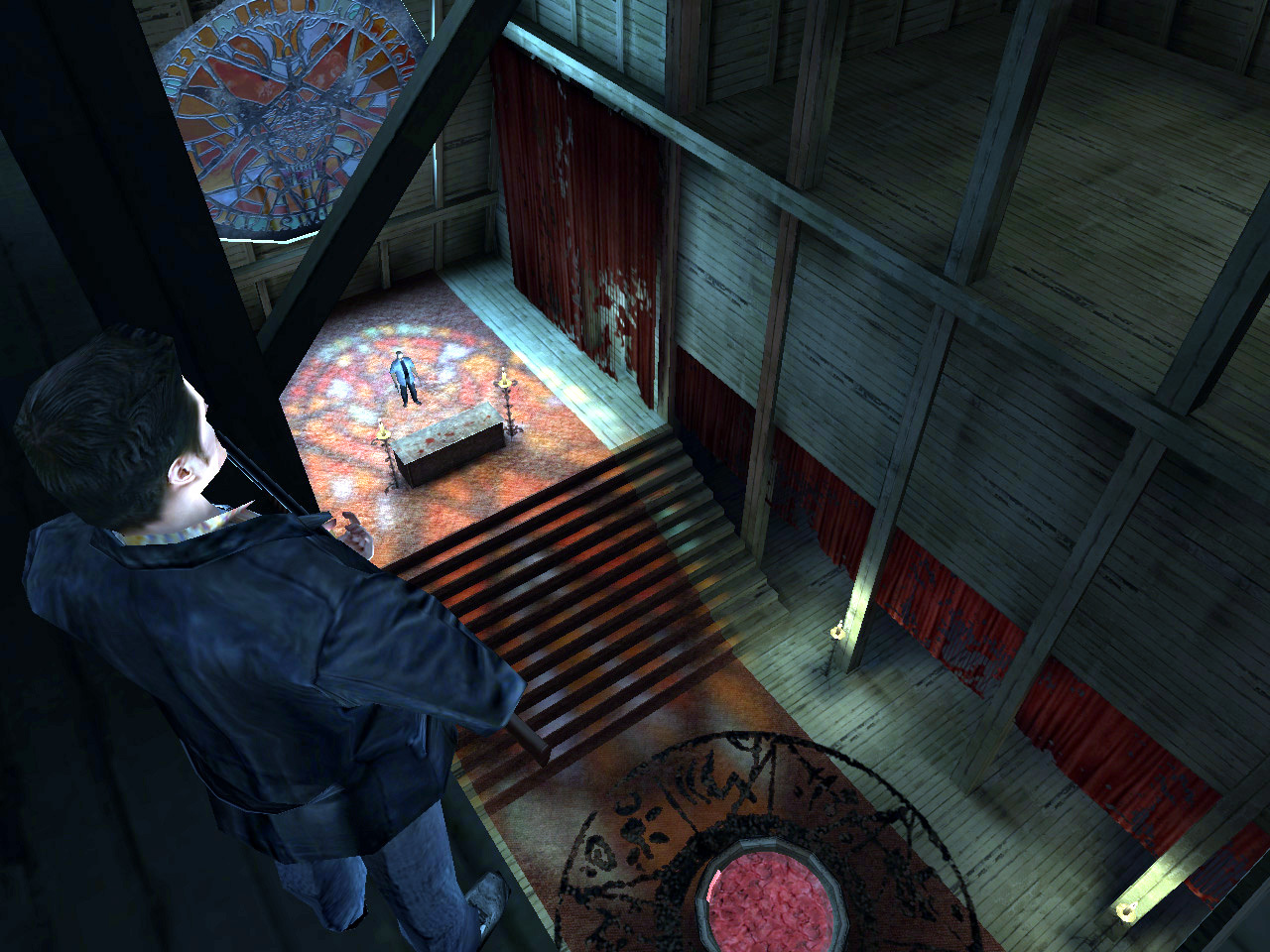
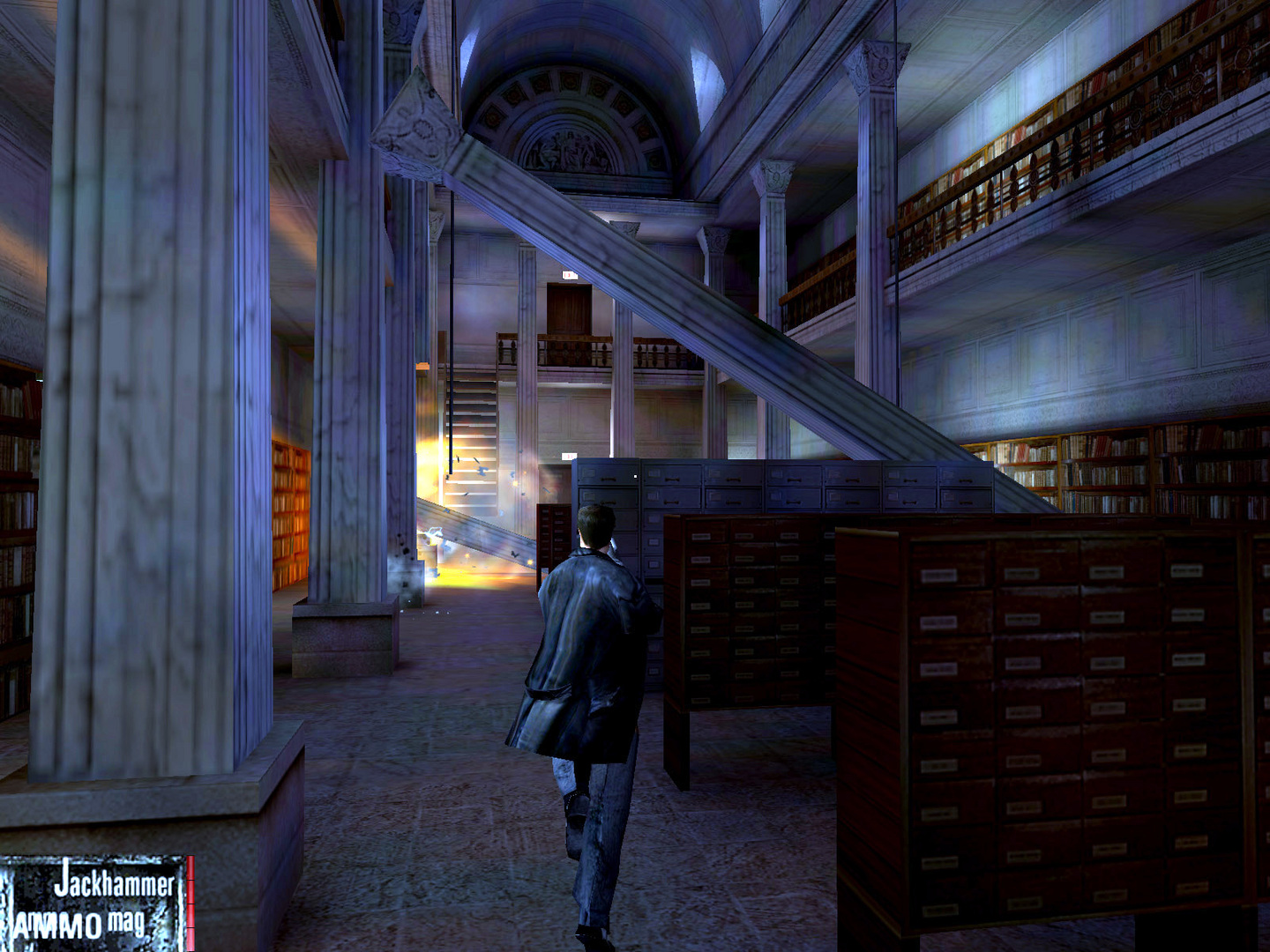
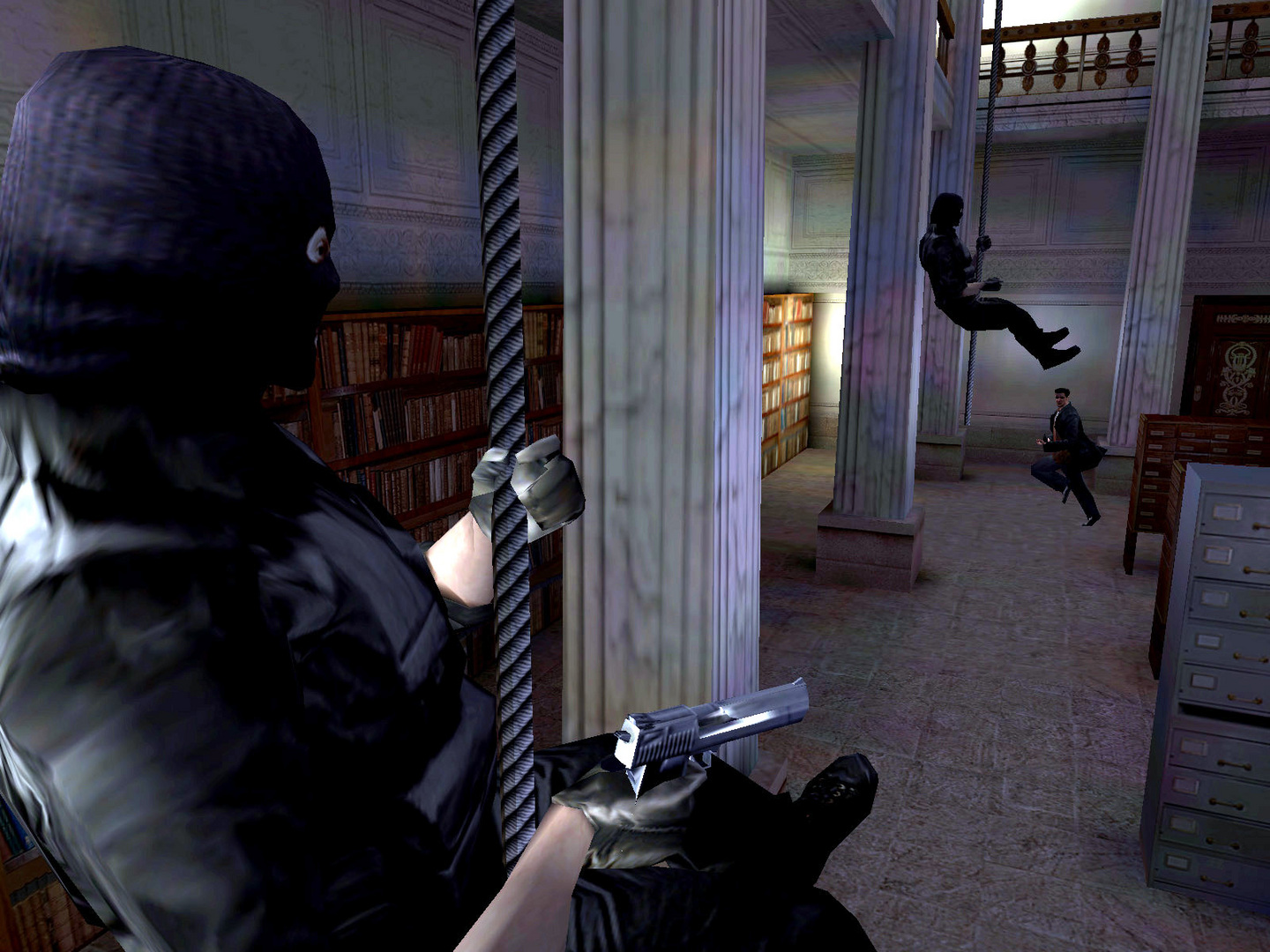
This isn’t just “dark.” It’s claustrophobic melancholy. The city isn’t a setting—it’s a character breathing down your neck, exhaling exhaust, cigarette smoke, and the static hum of a VCR left playing a corrupted tape. Max doesn’t move through space—he drags himself across it, each step echoing with the fatigue of someone who’s read too many case files and buried too many partners. There’s no catharsis in victory, only brief pauses before the next betrayal. You don’t feel powerful—you feel exposed, hyper-aware of every creak in the floorboards, every distant siren, every line of voiceover dripping with self-loathing. It makes you think about how much grief a person can carry before their spine stops bending and just snaps. It’s not nihilism—it’s weariness so deep it becomes philosophical. You’re not fighting to win. You’re fighting to witness—to see the rot all the way to its source, even if it blinds you.
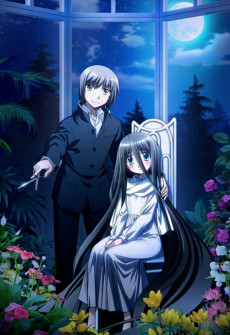
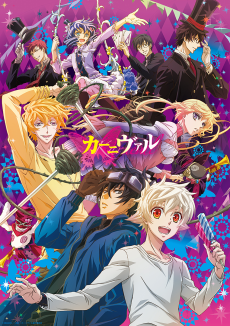
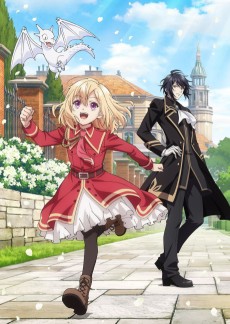
That emotional DNA pulses strongest in Moriarty the Patriot, where the neon noir isn’t just visual—it’s moral. Like Max, William James Moriarty operates in a system already rotten, and his deductions aren’t tools for justice but scalpels for unmaking. The mystery isn’t “who did it?” but “what does it cost to stare into the abyss long enough to map its contours?” Both Max and Moriarty wear their intelligence like armor—and like wounds. Then there’s Black Butler, where tactical warfare isn’t about firefights but precision cruelty: every chess move laced with aesthetic dread, every bow tie knotted just so over a throat that could be slit at any second. Its neon noir glows off wet cobblestones and blood-smeared porcelain—same suffocating elegance, same sense that beauty and brutality aren’t opposites, but twins. And Gosick—oh, Gosick—where the fog-draped library and snowbound academy aren’t safe havens but gilded cages. Victorique’s deductions unfold like Max’s bullet-time: slow, deliberate, drenched in memory and regret. The mystery isn’t solved—it’s unpeeled, layer by layer, revealing something older and colder beneath. All three share that core dimension: Neon Noir, not as style, but as state of being—where light doesn’t illuminate, it interrogates.
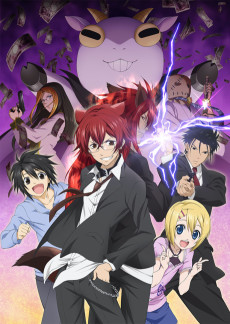
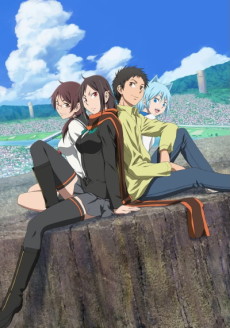
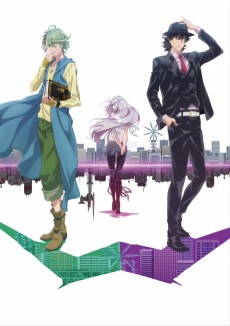
This pairing isn’t for the casual fan who wants escape. It’s for the one who keeps a notebook full of half-remembered quotes from dead detectives and writes marginalia in red ink. It’s for the player who replays the subway level not for the shootouts, but for the way Max leans against the tile wall, staring at his reflection in the cracked glass—tired, not tragic. It’s for the viewer who watches Ron Kamonohashi’s Forbidden Deductions and feels less like they’re solving a puzzle and more like they’re holding their breath while someone else dissects a soul. These are stories for people who understand that brooding isn’t mood—it’s muscle memory. Who know that the most devastating line in Hamatora isn’t about superpowers, but about a man lighting a cigarette in an empty apartment at 3 a.m., thinking “I remember what quiet used to sound like.” They’re for those who don’t need heroes—they need witnesses. And survivors. Even when survival looks exactly like falling, slowly, through rain.
→230 Anime That Match the Vibe
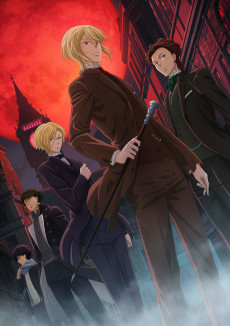
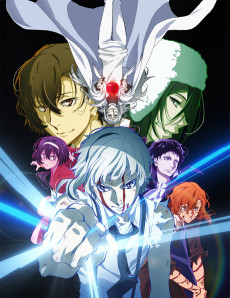
Neon-drenched rain slicks Max Payne’s trench coat as he staggers past flickering “WANTED” posters—mirroring Moriarty’s quiet fury beneath gaslit Mayfair ballrooms. Where Max fights a system that devoured his family, Moriarty weaponizes the very architecture of British aristocracy to dismantle it, both trapped in 🌃 Neon Noir moral labyrinths where justice wears a mask. Their resonance lies in how each weaponizes despair: one with bullet-time vengeance, the other with chessboard precision—dark, adult, and psychologically unrelenting.
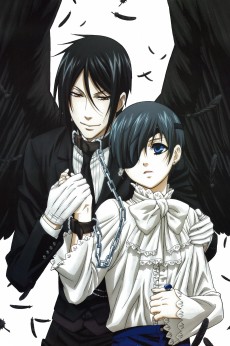
Neon Noir bleeds through rain-slicked London alleys and Max Payne’s bullet-riddled subway tunnels alike—both worlds glow with the same sickly, artificial light that exposes corruption without offering warmth. Ciel Phantomhive’s cold, calculated vengeance mirrors Max’s lone-wolf tactical warfare: one commands a demon with surgical precision, the other reloads in slow-motion despair, each weaponizing grief as strategy. Unlike most revenge tales, neither offers catharsis—just sharper shadows, deeper mystery, and the grim satisfaction of a well-placed shot or contract clause.
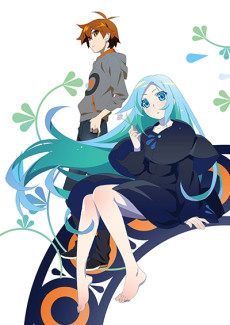
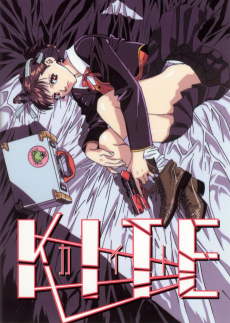
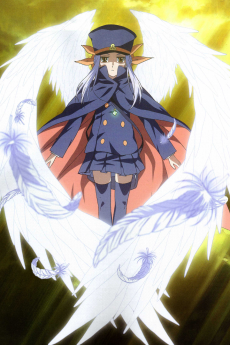
Neon noir bleeds through rain-slicked alleys and island mist alike—Max Payne’s bullet-time descent into a snow-globe hell mirrors Iria’s quiet unraveling on Wet Crow’s Feather Island. Unlike most mysteries that chase clues, both fixate on the *weight* of knowing: Max’s voiceover grinds truth like broken glass; Iria’s silence in the OVA’s final episode holds the same suffocating dread as his empty revolver click. That shared psychological thrum—where detective work becomes self-annihilation—is what makes their resonance so unnervingly precise.
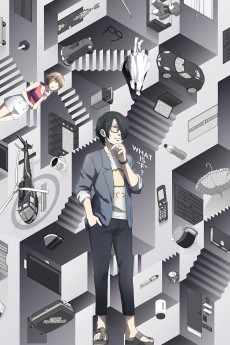
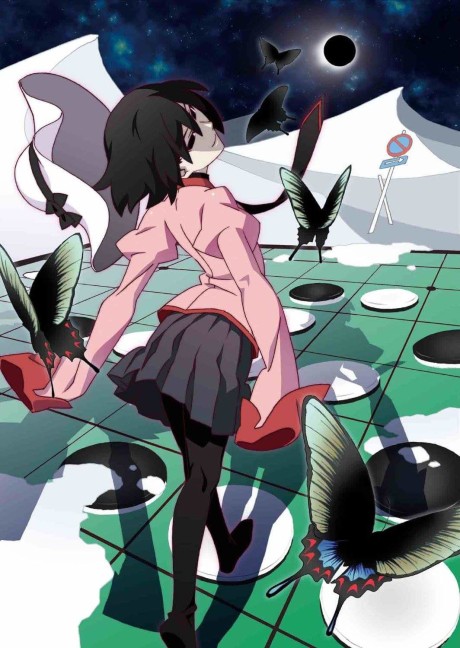
Neon-drenched rain slicks Max Payne’s trench coat as he staggers past flickering “SAIKAWA RESEARCH LAB” signage in a hallucinatory dream sequence—mirroring Souhei Saikawa’s own descent into recursive logic and guilt aboard the isolated mountain lodge. 🌃 Neon Noir binds them not through action, but through shared psychological claustrophobia: Max’s bullet-time dissociation echoes Moe Nishinosono’s fractured, hyper-rational consciousness in the locked-room mystery’s final act. Where Max fights external hunters to reclaim agency, Souhei unravels internal ones—making their resonance startlingly intimate, not thematic.

Shadows, cigarettes, and moral ambiguity — noir at its most stylish.
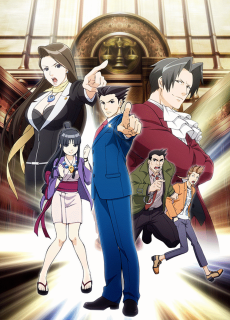
Shadows, cigarettes, and moral ambiguity — noir at its most stylish.

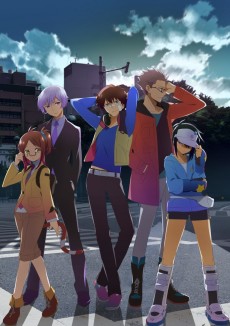
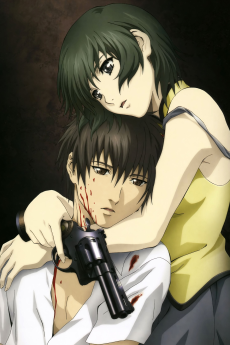
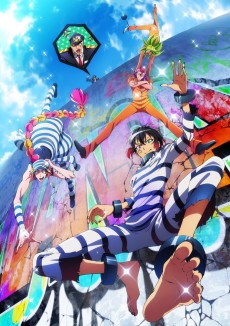
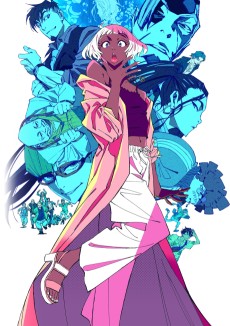
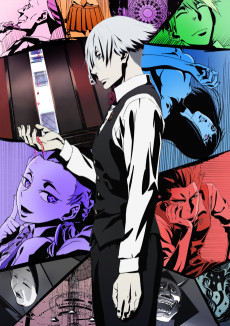
Neon-drenched rain slicks Tokyo’s streets as Nine and Twelve move like ghosts—just as Max Payne stumbles through New York’s frozen alleys, a bullet-riddled silhouette against flickering signs. Both weaponize 🌃 Neon Noir not for style alone, but to externalize moral vertigo: VON’s red graffiti echoes Max’s blood-smeared dream sequences, each a scar left by systems that consume their own. Unlike most thrillers, neither offers catharsis—only tactical precision masking profound grief, making their shared 🎯 Tactical Warfare feel tragically intimate, not heroic.

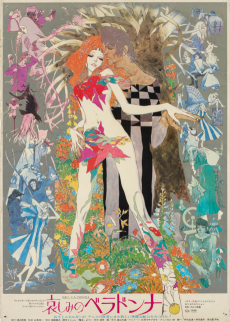
Neon noir bleeds through both: Max Payne’s rain-slicked, bullet-time alleyways mirror Jolyne’s fluorescent prison corridors in *Stone Ocean*, where every flickering light hides betrayal. Unlike most supernatural shonen, *Stone Ocean* leans into body horror—not just as spectacle, but as visceral consequence—echoing Max’s morphine-addled hallucinations and shattered physiology. That shared dread of the self unraveling under systemic violence makes their resonance startlingly intimate, not stylistic coincidence.
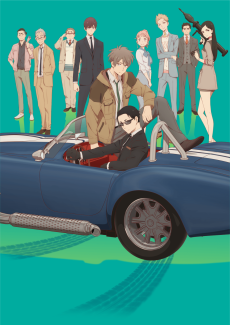
Neon-drenched rain slicks the pavement as Max Payne staggers past a flickering “NO VACANCY” sign—just as Daisuke Kambe’s limo glides silently past identical neon kanji in Shinjuku, both men navigating corrupt systems where justice wears a price tag. Unlike most detective stories, neither leans on procedural rigor; instead, they weaponize *Neon Noir* atmosphere—Max’s bullet-time despair mirrors Daisuke’s detached, billion-yen precision, each using wealth or trauma as armor against institutional rot. That shared tension—between lone-wolf morality and systemic decay—makes their resonance startlingly precise, not superficial.

Shadows, cigarettes, and moral ambiguity — noir at its most stylish.

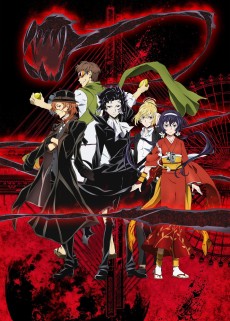

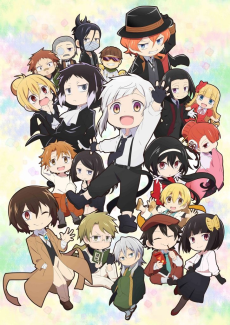
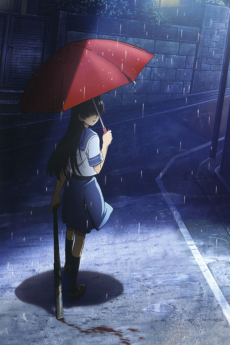
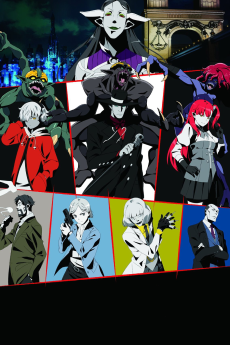
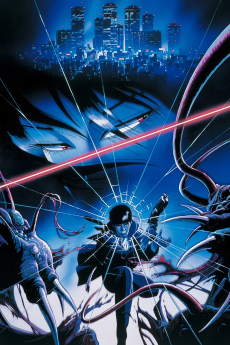

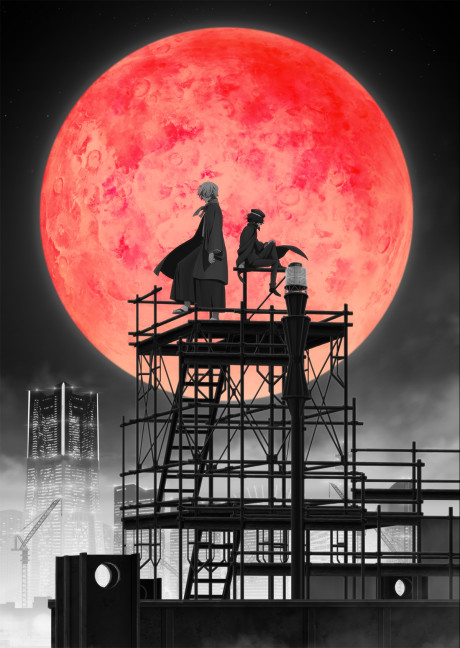


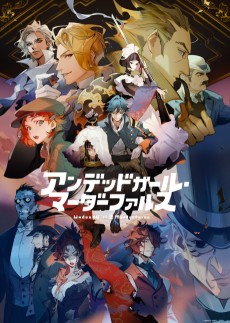
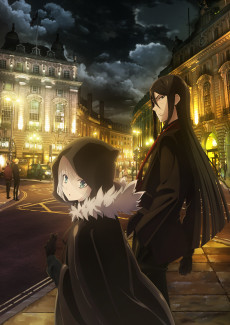
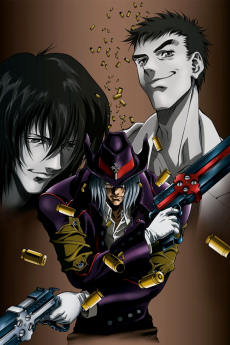
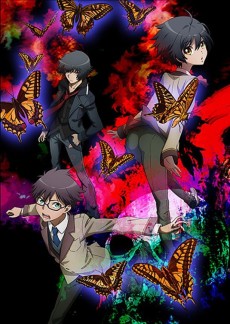






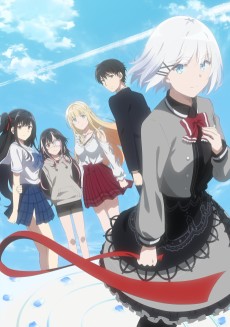
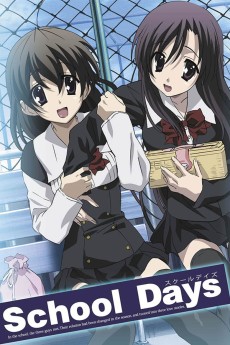
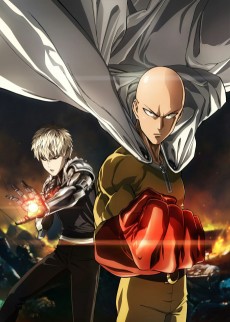
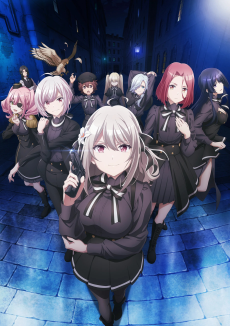


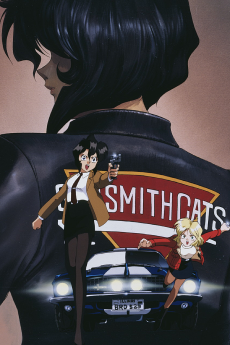
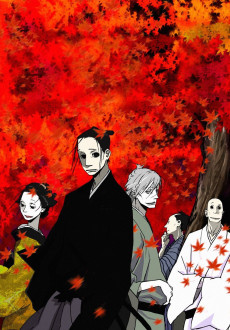
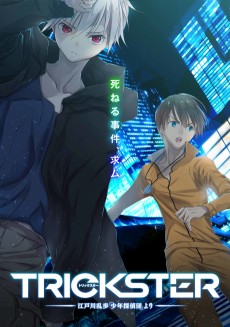
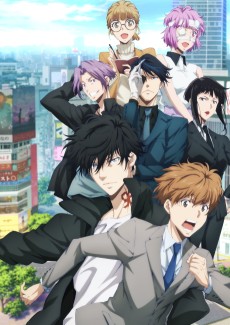
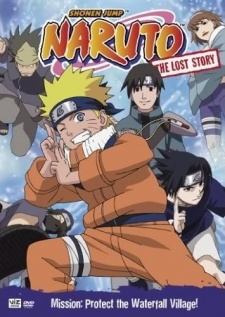
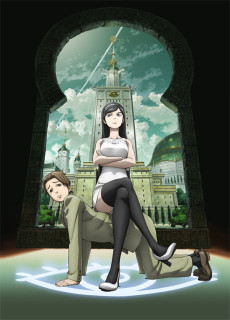
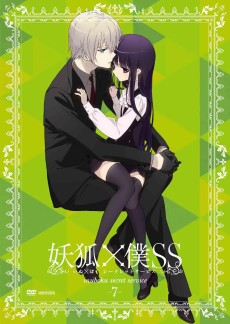
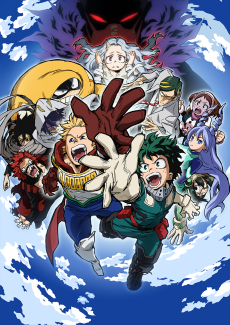


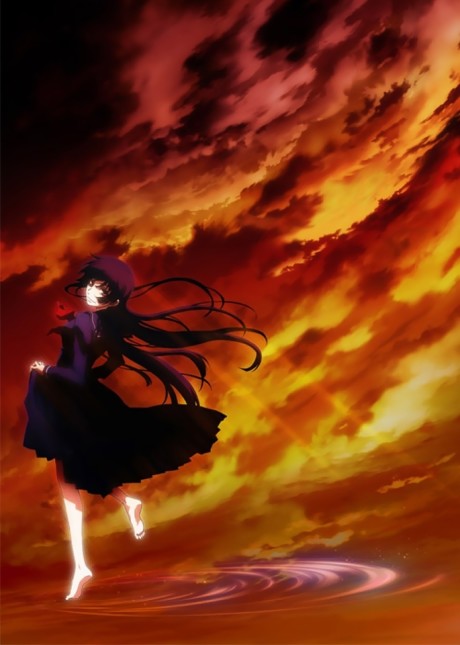
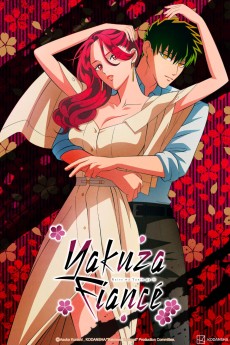
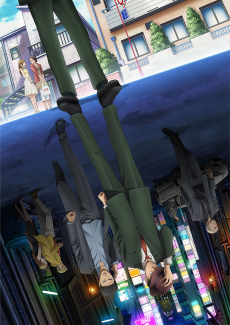
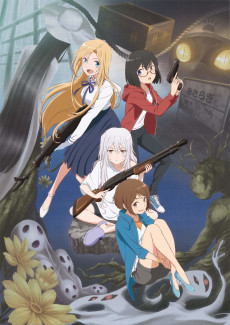





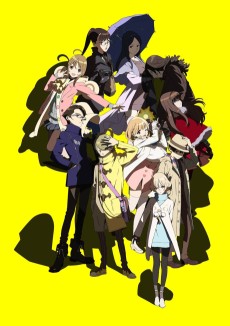
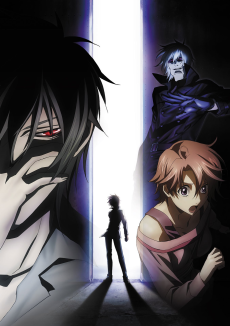
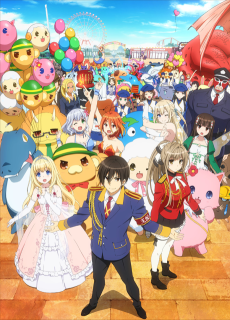
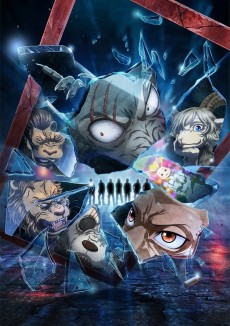

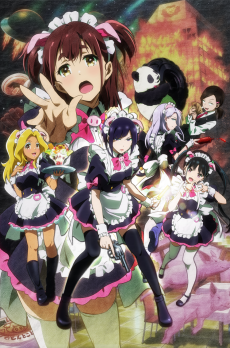



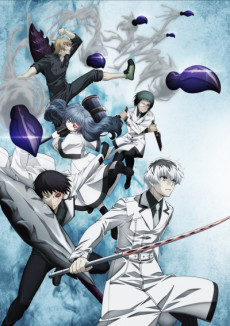
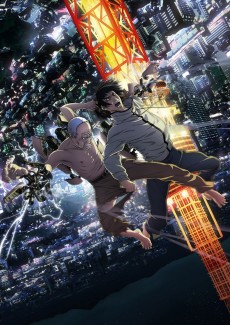

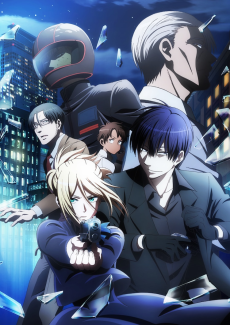



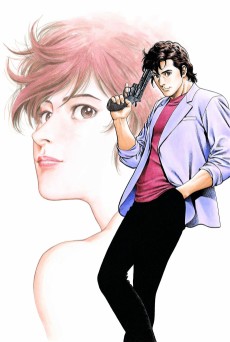

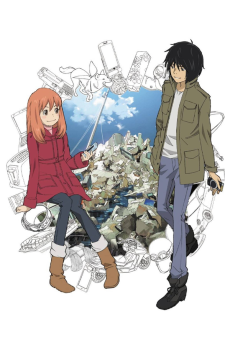

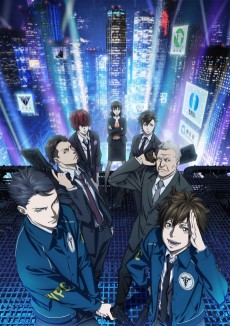
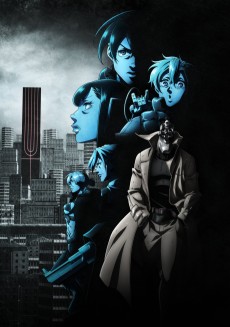
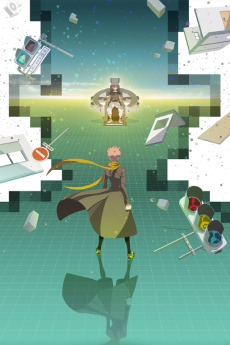
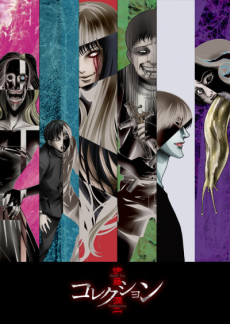


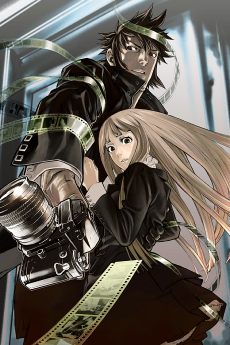


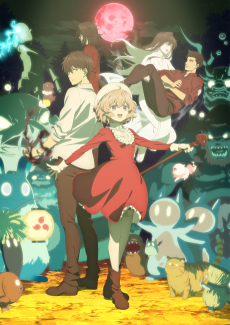


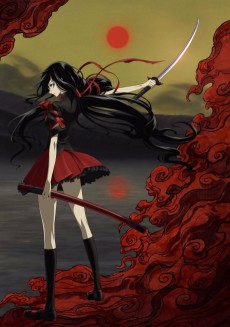
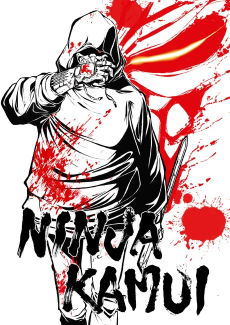
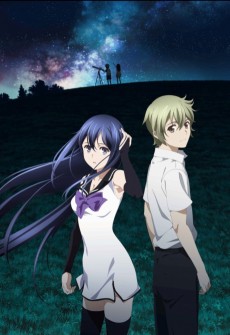
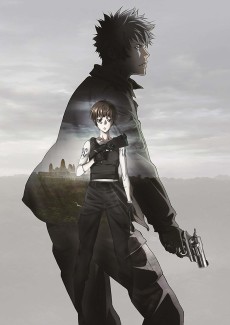
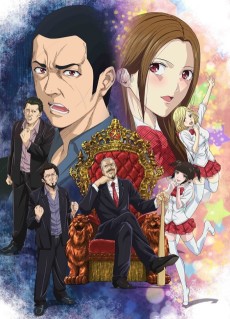
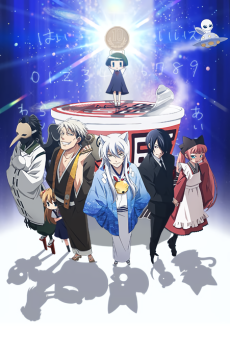
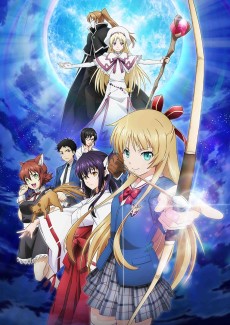


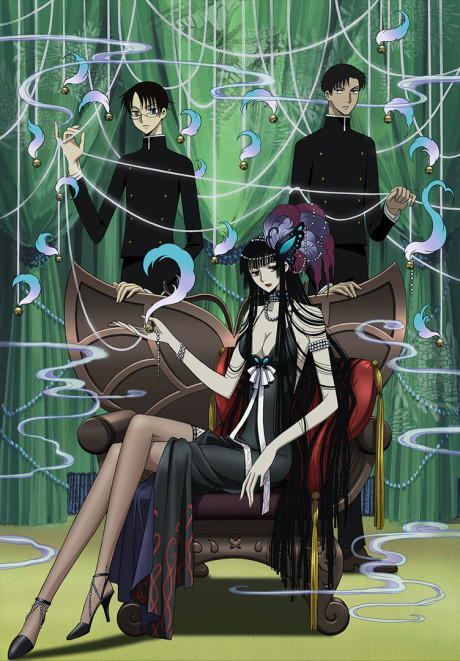

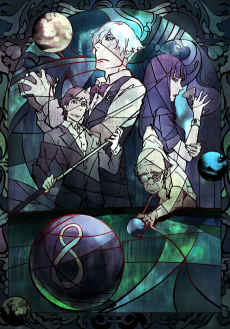

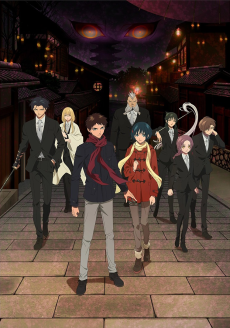
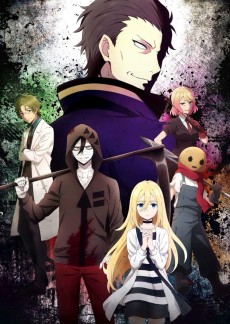
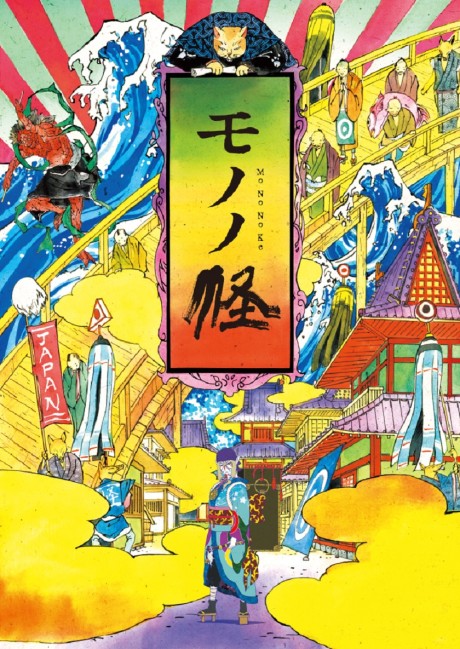
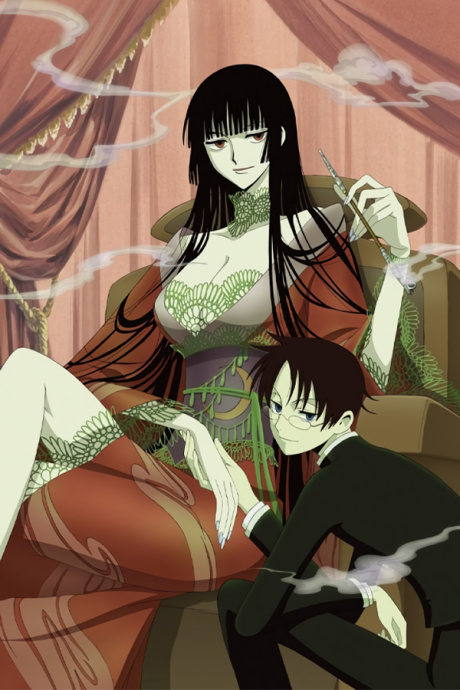
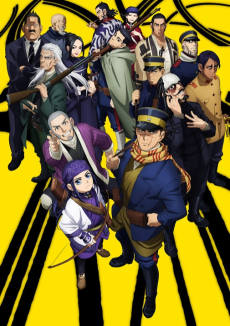


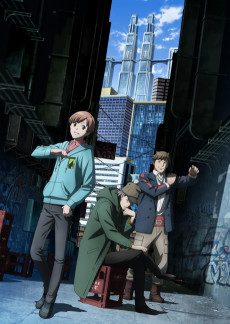









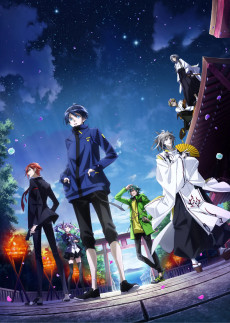
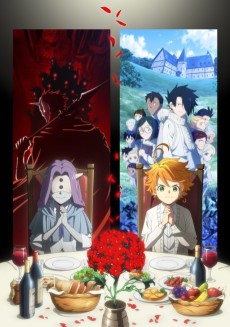

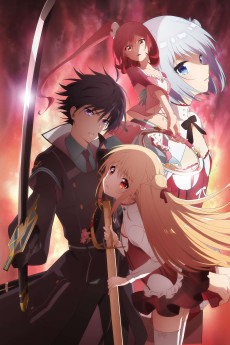
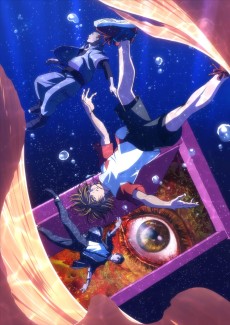

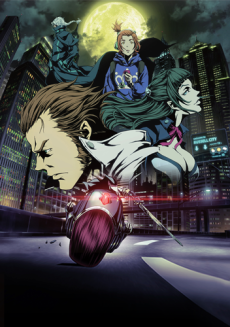
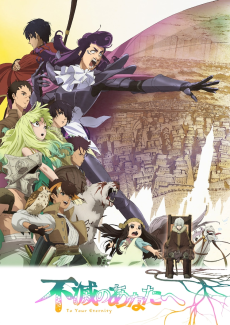


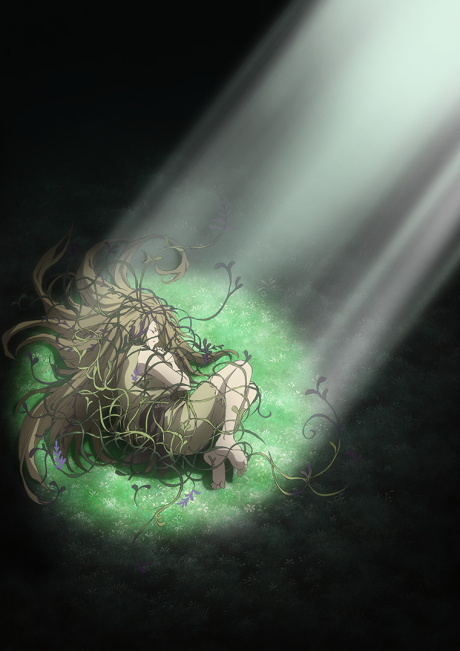

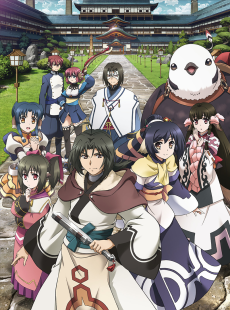





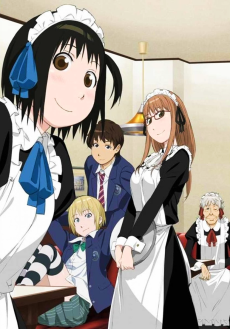

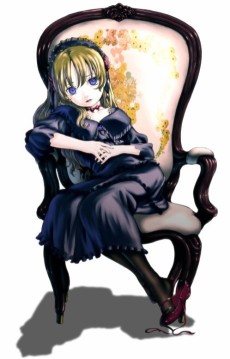

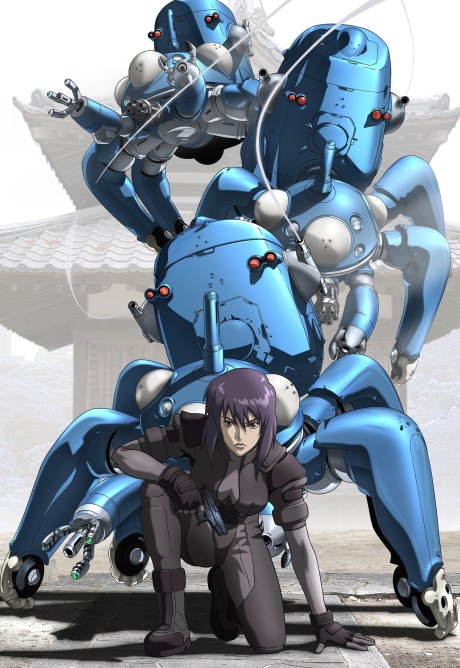


![Fate/stay night [Heaven’s Feel] III. spring song](https://s4.anilist.co/file/anilistcdn/media/anime/cover/large/bx21719-MSdTlkno0Z0u.jpg)





Match Dimensions Explained
❓Frequently Asked Questions
Why is Moriarty the Patriot considered the top anime like Max Payne?
It nails Max Payne’s 'fugitive antihero in a neon-drenched, morally bankrupt city' vibe—Moriarty’s calculated descent into criminal masterminding while framed by London’s oppressive fog and gaslit shadows mirrors Max’s betrayal, isolation, and relentless, no-win war against corrupt systems. The slow-burn tension of Episode 12’s rooftop confrontation with Sherlock, where Moriarty stands silhouetted against rain-slicked neon signs, feels ripped straight from Max’s bullet-time alleyway standoffs.
Is there an anime adaptation of Max Payne?
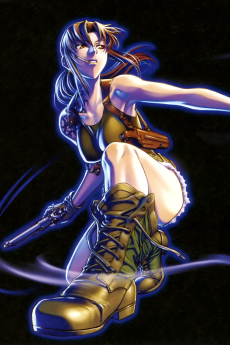
No—there’s never been an official anime adaptation of Max Payne. But if you’re craving that same brooding, rain-soaked noir energy with tactical gunplay and psychological weight, Black Butler delivers: Sebastian’s razor-sharp combat choreography (like the clock tower fight in S1 Ep 17) and Ciel’s cold, vengeance-driven arc echo Max’s precision, trauma, and grim one-man-war aesthetic—just swapped for Victorian London and supernatural stakes.
How does Gosick compare to Hamatora for Max Payne fans?
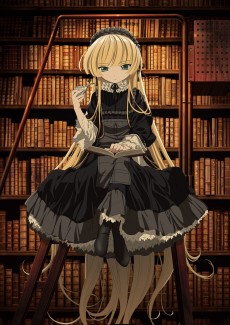
Gosick leans into Max’s cerebral, atmospheric dread—Victorique solving murders in a mist-choked, art-deco library while the world outside feels ominously indifferent, much like Max piecing together conspiracy fragments in a decaying NYC apartment. Hamatora, meanwhile, matches Max’s kinetic action: Nice’s hyper-caffeinated, split-second decision-making during the train-yard shootout (S1 Ep 10) channels Max’s bullet-time reflexes and desperate improvisation under fire.
What’s the best anime like Max Payne for that ‘back against the wall, no time to breathe’ feeling?
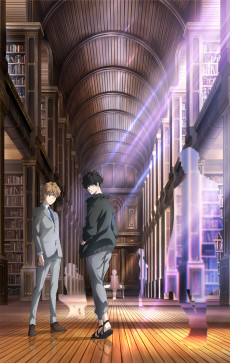
Ron Kamonohashi’s Forbidden Deductions—it’s pure Max Payne pacing. Ronsuke’s forced, high-stakes deductions under literal countdowns (like the collapsing building climax in Ep 14) replicate Max’s suffocating pressure, while his self-destructive habits, chain-smoking, and voiceover monologues dripping with weary irony (“I’m not a hero—I’m just the guy who shows up when the system breaks”) hit the exact same emotional and tonal notes as Max’s PS2-era gravelly narration.