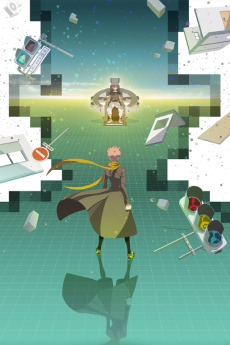
ID: INVADED
Welcome to Kura, an organization that investigates crime using the Mizuhanome system which senses the drive to kill. Sakaido is a brilliant detective and pilot of the Mizuhanome. To solve a case, he enters the world of the killer's unconscious mind: the id well. In the shadows of brutal and puzzling cases lurks John Walker, the Serial Killer Creator. Where will Sakaido's pursuit lead?
(Source: Funimation)
📺Anime Details
📝Editorial Analysis
The air in the id well tastes like burnt sugar and static—thick, humming, wrong. Sakaido steps off a crumbling subway platform into a world where streetlights flicker in reverse, where blood pools upward into cracked ceilings, and where every shadow breathes just a half-second too late. He doesn’t flinch. He adjusts his glasses, breathes once, and walks into the fracture—not to stop the killer, not yet—but to witness how the mind folds itself around guilt until it becomes architecture. That moment—calm, precise, suffocating—is ID: INVADED at its core: not horror as spectacle, but horror as resonance.
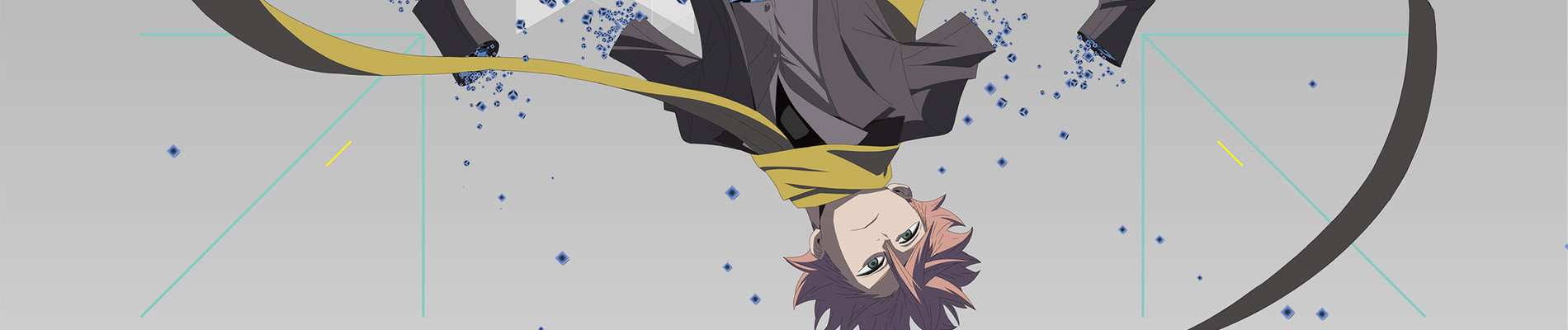
What makes it ache isn’t the gore or the puzzles—it’s the weight of cognition. This is an anime that treats memory not as data, but as gravity: pull too hard, and time warps; suppress too long, and reality buckles. The Mizuhanome system doesn’t simulate dreams—it maps moral collapse, rendering subconscious logic as warped cityscapes, distorted voices, and recurring motifs that coil tighter with every case. You don’t just solve crimes here—you feel the exhaustion of holding a self together while standing inside someone else’s unraveling. It’s lonely. It’s quietly devastating. And beneath the neon-noir palette and police procedural scaffolding, there’s a persistent, low-frequency hum of grief—not for victims, but for the detectives who must become ghosts in other people’s hells.
That emotional DNA pulses strongest in BioShock Infinite, where Booker DeWitt doesn’t just chase Elizabeth—he chases versions of himself across collapsing timelines, each iteration a fresh wound dressed in ideology and regret. The description calls him “indebted to the wrong people, with his life on the line”—and that debt isn’t financial, it’s ontological. Like Sakaido, he moves through worlds built from fractured belief systems, where architecture bends under the strain of suppressed truth. A player review notes how some still mourn “the Bioshock Infinite we could have gotten”—a line that mirrors ID: INVADED’s own tragic irony: the more perfectly Sakaido understands a killer’s psyche, the less he understands his own. Both works make you feel the dread of coherence—how clarity can be more terrifying than confusion.
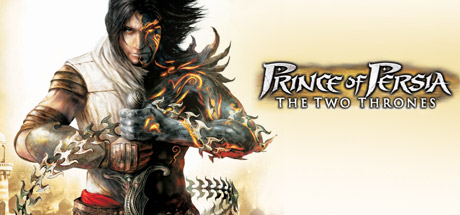
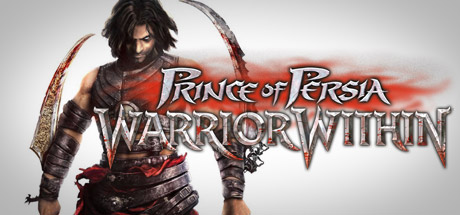
Then there’s Prince of Persia: Warrior Within, where the Prince is hunted by Dahaka—an “immortal incarnation of Fate” that materializes consequence. The description frames it as a descent into the “dark underworld,” and the player review calls the Dahaka chase “still as goated as it was before.” That’s the key: it’s not about outrunning death—it’s about being pursued by your own timeline, by choices you thought were buried. Just like Sakaido walking deeper into an id well only to find his own reflection staring back from a shattered mirror—not as himself, but as Walker’s next subject. Both weaponize temporal dissonance not for spectacle, but for psychological erosion: every jump, every dodge, every backward glance is a negotiation with inevitability.
And Disco Elysium - The Final Cut lands with the same gut-level precision: a detective not solving a murder, but assembling himself from the wreckage of addiction, ideology, and failed empathy. Its description names “a unique skill system” and “a whole city to carve your path across”—but the player review cuts deeper: “Capital has the ability to subsume all critiques into itself. Even those who would critique capital end up reinforcing it instead.” That’s ID: INVADED’s quiet tragedy in a sentence—the Kura organization needs the id wells to function, just as Sakaido needs the darkness to see clearly. Both are systems that feed on the very pain they claim to investigate. Neither offers catharsis—only recognition.
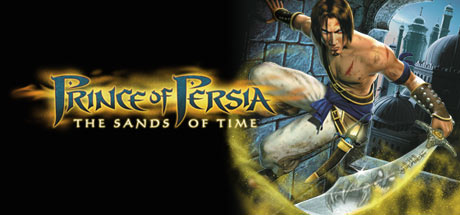
This pairing isn’t for fans of tidy resolutions or heroic arcs. It’s for the ones who replay Prince of Persia: The Sands of Time not for the acrobatics, but for the way the Dagger’s rewind feels like holding your breath before telling the truth. For the ones who still pause mid-chase in Warrior Within, listening to Dahaka’s footsteps echo just behind the beat of their own pulse. For the ones who read that Disco Elysium review and nod—not because they agree with the politics, but because they recognize the exhaustion of self-interrogation. These are stories for people who understand that the most haunting crime scenes aren’t built with blood—they’re built with silence, repetition, and the unbearable lightness of a choice you can’t unmake.
🎮42 Games That Match the Vibe
























Match Dimensions Explained
❓Frequently Asked Questions
Why does ID: INVADED feel so similar to Prince of Persia: Warrior Within despite being an anime?
Both dive deep into psychological trauma through relentless pursuit—Dahaka’s haunting chase sequences mirror the fragmented, guilt-ridden mindscapes in ID: INVADED, where characters literally run from their own subconscious. The ‘Time & Memory’ and ‘Adult & Dark Seinen’ dimensions overlap tightly here, and fans often cite Warrior Within’s oppressive atmosphere and morally gray tone as a tonal twin to the show’s detective work inside warped psyches.
Is there a Disco Elysium adaptation that captures ID: INVADED’s detective-in-the-mind vibe?
No official adaptation exists—but Disco Elysium *is* the spiritual cousin you’re looking for. Like ID: INVADED’s Nariyuki entering crime scenes inside killers’ minds, you play a detective navigating layered internal monologues, unreliable memories, and surreal logic—especially in the ‘Mystery & Detective’ and ‘Neon Noir’ dimensions. One player even called it ‘a noir dreamspace where every thought is evidence,’ which nails the shared headspace.
How does BioShock Infinite compare to ID: INVADED in terms of mind-bending reality shifts?
Both weaponize perception: Booker DeWitt’s journey across Columbia’s shifting realities—like the lighthouse reveal or the Songbird’s fractured timelines—mirrors how ID: INVADED bends causality inside ‘well’ constructs. They share ‘Time & Memory’ and ‘Adult & Dark Seinen’ dimensions, and reviewers note how both use environmental storytelling (e.g., Columbia’s propaganda posters / the well’s distorted architecture) to make metaphysics feel visceral and personal.
What’s the best game like ID: INVADED if I want that melancholic, rain-slicked neon-noir detective mood?
Disco Elysium — hands down. Its rain-drenched city of Revachol, flickering neon signs, and emotionally raw narrative (‘Emotional Narrative’ + ‘Neon Noir’ dimensions) hit the same nerve as ID: INVADED’s moody, introspective investigations—just slower, dialogue-driven, and soaked in existential dread. As one player put it: ‘It’s not about catching a killer—it’s about catching yourself in the act of forgetting who you are.’