Sherlock Holmes versus Jack the Ripper
Recognized as one of the best licenses in gaming and lauded by the press, Sherlock Holmes is back with an investigation that is sure to be the most horrifying of the series. The famous detective stands against the most dangerous serial killer England has ever known - Jack the Ripper.
🎮Game Details
💬What Players Say
"I've tried two of the older Frogwares Sherlock Holmes games (silver earring and Nemesis) and found them either technically unable to work on my pc or too archaic. This one, I am pleased to report, is playable and doesn't have anything so archaic that it makes the game unenjoyable. There are a few nitpicks I could mention but I found it overall fun...."
"THIS WAS 1 OF THE HARDEST SHERLOCK HOLMES GAMES IVE PLAYED SO FAR. I HAD TO WATCH SOME YOUTUBE VIDEOS IN ORDER TO FINISH THE GAME. DON'T BUY IF YOU DON'T LIKE SEARCHING AND COMPLETING PUZZLES."
"gg"
📝Editorial Analysis
Rain slicks the cobblestones of Whitechapel like oil on a butcher’s slab. You’re crouched beside a body—no blood splatter, no dramatic music—just the low, wet shush of your own breath and the faint, metallic tang clinging to the air. The official description calls it “the most horrifying investigation” in the series—not because of gore, but because Jack the Ripper isn’t a monster under the bed; he’s already inside the walls, and Sherlock Holmes is the only one who hears the floorboards creak beneath him. That dread isn’t cinematic—it’s procedural. It’s the slow, grinding weight of Player Review 2: “THIS WAS 1 OF THE HARDEST SHERLOCK HOLMES GAMES IVE PLAYED SO FAR. I HAD TO WATCH SOME YOUTUBE VIDEOS IN ORDER TO FINISH THE GAME.” Not because the puzzles are flashy or surreal—but because they’re insistently real. You’re not solving riddles; you’re reconstructing a world that refuses to yield its logic. Every drawer you open, every torn scrap of newspaper you cross-reference, every time you stare at a crime scene photo until your eyes blur—you’re not playing detective. You’re bearing witness.
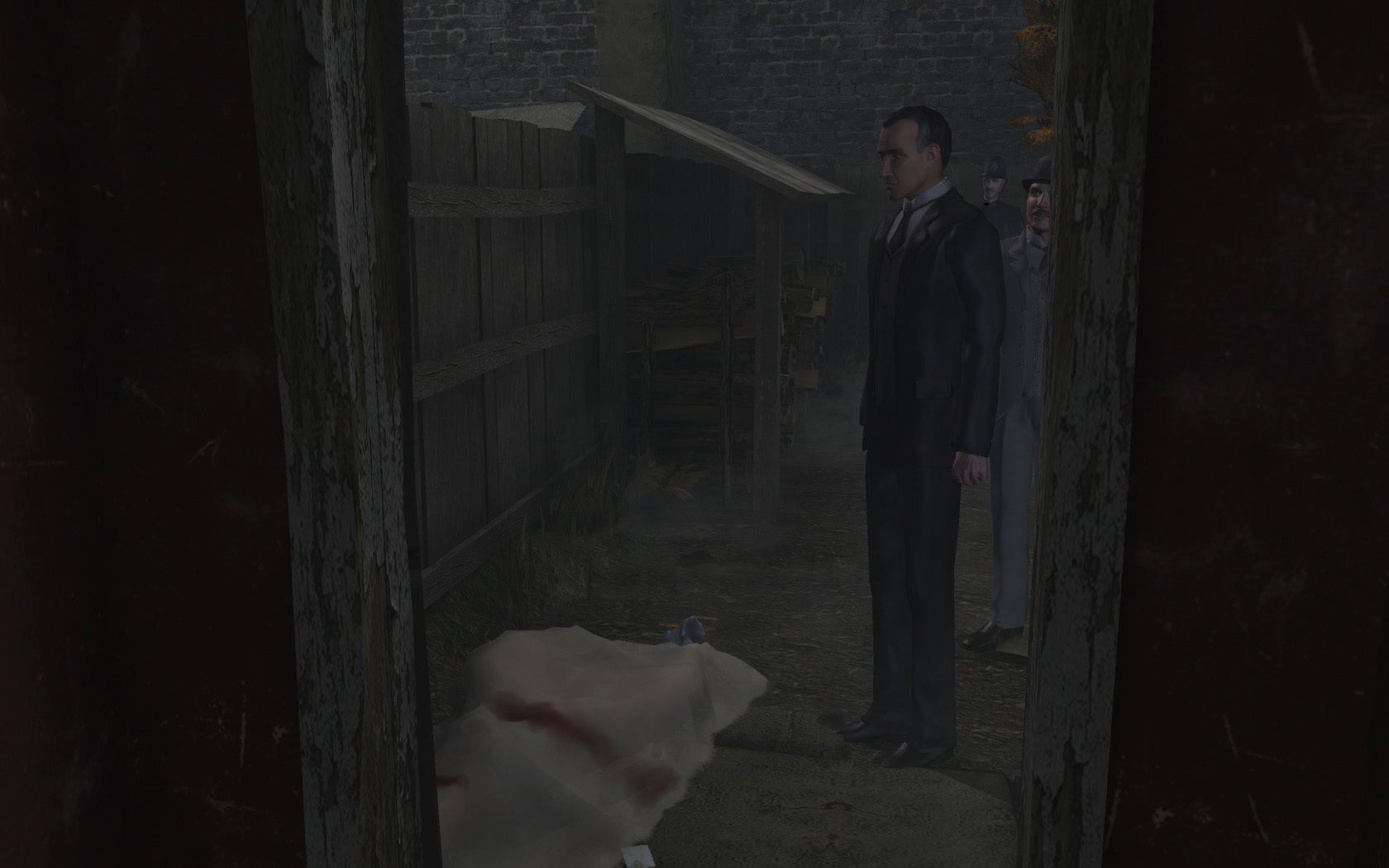
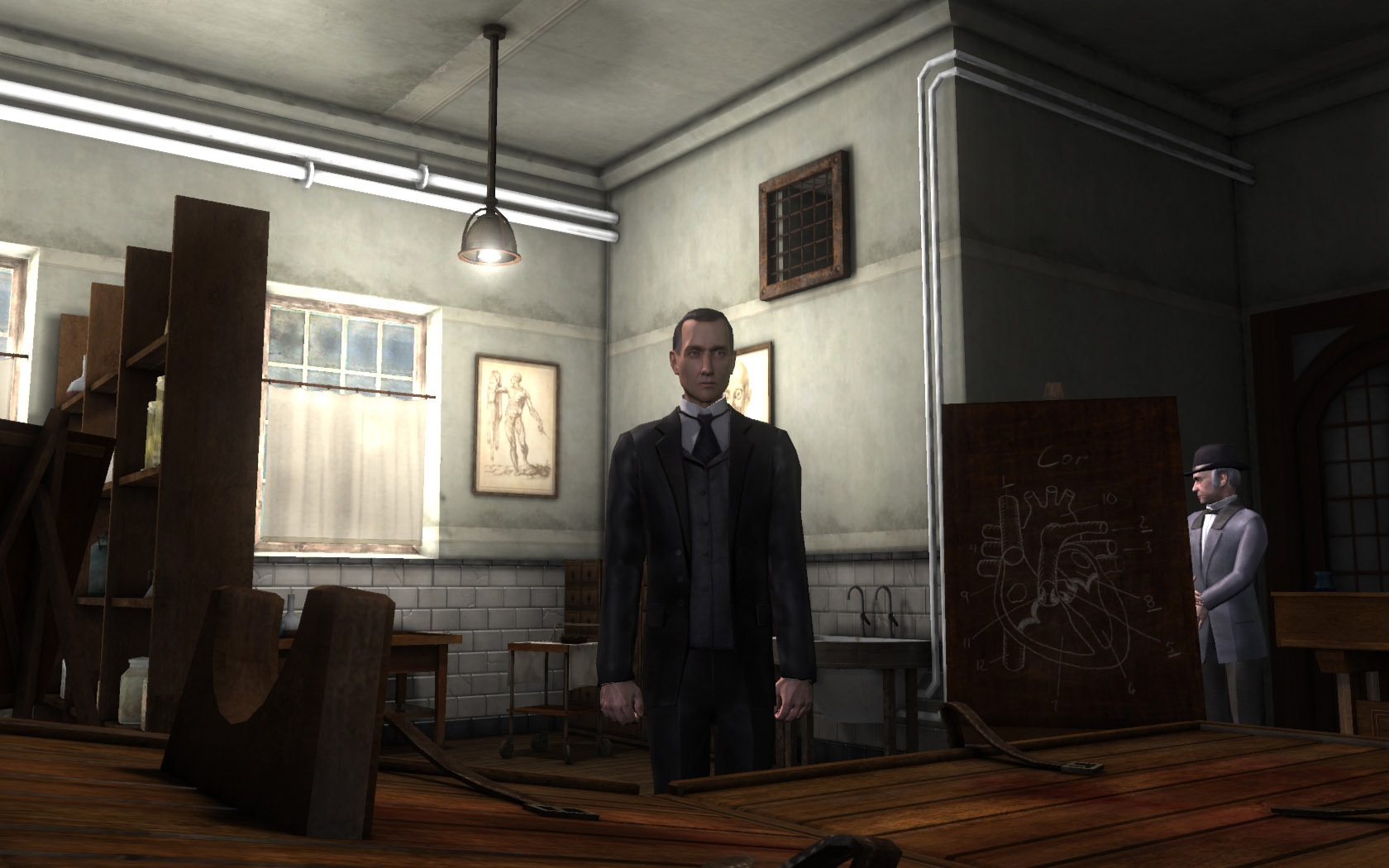
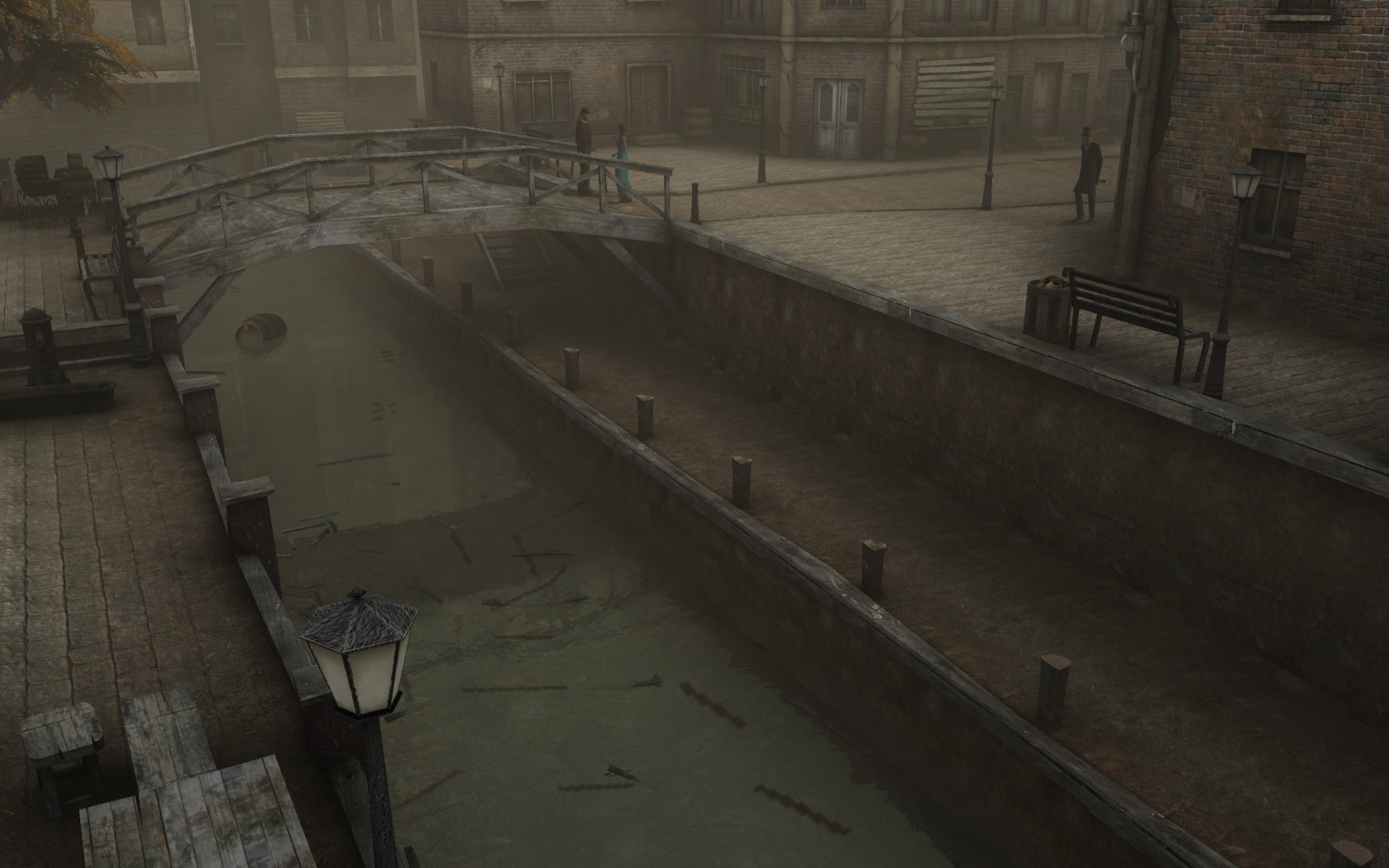
What makes Sherlock Holmes versus Jack the Ripper vibrate with such unsettling resonance isn’t its Victorian setting or its licensed prestige—it’s the relentless intimacy of dread. This isn’t horror as spectacle. It’s horror as accumulation: the weight of unanswered questions, the exhaustion of searching, the quiet shame of missing something obvious. The game doesn’t scare you with jump scares or grotesque imagery—it wears you down with precision. You feel the cold of damp brick, the grit of soot under fingernails, the hollow ache behind your temples after hours parsing witness statements that contradict each other in ways too subtle to trust. It makes you question not just the killer’s motive—but your own capacity to see. That feeling—exhausted clarity, moral fatigue, intellectual claustrophobia—is the game’s true signature. It’s not about winning. It’s about enduring long enough to name the unspeakable.
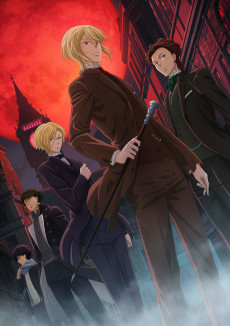
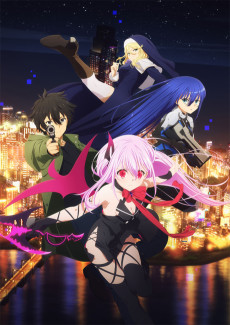
That emotional DNA pulses strongest in Kubikiri Cycle: The Blue Savant and the Nonsense User, where deduction isn’t heroic—it’s visceral labor. Like the game’s painstaking evidence collation, Kubikiri Cycle forces its protagonists (and viewers) to wrestle with fragmented logic in a world that weaponizes ambiguity. Its Neon Noir palette—bruised purples, sickly yellows, rain-smeared neon reflecting off wet pavement—mirrors the game’s oppressive, chiaroscuro London: both are spaces where truth hides in plain sight, obscured not by darkness, but by overload. Then there’s Moriarty the Patriot, which shares the game’s Adult & Dark Seinen gravity—the unflinching focus on systemic rot, the way justice feels less like triumph and more like triage. Moriarty doesn’t chase villains; he dissects power structures, just as the game’s investigation peels back layers of police incompetence, class bias, and institutional silence. And Black Butler, with its Tactical Warfare dimension, resonates in how both works treat intellect as a blade that cuts both ways: every deduction sharpens your mind—and dulls your soul. Ciel’s cold precision, Sebastian’s predatory grace—they don’t glamorize genius. They expose its cost.
This pairing isn’t for fans of tidy resolutions or charismatic sleuths who crack cases over tea. It’s for the ones who linger on crime scene photos long after the case closes—who feel a quiet thrill when a clue resists interpretation, who find beauty in the stubborn texture of reality refusing to simplify. It’s for people who’ve stared at a puzzle for ninety minutes, not because they want to win, but because they need to understand the shape of the resistance. Who rewatch anime scenes not for plot, but for the exact angle of a character’s shadow falling across a ledger, or the way silence stretches just a half-second too long before a confession. These are stories for those who know that the most haunting mysteries aren’t solved—they’re carried. And sometimes, the deepest satisfaction isn’t in the answer, but in the weight of having asked.
→97 Anime That Match the Vibe
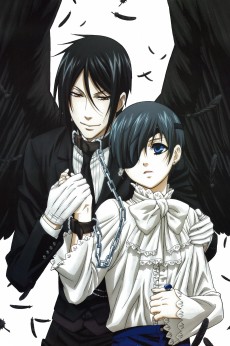
Victorian London’s fog-choked alleys pulse with dread in both works—not just as backdrop, but as a living archive of unsolved violence. Sherlock Holmes versus Jack the Ripper leans into *Neon Noir* through its chiaroscuro lighting and psychological dissection of serial evil, while *Black Butler*’s Ciel Phantomhive weaponizes that same atmosphere, turning deduction into tactical warfare against supernatural conspiracies. What’s startling is how both treat investigation as ritual: Holmes pores over bloodstains; Ciel commands Sebastian to dissect lies with surgical precision—mystery isn’t solved, it’s *enacted*.
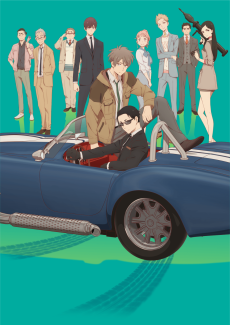
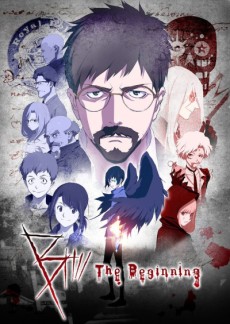
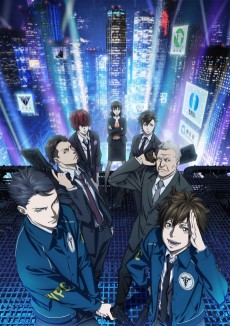
Rain-slicked Whitechapel alleys pulse with the same neon-noir dread as Tokyo’s holographic billboards in *Balance: UNLIMITED*. Where Sherlock confronts Jack’s brutal signatures in fog-choked gaslight, Daisuke Kambe dissects crimes with calm precision amid shimmering, high-tech surveillance—both weaponizing intellect against systemic rot. This resonance isn’t just genre-deep; it’s aesthetic alchemy: 🌃 Neon Noir transforms Victorian horror and hypermodern inequality into twin mirrors of detective disillusionment.

Gosick’s fog-draped Saint Marguerite Academy—its Gothic spires glowing under perpetual twilight—mirrors the gaslit dread of Whitechapel in *Sherlock Holmes versus Jack the Ripper*. Where Victor Trevor’s quiet desperation anchors Holmes’ moral unraveling, Kazuya Kujō’s outsider gaze sharpens Gosick’s **Neon Noir** ambiguity: both works weaponize atmosphere over action, letting silence and shadow conduct their darkest revelations. That resonance isn’t superficial—it’s structural, turning deduction into haunting ritual.
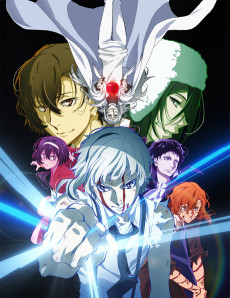
A fog-shrouded London street—gaslight flickering through swirling mist as Holmes examines a chalked symbol near a victim’s body—echoes the eerie, suffocating fog that descends before each suicide in *DEAD APPLE*. Both pivot on **Mystery & Detective** logic unraveling against oppressive, rain-slicked urban decay, yet one grounds its horror in Victorian forensics while the other weaponizes supernatural trauma. That contrast makes their noir resonance startling: same atmospheric dread, divergent ontologies—each using fog not just as mood, but as narrative membrane between reason and rupture.
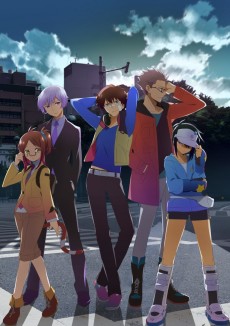
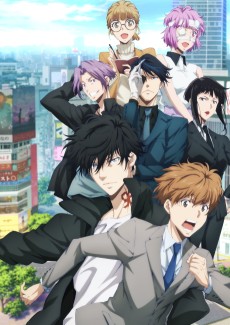
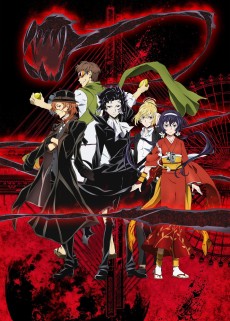
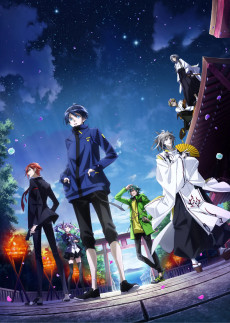
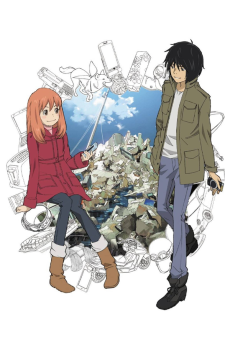
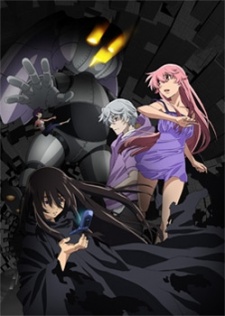
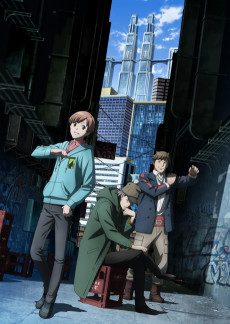
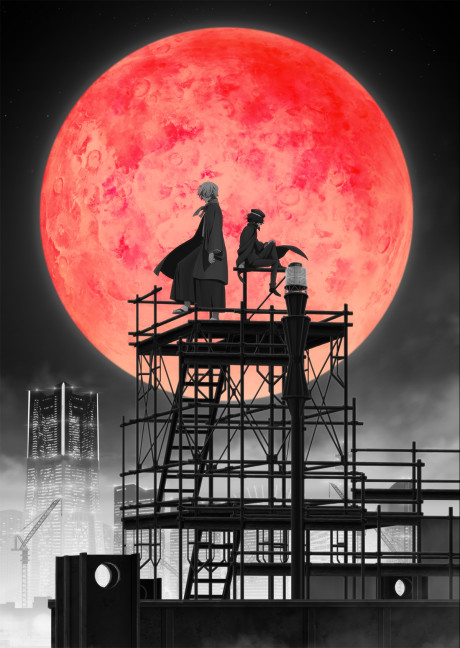
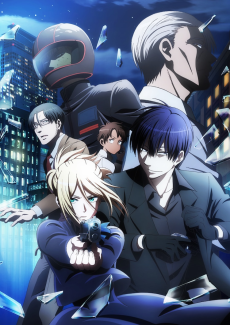
Neon-drenched alleyways in Yokohama pulse with the same claustrophobic dread as Whitechapel’s fog-choked streets—both worlds weaponize 🌃 Neon Noir to blur truth and illusion. Nice’s deductive flair mirrors Holmes’ razor logic, yet each confronts evil that refuses tidy resolution: Jack’s ritualized violence haunts Victorian London just as Minimum-related murders destabilize Hamatora’s morally slippery city. This resonance isn’t superficial—it’s structural: mystery isn’t solved, but *endured*, sharpening the human cost behind every clue.
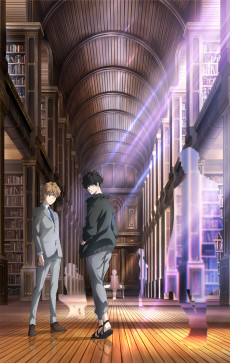
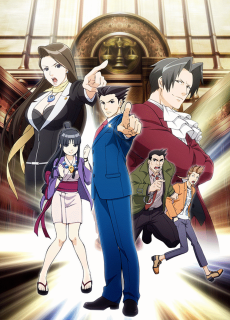
Rain slicks the cobblestones of Whitechapel as Holmes kneels beside a bloodstained shawl—*neon noir* bleeds into Victorian dread. Ron Kamonohashi’s forbidden deductions echo that same tension: a brilliant mind shackled by trauma, forced to solve crimes from the shadows while Toto operates in plain sight. Unlike most detective pairings, neither work glorifies infallibility—instead, they dissect how guilt, memory, and institutional failure warp deduction itself.

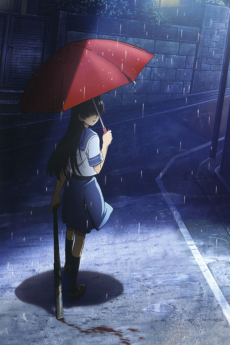
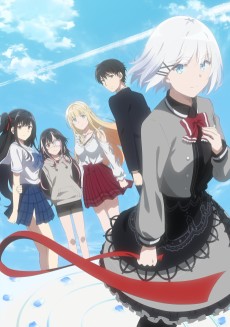
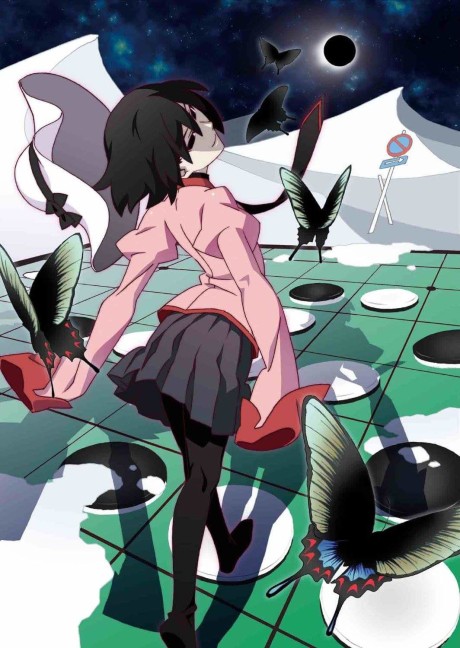
Sakurako’s quiet reverence for a fractured femur—lit by rain-slicked neon—echoes Holmes’ grim fascination with the Ripper’s anatomical precision in Whitechapel’s fog-choked alleys. Where the game leans into Victorian gothic horror, the anime transmutes that same clinical awe into modern *Neon Noir*, bathing forensic detail in cool, luminous ambiguity. This mutual obsession with bone-deep truth makes their resonance unsettlingly elegant: not just mystery, but anatomy as archaeology of violence.

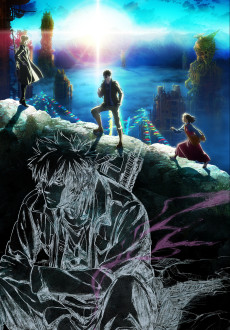
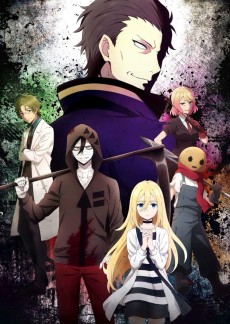
Wet Crow’s Feather Island’s rain-slicked, neon-drenched docks echo Whitechapel’s fog-choked alleys—both spaces pulse with 🌃 Neon Noir dread where logic frays at the edges. Iria’s cold, hyper-rational gaze mirrors Holmes’ own methodical horror as each confronts murder that weaponizes intellect itself. Unlike most detective stories, this OVA and game refuse catharsis: the Blue Savant’s descent and Holmes’ unraveling in the Ripper’s shadow reveal how 🖤 Adult & Dark Seinen truths corrode reason from within.
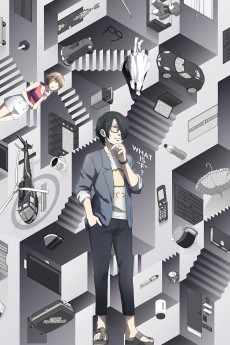
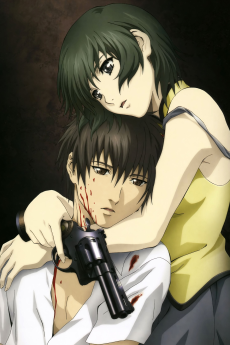
A rain-slicked Whitechapel alley mirrors the claustrophobic, neon-drenched corridors of the Saikawa Research Lab—both spaces suffocating under the weight of unspeakable logic. Where Sherlock confronts Jack’s ritualized horror through forensic rigor, Souhei dissects Moe’s enigmatic suicide with cold, almost clinical precision, revealing how 🌃 Neon Noir frames intellect as both weapon and wound. This resonance feels unsettlingly intimate: darkness isn’t just atmosphere—it’s the shared grammar of deduction pushed past reason into existential dread.

Layered mysteries that reward attention — every detail matters, and the truth is never simple.









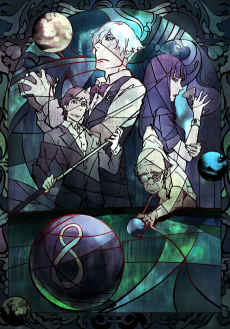
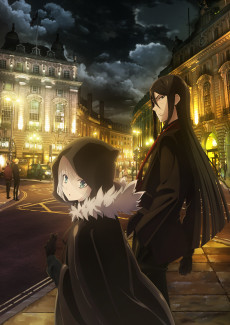
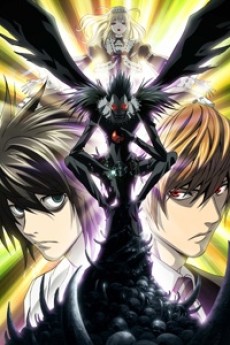

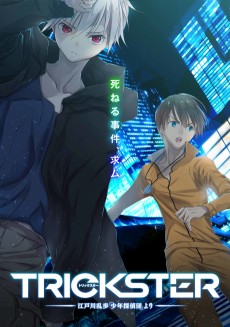

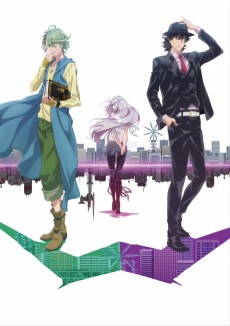



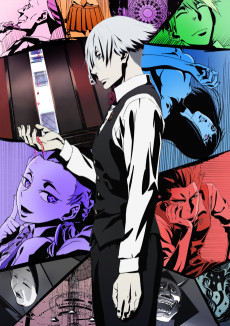
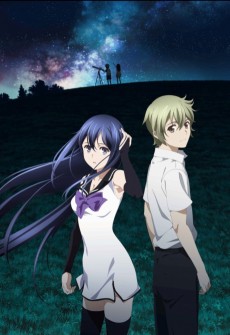
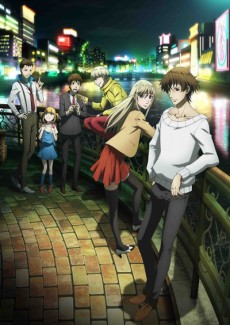


















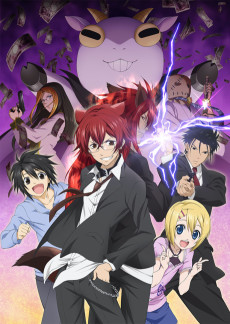
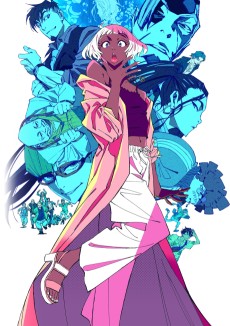
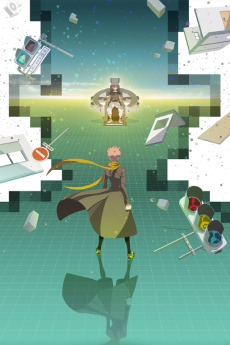
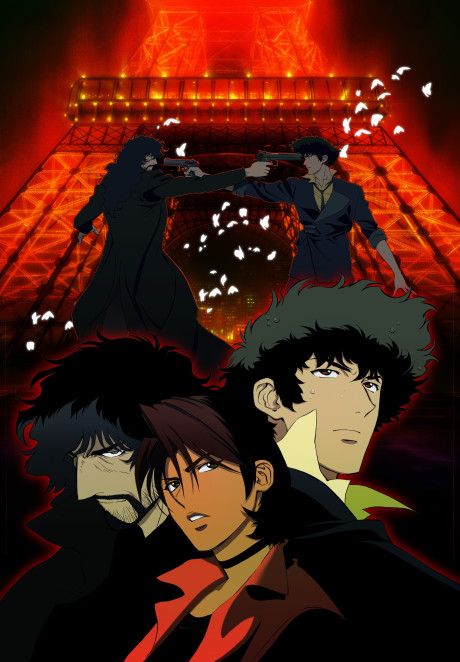

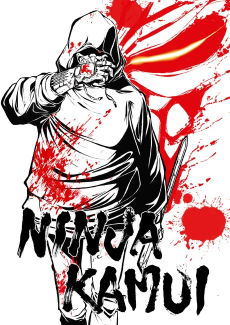

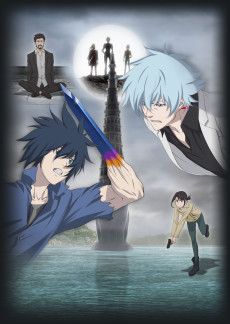


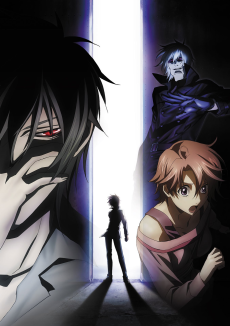

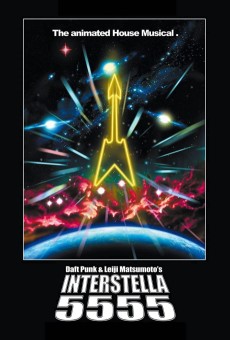



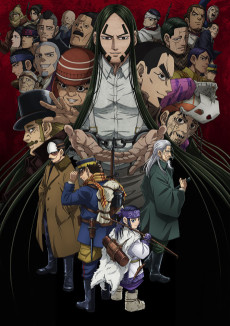
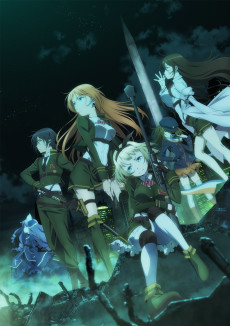


Match Dimensions Explained
❓Frequently Asked Questions
Why is Kubikiri Cycle recommended for Sherlock Holmes vs Jack the Ripper fans?
Because both dive deep into grotesque, psychologically dense mystery-solving—Kubikiri Cycle’s Blue Savant dissects crime scenes with clinical precision just like Holmes does in the game’s Whitechapel investigations, and its 'Nonsense User' mechanic mirrors the game’s layered deduction system where you must cross-reference witness lies, blood spatter patterns, and Victorian-era forensics. The shared Neon Noir aesthetic (think rain-slicked alleys lit by flickering gaslight) and Adult & Dark Seinen tone make it feel like stepping into the same grim, cerebral world.
Is there an anime adaptation of Sherlock Holmes vs Jack the Ripper?
No—this is exclusively a Frogwares video game (2023), not an anime or manga. But if you love its vibe, Moriarty the Patriot nails the same grounded-yet-dramatic Victorian detective tension: you’ll spot direct parallels in how it frames Holmes’ deductive brilliance against morally gray conspiracies—just like the game’s tense confrontations in the East End morgue or the coded journal entries you decipher mid-investigation.
Black Butler vs The Millionaire Detective — which is better for Sherlock Holmes vs Jack the Ripper fans?
Go with Black Butler if you loved the game’s tactical stakes and gothic dread—it’s got that same blend of sharp deduction (Ciel’s case analysis) and visceral action (Sebastian’s combat choreography mirrors the game’s high-stakes chase sequences through foggy London docks). The Millionaire Detective leans lighter and more procedural, focusing on modern tech-driven clues rather than the game’s oppressive, clue-hunting atmosphere and period-accurate forensic puzzles.
What’s the best anime like Sherlock Holmes vs Jack the Ripper for a dark, cerebral mood?
Moriarty the Patriot is your top pick—it captures the same brooding, morally complex detective energy: you’ll recognize Holmes’ relentless logic in William’s chess-like manipulation of evidence, and the show’s shadow-drenched Baker Street flashbacks directly echo the game’s haunting recreation of 1888 London. Plus, its Adult & Dark Seinen tag means no tonal whiplash—just tight pacing, layered suspects, and that same chilling weight when the truth finally clicks, like solving the game’s final cipher in the asylum basement.