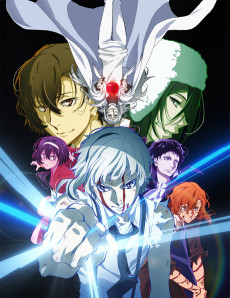
Bungo Stray Dogs: DEAD APPLE
The film's story involves a mystery case of power users around the world suddenly committing suicide one after another, in all cases after a strange fog appears at the scene. At a request from Ango Sakaguchi, the Armed Detective Agency head out to investigate Tatsuhiko Shibusawa, a power user who calls himself "collector," and a man suspected of being tied to the incident.
(Source: Anime News Network)
📺Anime Details
📝Editorial Analysis
The fog doesn’t just roll in—it settles, thick and wrong, like breath held too long. You see it first through the rain-smeared window of the Armed Detective Agency’s office: a slow, pearlescent haze swallowing the Yokohama skyline, silent where it should hiss or swirl. Then the news breaks—another power user, found slumped in an alley, eyes open, no wounds, no note, just that same unnatural mist clinging to their coat like guilt you can’t wipe off. That moment isn’t horror in the jump-scare sense. It’s dread—a cold, precise weight in your chest, the kind that comes when logic frays at the edges and the city itself starts breathing back.
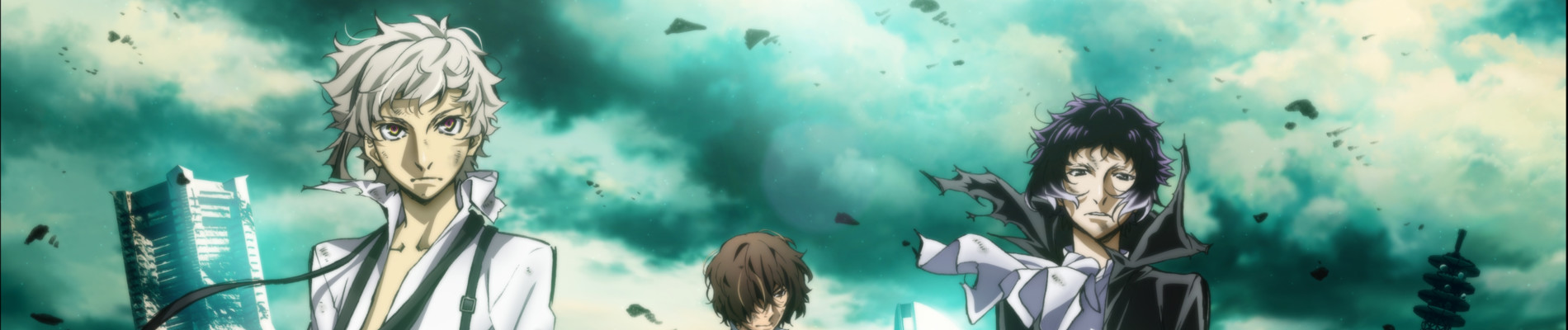
Bungo Stray Dogs: DEAD APPLE doesn’t trade in spectacle-first chaos. Its atmosphere is claustrophobic intimacy: the hum of fluorescent lights in a morgue, the dry click of Ango’s pen as he underlines another suicide report, the way characters don’t shout revelations—they pause, then lower their voices, as if the truth might shatter if spoken too loud. This isn’t urban fantasy as escapism. It’s urban fantasy as autopsy—peeling back the glittering surface of Yokohama to expose the rot beneath: not just organized crime or rogue abilities, but the quiet, systemic collapse of meaning when people become collectible. The film makes you feel the exhaustion of caring in a world that rewards detachment—and the terrifying clarity that comes right before you stop looking away.
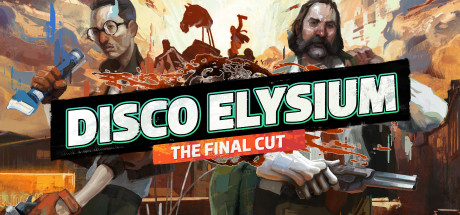
That emotional DNA—the noir-tinged detective work fused with psychological erosion and a city that feels like both witness and accomplice—resonates sharply with Disco Elysium - The Final Cut. Its description calls it a “groundbreaking role playing game” where you’re a detective carving a path across a whole city, armed with a unique skill system. But read the player review: “Capital has the ability to subsume all critiques into itself. Even those who would critique capital end up reinforcing it instead.” That’s the same suffocating irony pulsing through DEAD APPLE—where every lead circles back to structures too vast to dismantle, where solving the case doesn’t restore order; it only reveals how deeply the fog has already seeped into the bones of the system. Both make you feel complicit, not because you’re guilty, but because you’re still breathing inside the machine.
Then there’s Max Payne, described as “a man with nothing to lose in the violent, cold urban night… hunted by cops and the mob, with his back against the wall.” The player review recalls passing the controller after dying—a shared ritual of endurance. That’s DEAD APPLE’s rhythm, too: not invincibility, but relentless forward motion through grief and betrayal, where every fight scene lands with bone-deep fatigue, not triumph. And Max Payne 2: The Fall of Max Payne, labeled a “violent, film-noir love story… dark, tragic and intense,” mirrors DEAD APPLE’s core tension: the collision of profound personal loss (Dazai’s past, the victims’ erased agency) with a plot that refuses catharsis. Its player review praises “shocking twists and revelations”—not for shock value, but because the truth hurts, and the hurt is the point. Like DEAD APPLE, it understands that tragedy isn’t dramatic—it’s the quiet moment after the explosion, when the smoke clears and you realize you’re holding something broken you can’t put back together.
You’d love these pairings if you’ve ever stared at a rainy city street at 3 a.m., not waiting for anything—but listening for the silence between the sirens. If you crave stories where the mystery isn’t who did it, but what it costs to keep asking. If you flinch at beautiful animation not because it’s violent, but because it makes loneliness look so luminous. This isn’t for fans of clean resolutions or heroic arcs. It’s for the ones who recognize dread not as a genre tag—but as a texture, a temperature, a shared breath held too long in the fog.
🎮14 Games That Match the Vibe


Match Dimensions Explained
❓Frequently Asked Questions
Why does Bungo Stray Dogs: DEAD APPLE feel so different from Max Payne 2 despite both being neon-noir detective stories?
Great question — it’s all about tone and agency. DEAD APPLE leans hard into supernatural literary battles (like Atsushi vs. Akutagawa in the burning asylum) with anime-style spectacle, while Max Payne 2 is grounded, tragic, and hyper-stylized: think bullet-time takedowns in rain-slicked alleys and that devastating love story between Max and Mona. Both share the neon-noir *vibe*, but Max Payne 2’s gritty realism and cinematic pacing (plus its infamous 'Dick Tracy'-meets-90s action-movie dialogue) make it a moodier, slower-burn contrast to DEAD APPLE’s rapid-fire character clashes.
Is there a Sherlock Holmes game that captures DEAD APPLE’s mix of literary references and supernatural mystery?
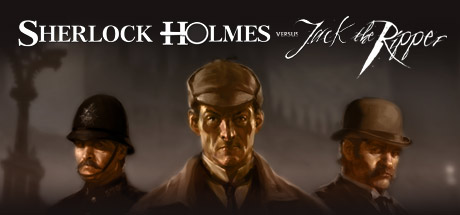
Sherlock Holmes versus Jack the Ripper comes closest — not because of magic, but how it weaponizes real-world literary dread. You’re piecing together clues in fog-choked Whitechapel while confronting psychological horror and period-appropriate occult symbolism (like the Ripper’s ritualistic staging), which echoes DEAD APPLE’s gothic tension during the film’s cursed theater scenes. Frogwares nails the ‘literary weight’ — just swap Dazai’s noir monologues for Holmes’ deductive voiceovers and you’ve got a similar cerebral-but-atmospheric pull.
What’s the best game like DEAD APPLE if I want that brooding, rain-soaked, morally gray detective vibe without anime flashiness?
Disco Elysium — The Final Cut is your perfect match. Forget flashy powers: here, you’re a broken cop named Harry DuBois wandering Revachol, arguing with your own skill checks (‘Logic’ scolding you, ‘Empathy’ pleading), and uncovering conspiracies in decaying tenements — very much like DEAD APPLE’s melancholic underbelly beneath the spectacle. That ‘neon noir’ dimension? It’s baked into every rain-lit alley and drunken internal monologue, and critics loved it (83 Metacritic) for exactly that layered, human grit.
What if I love DEAD APPLE’s intense character duels but hate clunky controls or bad physics?
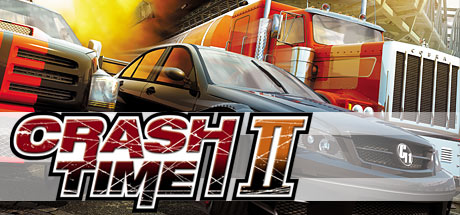
Skip Crash Time 2 — seriously, don’t bother. Its player reviews call out ‘awful controls’, ‘janky physics’, and zero gamepad support, which is the *opposite* of DEAD APPLE’s tight, stylized combat flow. Instead, lean into Max Payne or Max Payne 2: their bullet-time mechanics, room-clearing precision, and weighty gunplay deliver that same high-stakes, personality-driven confrontation — just with responsive, polished execution (and an 81 Metacritic score to back it up).