Condemned: Criminal Origins
What twists the mind of an ordinary human into a serial killer?
🎮Game Details
💬What Players Say
"Get this game. Game is no longer available on steam but find a way. Whether its a steam key from G2A or from another platform...."
"Such a shame that this game is no longer available, Condemned is such a banger and i have the OG disc for the Xbox 360! detective work and violent thriller all bundled into one dark, dank game."
"An excellent first-person horror game with a BRUTAL melee combat system that few games have managed to achieve. The atmosphere is incredibly unsettling and oppressive, mainly thanks to its excellent sound design. Perhaps the investigation mechanics could have been developed a bit more, but they still serve their purpose in adding the adventure touch to this great experience."
📝Editorial Analysis
The flicker of a dying fluorescent tube in a condemned apartment hallway—light stuttering like a failing pulse—while your breath rasps in your own ears, and something wet scrapes just beyond the doorframe. Not a jump-scare. Not a monster reveal. Just that sound. That weight of being watched by something that shouldn’t be breathing in this space. That’s Condemned: Criminal Origins—not as a title, but as a physical sensation: the slow, suffocating press of dank air, the grit of broken plaster under your boots, the way your flashlight beam trembles not from controller input, but from your hand holding its breath. As one player put it: “an excellent first-person horror game with a BRUTAL melee combat system… the atmosphere is incredibly unsettling and oppressive.” Not scary. Oppressive. Not tense. Dank. Not dark—dark, dank, like mold blooming behind wallpaper you shouldn’t peel back.
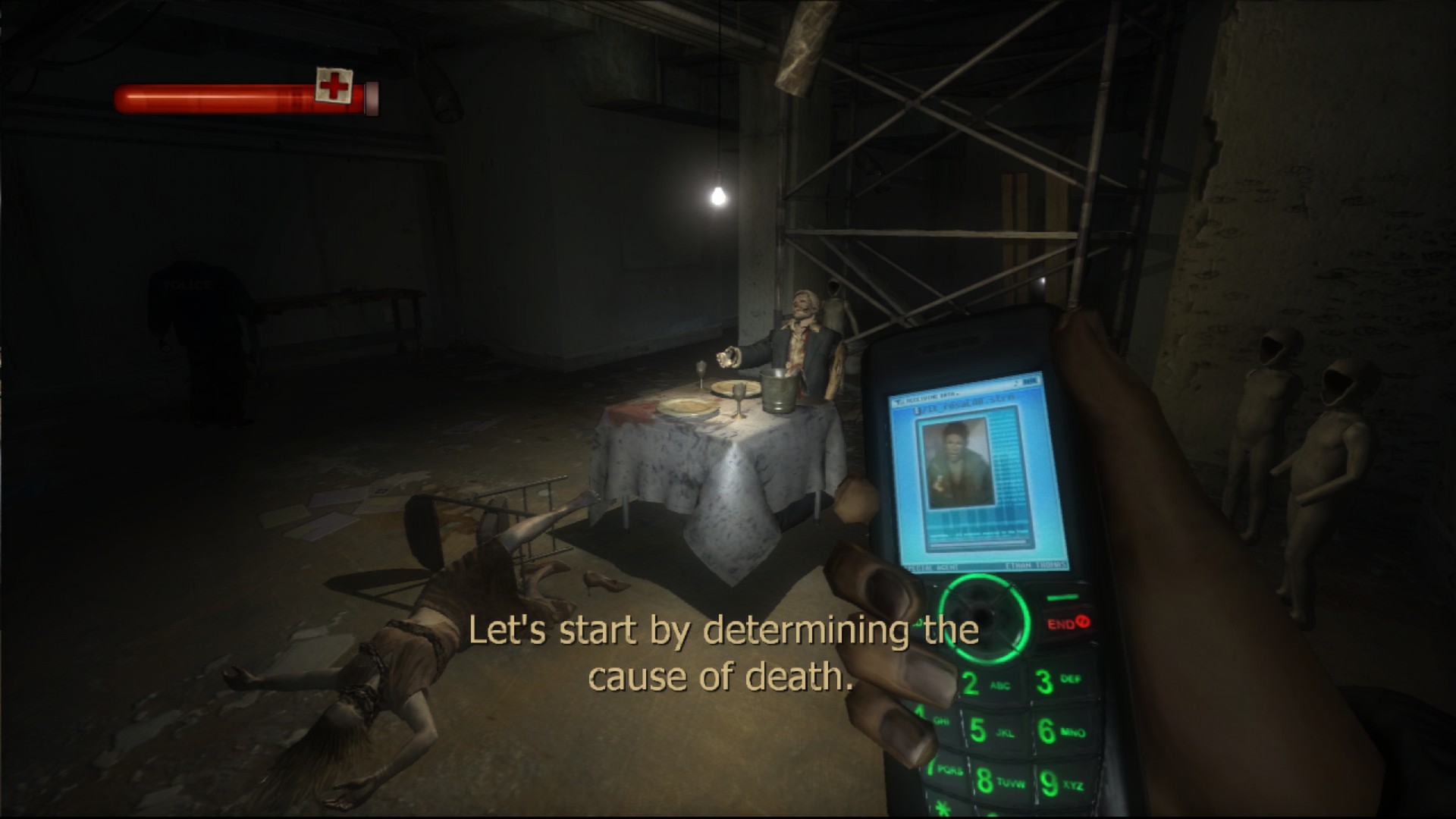
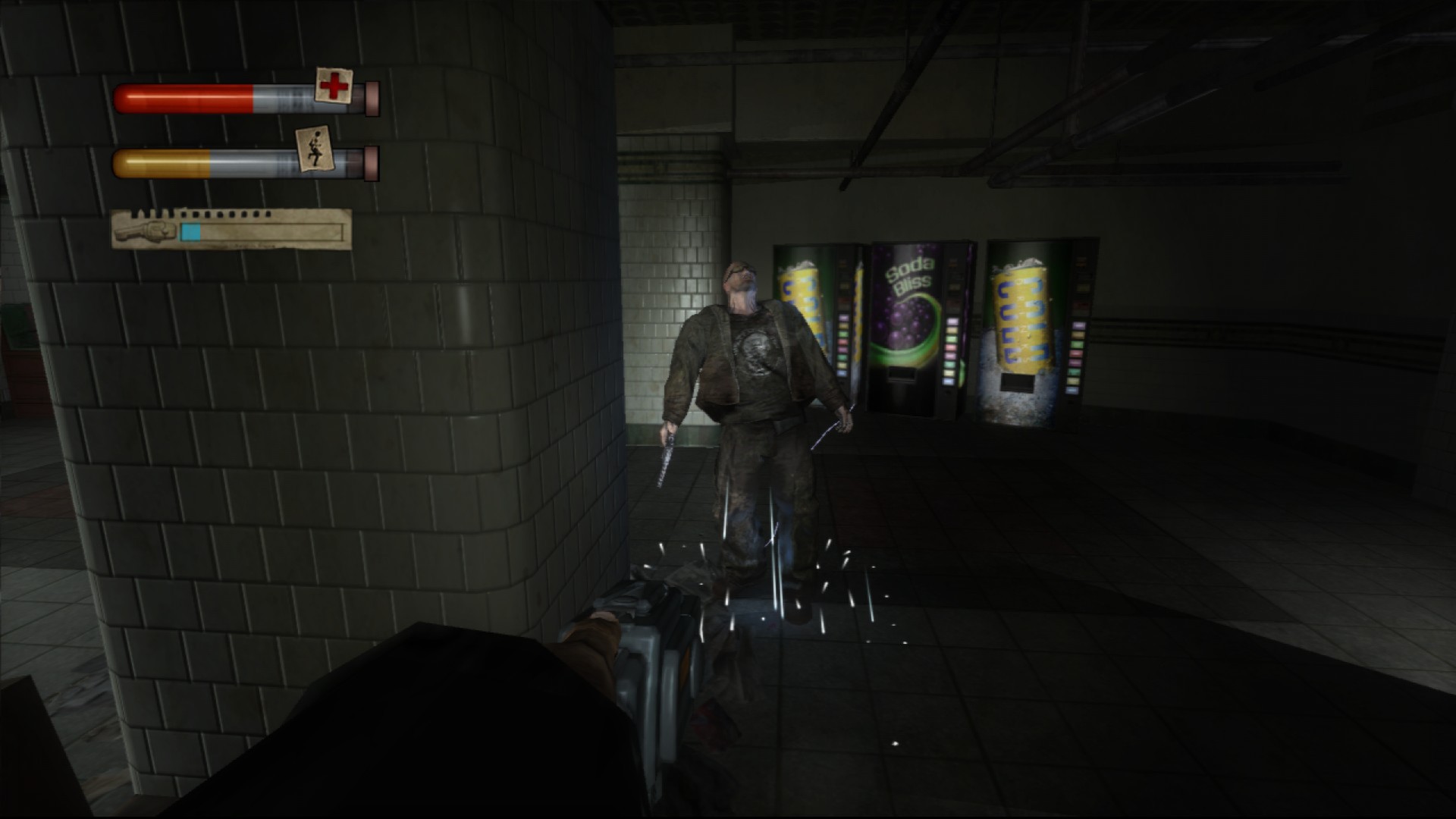
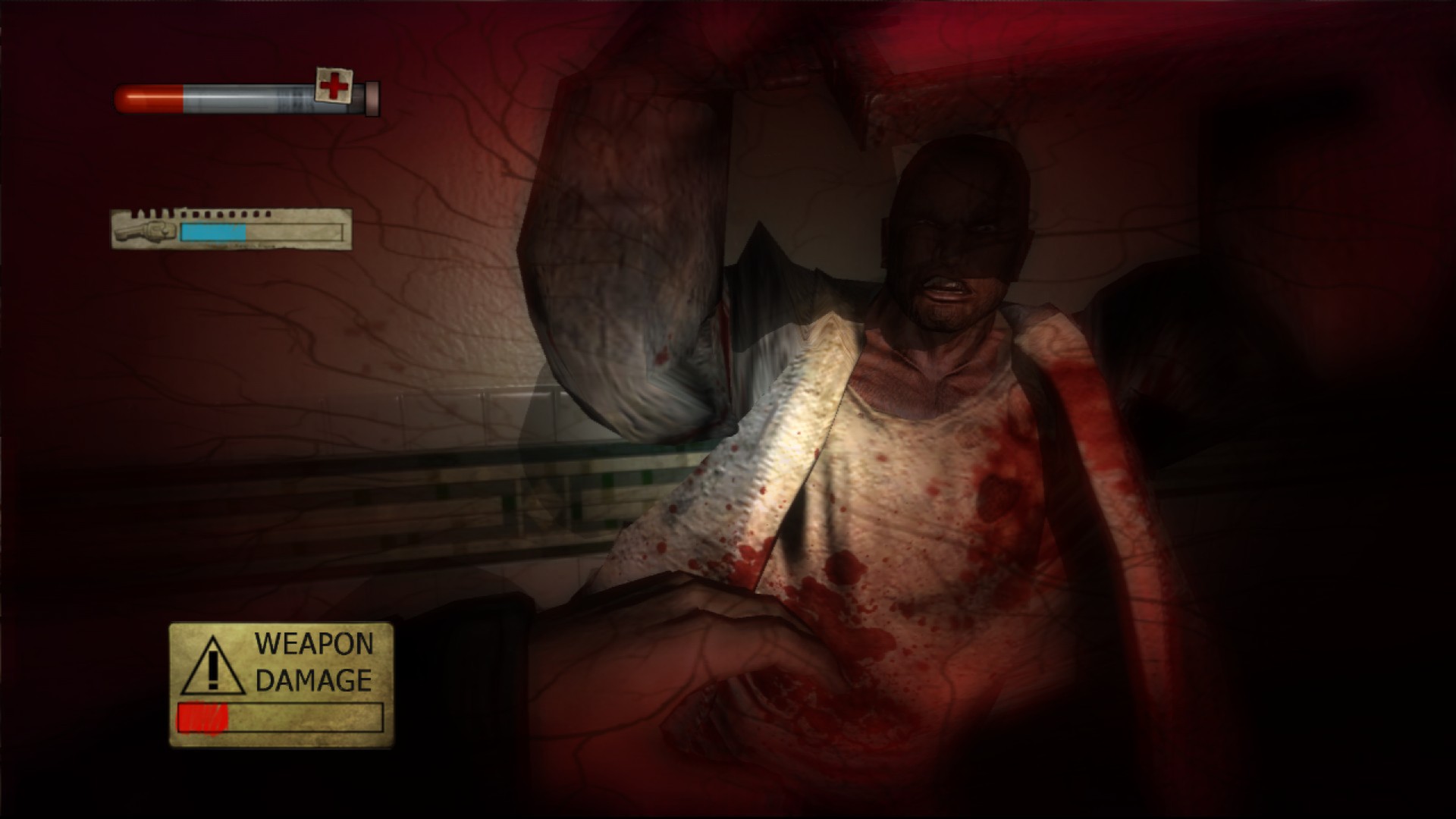
What makes this atmosphere unique isn’t its setting—it’s the psychic residue it leaves on you. This isn’t fear of death. It’s dread of unraveling: your grip on reality, your sense of self, your certainty that the next corner holds only empty rooms. The official question hangs like smoke: What twists the mind of an ordinary human into a serial killer? And the game never answers it cleanly—because the answer isn’t in dialogue or cutscenes, but in the way your knuckles whiten around a pipe when you hear footsteps echo up a stairwell that should dead-end at the floor below. It makes you think about proximity—not to violence, but to fracture. About how thin the membrane is between detective and deviant, observer and participant, sanity and the thing that watches from the periphery and waits for the light to fail. The jank in the combat? It doesn’t break immersion—it deepens it. Every clumsy swing, every stumble, every moment your FPS dips feels like your nervous system glitching under sustained pressure. You’re not mastering the world—you’re enduring it.
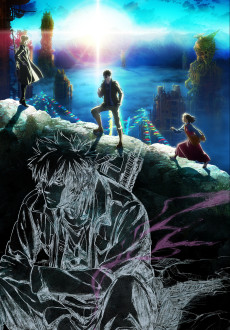
That same psychic pressure lives in Made in Abyss: Journey's Dawn, where descent isn’t adventure—it’s erosion. The mystery isn’t “who did it?” but “what happens when gravity, biology, and memory all begin to bend?” Like Condemned, it weaponizes silence, uses architecture (caverns, shafts, abandoned elevators) as psychological architecture, and treats the human body not as armor, but as fragile parchment stretched over raw, unnameable forces. The occult here isn’t spells—it’s physics gone wrong, and the body horror isn’t gore, but transformation without consent.
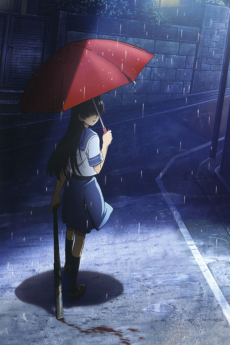
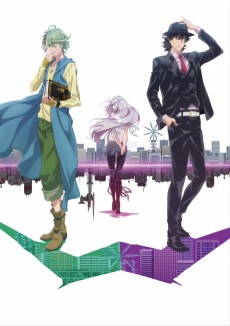
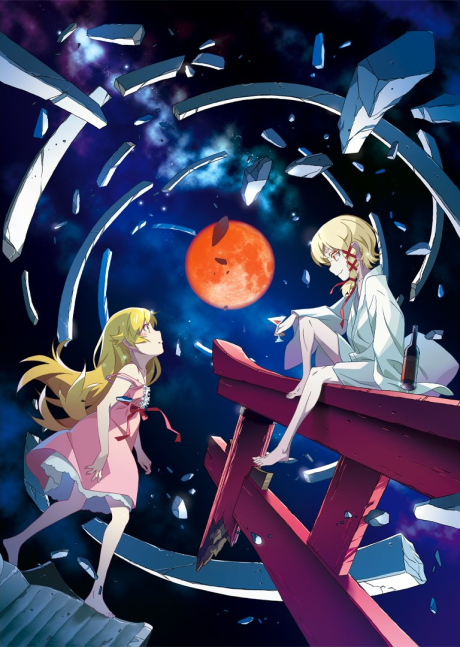
Then there’s Dusk Maiden of Amnesia, where the school’s crumbling wings and dust-choked attics don’t hide ghosts—they house unresolved trauma like stagnant water. Its mystery isn’t procedural; it’s autobiographical, echoing Condemned’s obsession with buried identity. Both force you to sift through fragmented evidence—not just files or notes, but sensations: a cold spot, a whisper that sounds like your own voice slowed down, the way light bends wrong around a doorway. The body horror isn’t visceral rupture—it’s possession of perception, the slow dawning that your memories might be someone else’s crime scene.
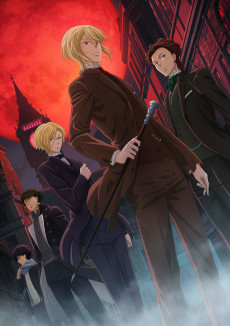
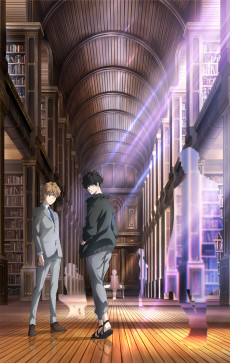
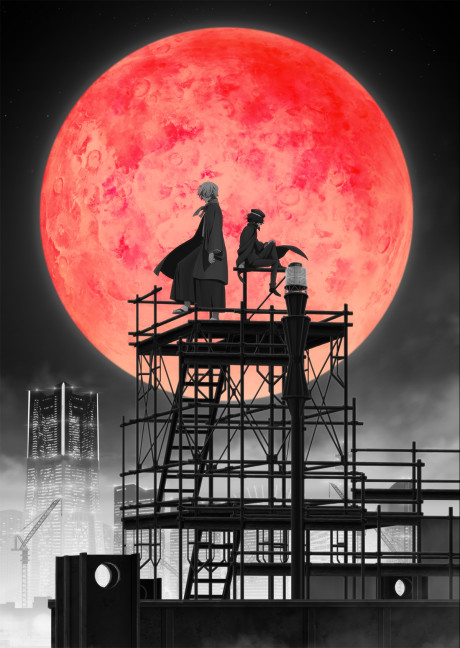
And Lord El-Melloi II's Case Files {Rail Zeppelin} Grace note—yes, the train itself becomes a claustrophobic corridor of escalating dread, where every compartment door could open onto logic collapse. Its detective work mirrors Condemned’s: no forensic HUD, no objective markers—just instinct, misdirection, and the chilling realization that the most dangerous clue is the one you refuse to name. The occult isn’t spectacle—it’s systemic, embedded in architecture and bureaucracy, making the horror inescapable, institutional, just like the decaying city blocks and police precincts of Condemned.
This pairing isn’t for fans of jump scares or power fantasies. It’s for the person who lingers in the pause menu just to hear the hum of a dead server room, who re-watches a scene not for plot, but for the way a character’s pupils don’t dilate in low light. It’s for readers who underline sentences about silence in novels, and players who mute their audio to listen to their own heartbeat while waiting for a door to creak open. It’s for those who feel relief, not fear, when the screen finally cuts to black—not because it’s over, but because for three seconds, the weight lifts. They don’t want catharsis. They want resonance: that shared, trembling frequency between a flickering bulb in a derelict hallway and a girl’s smile that doesn’t reach her eyes in a sun-drenched classroom. That’s where the real horror lives—not in the monster, but in the recognition.
→151 Anime That Match the Vibe

Layered mysteries that reward attention — every detail matters, and the truth is never simple.

Layered mysteries that reward attention — every detail matters, and the truth is never simple.
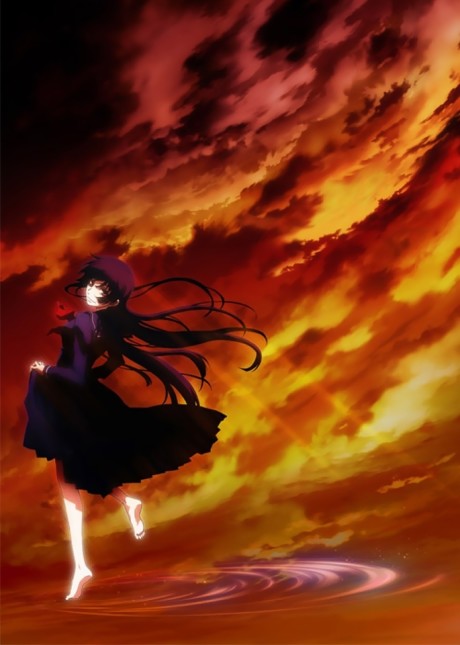
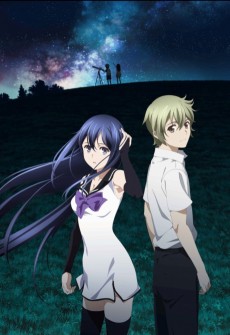
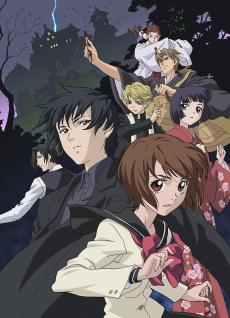
The flickering basement light in *Condemned*’s asylum mirrors Yuuko’s decaying, translucent form in *Dusk Maiden of Amnesia*’s abandoned school—both spaces warp perception through bodily violation and unresolved trauma. Where Ethan Thomas confronts his fractured psyche via occult artifacts and distorted reflections, Yuuko’s fragmented memories manifest as visceral body horror: her dissolving hands, her suspended corpse echoing the game’s forensic close-ups on violated flesh. This resonance in **Body Horror & Occult** isn’t superficial—it roots dread in how memory itself becomes a physical wound, making their shared descent into haunted interiors feel terrifyingly intimate.

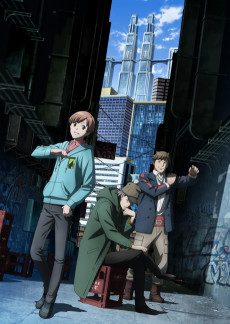
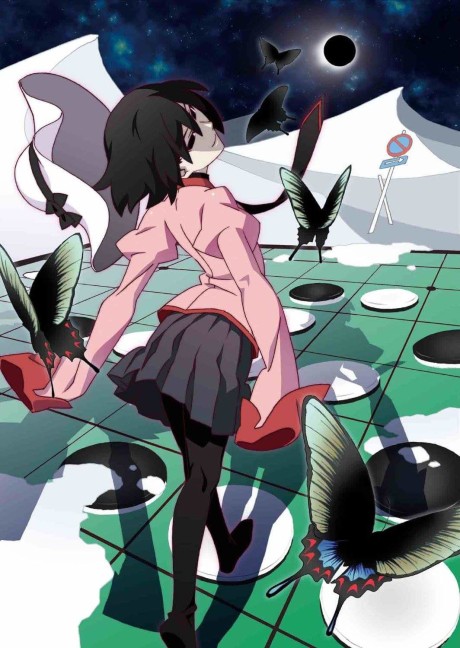
A flickering basement light in *Condemned*’s evidence locker—where blood-smeared autopsy photos warp perception—mirrors the rail zeppelin’s shifting corridors in *Grace Note*, where spatial distortion isn’t just supernatural but psychologically corrosive. Lord El-Melloi II’s forensic rigor in dissecting cursed artifacts resonates with Ethan Thomas’s descent into body horror as he interprets occult trauma through shattered senses. Unlike most detective fiction, both weaponize **Mystery & Detective** not to restore order, but to expose how truth fractures the mind—making their shared dread feel chillingly reciprocal.

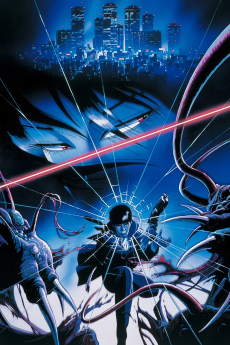
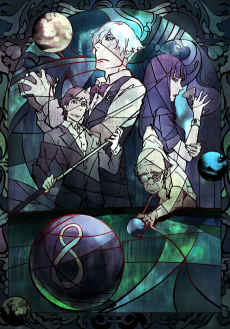
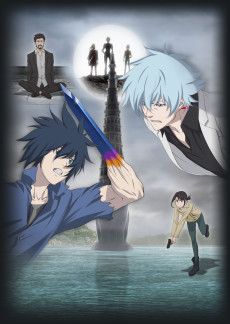
The Abyss’s descent into the Twilight Realm—where bodies warp under crushing pressure and light fails—mirrors Ethan Thomas’s fractured psyche as he hunts killers in decaying urban hellscape. Unlike most detective stories, neither work treats investigation as a path to clarity; instead, each plunges deeper into mystery & detective logic that unravels the self. This resonance feels unsettlingly precise: both *Condemned* and *Made in Abyss: Journey’s Dawn* weaponize body horror & occult dread not for shock, but to ask how perception itself collapses when reality refuses to hold.
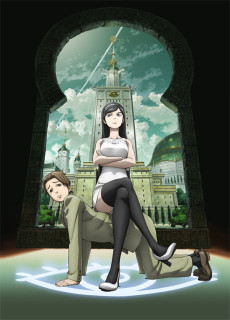
Layered mysteries that reward attention — every detail matters, and the truth is never simple.

Layered mysteries that reward attention — every detail matters, and the truth is never simple.

Layered mysteries that reward attention — every detail matters, and the truth is never simple.

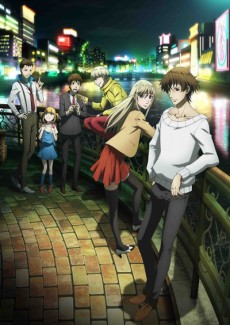
Banri’s fragmented reflection in the university bathroom mirror—glass fogged, face half-obscured—mirrors Ethan Thomas’s hallucinatory distortions as his psyche unravels. Where *Condemned* weaponizes body horror to externalize guilt and fractured identity, *Golden Time*’s amnesia becomes an occult threshold: memory loss isn’t erasure but a haunted vessel, especially in Banri’s visceral flashbacks to the bridge accident—moments that pulse with the same dread-laced mystery as the game’s forensic crime scenes. This resonance feels startlingly intimate: both treat trauma not as backstory, but as a living, mutating presence in the flesh and frame.

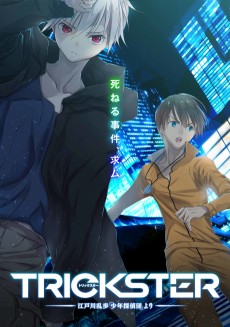
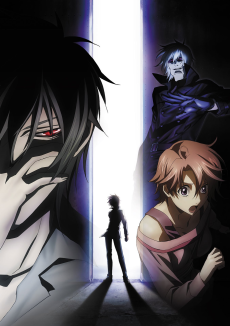
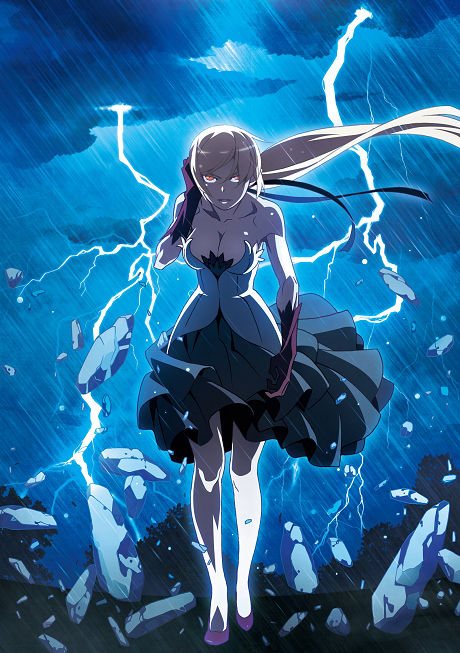
A gut-churning autopsy scene in *Condemned*—where forensic tools scrape bone as the protagonist’s sanity frays—echoes Kohachi Inugami’s first encounter with a mutilated fox corpse near the mountain shrine, its jaw unhinged like a snapped trap. Where the game weaponizes urban decay and sensory overload to fracture perception, *Kemono Jihen*’s rural occultism distorts biology itself: Kagami’s shifting limbs and the village’s cursed “Kemono” blood make body horror a moral and physiological puzzle. This resonance isn’t just aesthetic—it’s investigative dread made flesh, where mystery and body horror fuse into visceral, unblinking inquiry.


































































![Fate/stay night [Heaven’s Feel] III. spring song](https://s4.anilist.co/file/anilistcdn/media/anime/cover/large/bx21719-MSdTlkno0Z0u.jpg)























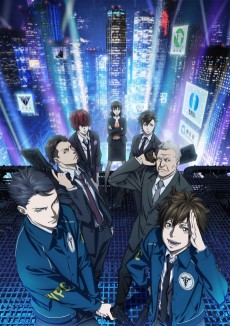




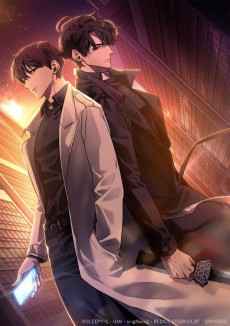



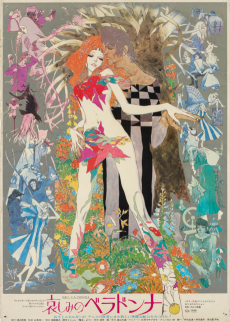
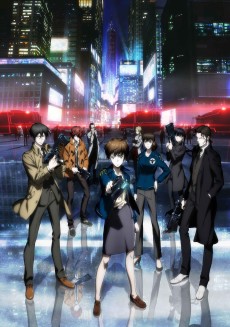
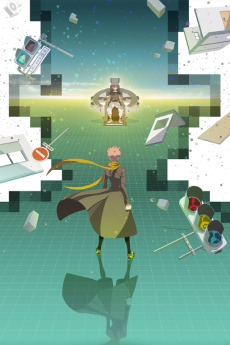

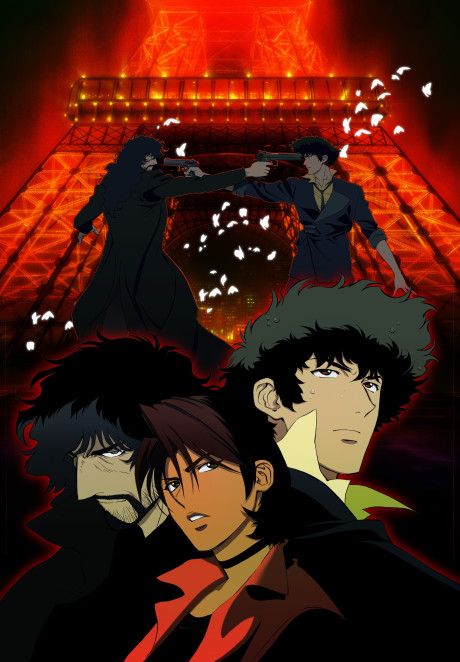
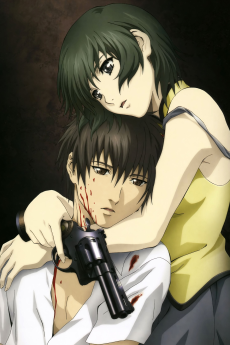
Match Dimensions Explained
❓Frequently Asked Questions
Why is Made in Abyss: Journey's Dawn recommended for Condemned fans?
Because both dive headfirst into psychological unraveling through oppressive, decaying environments—like Abyss’s Layer 2 fog-choked ruins mirroring Condemned’s grimy, rain-slicked alleys—and feature visceral body horror: Riko’s descent parallels Ethan Thomas’s deteriorating grip on reality, especially during the ‘Cursed Womb’ sequences that echo the game’s grotesque forensic discoveries and distorted audio hallucinations.
Is there an anime adaptation of Condemned: Criminal Origins?
No—there’s never been an official anime adaptation. The game remains a cult Xbox 360/PS3 exclusive, and while fans have long begged for one (especially after seeing how well Lord El-Melloi II’s Case Files {Rail Zeppelin} adapts detective work with occult dread), it’s stayed live-action-adjacent in spirit only—like how Grace Note’s train-bound investigation channels Condemned’s claustrophobic tension and forensic detail without ever referencing the game directly.
How does Dusk Maiden of Amnesia compare to Lord El-Melloi II's Case Files for Condemned vibes?
Dusk Maiden leans harder into gothic body horror—think Yuuko’s fragmented, decaying ghost form and the visceral ‘memory bleed’ scenes where trauma physically unravels her—while Lord El-Melloi II’s Case Files delivers Condemned’s procedural grit: the chalk-outline reconstructions, evidence-board montages, and that same heavy silence before violence erupts (like the Rail Zeppelin’s locked-carriage melee ambush). Both nail the ‘detective in over his head’ dread—but El-Melloi’s closer to Ethan’s methodical, weary tone.
What’s the best anime like Condemned for that ‘oppressive, unsettling atmosphere’ feeling?
ef ~ A Tale of Memories—it’s the stealth pick that nails Condemned’s suffocating mood. The abandoned school hallway scenes, Mizuki’s slow-motion dissociative episodes, and those sudden, jarring cuts to distorted sound design (like the muffled screams under rain) mirror the game’s audio-driven tension. Even its ‘adult & dark seinen’ layer reflects how Condemned’s player review called it ‘dark, dank’—not just scary, but *heavy*, like walking through Ethan’s own unraveling mind.