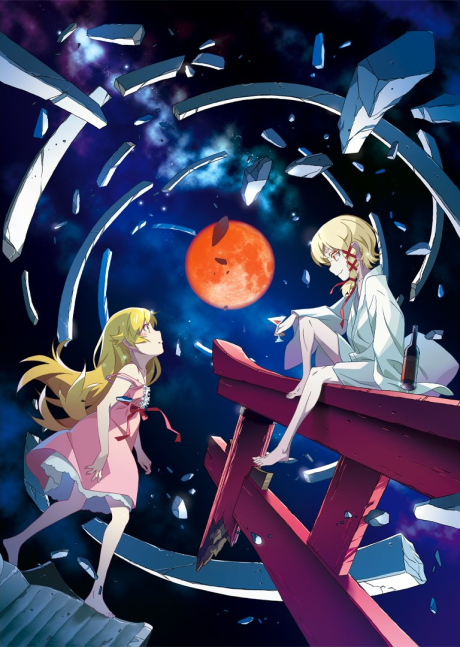
MONOGATARI Series: OFF & MONSTER Season
The sequel to the 'Final Season' story arc of the Monogatari series.
From the past to the future, their story continues.
Now that he has graduated from high school, Koyomi Araragi’s story ends here. His story is truly over now, but the stories of the girls Koyomi saved - their stories - are not over yet.
This is the prequel or sequel to their stories and their struggles.
(Source: Monogatari Series USA Official Website)
📺Anime Details
📝Editorial Analysis
The silence after Koyomi Araragi’s graduation photo fades—not with fanfare, but with the hollow click of a shutter closing on a life that’s officially over. The screen holds on empty hallway tiles, fluorescent light humming low, as the camera lingers just a beat too long. No music swells. No voiceover explains. Just that suspended breath—like standing in the doorway of a room you’ve just vacated forever, knowing the people still inside are already reshaping the air without you.
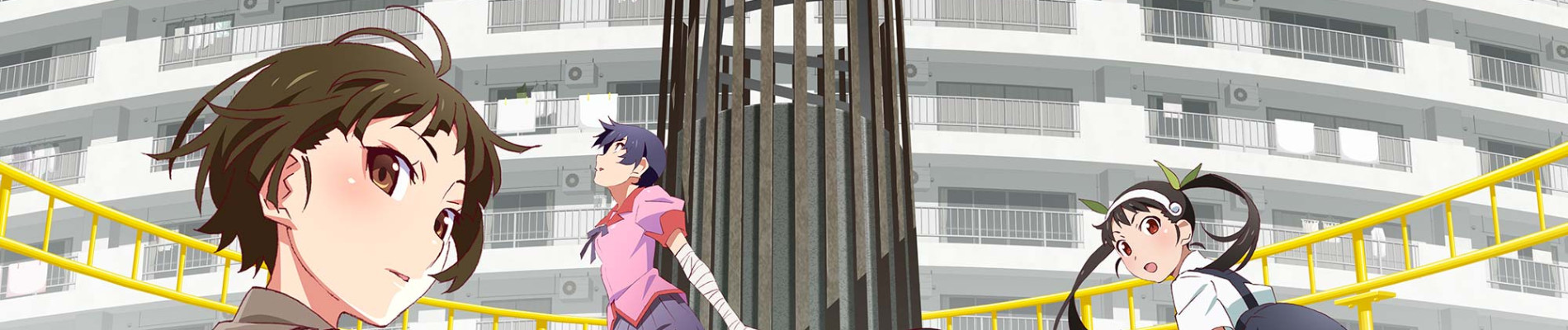
That’s the emotional gravity of MONOGATARI Series: OFF & MONSTER Season: it doesn’t mourn an ending—it listens to the echo it leaves behind. This isn’t urban fantasy as spectacle; it’s urban fantasy as resonance. The city isn’t backdrop—it’s nervous system. Every flicker of streetlight on wet pavement, every half-heard train announcement, every pause before a confession—it all vibrates with unspoken weight. You don’t watch these girls’ struggles—you feel them settle in your ribs. The achronological order isn’t a gimmick; it’s how memory actually works when trauma and tenderness coil together. Philosophy here isn’t debated—it’s breathed, whispered in the space between syllables, folded into the way a character blinks just before saying something true. And “suicide” isn’t plot device—it’s the quiet hum beneath every choice, the gravity well pulling at every relationship. It makes you think about continuity—not of story, but of care. Who holds the thread when the protagonist lets go?
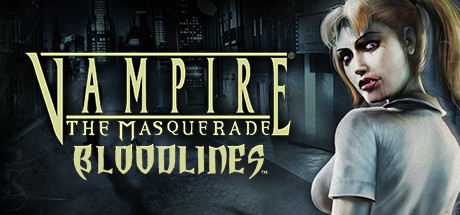
Vampire: The Masquerade - Bloodlines resonates because it, too, lives in the aftermath of transformation—not just bodily, but existential. Its description calls it “a new type of RPG experience—one that blends all the core elements of a traditional RPG with the graphical richness, immediacy and brutal combat of a first-person shooter.” But the player review cuts deeper: “*BUY IT ON GOG; if you want to use the steam version you need to download the unofficial patch…” That fragmented, patched-together survival? That’s the feeling of being a vampire in LA—trying to maintain humanity while your body rebels, your mind fractures, and your relationships curdle under secrecy. Like the girls in OFF & MONSTER, you’re not fighting monsters out there—you’re negotiating the monster in the mirror, mid-conversation, mid-confession, mid-breakdown. The occult isn’t spectacle—it’s syntax. The body horror isn’t gore—it’s the slow, daily betrayal of self.
Thief: Deadly Shadows shares that same suffocating intimacy with urban space. You are Garrett—the master thief “rarely seen and never caught”—and the description nails it: “Able to sneak past any guard, pick any lock, and break into the most ingeniously secured residences.” But the player review reveals the real texture: “The best stealth game, rich atmosphere and the world feels alive…” That aliveness isn’t convenience—it’s pressure. Every shadow has weight. Every creak is a judgment. Every decision to hide or confront carries moral residue. Just like Hitagi Senjougahara walking home alone at night, or Sodachi Fugita rehearsing a sentence three times before speaking—it’s not about action, it’s about presence. The city watches back. You learn its rhythms not to conquer it, but to coexist—barely—within its indifferent architecture.
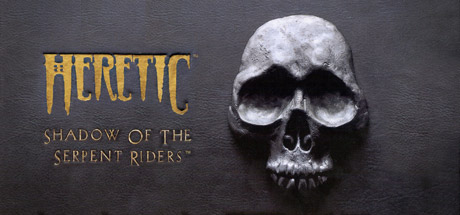
And Heretic: Shadow of the Serpent Riders, though steeped in dark fantasy and body horror, echoes in its isolation. You are “one of the last Sidhe elves,” a heretic in a realm “corrupted by the evil magic of three brothers.” That specificity—last, cursed, singular—mirrors how OFF & MONSTER treats its female cast: not as archetypes, but as irreplaceable individuals bearing wounds no one else fully sees. The player review’s clipped urgency—“Pick up the remaster…”—feels like the anime’s own quiet insistence: this matters, even if no one’s watching closely enough.
This pairing isn’t for fans of “vampires” or “stealth” as genres. It’s for the person who rewatched Kizumonogatari not for the blood, but for the way Kiss-shot’s voice cracks when she says “I am tired”. For the player who spent twenty minutes hiding in a corner of Thief just to hear rain hit cobblestone. For the one who boots up Bloodlines not for the clan wars—but to sit in a dim apartment, listening to their own vampiric heartbeat sync with the city’s distant sirens. These are stories for those who understand that the most terrifying and beautiful thing isn’t the monster—it’s the stillness right after it speaks your name.
🎮42 Games That Match the Vibe





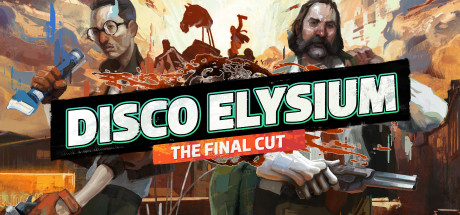
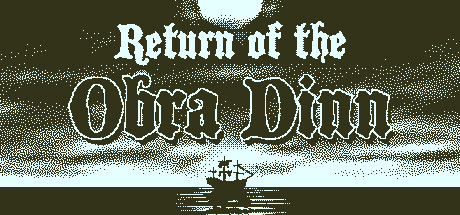
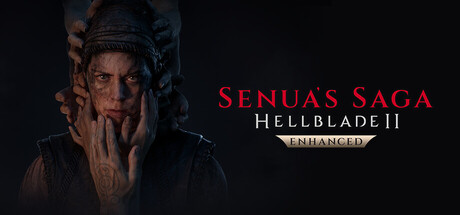


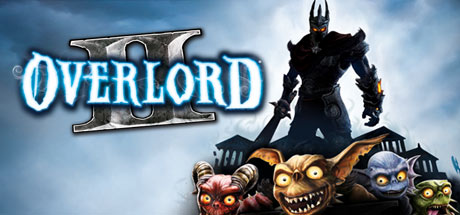

Match Dimensions Explained
❓Frequently Asked Questions
Why is Vampire: The Masquerade - Bloodlines listed as similar to MONOGATARI Series: OFF & MONSTER Season when it’s not anime-style?
Great question—it’s not about the art style, but the shared obsession with psychological unraveling, occult dread, and morally slippery characters like Selene or Nergal who mirror Koyomi’s fractured self-perception. The game’s ‘Masquerade’ mechanic—hiding your vampiric nature while navigating layered social lies—feels *exactly* like the verbal sparring and identity games in OFF & MONSTER, especially during scenes like the Asmodeus Club confrontation where truth and performance blur.
Is there a MONOGATARI visual novel adaptation of OFF & MONOTOR Season?
No—OFF & MONSTER Season isn’t a visual novel at all, and there’s no official VN adaptation. It’s a narrative-driven action-RPG mod built on the MONOGATARI engine, but the closest *game* equivalents in tone and structure are actually retro-dark-fantasy RPGs like Heretic: Shadow of the Serpent Riders, where you play a lone Sidhe elf wielding forbidden magic against cosmic corruption—just like Koyomi weaponizing paradox and language against existential rot.
How does Thief: Deadly Shadows compare to Vampire: The Masquerade - Bloodlines for MONOGATARI fans who love tense dialogue and hidden motives?
Thief leans harder into atmospheric silence and environmental storytelling—Garrett’s eavesdropping on cultists in the Shalebridge Cradle echoes the suffocating ambiguity of OFF’s hallway monologues—but Bloodlines wins for raw *verbal combat*, with skill-based dialogue trees that let you manipulate NPCs like Shinobu or Kiss-shot would manipulate time itself. If you loved the 'truth vs. performance' tension in MONSTER’s courtroom scene, go Bloodlines; if you crave the slow-burn dread of being watched while watching back, go Deadly Shadows.
What’s the best game like MONOGATARI OFF & MONSTER Season if I want that same claustrophobic, reality-bending vibe at 3am?
Go straight to Heretic: Shadow of the Serpent Riders—the remaster nails that oppressive, dream-logic atmosphere where every corridor warps slightly and the Serpent Riders’ glyphs pulse like corrupted text boxes. When you’re fighting corrupted Sidhe priests in the Obsidian Citadel, their body horror transformations (limbs splitting, mouths opening in wrong places) hit the same uncanny valley as OFF’s glitched-out character sprites and recursive dialogue loops—no exposition, just visceral unease.