Sherlock Holmes: The Awakened (2008)
The Sherlock Holmes series returns with this updated version of The Awakened, which brings a whole new dimension to the original title developed by Frogwares. The game puts the player into an investigation of the Cthulhu Mythos - as imagined by Father of modern horror, H.P. Lovecraft.
🎮Game Details
💬What Players Say
"gg"
📝Editorial Analysis
The first time you step into that asylum corridor—walls sweating damp plaster, the air thick with the metallic tang of old blood and something older, something that shouldn’t breathe—the game doesn’t tell you to be afraid. It lets you hear the distant, wet clicking from behind a rusted door. No jump scare. No music cue. Just silence, then that sound—repeating, irregular, hungry. That’s the moment the official description clicks into your bones: “an investigation of the Cthulhu Mythos—as imagined by Father of modern horror, H.P. Lovecraft.” Not monsters in the dark—but the slow, irreversible unfolding of wrongness. And yes—some players just type “gg…” afterward. Not frustration. Not sarcasm. A breathless, hollow surrender to the weight.
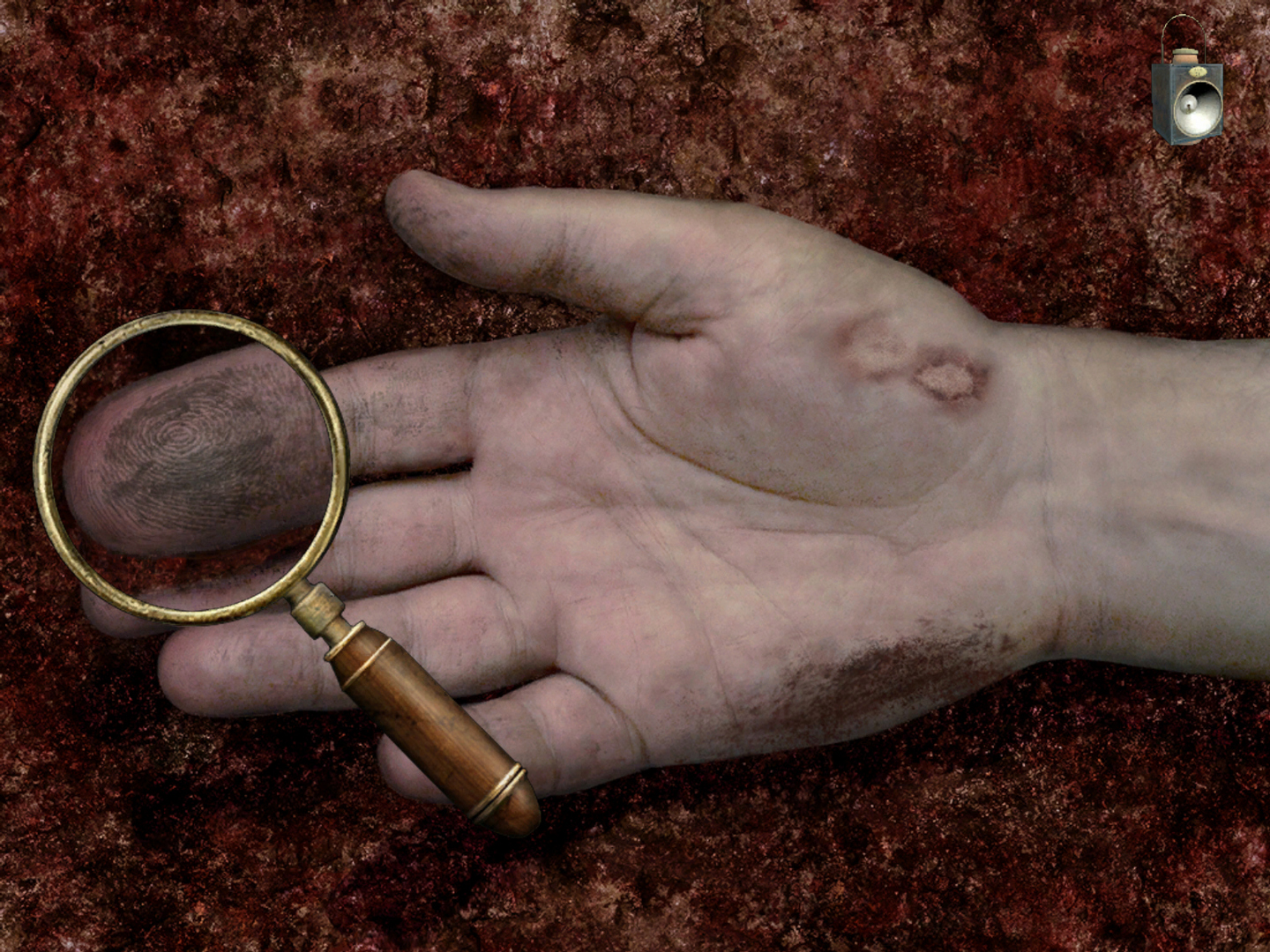
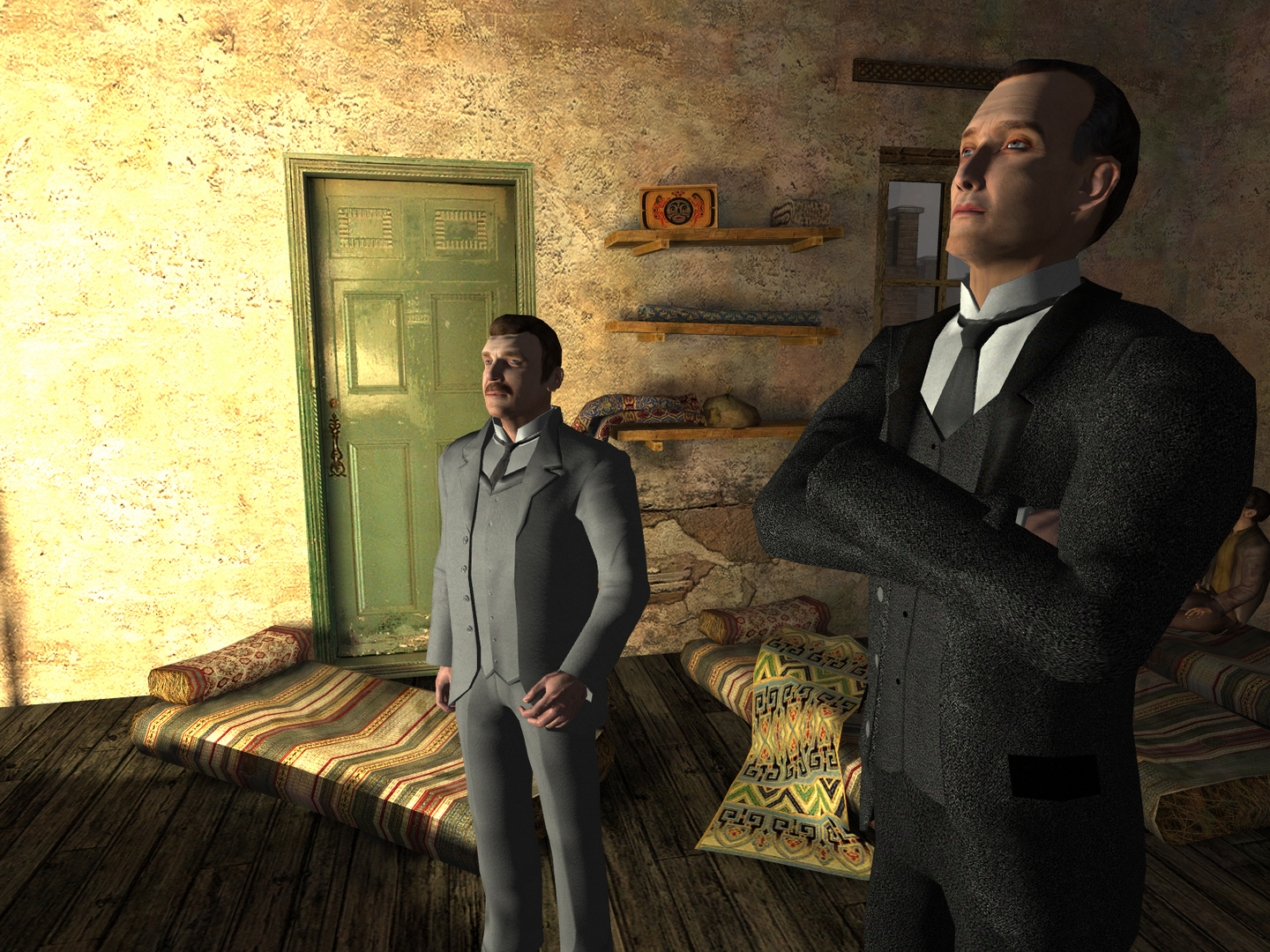
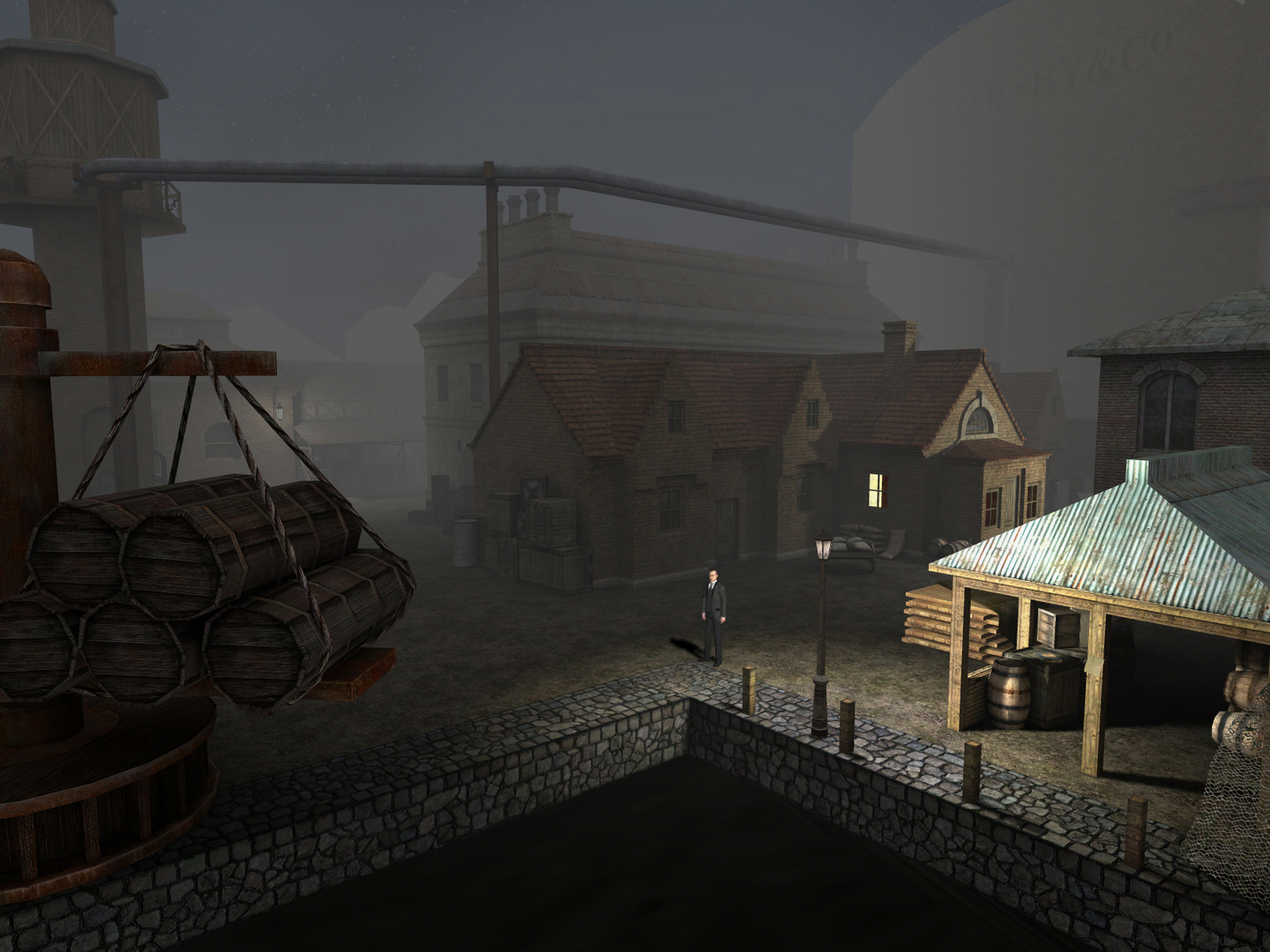
This isn’t dread as adrenaline. It’s dread as erosion. The game makes you feel like your own perception is fraying at the edges—not because something jumps out, but because the floorboards don’t quite align with the wallpaper pattern, because a patient’s sketchbook contains anatomical drawings that shift when you blink, because every clue you gather doesn’t solve the case—it deepens the fissure between what you know and what is. You don’t uncover truth; you witness cognition straining under ontological pressure. It makes you think about memory as fragile scaffolding—and how easily reality can peel back its skin to reveal something gnawing beneath the veneer of logic. There’s no triumphant deduction here. Just Holmes, voice growing quieter, hands trembling slightly as he stares at a symbol that shouldn’t fit in any known language—and yet feels familiar in your gut. That’s the feeling: inescapable intimacy with the abyss.
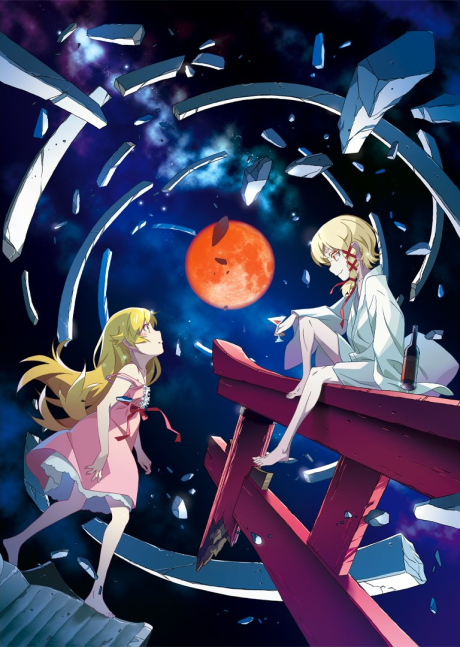
Made in Abyss: Journey's Dawn shares this DNA not through action, but through descent as revelation. Like Holmes tracing a cult’s ritual back to a forgotten asylum wing, Riko and Reg descend into the Abyss—not for glory, but because the deeper they go, the more the world unmakes itself. The body horror isn’t grotesque spectacle; it’s the quiet horror of a child’s hand slowly petrifying mid-reach, or a map that redraws itself in real time, erasing safe paths. Both demand attention to texture—the grain of warped wood, the sheen of unnatural fungus—and both punish certainty. Mystery isn’t a puzzle to solve; it’s a wound you keep probing.
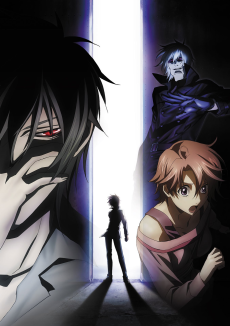
Dusk Maiden of Amnesia mirrors the game’s emotional architecture in its haunted schoolhouse: every locked drawer, every faded photograph, every whisper in the hallway carries the same suffocating weight of buried trauma. The occult isn’t spellbooks and incantations—it’s the way a girl’s smile freezes just a half-second too long, or how her shadow doesn’t match her posture. Like Holmes piecing together fragmented journal entries written in increasingly illegible script, Yuu must reconstruct a death from emotional residue—where grief curdles into something sentient, something that watches back. The detective work is internal, psychological, and deeply tender—even as it threatens to dissolve the investigator’s sense of self.
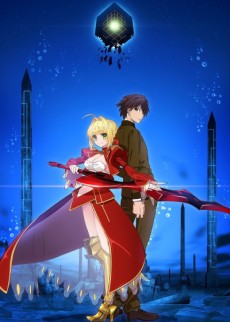
Lord El-Melloi II's Case Files {Rail Zeppelin} Grace note matches not in scale, but in precision of unease. The zeppelin isn’t haunted by ghosts—it’s haunted by causality unraveling. A missing person’s pocket watch ticks backward. A train car’s interior subtly reconfigures between stations. Like Holmes noticing that all victims share the same obscure botanical watermark on their stationery—only to realize the paper itself was grown, not printed—El-Melloi deciphers anomalies that aren’t magical effects, but symptoms of reality’s ligaments stretching thin. The mystery isn’t “who did it?” but “what law has cracked?”—and the answer is never comforting.
These pairings speak to someone who doesn’t flinch at silence before the scream—who finds more terror in a paused clock than a roaring demon. Someone who reads footnotes in Lovecraft and feels recognition, not distance. Who watches Kanon (2006) and understands that the true horror isn’t amnesia—it’s the relief of forgetting, and the quiet devastation when memory returns with teeth. They’re drawn to stories where the mind isn’t a tool, but a threshold—and every investigation is less about solving, and more about enduring the light as it reveals what’s always been there, breathing softly in the walls.
→33 Anime That Match the Vibe
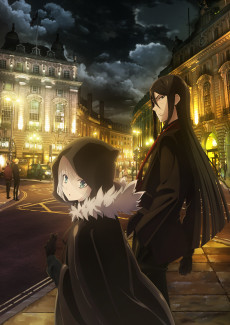
Waver Velvet’s trembling hands—recounting the Fourth Grail War’s trauma while dissecting a grotesquely reanimated corpse aboard the *Rail Zeppelin*—echo Holmes’ own visceral recoil before the stitched, twitching abominations of Arkham Asylum. Where *The Awakened* (2008) weaponizes Victorian rationalism against Lovecraftian body horror, *Grace note* fractures logic itself: magic isn’t just occult—it’s *biological*, mutating flesh and memory in equal measure. This mutual dread of cognition collapsing under embodied supernatural violation makes their resonance unnervingly precise—not just mystery, but mystery that *unmakes the investigator*.
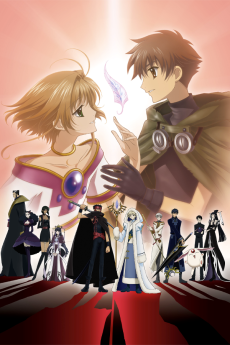
Layered mysteries that reward attention — every detail matters, and the truth is never simple.
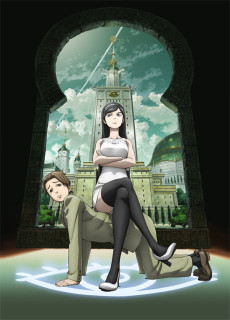
Layered mysteries that reward attention — every detail matters, and the truth is never simple.
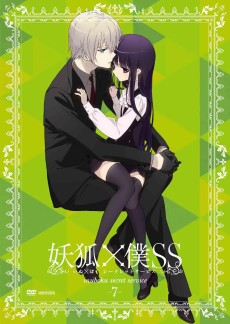
Layered mysteries that reward attention — every detail matters, and the truth is never simple.

Banri’s fragmented reflection in a hospital mirror—glass cracked like a fractured psyche—echoes Holmes’ descent into the occult’s warped logic aboard that decaying asylum ship. Where *The Awakened* weaponizes body horror to literalize cognitive collapse, *Golden Time* internalizes it: amnesia isn’t plot device but visceral erasure, each forgotten name a missing limb of self. Their resonance lies precisely in how both use 👻 Body Horror & Occult not for spectacle, but as metaphors for identity dissolution—terrifyingly intimate, never abstract.
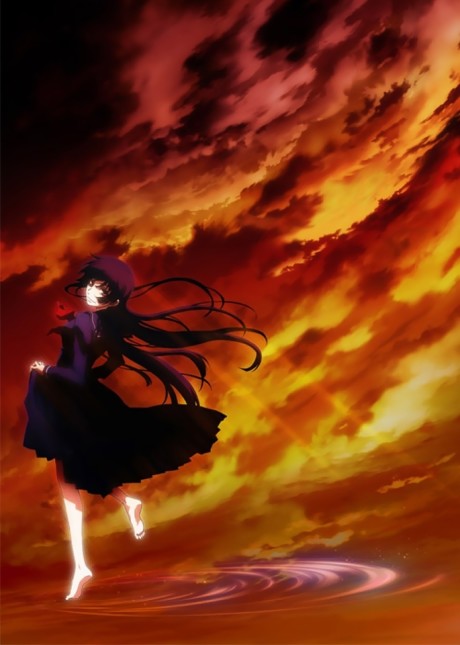
A decaying school basement—where Yuuko’s corpse was discovered—and the asylum’s dripping, flesh-walled corridors in *The Awakened* mirror each other’s violation of bodily and architectural integrity. Unlike most detective stories, neither work treats mystery as a puzzle to solve cleanly; instead, they spiral into psychological unraveling where 👻 Body Horror & Occult truths corrupt perception itself. That shared descent—into trauma made visceral through rotting walls and revenant flesh—makes their resonance unnervingly intimate, not intellectual.

A damp London fog clings to Baker Street as Holmes uncovers a cult’s flesh-warping rituals—while in snowy Tanba, Yuuichi watches Ayu’s body flicker like unstable film, her very form dissolving under supernatural strain. Where *The Awakened* weaponizes occult dread through visceral body horror, *Kanon (2006)* transmutes it into quiet, heartbreaking fragility—both using 👻 Body Horror & Occult not for shock, but as metaphors for memory’s erosion and the terror of losing oneself. That such divergent tones—gothic investigation versus tender slice-of-life—converge on bodily instability as emotional truth feels quietly revolutionary.

The Abyss’s spiral descent into flesh-warping horror mirrors The Awakened’s asylum corridors where sanity unravels like peeling wallpaper—both weaponize body horror as investigative evidence. Where Regis’s silent, scarred presence embodies trauma made physical, Holmes confronts cultists whose limbs twist into blasphemous geometries, turning mystery into visceral dread. Unlike most detective tales, neither work treats the occult as backdrop; it’s the wound at the center—and *Journey’s Dawn*’s condensed, suffocating ascent into the 3rd Layer makes that wound feel terrifyingly immediate.
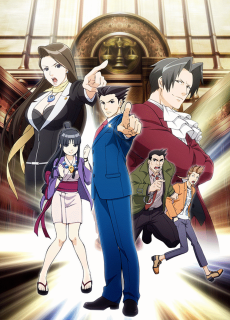
Layered mysteries that reward attention — every detail matters, and the truth is never simple.

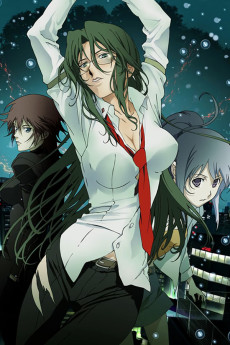
Miyako Miyamura’s fragile consciousness flickering awake beside Hiro’s wrecked bike mirrors Holmes’ own disorientation after confronting the Elder God’s psychic residue in New Orleans. Where *The Awakened* weaponizes body horror to fracture perception—limbs twisting, faces melting—*ef ~ A Tale of Memories* uses psychological unraveling and memory loss as its occult mechanism, making mystery less about clues than the unreliability of the self. This shared dimension of 👻 Body Horror & Occult transforms investigation into visceral, destabilizing intimacy—surprisingly resonant for works rooted in rationalism and romance alike.







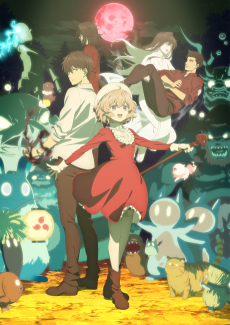

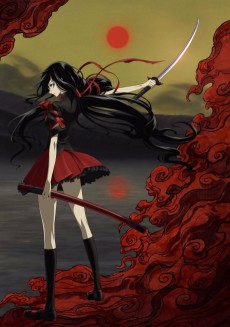

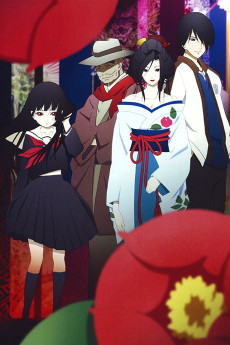
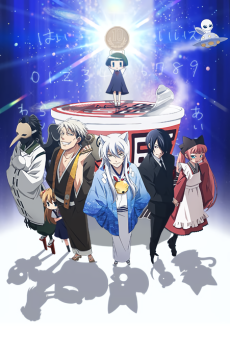



Match Dimensions Explained
❓Frequently Asked Questions
Why is Made in Abyss: Journey's Dawn recommended for fans of Sherlock Holmes: The Awakened (2008)?
Because both dive deep into forbidden, reality-warping mysteries where uncovering the truth comes with visceral physical and psychological cost—like Riko’s descent into the Abyss mirroring Holmes’ investigation of Lovecraftian cults in London’s fog-choked alleys. You’ll feel that same dread and wonder when encountering the Abyss’s biomechanical horrors, just like the body horror and occult dread in The Awakened’s Blackwood Asylum scenes.
Is there an anime adaptation of Sherlock Holmes: The Awakened (2008)?
No—there’s no official anime adaptation of the 2008 Frogwares game. But if you’re craving that exact blend of deductive sleuthing + cosmic horror, Lord El-Melloi II’s Case Files {Rail Zeppelin} Grace note nails it: Waver Velvet investigates a murder aboard a magus-operated train using logic, occult forensics, and escalating body horror—just like Holmes piecing together clues amid eldritch decay in Whitechapel.
How does Dusk Maiden of Amnesia compare to Sherlock Holmes: The Awakened (2008) in tone and themes?
Both hinge on solving tragic, emotionally charged mysteries rooted in the occult—Yuuko’s fragmented memories and cursed school grounds parallel Holmes’ unraveling of Blackwood’s ritualistic murders and psychic residue. The way Yuuko’s body destabilizes as truths surface? That’s straight out of The Awakened’s ‘sanity drain’ mechanics and its grotesque, flesh-warping manifestations of hidden knowledge.
What’s the best anime like Sherlock Holmes: The Awakened (2008) if I want melancholy mystery with slow-burn dread?
Kanon (2006) is your best bet—it wraps emotional trauma, buried secrets, and quiet supernatural unease into every snow-draped scene, much like The Awakened’s oppressive London atmosphere and Holmes’ somber interrogations of grieving witnesses. When Ayu’s fragmented past resurfaces through eerie déjà vu and decaying locations, it hits with the same weight as discovering a hidden chamber beneath St. Bartholomew’s Hospital—haunting, intimate, and deeply human beneath the occult veneer.