
In/Spectre
At the young age of 11, Kotoko Iwanaga was abducted by youkai for two weeks and asked to become their "God of Wisdom," a mediator between the spirit and human worlds, to which the girl quickly agreed but at the cost of her right eye and left leg. Now, six years later, whenever youkai wish for their problems to be solved, they make their way to Kotoko for consultation.
Meanwhile, Kurou Sakuragawa, a 22-year-old university student, has just broken up with his girlfriend after he fled alone when the two encountered a kappa. Seeing this as her chance to become closer with him, Kotoko immediately makes her move, hoping to get married to Kurou one day. However, she quickly realizes there is something more to Kurou. With this knowledge, she asks for his help in solving the various issues presented by the supernatural, all the while wishing her newfound partner will eventually reciprocate her feelings.
📺Anime Details
📝Editorial Analysis
The scent of rain on hot asphalt. Kotoko Iwanaga sits cross-legged on the worn tatami of her tiny, cluttered office—not a shrine, not a temple, just a room above a ramen shop—her prosthetic leg resting quietly beside her, her eye patch catching the dim glow of a flickering fluorescent light. A fox-youkai in a too-tight suit hunches across from her, tail twitching nervously as he recounts how his lover’s memories are slowly dissolving like sugar in tea. Kotoko doesn’t flinch. She sips lukewarm barley tea, nods once, and says, “You’ll need to borrow time from the clockmaker in Shibuya—but only after you apologize for lying about the plum wine.” It’s quiet. Heavy. Tender. And utterly, devastatingly ordinary.
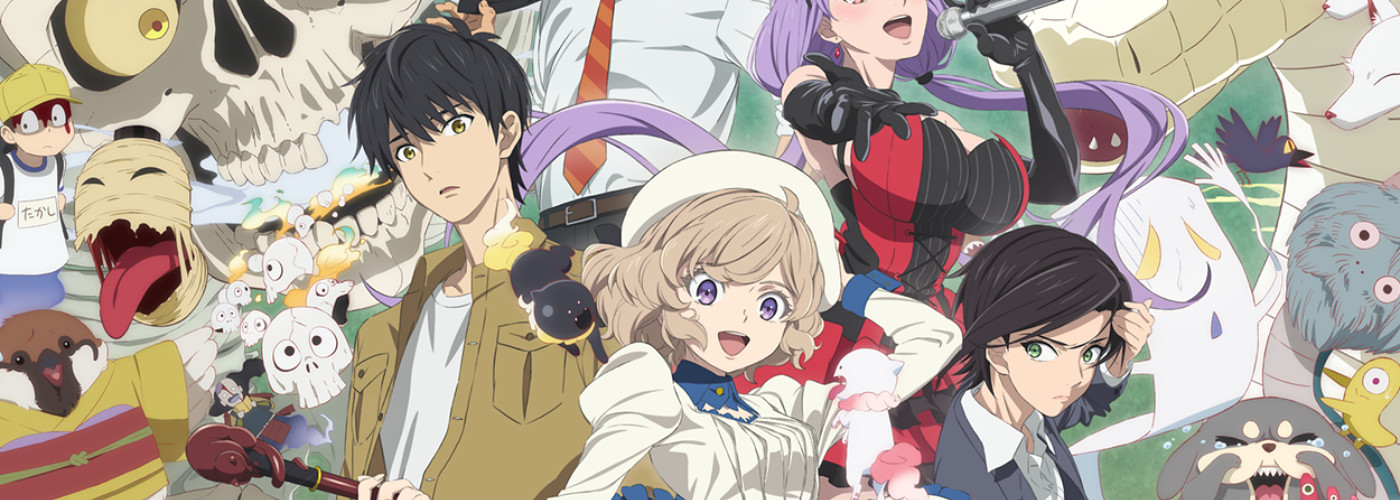
That’s the feeling In/Spectre cultivates—not awe, not dread, but gravitas wrapped in banality. It’s the weight of consequence settling into daily life: a missing eye isn’t tragic backstory—it’s paperwork, a custom socket, a minor inconvenience during grocery runs. A youkai’s existential crisis isn’t resolved with a spell or sword, but with mediation, etiquette, and the quiet exhaustion of someone who’s seen too much and still makes coffee for strangers. This isn’t urban fantasy as spectacle—it’s urban fantasy as bureaucracy, as emotional labor, as the slow, unglamorous work of holding two worlds together with duct tape and dry wit. You don’t feel excited watching it—you feel seen, like someone finally named the quiet ache of being responsible before you were ready.
That same emotional DNA pulses in Condemned: Criminal Origins, where the mystery isn’t who committed the crime—but what fractures inside a person until they stop recognizing their own reflection. The player review calls it a “gem,” begging people to hunt it down despite its obscurity—just like Kotoko’s clients seek her out in back-alley offices no map acknowledges. Both demand you sit with discomfort, not as horror, but as diagnosis: What breaks? What bends? What stays intact beneath the damage? There’s no grand villain—just systems, wounds, and the terrifying intimacy of understanding how easily wisdom can curdle into cruelty.
Then there’s Max Payne, whose description nails it: “A man with nothing to lose in the violent, cold urban night.” Kotoko lost an eye and a leg at eleven. Max loses his family, his badge, his name—all before breakfast. Neither gets a montage. Neither gets catharsis. They get rain-slicked alleys, bad coffee, and the sheer, grinding effort of moving forward when every step echoes. The player review recalls passing the controller after each death—not as failure, but as shared endurance. That’s the rhythm of In/Spectre: not victory, but continuance. Not healing, but tending.
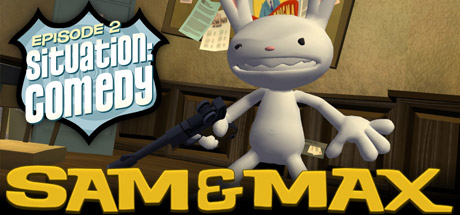
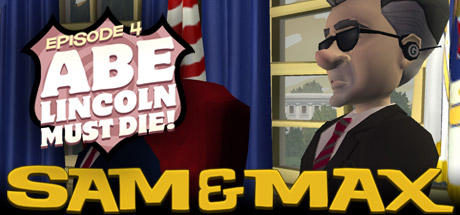
And then—unexpectedly—Sam & Max 102: Situation: Comedy, where a talk show host holds her audience hostage because she’s emotionally unhinged, and Sam & Max walk in with briefcases full of absurdity and zero patience for pretense. The review calls it a “great reboot of a legendary game”—and that’s the tonal key: reverence without solemnity. Like Kotoko calmly explaining to a sobbing river spirit that yes, heartbreak does literally cause water levels to drop, but no, she won’t reverse it—“Grief has hydrological precedent. Let it run its course.” The comedy isn’t escape. It’s armor. It’s the laugh you make when your prosthetic slips on wet stairs—not because it’s funny, but because if you don’t laugh, you’ll scream.
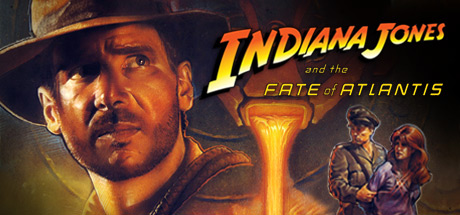
This isn’t for people who want magic to dazzle or detectives to triumph. It’s for the ones who recognize themselves in Kotoko’s tired smile, in Max’s cigarette ash trembling between stained fingers, in Sam’s deadpan delivery while chaos implodes around him. It’s for viewers who’ve ever mediated a fight between two friends who won’t speak directly, or players who replayed Indiana Jones® and the Fate of Atlantis™ not for the puzzles—but for the way Indy sighs when yet another ancient prophecy turns out to hinge on misread tax records. These are stories for adults who remember what it costs to be kind in a world that keeps asking for more than you have—and who still, stubbornly, pour the tea.
🎮36 Games That Match the Vibe



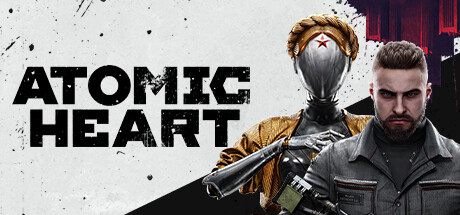


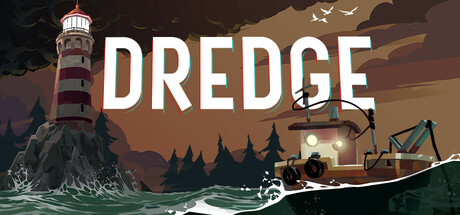
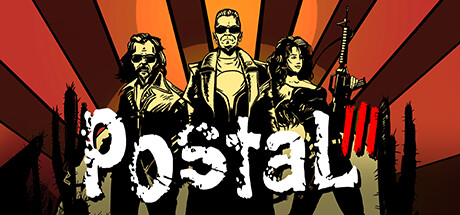

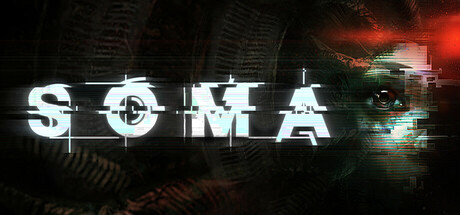
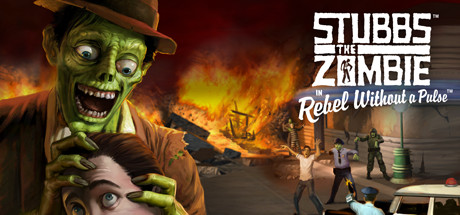
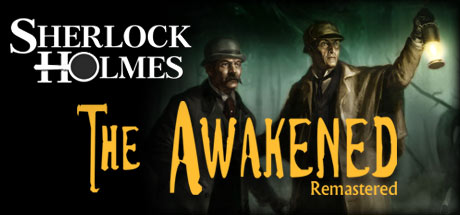
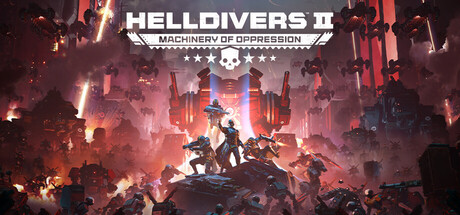




Match Dimensions Explained
❓Frequently Asked Questions
Why does In/Spectre feel so much like Condemned: Criminal Origins despite the different settings?
Both lean hard into that visceral, grounded dread—Condemned’s forensic crime scenes and brutal melee takedowns mirror In/Spectre’s tense, close-quarters confrontations with yōkai like the Kudan or the Hollow Man. The body horror isn’t just visual; it’s psychological, like how Condemned makes you question your own sanity after prolonged exposure to its occult audio logs—just like In/Spectre’s slow unraveling of Kurou’s fragmented memories and the Hollow’s influence.
Is there an In/Spectre anime or live-action adaptation I should watch before playing games like it?
No official adaptation exists yet—but that’s why games like Indiana Jones and the Fate of Atlantis hit so well: they capture In/Spectre’s blend of scholarly mystery and high-stakes occult stakes *without* needing anime pacing. Think Indy decoding Atlantean glyphs in the Temple of Poseidon vs. Kurou cross-referencing yōkai lore in his grandfather’s journal—same vibe of brainy, witty, globe-trotting (or Tokyo-trotting) investigation.
How does Max Payne compare to In/Spectre in terms of detective work and atmosphere?
Max Payne leans harder into noir fatalism and bullet-time action, but its detective DNA is strong—like when Max pieces together mob connections through crime scene photos and voice memos, echoing Kurou’s methodical profiling of yōkai behavior. Both use rain-slicked urban decay (NYC tenements vs. Shinjuku back alleys) and morally gray allies—think Max’s betrayal by Alex Balder versus Kurou’s uneasy truce with the Hollow—to deepen the mystery-and-detective tension.
What’s the best game like In/Spectre if I want something funny but still smart and mystery-driven?
Sam & Max 102: Situation: Comedy is your perfect match—it’s got the sharp banter, absurd-yet-cohesive lore (like WARP TV’s interdimensional conspiracy), and genuine puzzle-solving chops that echo In/Spectre’s balance of levity and gravitas. When Sam deduces Myra Stump’s hostage motive from a misplaced prop banana peel, it lands with the same clever, character-driven ‘aha’ as Kurou spotting the Hollow’s telltale shadow distortion during a rooftop chase.