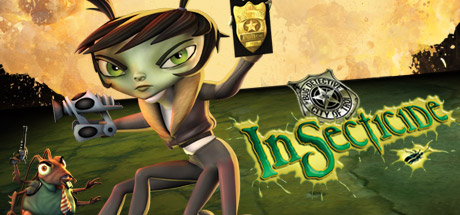
Insecticide Part 1
Enter the fast shooting world of INSECTICIDE as hot shot rookie Detective Chrys Liszt and help solve a crime of epic proportions. Lead your team on a bug hunt, collecting clues and solving puzzles. Use old-fashioned street smarts, unique insect abilities and an arsenal of ingenious bug weapons to confront your suspects.
🎮Game Details
💬What Players Say
"Extremely rough third-person shooter/adventure game hybrid. The shooting is worse than the puzzles... Most of the time...."
📝Editorial Analysis
The first time Detective Chrys Liszt fires her bug weapon—a jury-rigged, chitinous blaster that whines like a trapped cicada before spitting iridescent shrapnel—you don’t feel heroic. You feel off-balance. The recoil lurches the camera sideways; the reticle wobbles like a drunk dragonfly. That’s not a bug—it’s the point. The official description promises “old-fashioned street smarts, unique insect abilities and an arsenal of ingenious bug weapons,” but the player review cuts deeper: “Extremely rough third-person shooter/adventure game hybrid. The shooting is worse than the puzzles… Most of the time.” And yet—you keep going. Because the dissonance isn’t accidental. It’s the texture of the world: a place where detective work is equal parts deduction and duct tape, where clues shimmer under UV light on a grimy alley wall, and every puzzle solved feels less like triumph and more like barely holding the frame together.
That’s the atmosphere—not gritty, not sleek, not even cohesive. It’s clumsily earnest. You’re not in a polished noir; you’re in a rain-slicked, slightly-too-bright city where the police precinct hums with the low thrum of wing membranes and the coffee machine doubles as a pheromone diffuser. The game doesn’t ask you to suspend disbelief—it asks you to lean into the wobble: the way Chrys’ confidence outpaces her competence, how the “epic crime” unravels through half-overheard gossip and sticky-note evidence boards, how “insect abilities” manifest as awkward, physics-defying leaps or temporary camouflage that glitches at the edges. It makes you feel tired but intrigued, like you’ve just been handed a case file written in glitter glue and whispered in riddles. It makes you think about how much detective fiction relies on control—and how funny, how human, it is when the control slips: when the gun jams, the clue vanishes mid-zoom, the suspect sneezes pollen all over your notebook.
The World God Only Knows II shares that exact tonal vertigo—where mystery isn’t solved by genius, but by desperate improvisation. Keima Katsuragi’s “conquest” logic is as brittle and over-engineered as Chrys’ bug weapons; both rely on rapid-fire genre literacy, misfiring social algorithms, and the quiet panic of realizing your system just crashed mid-interrogation. The shared dimensions—Mystery & Detective, Comedy & Parody—aren’t just tags. They’re the rhythm: a clue appears, then immediately gets undercut by a pratfall, then recontextualized by a fourth-wall wink. The stakes feel huge until someone trips over a cockroach-shaped floor vent.
Scissor Seven Season 3 mirrors the Tactical Warfare layer—but not with precision. Its fights are chaotic ballets of mismatched tools, improvised cover, and enemies who forget their own plans mid-swing. Like Chrys navigating a warehouse full of unstable bioluminescent traps, Seven’s tactics succeed despite the mess, not because of order. The comedy isn’t separate from the combat—it is the combat. A thrown beetle-shell grenade misfires, rolls back toward the squad, and somehow distracts the villain long enough for the real clue (a dropped monocle lens) to glint in the light. That’s the DNA: warfare as farce-as-investigation.
And Hentai Prince & the Stony Cat, with its Mystery & Detective, Comedy & Parody spine, captures the emotional core: the ache of wanting to understand—people, systems, yourself—while being constitutionally unequipped for clarity. Yuu’s transformations aren’t power-ups; they’re coping mechanisms that backfire spectacularly. Just like Chrys’ “insect abilities,” they’re temporary, unreliable, and deeply personal. The mystery isn’t “who did it?” but “who am I when the mask slips—and why does everyone pretend it fits?”
This pairing isn’t for fans of flawless execution or seamless worldbuilding. It’s for the ones who grin when a cutscene stutters, who underline the wrong line in a suspect’s alibi because it’s funnier, who collect discarded matchboxes and half-chewed gum wrappers like sacred texts. It’s for players who replay a puzzle three times—not to master it, but to savor the way the lighting shifts each time the cockroach drone buzzes past the ceiling fan. It’s for viewers who pause anime mid-chase to admire how the sweat on a character’s temple catches the neon sign outside—and then laugh when the sign flickers out, plunging the scene into absurd, beautiful darkness. They love the glitch, the gap, the glorious, buzzing space between intention and outcome—where every misfire feels like a confession, and every clue, however sticky, is a tiny, defiant act of hope.
→74 Anime That Match the Vibe

Layered mysteries that reward attention — every detail matters, and the truth is never simple.

Layered mysteries that reward attention — every detail matters, and the truth is never simple.

Layered mysteries that reward attention — every detail matters, and the truth is never simple.

Layered mysteries that reward attention — every detail matters, and the truth is never simple.
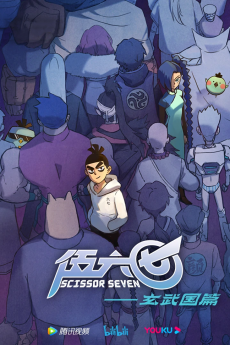
Detective Chrys Liszt’s absurdly precise bug-spray takedowns mirror Wu Liuqi’s slapstick yet surgical scissor strikes in Xuanwu Kingdom’s neon-lit alleys. Where *Insecticide Part 1* weaponizes bureaucratic parody to frame its mystery—clues hidden in laminated evidence tags—*Scissor Seven Season 3* deepens its comedy & parody by having Dabao misinterpret royal decrees as takeout menus mid-tactical ambush. This shared love of tactical warfare dressed as farce makes their resonance feel less like genre overlap and more like synchronized genre sabotage.
Layered mysteries that reward attention — every detail matters, and the truth is never simple.

Chrys Liszt’s bug-eyed interrogation of a cockroach informant—deadpan, absurd, and laced with bureaucratic irony—mirrors Katsuragi’s Season 2 exasperated negotiations with Haqua’s rigid demon protocol. Both weaponize 🕵️ Mystery & Detective tropes not for gravitas but as scaffolding for 😂 Comedy & Parody: clue-gathering becomes farce, supernatural stakes collapse into roommate squabbles. That shared tonal whiplash—where world-ending threats are solved via miscommunication and misplaced paperwork—is what makes their resonance so deliciously subversive.

Layered mysteries that reward attention — every detail matters, and the truth is never simple.
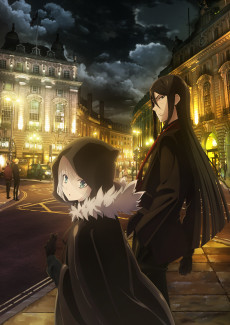
Chrys Liszt’s rooftop sniper takedown—calm, precise, timed to a metronomic beat—mirrors Lord El-Melloi II’s rail zeppelin interrogation: cold logic weaponized mid-motion, every clue weighed like a spell component. Their shared **Tactical Warfare** isn’t about brute force but layered perception—reading environments, adversaries, and hidden systems as interconnected puzzles. Unlike most detective fiction that separates deduction from execution, both works fuse **Mystery & Detective** rigor with real-time, high-stakes operational precision—making the mind feel like a loaded chamber.

Layered mysteries that reward attention — every detail matters, and the truth is never simple.
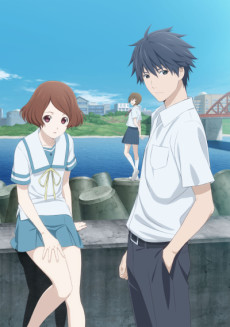



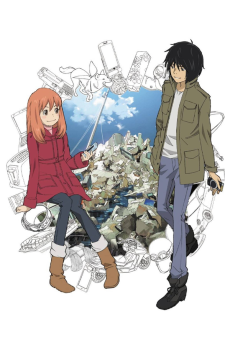





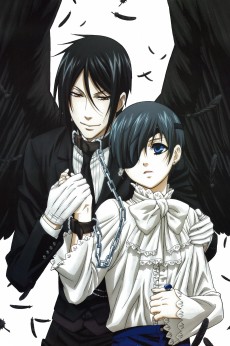




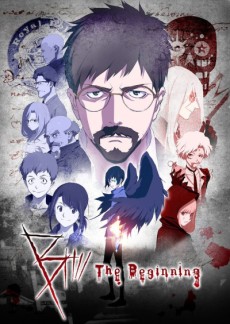
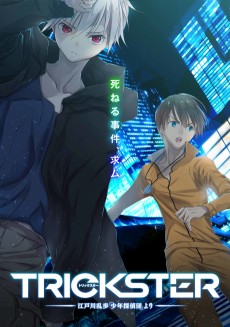






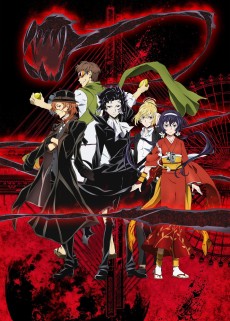

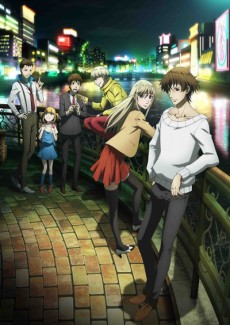

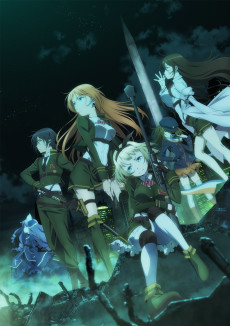











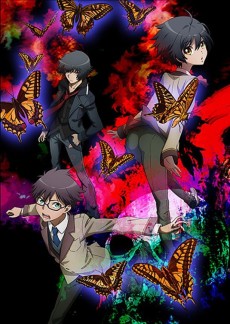
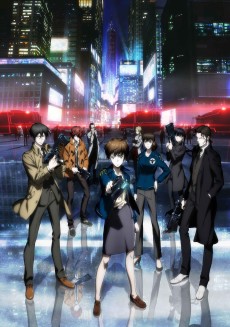




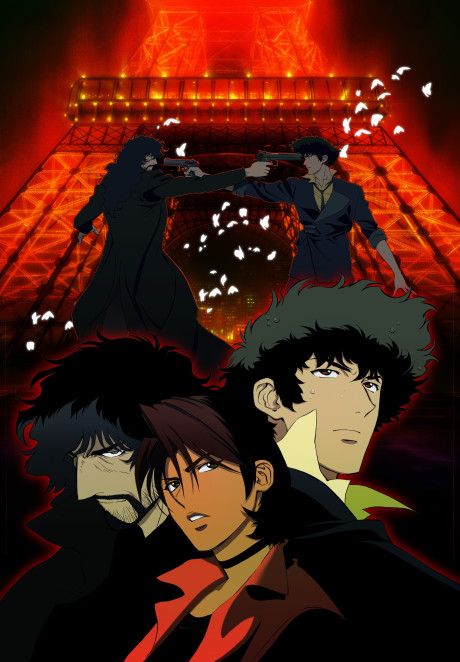
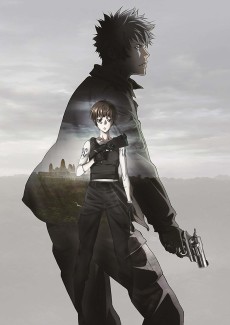





Match Dimensions Explained
❓Frequently Asked Questions
Why is The World God Only Knows II on the 'Anime Like Insecticide Part 1' list?
Because both lean hard into the 'Mystery & Detective' + 'Comedy & Parody' combo — like when Keima Katsuragi uses absurdly over-the-top 'conquest tactics' to solve social puzzles, mirroring Chrys Liszt’s bug-powered clue-hunting and street-smart improvisation. The tone’s spot-on too: goofy surface energy masking actual investigative structure, just like INSECTICIDE’s DS-era puzzle-shooting hybrid vibe.
Is there an anime adaptation of Insecticide Part 1?
No — and there won’t be. The game itself was cut short (as one player bluntly put it: 'It's only half of the original DS game and the second half is never gonna come out'). So no anime exists or is planned — but if you want that same chaotic detective-comedy energy, Scissor Seven Season 3 nails it with Seven’s tactical disguises, insect-adjacent gadgets (like his needle-based combat), and mystery-of-the-week cases layered with parody.
How does Lord El-Melloi II's Case Files {Rail Zeppelin} Grace note compare to Insecticide Part 1?
Both trade in high-stakes detective work fused with tactical precision — think El-Melloi II analyzing magical crime scenes on the Rail Zeppelin while Chrys Liszt scans bug-infested alleys for forensic clues using her team’s unique insect abilities. They even share that 'brainy but grounded' feel: no superpowers, just sharp deduction, environmental awareness, and gear that feels cleverly limited (like El-Melloi’s magecraft restraints vs. Chrys’s bug-weapon cooldowns).
What’s the best anime like Insecticide Part 1 if I want something fast-paced, silly, and mystery-driven?
Go straight to Scissor Seven Season 3 — it’s got the breakneck pacing of INSECTICIDE’s third-person shooting (minus the jank), plus the same blend of slapstick comedy and razor-sharp case-solving. Watch Seven infiltrate a casino disguised as a potted plant while dropping deadpan quips — that’s the exact 'bug-hunt meets street-smart parody' energy Chrys Liszt brings to every clue-scene in the game.