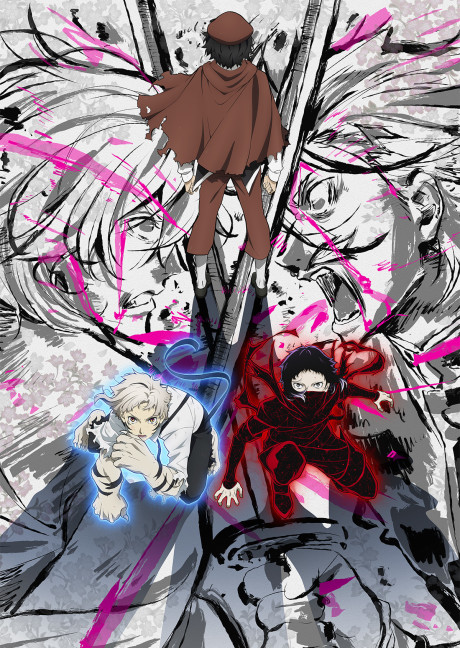
Bungo Stray Dogs 5
The fifth season of Bungou Stray Dogs.
Detective employees are caught one after another, and Kamui, the leader of Tenjin Goshui, is closing in on the Armed Detective Agency. Will the Agency survive?!
(Source: Crunchyroll)
📺Anime Details
📝Editorial Analysis
Rain slicks the cobblestones of Yokohama’s back alleys—not gently, but in cold, insistent sheets that blur neon kanji into bleeding halos. You see it in the frame where Atsushi stands alone on a fire escape, coat collar up, breath fogging the air, while below, a detective from the Agency is dragged away in handcuffs—not by police, but by figures in unmarked black coats moving with surgical silence. No music swells. Just the hiss of rain, the distant wail of a siren swallowed by concrete, and the quiet click of a safety being flipped off somewhere unseen. That’s the heart of Bungo Stray Dogs 5: not spectacle, but dread held in suspension, where every alleyway feels like a corridor in a collapsing institution, and loyalty isn’t declared—it’s tested in silence, under surveillance you can’t prove exists.
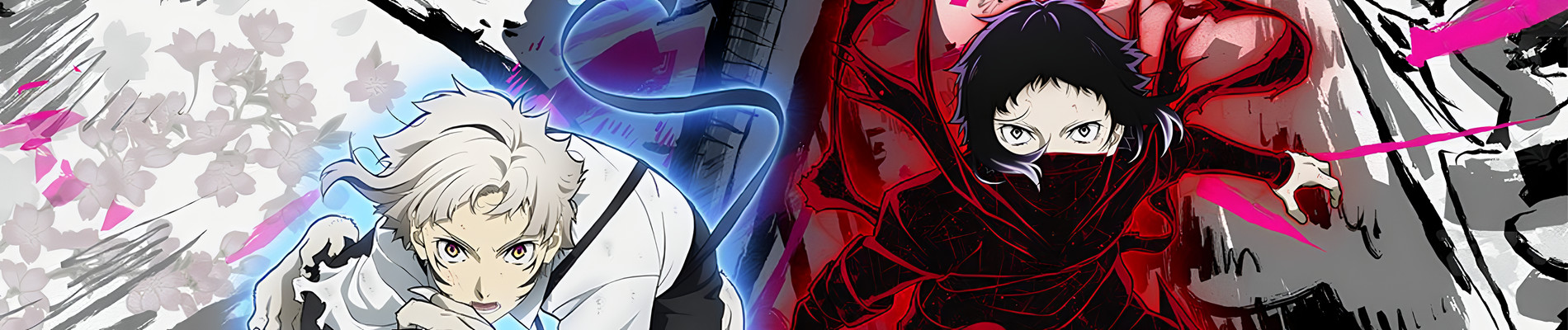
What makes this season ache so distinctly isn’t its supernatural powers or even its conspiracy—it’s how deeply it leans into urban exhaustion. This isn’t a city of wonder or rebellion; it’s a place where bureaucracy bleeds into violence, where “detective” and “fugitive” blur until the labels stop meaning anything except survival. You feel the weight of compromised ideals—the way Dazai’s calm reads less like control and more like resignation wearing a smile. The tragedy isn’t in grand betrayals, but in small surrenders: a file left unopened, a call not returned, a colleague’s name quietly removed from the roster board. It’s neon noir not as aesthetic, but as philosophy—light that doesn’t illuminate, only exposes how much shadow you’ve already stepped into.
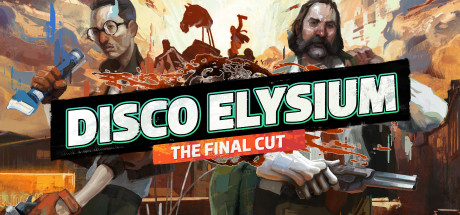
That emotional DNA pulses strongest in Disco Elysium - The Final Cut, where every dialogue branch feels like another hallway in the same crumbling building. Its description calls it a “groundbreaking role playing game” where you’re a detective with “a whole city to carve your path across”—and the player review nails the resonance: “Capital has the ability to subsume all critiques into itself.” Like the Armed Detective Agency, Revachol’s precinct isn’t fighting villains—it’s wrestling systems that absorb resistance, rewrite narratives, and turn idealism into collateral damage. Both make you feel the frustration of clarity without power: you see the strings, but pulling one might collapse the whole stage.
Then there’s Max Payne, whose description frames him as “a fugitive undercover cop framed for murder, hunted by cops and the mob… with his back against the wall.” That phrase—back against the wall—is the exact physical and psychological posture of the Agency in Season 5. The player review recalls passing the controller after death, turning tension into shared ritual—a perfect echo of how Bungo Stray Dogs 5 treats its ensemble: no single hero carries the weight; survival is rotated, fragile, passed hand-to-hand like a live grenade. The tactical warfare dim isn’t about gunplay—it’s about timing your retreat, choosing which truth to voice before the next arrest warrant drops.
And BioShock, with its “revolutionary” redefinition of narrative immersion, lands with the same gut-punch as Kamui’s approach: a force that doesn’t shout ideology, but embodies it, reshaping reality around its logic until dissent feels like physics breaking. Its description emphasizes “weapons and tactics never seen”—mirroring how Tenjin Goshui doesn’t deploy thugs, but architectural pressure, turning Yokohama itself into a weaponized system. The player review’s awe at its 2007 impact? That’s the same shock of recognition when the Agency realizes the conspiracy isn’t outside their walls—it’s the mortar holding them together.
This pairing isn’t for fans of power-ups or tidy resolutions. It’s for the reader who underlines passages in Dostoevsky while listening to rain on a fire escape. For the player who saves before every conversation in Disco Elysium, not out of fear of failure—but because they know some truths, once spoken, can’t be unlearned. For the one who replays Max Payne’s hallway shootouts not for the bullet time, but for the way the camera lingers on Max’s face after the gunfire stops—exhausted, hollow, still breathing. These are stories that trust you to sit with the weight, not the win. They don’t offer catharsis—they offer witness. And in that shared, rain-soaked silence, you finally understand: the most dangerous conspiracy isn’t the one they’re hiding. It’s the one you’ve already agreed to live inside.
🎮96 Games That Match the Vibe
























Match Dimensions Explained
❓Frequently Asked Questions
Why does Assassin's Creed feel like Bungo Stray Dogs 5 when it’s set in the Middle Ages?
It’s all about that 'Political Thriller' + 'Neon Noir' + 'Dark Fantasy' combo — same brooding, morally grey conspiracies and stylized, almost theatrical dialogue you get when Dazai monologues over a rain-slicked Yokohama rooftop. The way Altaïr navigates Templar factions while wrestling his own ideology mirrors how BSDF5 frames its literary characters as ideological weapons — not just swordfights, but *ideological* duels with weight.
Is there an anime or game adaptation of Bungo Stray Dogs 5 already out?
No official 'Bungo Stray Dogs 5' anime or game exists yet — the title refers to fan-made or speculative sequels based on the manga’s later arcs. But games like *Disco Elysium - The Final Cut* (81 score) nail that same vibe: razor-sharp literary banter, detective work steeped in existential dread, and characters named after real writers (like your amnesiac cop echoing Dazai’s self-aware despair).
How is Vampire: The Masquerade - Bloodlines different from BioShock if both are political thrillers with dark fantasy elements?
Great question — *Bloodlines* leans hard into 'Neon Noir' + 'Adult & Dark Seinen', with RPG choices that fracture your vampire clan loyalty (think Atsushi choosing between Port Mafia and Armed Detective Agency), while *BioShock* (78 score) uses its underwater dystopia to dissect objectivism through audio diaries and Big Daddy encounters — less interpersonal drama, more systemic horror. Both have moral ambiguity, but *Bloodlines* lets you seduce, betray, or embrace your curse; *BioShock* forces you to confront it head-on.
What’s the best game like Bungo Stray Dogs 5 if I want that rainy, philosophical, character-driven noir mood?
Go straight to *Disco Elysium - The Final Cut* (81 score) — it’s basically BSDF5’s spiritual twin: a down-and-out detective (like a hungover, chain-smoking Dazai) navigating a decaying city full of literary references, ideological rifts, and conversations where every line crackles with subtext. The skill checks — like ‘Logic’ disassembling a lie or ‘Empathy’ sensing hidden pain — mirror how BSDF5 characters weaponize their intellect and trauma in dialogue.