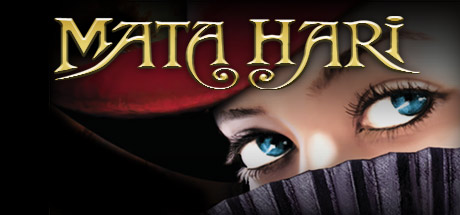
Mata Hari
TRUST NO ONE BUT YOURSELF as you adventure into the dark world of espionage amidst the volatile atmosphere of impending war. As a double agent, you must find clever ways to pit enemy factions against each other while eluding pursuers in each of your increasingly dangerous missions.
🎮Game Details
💬What Players Say
"Ce jeu est une vraie daube."
📝Editorial Analysis
The air tastes like gunpowder and perfume—sharp, cloying, unstable. You’re standing in a rain-slicked Parisian alley at 3:17 a.m., dossier clutched tight beneath your coat, listening to two sets of footsteps converge from opposite ends—neither belongs to your handler. The official description doesn’t name the alley, the hour, or the scent—but it does name the condition: TRUST NO ONE BUT YOURSELF. That phrase isn’t a tagline. It’s a tremor in your sternum. A pause before you choose which lie to tell first—not to save the mission, but to stay alive long enough to wonder if you are the lie. And then there’s that review, raw and untranslated: “Ce jeu est une vraie daube…” — not dismissive, not bored, but wounded, as if the game’s refusal to grant certainty left a bruise no tutorial could soothe.
This isn’t paranoia as spectacle. It’s paranoia as texture: the way silence stretches too long before a handshake, how a teacup trembles just once when someone says “Berlin,” the unbearable weight of knowing every ally has already filed a report on you—with redacted sections. The atmosphere isn’t built on set pieces or cutscenes (none are mentioned), but on consequence without confirmation. You pit factions against each other—not with grand speeches or explosive betrayals, but with a forged telegram, a misdelivered photograph, a whisper timed to coincide with a train’s whistle. There’s no moral compass, only leverage. And leverage shifts—constantly. That volatility isn’t background noise. It’s the rhythm. You don’t feel heroic. You feel exposed, brilliant, and utterly alone—like standing on a bridge between two armies, both aiming.
Black Butler lives in that same suspended breath. Ciel Phantomhive doesn’t win by outfighting—he wins by letting others believe they’ve won, then watching their victory unravel from within. Like Mata Hari’s double agent, he weaponizes perception: a bow, a smile, a perfectly placed silence—all calibrated to make enemies overestimate their control. Both operate in gilded cages where etiquette is artillery and servants are intelligence assets. The Mystery & Detective dimension isn’t about solving a whodunit—it’s about who is solving whom, and Tactical Warfare here means psychological attrition disguised as courtesy.
Eden of the East mirrors the same suffocating elegance of engineered chaos. Akira Takizawa doesn’t storm bunkers—he manipulates stock tickers, redirects surveillance feeds, lets rival cabals mistake each other for the threat. His battlefield is Tokyo’s subway map, its vending machines, its unblinking security cameras—the same mundane infrastructure Mata Hari’s agent uses to vanish mid-conversation. Neither protagonist has a base, a uniform, or a confirmed identity. Their power is unverifiability: the more they succeed, the less anyone—including the audience—can be sure what’s real. That shared Mystery & Detective pulse isn’t curiosity—it’s vertigo.
Lord El-Melloi II's Case Files {Rail Zeppelin} Grace note trades cobblestones for brass rails, but the claustrophobia is identical. Every carriage door closing is a potential trap; every polite inquiry from a fellow passenger hides three layers of magical counterintelligence. The Tactical Warfare isn’t spells versus swords—it’s timing a revelation to coincide with a tunnel’s darkness, using a tea service to mask a rune’s activation, letting an enemy’s arrogance write their own downfall into the case file. Like Mata Hari’s agent, Lord El-Melloi II never shouts. He adjusts the light so the truth casts the shadow he needs.
These aren’t stories for people who want to win. They’re for people who get a quiet, electric thrill when a plan works because no one noticed it was a plan at all—when the greatest victory is walking away unseen, unthanked, untrusted, and still breathing. They love the ache of a perfect lie held too long. They savor the moment a character glances at their own reflection—and hesitates, just for a frame, wondering which version of themselves the mirror is loyal to. They don’t need catharsis. They need resonance: that shiver when the world narrows to a single choice, whispered in French, coded in cipher, served with sugar and no milk—and you know, deep in your bones, that trust is the first thing you burn.
→51 Anime That Match the Vibe

Layered mysteries that reward attention — every detail matters, and the truth is never simple.
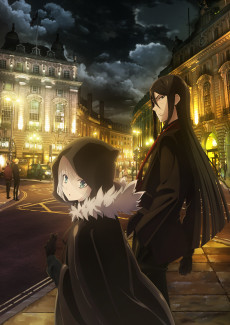
Waver Velvet’s tense rail zeppelin negotiations—where every handshake conceals a lie—mirror Mata Hari’s cabaret-stage deceptions amid pre-war Paris. Unlike most fantasy mysteries, *Grace Note* leans into tactical warfare not with spells but with psychological triangulation, just as the game forces players to weaponize factional distrust. This resonance in **Mystery & Detective** craft makes their parallel tensions startlingly human: both hinge on who blinks first when truth is the ultimate liability.

Layered mysteries that reward attention — every detail matters, and the truth is never simple.

Mata Hari’s tense café rendezvous—where a single misstep in coded dialogue could unravel an entire spy ring—echoes Scissor Seven Season 2’s “The Ghost of the Old City” episode, where Seven disarms a trap not with brute force but by weaponizing misinformation between rival syndicates. Unlike most action-comedies, this season leans into *tactical warfare* as psychological jujitsu: every feint, delay, and fabricated identity mirrors the game’s double-agent calculus. That both hinge on deception as infrastructure—not just plot device—makes their resonance startlingly precise.

Layered mysteries that reward attention — every detail matters, and the truth is never simple.

Layered mysteries that reward attention — every detail matters, and the truth is never simple.

Ciel Phantomhive’s cold calculus in negotiating with Sebastian mirrors Mata Hari’s razor-thin balancing act between French and German intelligence—each deception calibrated to survive a world where trust is tactical suicide. Unlike most period mysteries, both weaponize *Mystery & Detective* not for resolution but as sustained tension: Ciel’s courtroom gambits echo Mata Hari’s coded rendezvous in shadowed Parisian alleys. That shared embrace of ambiguity—where every ally might be the next informant—makes their resonance startlingly modern.
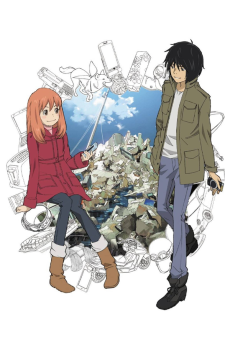
Mata Hari’s tense café rendezvous—where a coded sugar cube betrays loyalty—mirrors Eden of the East’s “Careless Monday” paradox: an attack with no victims, demanding the same razor-edged scrutiny. 🔍 Mystery & Detective thrives in both, where trust collapses not with gunfire but with withheld context—Akira’s amnesia and the game’s factional deception alike weaponize uncertainty. Surprisingly, neither offers catharsis through revelation; instead, they trap protagonists (and viewers) in loops of interpretation, making paranoia feel structural, not just atmospheric.

Snow blankets the plains where Haku’s amnesia begins—just as Mata Hari’s Parisian salons hide coded messages beneath champagne flutes. Where tactical warfare demands split-second deception in trench-bound radio intercepts, *Utawarerumono: The False Faces* weaponizes memory gaps and shifting allegiances across fractured nations, turning identity itself into battlefield intel. This resonance isn’t just aesthetic—it’s structural: both hinge on 🔍 Mystery & Detective logic where every ally’s whisper could be a trap, and trust collapses like sand beneath boots marching toward war.

Layered mysteries that reward attention — every detail matters, and the truth is never simple.







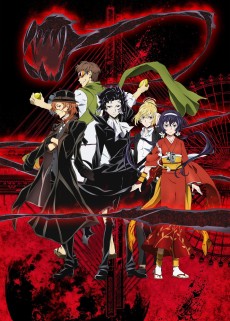







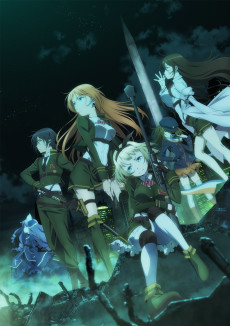
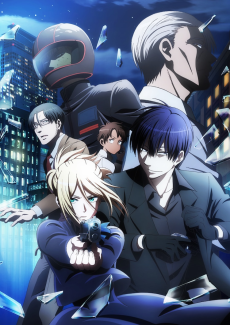
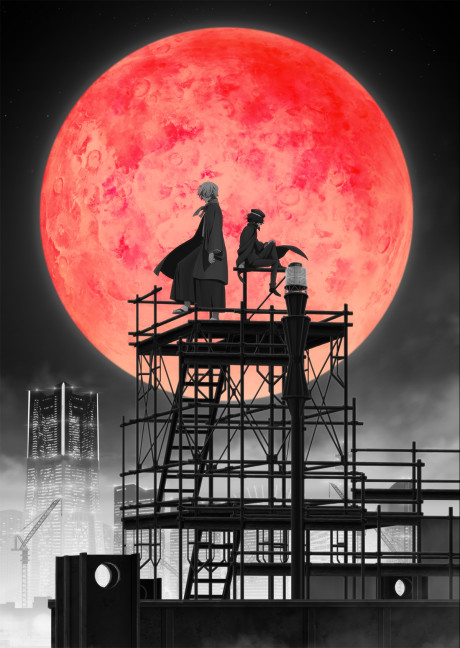


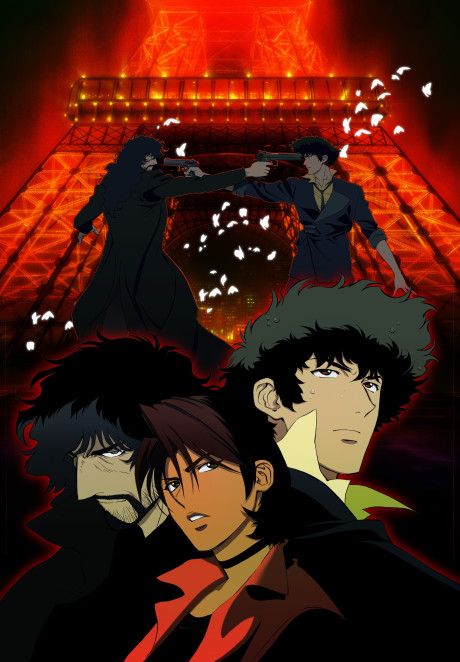

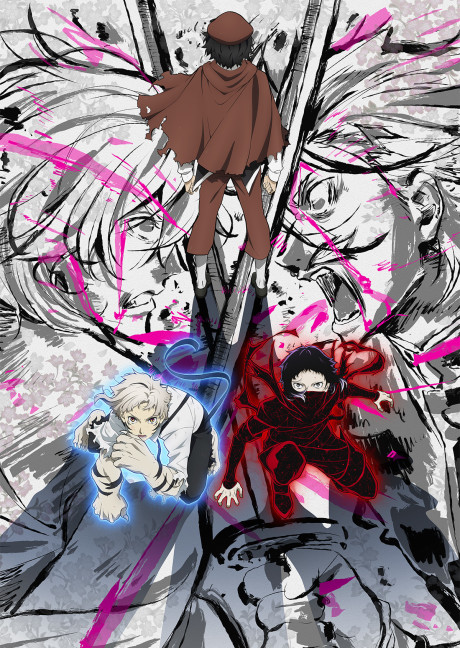










Match Dimensions Explained
❓Frequently Asked Questions
Why is Black Butler recommended for fans of Mata Hari?
Because both hinge on razor-sharp deception in high-stakes political environments—Ciel Phantomhive’s layered lies and orchestrated betrayals mirror Mata Hari’s double-agent maneuvering, especially in episodes like 'The Butler's Secret' where he manipulates rival noble factions just like you pit enemy intelligence agencies against each other in Mission 4’s Berlin safehouse ambush.
Is there an anime adaptation of Mata Hari?
No—Mata Hari is a video game, not a pre-existing anime property, so there’s no official anime adaptation. But if you love its espionage tension and moral ambiguity, Eden of the East delivers that same vibe: Akira Takizawa’s amnesiac descent into Tokyo’s shadow war—with NSA-like surveillance and factional chess moves—hits the exact same Mystery & Tactical Warfare dimensions (score 81) as the game.
How does Utawarerumono: The False Faces compare to Mata Hari?
Utawarerumono leans heavier on emotional stakes and wartime loyalty than Mata Hari’s cold, cerebral spycraft—but both force protagonists into impossible choices under surveillance: Haku’s identity concealment and battlefield sabotage in Episode 17’s siege of Kusu mirrors Mata Hari’s ‘trust no one’ missions, especially how both use misinformation as a weapon within tightly controlled, faction-fragmented worlds (score 80, same dims).
What’s the best anime like Mata Hari if I want tense, brainy spy vibes without supernatural elements?
Go straight to Eden of the East—it’s grounded, modern, and all about real-world surveillance, encrypted messaging, and geopolitical manipulation. Unlike Lord El-Melloi II (which adds magic) or Scissor Seven (which leans into absurd comedy), Eden nails the gritty, paranoid realism of Mata Hari’s Mission 3 ‘Radio Silence’ sequence—where every conversation could be monitored and every ally might be compromised.